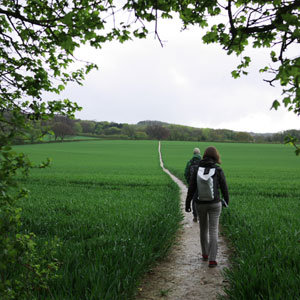
The Via Francigena is an ancient pilgrimage route through England, France, Switzerland and Italy. Far less busy than the well-established Camino de Santiago, at 1,900km it is far longer too. Enjoy tantalising views of European countryside that most visitors miss, avoid over touristy parts of Italy, and get a taste for local ways of life.
Had you a bit of free time on your hands in the Middle Ages, you could have sailed from Ireland to England and then to France, followed the Via Francigena as far as Brindisi in Puglia, then caught a ship to Istanbul and carried on to Jerusalem. Meanwhile, pilgrims making their way north to Santiago de Compostela could walk through northern Italy on the Via Francigena to reach France, where they could connect with the Camino de Santiago.
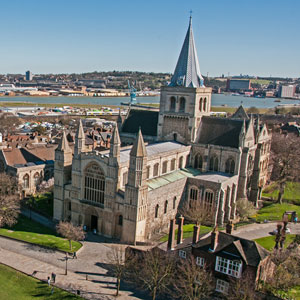
Walking the Via Francigena, you’ll be embarking on one of the most fascinating pilgrimages in existence. This ancient trail from Canterbury Cathedral in England to Rome is in fact the main thoroughfare of a great spidery sprawl of ancient routes across Europe all culminating at the ports of Bari, Brindisi, and Otranto, from where the pilgrim could continue as far as the Holy Land.
While the route shifted according to climate, regional politics, trade requirements, and war, the Via Francigena as we discuss it here largely follows the journey known to have been taken by a newly minted Archbishop known as Sigeric the Serious (always put in charge of the coats at parties) as he made his way home from Rome to England in 990 AD. Walkers usually go in the other direction, however. Rome is a popular pilgrimage destination because the apostles Peter and Paul, regarded as the founders of the Roman Catholic Church, were both martyred there.
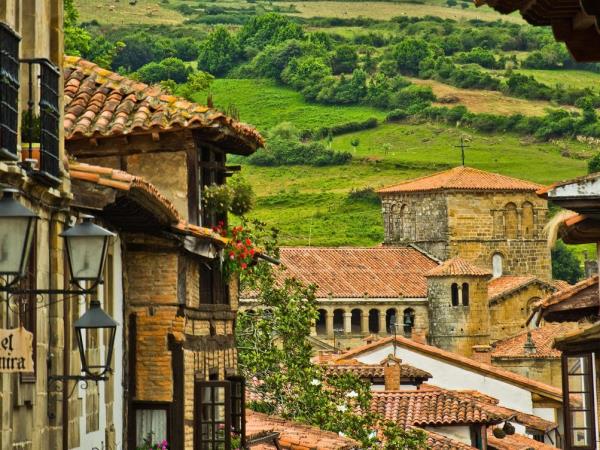
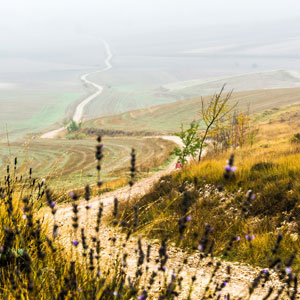
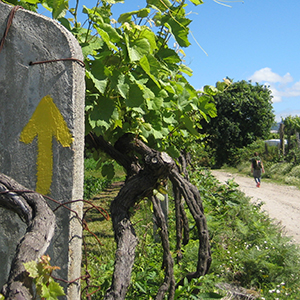
Most vacations focus on Italy, and they traverse scenery that many tourists never see. Particularly in as crowded a destination as Tuscany, walking the Via offers a completely different experience of the region. It takes you through gloriously beautiful landscapes laden with Roman ruins, welcoming historic communities, and sumptuous traditional cuisine. “Pretty much all of the towns and villages enroute are geared up to hosting the walk,” says Susan Blunt, co-founder of our partner, Adventurous Ewe, who offer a growing number of walking vacations along the Via Francigena. “Everyone wishes you 'Buon Camino' and all the cafes and bars are ready to stamp the journey cards.”