Sikkim travel guide

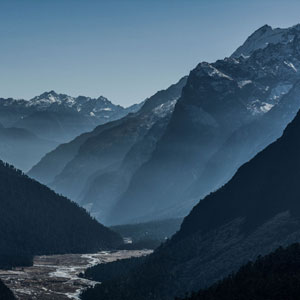
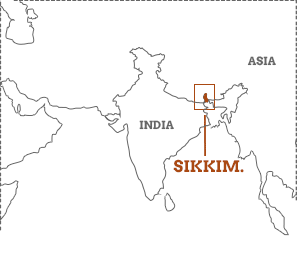
Stunning, remote and closer to Nepal than India in cultural terms, Sikkim is a patchwork of steep valleys, subtropical forest and soaring hills, backed by the white peaks of the Eastern Himalayas, including the country’s highest mountain, Khangchendzonga. Needless to say, hiking is a big hit here, and those who come to get their kicks in this incredible mountain air can do so in relative peace, as the state has restrictions on the number of tourists that can enter and how long they can stay.
A self governing mountain kingdom until it became part of India in 1975, Sikkim maintains an independent spirit that sets it apart from the rest of the country.
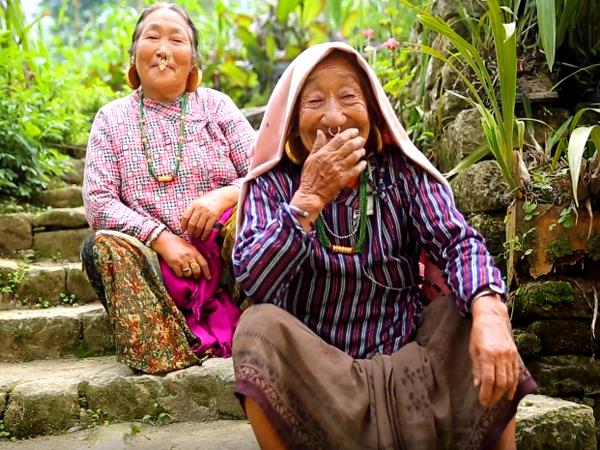
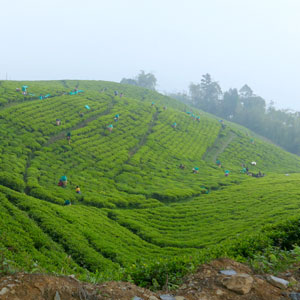
It’s not all about dramatic natural beauty, though. Sikkim is India’s most sparsely populated state is home to prehistoric ruins and medieval towns, as well as plenty of Tibetan Buddhist monasteries and a growing number of Hindu shrines. All this is complimented by a rich, multilingual, multicultural society where Nepali Hindus, Buddhists and indigenous peoples, including the Lepcha and Bhutia, live side by side. And if you’ve time for a break between all these cultural and natural highs, make time for a cup of some of the world’s finest tea – courtesy of Temi Tea Garden, a sprawling, hillside plantation.
Sikkim is…

an environmental front runner, and the first Indian state to aim to be fully organic

Sikkim isn’t…

all about peaks and pushing yourself. Gentle strolls in the foothills and laid-back cultural encounters can be just as rewarding.

Things to do in Sikkim…

Explore the local traditions though a cultural tour. This means not only visiting the many monasteries, stupas and shrines scattered throughout the mountains, such as Pemayangtse and Rumtek Monasteries; it also means staying in or visiting local villages, and exploring the tribal customs and daily life of indigenous minorities, such as the Lepcha and Bhutia, through activities such as cooking, crafts, singing and dancing. One of the best things about trekking in Sikkim is that you don’t need complicated equipment and well honed climbing skills; just good fitness, a head for heights and the requisite permit, which your operator will organise. The high altitude treks most commonly offered are along the Singalila Ridge, between Sikkim and Nepal, and the Yuksom to Dzongri and Goecha La route. Low altitude hikes often come without the restriction of permits and make Sikkim an alluring destination for quiet walks off the beaten track. The dramatic mountain terrain also offers plenty of excitement for mountain bikers. Respect the environment. Sikkim is incredibly environmentally progressive. In 1998 it was the first Indian state to ban disposable plastic bags; in 2016 it banned Styrofoam and thermocol disposable plates and cutlery; and the same year packaged drinking water was banned from government offices and events. However, only 20 to 30 percent of waste gets recycled and with increasing tourist numbers, it’s difficult to control the use of plastic water bottles. The government is considering banning plastic from the entire state; until they do, carry your own reusable water bottle (LifeStraw self-filtering water bottles are great) and never leave rubbish behind – this includes cigarette butts tucked behind bushes or in the sand.

Our top trip

Sikkim cycling vacation, India

Sikkim cycling vacation, India

Visit snow-capped Himalayan peaks & quaint villages

From US $1910 9 days ex flights
Small group travel:
2026: 20 Nov

Contact Us

Responsible Travel, Travel Team

Call us for a chat about our vacations. We are happy to discuss your vacation and help in any way we can. No bots, queues or awful hold music.

Responsible Travel, Travel Team

Things not to do in Sikkim…

Underestimate the toughness of the mountains. If you’re going on a longer, multi-day trek, you’ll need a good level of fitness as trails can be tough and distances long, but even if you’re just going for a short stroll in the foothills you need to plan in advance. Always travel with an expert local guide who knows the route and tell people where you’re going before you set off. What’s more, the weather can change rapidly in the Himalayas, so always be prepared with the correct layers. A word of warning: don’t head off into forest areas without an experienced guide due to the risk of black bears.
Ignore cultural values. These are remote landscapes with rural villages where the religion and culture play important roles, so both men and women should dress appropriately. Don’t wear shorts or short skirts and women should keep shoulders covered if in a place of worship. And remember to be sensitive when taking photographs. Take your time to speak to people first and always ask permission before snapping away.
Expect luxury. Vacations in Sikkim are about trekking, wild camping, staying in homestays and simple hotels and getting a handle on the local culture. You didn’t come here to be sealed away in a generic plush hotel – you came here to work up a sweat in the mountains, take in some top temples and perhaps try a spot of tea. So forget about cocktails and room service.
Written by Nana Luckham
Photo credits: [Page banner: Ko Backpacko] [Rumtek monastery: Carol Mitchell] [Things to do: Giridhar Appaji Nag Y]