Wilpattu National Park in Sri Lanka
Although it is the largest national park in Sri Lanka, Wilpattu still gets a one word reaction from many people: where? Actually up in the northwest of the country, Wilpattu National Park (founded in 1938) was closed to visitors for years during the civil war that raged in the north during the 1980s- 2000s, only ending in 2009. Although most wildlife-seeking visitors stick to the country’s well trodden tourist trail, such as Yala National Park, Wilpattu isn’t actually that far from civilisation. Especially ancient ones, as it is located just 30km west of Anuradhapura, the great Sinhalese Kingdom from over 2,000 years ago, which is part of the Cultural Triangle route. You can stay at bungalows in the park, or in one of many safari tent campsites on the outskirts.

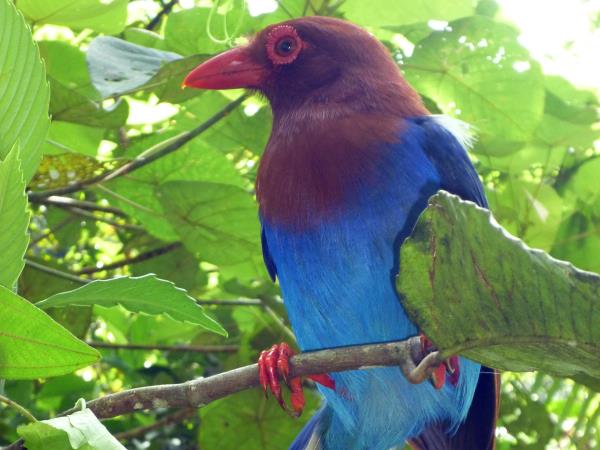
Bird watching tour in Sri Lanka
Sri Lankan endemic birds & flagship mammals
From
US $2370
10 days
ex flights
Adventure vacation to Sri Lanka
Discover this magical land on expertly lead group tour
From
US $2584 to US $3675
15 days
ex flights
Sri Lanka wildlife and culture vacation
Experience Sri Lanka on this great value tour
From
£3400
14 days
ex flights
Sri Lanka wildlife vacation, tailor made
Sri Lanka wildlife with expert local guide
From
£1750
10 days
ex flights
Wildlife vacation in Sri Lanka, private departure
Wildlife vacation to see Sri Lanka's Big Four
From
US $3245
14 days
ex flights
Family vacations to Sri Lanka
Wildlife, beaches and culture for the summer vacations
From
US $2145
15 days
ex flights


Contact Us

Call us for a chat about our vacations. We are happy to discuss your vacation and help in any way we can. No bots, queues or awful hold music.

1-866-821-6866
Call toll free
Calling from outside the USA


What's in the name?
Willu Pattu translates literally from Sinhala as ‘Land of the Lakes.’ This region goes back far in Sinhalese history, as it is said that the Sinhalese nation was begun at Kudrimalai Point in the park in 543 BC. Turtles still come to lay their eggs stunning beach there today. Lakes are, not surprisingly, Wilpattu’s USP, with up to 60 ‘willus’, or ‘villus’ as they are known locally, which are natural, shallow basins on the open plains that collect rainwater. All with different names such as Kumbutu or Kurutupandi, they make superb watering holes for wildlife and habitats for myriad birds.What wildlife
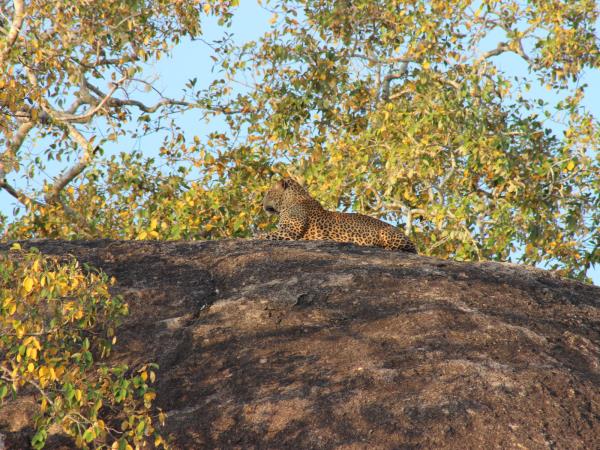
John Beswetherick, Managing Director of our supplier Tikalanka (UK) Limited: “On my first jeep safari in Wilpattu National Park after it reopened in 2010, we drove towards the first waterhole and were watching a myriad of birdlife when a lone leopard slinked to the shoreline and started to lap at the water – a very special moment for us all.”
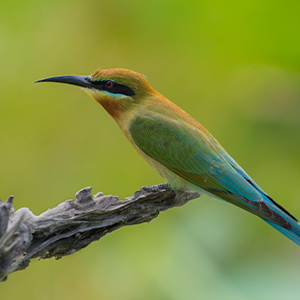
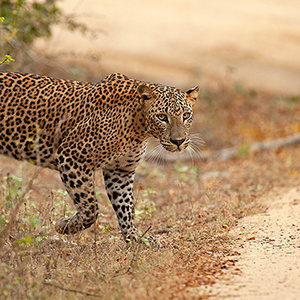
With its open scrublands, wetlands and thick jungle, Wilpattu keeps you guessing when on safari. One minute you see elephants, the next water buffalo. You may come across a herd of deer drinking at a willu, or you may be lucky enough to even spot one of the 50 leopards. And if you see both in the same place, your wildlife day will be made – though the deer’s may well not. There are also sloth bears in the forests and crocodiles in the lakes. With all that water, this is birding paradise, with over 200 species. A few of the endemics include the pompadour green pigeon, Ceylon parakeet, red backed woodpecker and the Ceylon grey hornbill. Check out the institution that is the Ceylon Bird Club, established in colonial times of course in 1943 (Sri Lanka was called Ceylon until 1972 when it became an independent republic) – their birding knowledge is second to none.
With its open scrublands, wetlands and thick jungle, Wilpattu keeps you guessing when on safari. One minute you see elephants, the next water buffalo. You may come across a herd of deer drinking at a willu, or you may be lucky enough to even spot one of the 50 leopards. And if you see both in the same place, your wildlife day will be made – though the deer’s may well not. There are also sloth bears in the forests and crocodiles in the lakes. With all that water, this is birding paradise, with over 200 species. A few of the endemics include the pompadour green pigeon, Ceylon parakeet, red backed woodpecker and the Ceylon grey hornbill. Check out the institution that is the Ceylon Bird Club, established in colonial times of course in 1943 (Sri Lanka was called Ceylon until 1972 when it became an independent republic) – their birding knowledge is second to none.
When to go
Wilpattu National Park is open all year round, but the most popular time to visit is May to September, or early October, when the drought brings wildlife out to the 60 waterholes, and when they can no longer source it in more private spots. The palu fruit trees bear fruit in May, June and July and this is the best time to see sloth bears, as they come out of their more elusive dens for one big teddy bears’ picnic. Generally, Wilpattu is much quieter than Yala National Park in the south, especially outside Sri Lanka’s peak tourist season of December and January.
More Sri Lanka wildlife articles
The best time to go on a wildlife vacation in Sri Lanka is, generally, when it is drought season and the land mammals come out of their hiding places in search of water.
Sri Lanka has peacocks, leopards and elephants, but it has something even bigger, too: the blue whale.



.jpeg)
