Women entrepreneurs in tourism
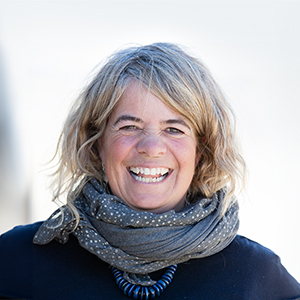
Image: Saadia Baber, CEO and founder of Xperience Pakistan
We examine how women’s roles are changing in tourism – and celebrate those who are working towards equality in the industry.
We examine how women’s roles are changing in tourism – and celebrate those who are working towards equality in the industry.

In my graduation speech I got emotional. I was from Peshawar, but was one of the few who could stand on this platform. There are so many intelligent girls in my region who will never get that chance.![]()

Saadia Baber is a female entrepreneur, who set up her travel company, Xperience Pakistan, to showcase the country, and provide more opportunities for Pakistani women.
She’s one of the many women in tourism with whom we work. Whilst many of them would hate the label ‘female entrepreneurs’, their successes deserve highlighting.
Why? Because despite the many challenges that women face around the world, they are all working hard to make the world better. Not just for all women, but for all people, and for nature and the environment, too. And they’re doing so through tourism, the world’s third largest industry.
She’s one of the many women in tourism with whom we work. Whilst many of them would hate the label ‘female entrepreneurs’, their successes deserve highlighting.
Why? Because despite the many challenges that women face around the world, they are all working hard to make the world better. Not just for all women, but for all people, and for nature and the environment, too. And they’re doing so through tourism, the world’s third largest industry.

Why do we need to highlight women in tourism?
In 2004, women accounted for 46 percent of the tourism industry’s workforce. Reporting from 2019 showed they had become the majority: 54 percent. Yet the industry doesn’t give them a fair deal. Across the world, women are more likely to find themselves in lower paying roles, or in unpaid support roles.According to stats by Equality In Tourism International, women hold fewer than 40 percent of managerial positions in the industry, hold fewer than eight percent of board positions, and comprise just 23 percent of tourism ministers. Women earn 14.7 percent less than their male counterparts. Whilst this is better than the average wage gap in other professions (16.8 percent), in the quest for equality, any gap is too high.
New challenges
Globally, gender equality has had some concerning setbacks over the last few years. The Covid pandemic meant that many people – and women in particular – could take advantage of more flexible approaches to working, including remote working. But women were more likely than men to be forced back into unpaid carer roles, hampering their ability to succeed in business.Some of our entrepreneurs don’t think we are closer to equality. “Sadly, no it’s not got better,” says Saadia Baber, founder and director of our UK-based partner Xperience Pakistan. She has recently set up a second business in the UK and finds herself talking to female entrepreneurs from all walks of life, “I’d like to think it’s changing but when I hear stories of younger women I think that they sound so familiar… It’s so frustrating that in this day and age there are still glass ceilings.”
The challenges continue: for all the hype around the rising interest in community-based tourism and ecotourism, these newer tourism trends can inadvertently exploit or exclude women.
Ecotourism projects might inadvertently encourage women to continue traditional roles in homestays, or keep women doing traditional jobs in rural areas rather than seeking more beneficial and lucrative opportunities.
Women can find themselves excluded from community-based tourism projects. Take Kenya, where a conservancy model means land is leased from Maasai people by vacation companies. Women, who are very rarely landowners, miss out on funds cannot participate in decision making.
To counteract this, it’s important that women hold jobs across the spectrum of roles in the industry – especially positions of responsibility and power, where they can have a say in how tourism is run, and can advocate for good practice that benefits women.
Perhaps wrongly, the feminist movement and the green movement are considered to be philosophically aligned – ecotourism, the argument goes, appeals to a female, nurturing spirit. What’s perhaps more likely is that the women who we see succeeding in modern eco tourism projects are doing so because they are finally capitalising on the opportunity, having been traditionally excluded from business. They are finding success as the green movement finds its feet, and are running smaller, more agile businesses that can make positive changes.
New opportunities
“Tech savvy women are on the rise [in India],” says Ridhi Patel, founder of our partner Volunteering Journeys, speaking from her Kerala office. Technology has improved the lives of many women, who can now work from home. “It has increased employability,” says Ridhi, “women could be sitting here but working for a company in the US – a call center job but sitting at home. It’s really helped women a lot.”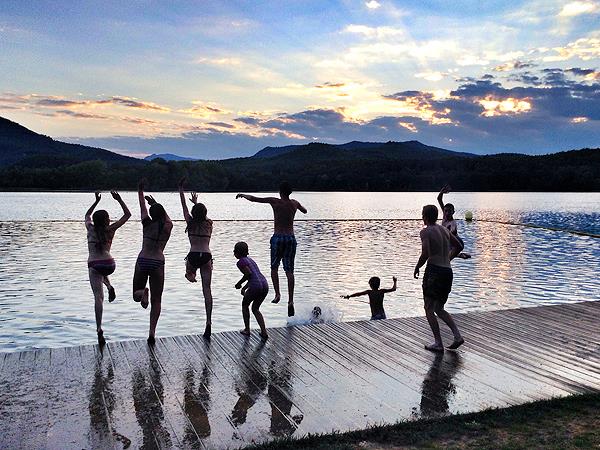
Catalonia family activity vacation, Spain
Family fun with scenic bike rides & adventure activities.
From
€750 to €880
8 days
ex flights
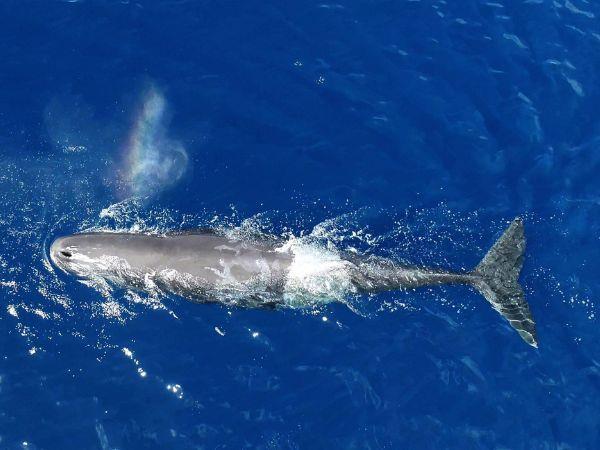
Blue Whale tour in the Azores
Visit the Azores at the best time to see Blue Whales
From
£1775
8 days
ex flights
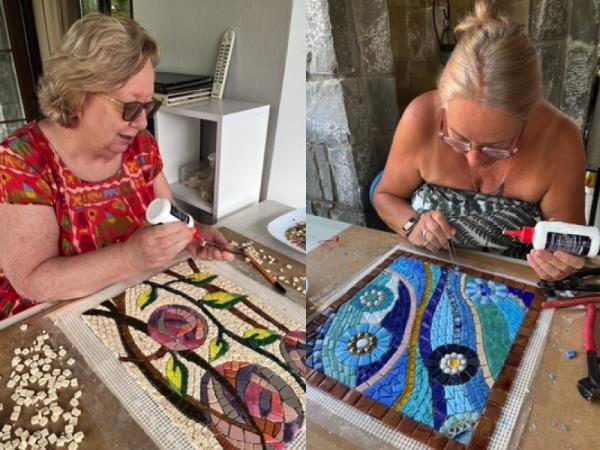
Mosaic making vacation in Turkey
10 Best Learning Vacations in Europe 2026 - The Guardian
From
£1299
7 days
ex flights
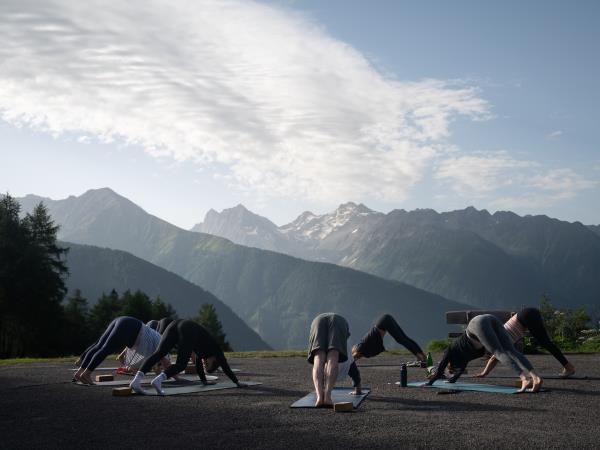
Austria hiking and yoga vacation
Daily yoga, stunning alpine hiking, delicious vegan food.
From
€1190
7 days
ex flights
Altiplano de Granada activity vacation, Spain
Multi-activity family vacation in the Spanish Lake District
From
€495 to €793
8 days
ex flights

Southern Madagascar vacations, Lemurs, baobabs & beaches
taking in its most diverse environments at comfortable pace
From
US $4050 to US $4059
12 days
ex flights


Contact Us
Call us for a chat about our vacations. We are happy to discuss your vacation and help in any way we can. No bots, queues or awful hold music.

1-866-821-6866
Call toll free
Calling from outside the USA

Challenges for women in tourism
A man has maybe jumped one hurdle to get to that investor meeting. A woman with caregiving or household duties on top of her business has jumped over 10 just to be there.![]()
“As women in the travel industry we face several challenges. We have to work harder to be respected and to be treated fairly,” says Lidiana Mendes from our partner in Cape Verde, Travell With Purpose.
Women-owned tourism businesses face the same problems as women-owned businesses the world over no matter the industry. They generally tend to be smaller and less profitable enterprises, less likely to apply for or be granted loans. They are perceived as less likely to succeed, and this, of course, affects their real success.
Women-owned tourism businesses face the same problems as women-owned businesses the world over no matter the industry. They generally tend to be smaller and less profitable enterprises, less likely to apply for or be granted loans. They are perceived as less likely to succeed, and this, of course, affects their real success.
Getting investment
“The biggest barrier for women-owned businesses [in the UK] is financial,” says Saadia from Xperience Pakistan, “If you’re a housewife, or if you’ve had a long career gap, you haven’t got savings. Trying to get funding is a huge challenge.”
Saadia illustrates this with an example.
“A male investor looks at a woman, and maybe he’s thinking of her in the kitchen managing the children and managing all the household – instead of the business – he’s creating those barriers for her in his mind.
“But look at it the other way around: a man has maybe jumped one hurdle to get to that investor meeting. A woman with caregiving or household duties on top of her business has jumped over 10 just to be there.”
Claire Copeman, co-founder and director at Adventure Tours UK, set up the business with her husband. But while he the silent partner, Claire struggled to be treated fairly when meeting prospective investors. “They would always pitch all the questions to my husband,” she says, “and he would always look at me for the answers.”
Saadia illustrates this with an example.
“A male investor looks at a woman, and maybe he’s thinking of her in the kitchen managing the children and managing all the household – instead of the business – he’s creating those barriers for her in his mind.
“But look at it the other way around: a man has maybe jumped one hurdle to get to that investor meeting. A woman with caregiving or household duties on top of her business has jumped over 10 just to be there.”
Claire Copeman, co-founder and director at Adventure Tours UK, set up the business with her husband. But while he the silent partner, Claire struggled to be treated fairly when meeting prospective investors. “They would always pitch all the questions to my husband,” she says, “and he would always look at me for the answers.”
Being taken seriously
“I’ve had men saying ‘This is all really nice… but what’s your real job?’” says Saadia, “They think that it’s just a hobby.”
Women aren’t always taken seriously in the tourism industry, nor are they given space to flourish. They are more likely to face social pressures – expected to grant freebies for neighbours, for instance. They are more likely to require flexible hours and fit unpaid labour around their businesses. Saadia, who is UK-based, explains the challenge of, “still running the house, still running the kids and all the while working ridiculous hours.”
“In India there is a social stigma about what women do,” says Ridhi, “Why aren’t they raising a family? Why are they spending all their time working? People wonder what your agenda is.”
The stats show that when women run businesses they are more likely to reinvest their profit into their families, and into education. They have the potential to lift entire communities out of poverty by spreading profit around. This is great – though of course not without its problems. Women often simply aren’t afforded a space away from the competing pressures on their attention, and might find themselves under social pressures – especially in poorer communities – to forgo profit for community benefit. Is it selfish to put your profit back into your business when your neighbour needs help?
Women aren’t always taken seriously in the tourism industry, nor are they given space to flourish. They are more likely to face social pressures – expected to grant freebies for neighbours, for instance. They are more likely to require flexible hours and fit unpaid labour around their businesses. Saadia, who is UK-based, explains the challenge of, “still running the house, still running the kids and all the while working ridiculous hours.”
“In India there is a social stigma about what women do,” says Ridhi, “Why aren’t they raising a family? Why are they spending all their time working? People wonder what your agenda is.”
The stats show that when women run businesses they are more likely to reinvest their profit into their families, and into education. They have the potential to lift entire communities out of poverty by spreading profit around. This is great – though of course not without its problems. Women often simply aren’t afforded a space away from the competing pressures on their attention, and might find themselves under social pressures – especially in poorer communities – to forgo profit for community benefit. Is it selfish to put your profit back into your business when your neighbour needs help?
Keeping safe
The tourism and hospitality industries present unique challenges for women – one of which is harassment. Women in hospitality are far more likely than their male counterparts to experience it.
On top of this, to set up a travel business involves some elements of fact finding and research, which can involve visiting areas where women are not traditionally seen in leadership positions. Depending on the location, that can put the business founder or their colleagues in difficult, even dangerous, situations “As a single woman it is a little bit tougher in the travel sector because you have to do a lot of independent scouting. In the early days my work was scouting projects, visiting locations that were remote – putting myself at risk,” says Ridhi.
In Uganda, whilst women are often found in corporate spaces, it’s rarer for them to be out in the field, as Miriam Kyasiimire, founder and director of our partner Kagera Safaris, explains,
“Yes, being a woman running a business is unusual – I’m a female business owner but what actually makes me different is that I love the actual field work. I interact with the game rangers –they don’t see a lot of people like that –women mostly stay in the office.”
On top of this, to set up a travel business involves some elements of fact finding and research, which can involve visiting areas where women are not traditionally seen in leadership positions. Depending on the location, that can put the business founder or their colleagues in difficult, even dangerous, situations “As a single woman it is a little bit tougher in the travel sector because you have to do a lot of independent scouting. In the early days my work was scouting projects, visiting locations that were remote – putting myself at risk,” says Ridhi.
In Uganda, whilst women are often found in corporate spaces, it’s rarer for them to be out in the field, as Miriam Kyasiimire, founder and director of our partner Kagera Safaris, explains,
“Yes, being a woman running a business is unusual – I’m a female business owner but what actually makes me different is that I love the actual field work. I interact with the game rangers –they don’t see a lot of people like that –women mostly stay in the office.”
Pushing into traditionally male spaces
“When I started my company in 2004, kayaking was a new sport in Croatia and it was difficult to get any information regarding the regulations, concessions, licenses” says Ivana Vlahov, founder of Adria Adventure in Croatia. Hers was one of the first adventure travel companies in Dubrovnik. “In many of these offices they were even laughing thinking why would anyone wish to paddle when the boats were available. Being a young woman who just graduated from college I really had a feeling that they were not considering me as someone who was doing something serious.”
Breaking into the travel industry can put women in traditionally male spaces, especially the active and adventure travel sector. Claire at Adventure Tours UK sees that women are well represented in some roles in the UK’s adventure tourism industry, but doesn’t see so many heading up small businesses. It’s something that our staff have noticed on their travels too – one notably recalling months of traveling across European campsites and bike hire venues, and not encountering female employees “They just weren’t visible.”
From small businesses to adventure tourism businesses, we should push for women in every space in the industry. More female loan officers, for example, would help more female businesses apply for and get financing. It is these women, starting out, who will be tomorrow’s board members.
Tatev Manucharian is the executive director of our Armenia-based partner Arara Tour. “I've encountered challenges typical for women in leadership roles, such as overcoming biases and establishing authority in a competitive industry,” she says. “But our success at Arara Tour is a testament to the power of diverse leadership.”
Breaking into the travel industry can put women in traditionally male spaces, especially the active and adventure travel sector. Claire at Adventure Tours UK sees that women are well represented in some roles in the UK’s adventure tourism industry, but doesn’t see so many heading up small businesses. It’s something that our staff have noticed on their travels too – one notably recalling months of traveling across European campsites and bike hire venues, and not encountering female employees “They just weren’t visible.”
From small businesses to adventure tourism businesses, we should push for women in every space in the industry. More female loan officers, for example, would help more female businesses apply for and get financing. It is these women, starting out, who will be tomorrow’s board members.
Tatev Manucharian is the executive director of our Armenia-based partner Arara Tour. “I've encountered challenges typical for women in leadership roles, such as overcoming biases and establishing authority in a competitive industry,” she says. “But our success at Arara Tour is a testament to the power of diverse leadership.”
Why support women?
Responsible Travel is for nature and communities – all communities. Our trips are not just for a certain demographic, and our vacations are looking to support communities across the world – that means all genders, all peoples.
But the progress on the UN development goal for gender equality makes it clear: around the world, women need support. We are not on track to reach gender equality by 2030. As it stands, one in five women are married before their 18th birthday, and we are set to get equal representation in the world’s workplaces… in around 140 years. In some areas of the world, women are tasked with doing six times more unpaid and domestic work than men.
“It’s nice to be highlighted by Responsible Travel,” says Ridhi, “There aren’t a lot of us – it’s important to highlight each other, so we can support each other.”
She’s not alone. We work with many female entrepreneurs who are actively looking at ways to improve the lives of women around them. Because women entrepreneurs – especially those working in travel – are pioneers. And they find their purpose in paving a smoother path for those who come after.
If anyone can do it, we believe it’s them. “We are good negotiators, we find solutions. It’s in our nature,” says Ivana.
But the progress on the UN development goal for gender equality makes it clear: around the world, women need support. We are not on track to reach gender equality by 2030. As it stands, one in five women are married before their 18th birthday, and we are set to get equal representation in the world’s workplaces… in around 140 years. In some areas of the world, women are tasked with doing six times more unpaid and domestic work than men.
“It’s nice to be highlighted by Responsible Travel,” says Ridhi, “There aren’t a lot of us – it’s important to highlight each other, so we can support each other.”
Women supporting women
“In my graduation speech I got emotional,” says Saadia, “I was from Peshawar, but was one of the few who could stand on this platform. There are so many intelligent girls in my region who will never get that chance.” Saadia lives in the UK, but has family in Pakistan, and spent parts of her childhood there. She describes Peshawar, which, despite being a progressive city, as still offering limited opportunities for women. “In this small city the only three professions open to women are to become a teacher or to work for a bank or an NGO.” She is looking at setting up an office here to give more opportunities to young women in the area.She’s not alone. We work with many female entrepreneurs who are actively looking at ways to improve the lives of women around them. Because women entrepreneurs – especially those working in travel – are pioneers. And they find their purpose in paving a smoother path for those who come after.
If anyone can do it, we believe it’s them. “We are good negotiators, we find solutions. It’s in our nature,” says Ivana.
More Women entrepreneurs in tourism articles
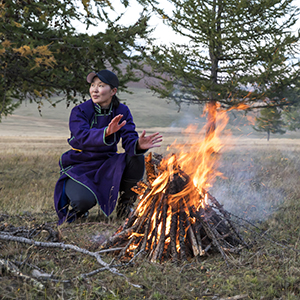
When we support women in tourism, everyone gets to feel the benefits.
We interviewed several Managing Directors to find out more about the challenges they faced.