Matobo National Park in Zimbawe

Is it a boulder? Is it a rhino? In Matobo National Park, famous for both, it might be harder to tell than you think.

There are just a few places in the world where you can track rhinos on foot. Perhaps none are more reverence-inducing than Matobo, Zimbabwe’s oldest national park, where among spectacular rock formations, you’ll find both white and black rhinos.

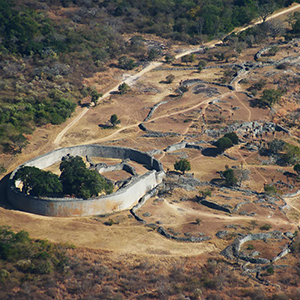
If one set of round grey hides wasn’t enough, you’ll find the landscape mirrors your quarry; the park is full of rhino-shaped, rhino-coloured rock formations: the Matobo Hills. These interesting features are caused by millions of years of erosion. Visting the park on one of our Zimbabwe safari vacations you’ll start to recognise ‘castle kopjes’: rocks seemingly stacked like building blocks, and ‘whalebacks’ or ‘dwalas’, big, smooth rocks that look like whales surfacing above the sea of trees.
The park is also home to precious rock art. There are thousands of examples across the landscape of colourful figurative art: images of humans, and wildlife (including rhinos) made by the San people, and Inanke Cave contains some of the best. There’s evidence of human habitation in the area dating back an astonishing 50,000 years – and it’s helped earn the park a UNESCO listing. Some of these sites have spiritual importance for the Mwari religion, and there are several shrines. The Shona and Ndebele people consider the area significant, and the Ndebele king Mzilikazi was buried here in 1868.

There’s another burial place here: Cecil Rhodes (1853-1902), the mining magnate and colonist who once gave his name to the whole country (Rhodesia) and this very park, previously called Rhodes Matopos National Park. Since the 2010s he has been at the center of mounting criticism around colonial oppression on the continent. Rhodes is buried under rocks at a place he named Worldview (renamed from Malindidzumu ‘the hill of ancestral spirits’).

Matobo is also known for having the longest-running bird study in the world – a breeding survey of its black eagles has run since 1964. They live here in their highest density population in the world alongside many other raptors. The park is thought to have one of the highest leopard populations too, though these are rarely seen by visitors. Eagles and leopards love it here because they can feast on the park’s population of rock hyrax; it’s thought some 60 percent of hyraxes in the park don’t make it through their first year.

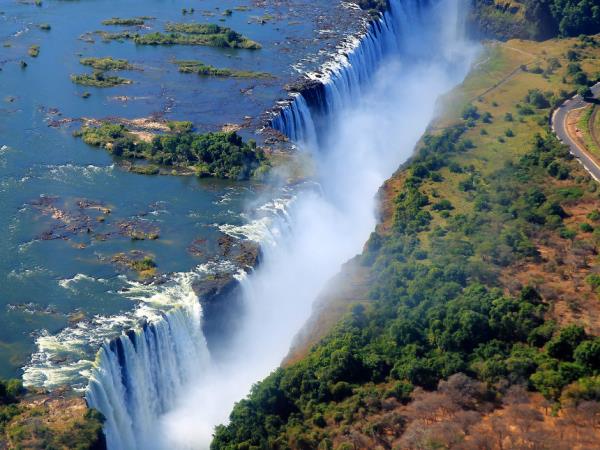
Matobo packs all this into a relatively small area, found just south of Zimbabwe’s second largest city: Bulawayo. Victoria Falls and the massive Hwange National Park aren’t far away. It means Matobo can be part of a Zimbabwe adventure that doesn’t require internal flights to get around.

Historically, the park’s water and vegetation meant plenty of wildlife, but human activity reduced the numbers through the years, and the economic turmoil in Zimbabwe in the 2000s caused further damage to wildlife populations across the country. The country’s wildlife is in recovery – and tourism is increasing alongside it.

“Matobo is brilliant in combination with other parks as it’s not really a ‘Big Five’ park.” Simon Mills, from our partner Native Escapes, explains why Matobo is worth a visit for the increasing number of tourists interested in Zimbabwe; “There’s lots more history and culture – it gives a really varied experience. Lots of itineraries start there and gently ease people into safari without predators [leopards are rarely seen, and there are no lions] and then take them up to Hwange.” Hwange doesn’t have any rhino, so visit Matobo first to see them – and in spectacular fashion, too.

Contact Us

Responsible Travel, Travel Team

Call us for a chat about our vacations. We are happy to discuss your vacation and help in any way we can. No bots, queues or awful hold music.

Responsible Travel, Travel Team

Tracking rhinos in Matobo National Park

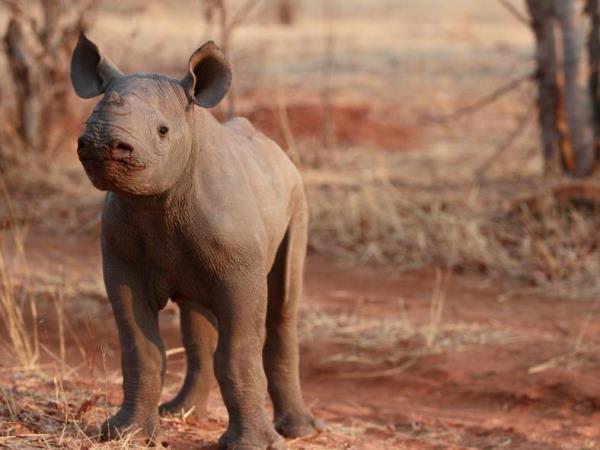
It’s crazy how close you can get to a rhino, and you can only really do so here. Thanks to the shepherding of their rangers, the rhinos in Matobo aren’t living in fear, and you’ll notice that they aren’t skittish when you observe them, even at close quarters.

“They don’t feel threatened – they’re nice calm rhinos,” says Simon. “When we were there [Simon was in the park earlier this year] the guides were in touch with the rangers and knew roughly where they were. When we got within 100 yards we jumped out of the vehicle and followed them on foot really carefully – which was incredible. The fact you’re on foot is really nice and you don’t get the buzz of the vehicle.” Instead, you might be treated to the sound of your guide making soothing noises towards the rhino. Then you’ll be so close that you can catch every flick of an ear and movement in the bush as the rhinos continue their unfazed grazing.

Tracking on foot is as successful as it is thanks to the cooperation between dedicated rangers – who have been known to sleep out in the bush in care of their charges – and highly qualified guides; Zimbabwe is renowned for them.

“Zimbabwe guides are some of the best in Africa,” says Simon. “Partly because of the level of training they have to go through; it’s longer than everywhere else. Their knowledge, their sense of what the animals are doing, is exceptional.” It’s the guides that will spot the first three toes-prints in the sand – and keep you safe when you eventually find who made them.

Whilst the park’s rock art is evidence that rhinos lived here in the past, the rhinos you see today have been introduced from other areas of Africa: white rhinos were moved here from South Africa in the 1960s; black rhinos from the Zambezi Valley were added in the 1990s. They are kept in an Intensive Protection Zone. Their horns have, for the most part, been removed to make them less appealing to poachers and they are watched over by rangers, drones and cameras, and protected by fences.

Poaching has decimated Africa’s rhino populations; at one point in the 20th century, the black rhino population had fallen by 98 percent. Rhino numbers have risen again thanks to intense conservation activities like these.

Other activities in Matobo National Park

If you stay a little longer in the park, you can spend time in the villages around its fringes, too. “You’ve got a lot of communities who live on the edge of the park,” says Simon. “So, a lot of lodges will do cultural experiences. When we were there, we did a cycle route, it was lovely – you get to see homesteads as you go.”

You can speak to people about life post-Mugabe – Zimbabwe’s economic situation means that many are unemployed and there’s a danger this will affect wildlife too if poaching increases.

Whether you’ve come for the rhinos, rock art, or the history of Rhodes – stay to hear more from the people around the park, too.

What are vacations in Matobo National Park like?

Matobo National Park can be accessed from the city of Bulawayo by a short drive. Our vacations tend to spend an average of two or three nights in the park, which gives you time to explore the historic and natural sights, plus contemporary life around the park.
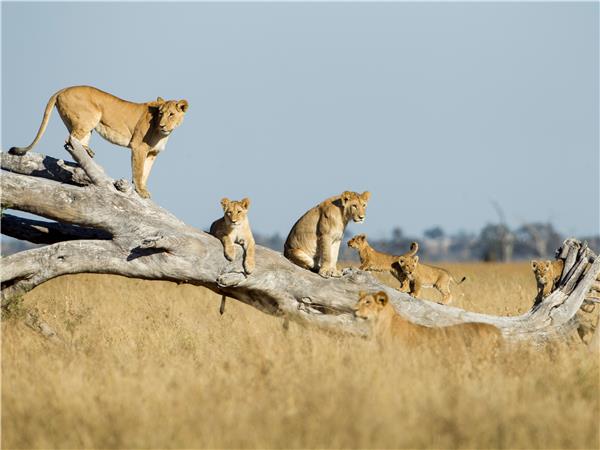
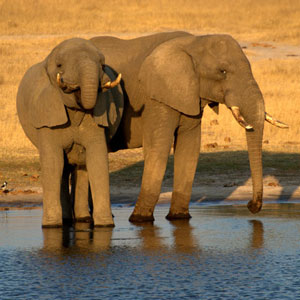
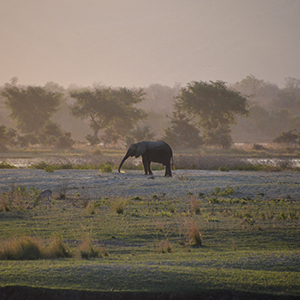
Don’t expect lions and elephants – this park has a mix of wildlife and cultural sights like rock art and is great for seeing rhino and raptors. Matobo is a good park for families – see our Zimbabwe family vacation for teenagers. “I’ve got a 15-year-old daughter and she loved it,” says Simon. “She’s been fortunate enough to have gone on safari vacations since she was five, but she was blown away by Zimbabwe.” The park is well-placed for onward exploration in Hwange and Victoria Falls. “Everyone wants to see Vic Falls,” says Simon, “and there are some really fun things to do there” – still, don’t wish away your time in lovely, quiet Matobo just yet.
Written by Eloise Barker
Photo credits: [Page banner: Katie Hunt] [Intro: Susan Adams] [Tracking rhinos: Susan Adams] [What are vacations like?: Katie Hunt]