Armenia walking and wine vacation
Price
£1495 excluding flights
Duration
8 Days
Type
Small group
More info
Price includes: Accommodation • transfers • guiding (We ONLY use LOCAL GUIDES) • meals as shown (B=Breakfast, L=Lunch, D=Dinner)• Maximum group size 12 people • ABTA and ATOL bonded • Single Supplement - £230

Description of Armenia walking and wine vacation
Map

Price information
£1495 excluding flights
Price includes: Accommodation • transfers • guiding (We ONLY use LOCAL GUIDES) • meals as shown (B=Breakfast, L=Lunch, D=Dinner)• Maximum group size 12 people • ABTA and ATOL bonded • Single Supplement - £230
Check dates, prices & availability

Travel guides

With its expert advice, our guide will prove far more useful than anything you’ll hear on the grapevine.
Be part of a pack on your next outing. These small group walks promise fun and friendship on the trail.
Vacation information
Diet:
We can cater for vegetarians on this vacation. Sadly we cannot offer vegan food.
Responsible Travel
As the pioneers of responsible tourism, we've screened this (and every) vacation so that you can travel knowing we've worked to maximise the benefits of your vacation to local people and places, and minimise any negative impacts.
Planet
CARBON REDUCTIONThis itinerary avoids internal flights entirely, with all travel undertaken by road. Distances are planned logically to minimise unnecessary backtracking, reducing fuel use while allowing travelers to experience rural regions, national parks, and wine producing areas that would otherwise require short haul flights.
Shared transport is used throughout the journey, with all guests traveling together in a single vehicle rather than multiple cars. This significantly reduces carbon emissions per person and is particularly effective on longer driving days between Yerevan, Vayots Dzor, Dilijan, and Lake Sevan.
Human powered transport is a key element of the tour, with guided walks and hikes included on several days. These include the Azat River Gorge walk at Garni, the hike to Amberd Fortress, the Amaghu to Noravank walk, and forest hikes in Dilijan National Park. In total, walking activities take place on at least four days, all with minimal environmental impact.
Accommodation throughout the trip is locally owned and generally small scale, with relatively low energy demand. Properties such as the Tufenkian Historic Hotel group emphasise heritage restoration and adaptive reuse of traditional buildings, which reduces the need for new construction and energy intensive infrastructure.
Meals are largely prepared using local and seasonal ingredients, particularly during village lunches, winery visits, and rural stops. Vegetarian options are available throughout the itinerary with advance notice, and meals are typically freshly prepared in small kitchens, helping to limit food waste.
Travelers are advised before departure on practical ways to reduce their carbon footprint, including packing lightly, using refillable water bottles, minimising single use plastics, and using tools such as Google Flights or Skyscanner to compare emissions when booking international flights independently.
ENVIRONMENT AND WILDLIFE
Accommodation partners are selected for their low impact practices and sensitivity to Armenia’s natural and cultural landscapes. Many properties use traditional stone construction, natural ventilation, and water saving measures, particularly in rural and mountain regions where resources are limited. Waste reduction and recycling are increasingly common, especially in Yerevan and Dilijan.
The itinerary includes visits to protected and environmentally significant areas, most notably Dilijan National Park. Entrance fees and the use of local guides support conservation efforts and park management, helping to protect forest ecosystems, wildlife habitats, and walking trails used by both visitors and local communities.
Expert local guides accompany the group throughout the tour. These guides are Armenian nationals with strong knowledge of local geography, history, flora, and fauna. In natural areas such as Dilijan National Park and the Azat River Gorge, guides ensure that walking routes follow established paths and that sensitive environments are respected.
Travelers receive guidance on reducing their impact on nature, including staying on marked trails, avoiding disturbance to wildlife, conserving water, and respecting natural and cultural heritage sites. Particular emphasis is placed on protecting fragile gorge environments, forest ecosystems, and archaeological areas.
No captive wildlife experiences are included in this itinerary. Encounters with nature are limited to wild landscapes such as gorges, forests, lakes, and mountain areas, ensuring that wildlife is observed responsibly and without exploitation.
Invasive species are not a major tourism driven concern in Armenia, however travelers are advised to clean footwear between hiking areas, particularly when moving between regions such as Vayots Dzor and Dilijan National Park, to reduce the accidental spread of seeds or organic material.
People
LOCAL ECONOMYAll accommodation used on this itinerary is locally owned and independently operated, with no international hotel chains included. Properties such as the Tufenkian Historic Hotel in Yerevan and Dilijan are notable for their role in restoring historic Armenian buildings and reinvesting in local craftsmanship and heritage conservation. Rural hotels and guesthouses used outside the capital are small scale businesses that keep accommodation spend within local communities.
The itinerary actively maximises local economic benefit through the use of Armenian guides, drivers, winery staff, and specialist hosts throughout the journey. Local economic opportunities are further supported through village visits and hands on experiences, including a lavash baking masterclass in Garni, visits to family run and boutique wineries such as Van Ardi, Old Bridge, Momik Family Winery, Trinity Winery, and Hovaz Wine Rooms, and time spent at Vernissage, Yerevan’s open air craft market, where travelers can purchase directly from local artisans.
EMPLOYMENT, INCLUSIVITY AND DIVERSITY
Close to 100 percent of the people employed in delivering this tour are Armenian nationals, including guides, drivers, hotel staff, winery teams, and local coordinators. Many are drawn from communities along the route, particularly in Vayots Dzor, Dilijan, and rural wine producing areas, ensuring that tourism income is spread beyond the capital.
The itinerary creates income generating opportunities for groups that are often underrepresented or economically marginalised. Family run wineries and rural guesthouses provide employment for local women in hospitality, food preparation, and wine production, while craft sellers at Vernissage and village based experiences such as the lavash baking workshop directly support small scale, household level livelihoods.
All local operating partners are expected to comply with Armenian labour laws and to pay staff at or above the national minimum wage. Employment is based on skills and experience, with repeat work prioritised to provide greater income stability in regions where tourism is seasonal.
Our operating partners follow an equal opportunity approach to employment, with roles assigned without discrimination based on race, gender, nationality, or other personal characteristics. Armenia is generally welcoming to visitors, and while the tour is operated in a professional and respectful manner, it is not specifically marketed as LGBTQ+ friendly. Discretion is advised in line with local cultural norms.
This itinerary is not suitable for travelers with limited mobility, significant vision or hearing impairments, or cognitive issues. It includes multiple hikes on uneven terrain, long walking days, steps at historical sites, and limited accessibility infrastructure in rural areas.
Popular similar vacations
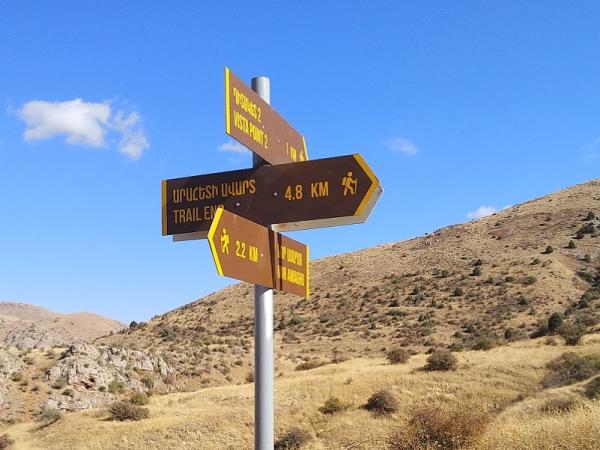
Transcaucasian trail walking vacation in Armenia
From €1540 10 days excluding flights
Discover beauty and tranquillity in the Armenian highlands
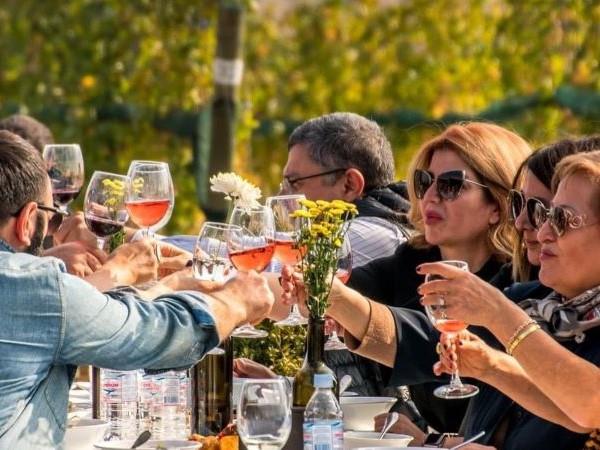
Armenia wine tour
From €1975 9 days excluding flights
A luxurious wine journey through Armenia’s vineyards
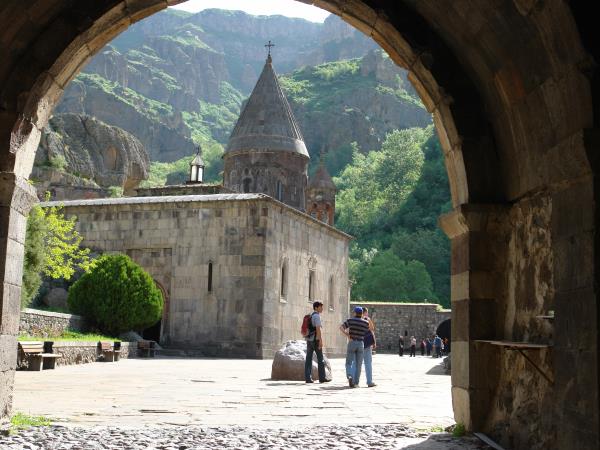
Armenia vacation, Ancient Armenia
From £1539 7 days excluding flights
The best of Armenia from stunning churches to local culture