Ladakh twin peaks trek in India
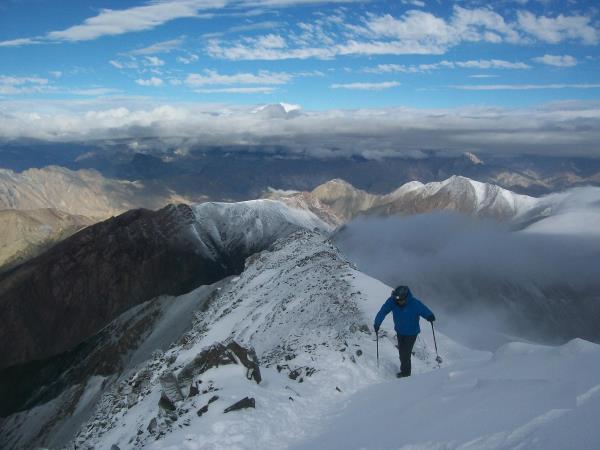
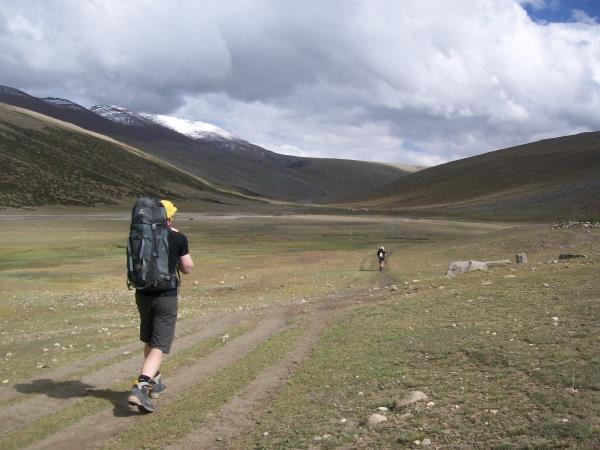
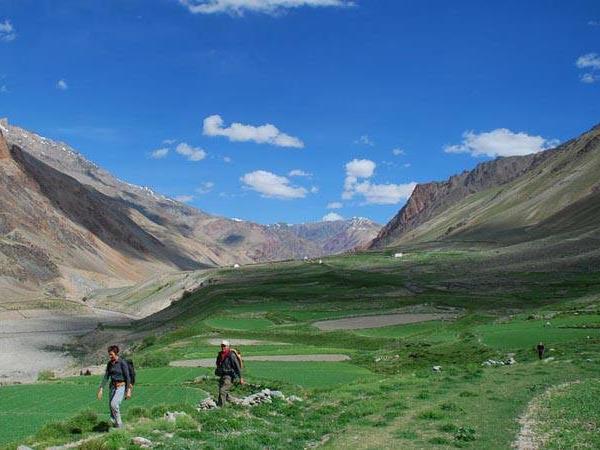
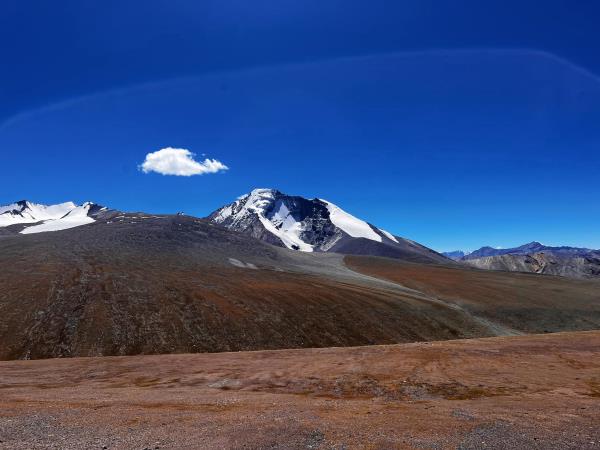
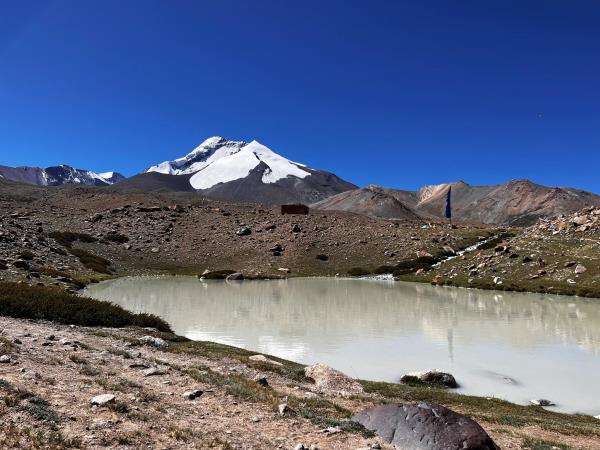
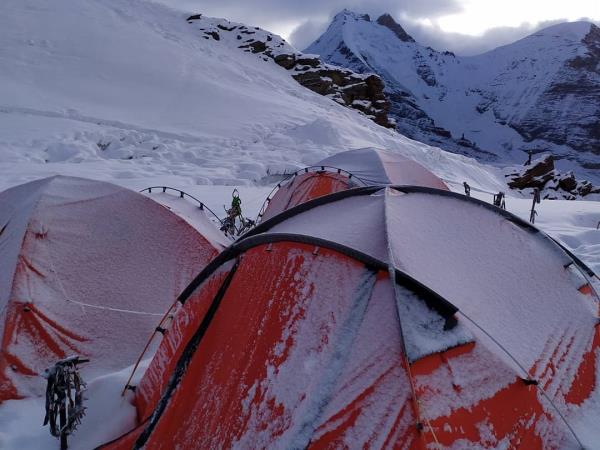
Take on the Ladakh twin peaks trek. This incredibly adventurous hike goes to some challenging altitudes and summits two peaks in Ladakh, yet doesn’t require mountaineering skills.
Leh Indus Valley tour Hemis National Park 14 days of trekking, taking in two peaks, Kangyaze, and Dzo Jongo Maximum altitude over 6,000m Fully supported trek Camping
Price
€1800To€2500 excluding flights
Duration
7 Days
Type
Tailor made
More info
Price includes: private car, all necessary permits, climbing guide, cook, food, horses, helpers, camping fee, tents, rope, ice axes, crampons, mattresses, first aid kits

Description of Ladakh twin peaks trek in India
Price information
€1800To€2500 excluding flights
Price includes: private car, all necessary permits, climbing guide, cook, food, horses, helpers, camping fee, tents, rope, ice axes, crampons, mattresses, first aid kits
Departure information
This trip can be tailor made throughout the year to suit your requirements
Travel guides
Featuring all different vacation types, walking levels and beauty levels...
Ladakh is a remote, Himalayan region, in the Indian state of Jammu and Kashmir, and home to the elusive snow leopard.
Responsible Travel
As the pioneers of responsible tourism, we've screened this (and every) vacation so that you can travel knowing we've worked to maximise the benefits of your vacation to local people and places, and minimise any negative impacts.
Planet
Ladakh has a fragile environment with endangered flora and fauna. We encourage our travelers not to disturb the wildlife and birds, discouraging close photography, and discouraging guests from feeding marmots and other wildlife. We give proper briefings to our travelers before they undertake any of our outdoor activities.We follow the concept of Leave No Trace. We produce cloth and straw bags for shopping, which we can re-use, and we use big clothes bags for trekking so that we can bring any rubbish back with us. We keep packaged items to a minimum.
Whilst trekking we use solar panel for electricity and for charging camera batteries.
Whilst trekking we discourage travelers from washing clothes or bathing in the stream and water canals up above the farm villages. We also discourage the use shampoo and detergent in the stream water.
We encourage our guests to be economical with water, as many of our villages are facing severe water crises.
We have promised to reduce carbon emissions. Our crew don’t burn rubbish on trekking expeditions. Our office runs off solar and we don’t use other heating sources to avoid smoke and ensure we provide safe energy. We use public transport and our staffs use bicycles to get around.
People
We buy vegetables, fruits and oil from the local farmers; these produce are organic and buying them directly benefits the local farmers.We encourage guests to buy local products from the women self-help groups that are based in different villages. These groups produce woollen hats, socks, gloves, sweaters, and shawls. Buying from these skilled women generates income for their families and keeps traditional weaving and knitting alive.
We organise a special clean-up trek once in a year, normally at the end of the trekking season, to bring awareness and to collect rubbish from along the trekking routes.
All our employees are local, and they are the pride of our company. We offer a fair deal and a handsome salary package to our employees. In return they have helped us become one the best operators in the region.
We work with some remote schools. Recently we have installed solar water heaters in two residential schools.
While visiting local villages, homestays, monasteries we give our clients a proper briefing and encourage our clients to respect the local cultures. We also give notes of Do and Don’ts for our clients for when they enter conservative host communities.
Popular similar vacations
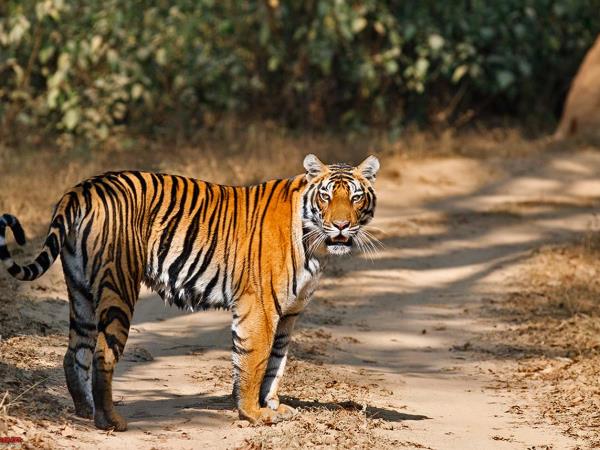
Golden Triangle with Ranthambore tour, India
From £1424 - £1570 10 days excluding flights
India´s best experiences including the Taj Mahal & Tigers
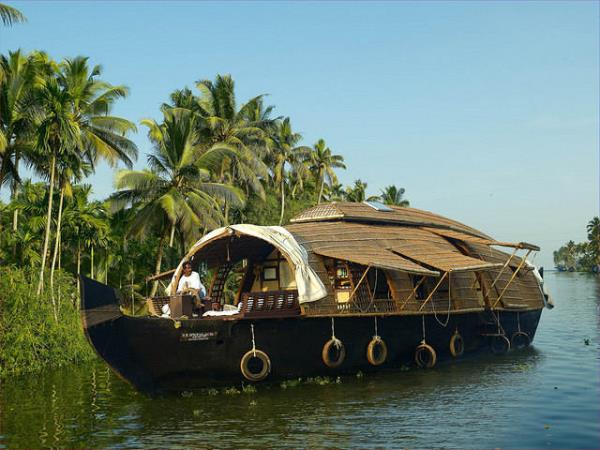
Kerala tailor made vacation, 11 days
From £1285 - £1602 11 days excluding flights
Revitalize in Kerala - A most wonderful and balanced trip
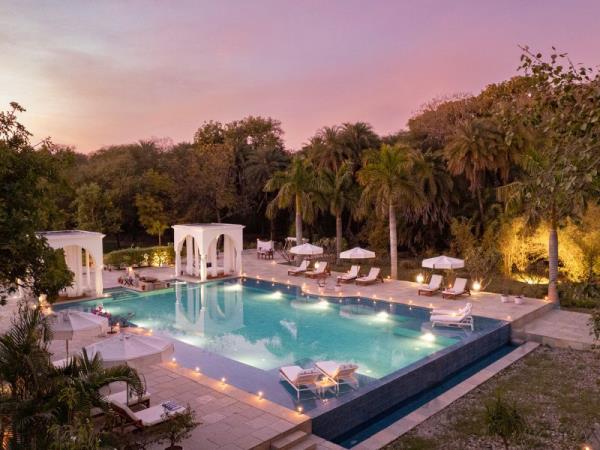
Rajasthan luxury private tour, regal residences
From US $8450 - US $10270 16 days excluding flights
Luxury vacation to India staying in heritage properties