West Papua wildlife vacation
Price
£8895 including domestic flights only
Duration
17 Days
Type
Small group
More info
Price based on 1pax joining group tour in 2026.
Inc.
all meals & transfers, local guides & driver.
Permits, wildlife watching activities & internal flights; exc.
flights, visa, tips.
Contact for price for different group sizes.
Min Age: 18 Years Old.
Inc.
all meals & transfers, local guides & driver.
Permits, wildlife watching activities & internal flights; exc.
flights, visa, tips.
Contact for price for different group sizes.
Min Age: 18 Years Old.

Description of West Papua wildlife vacation
Price information
£8895 including domestic flights only
Price based on 1pax joining group tour in 2026.
Inc.
all meals & transfers, local guides & driver.
Permits, wildlife watching activities & internal flights; exc.
flights, visa, tips.
Contact for price for different group sizes.
Min Age: 18 Years Old.
Inc.
all meals & transfers, local guides & driver.
Permits, wildlife watching activities & internal flights; exc.
flights, visa, tips.
Contact for price for different group sizes.
Min Age: 18 Years Old.
Check dates, prices & availability

Travel guides
Our Indonesia travel guide aims to point responsible travelers in the right direction when it comes to what we rate & what we don’t.
This unusual vacations guide steers clear of trends as it leads you on the path to eclectic adventures.
Vacation information
Dietary requirements:
We can cater for vegetarian and vegan diets.
Responsible Travel
As the pioneers of responsible tourism, we've screened this (and every) vacation so that you can travel knowing we've worked to maximise the benefits of your vacation to local people and places, and minimise any negative impacts.
Planet
In Indonesia we (as with everywhere we go) we carefully choose accommodation, suppliers and transportation that either minimises their effect on the environment or that help to contribute to its sustainable development. By choosing small, privately owned accommodation where possible we also look to only stay in truly eco-lodges that abide by basic and also pioneering methods of ecological sustainability.CARBON REDUCTION
On this trip we stay in some very small locally run guesthouses, almost homestays in some villages. We do not bring bottled water in, instead we boil water from the forest and therefore minimise our plastic usage on this trip. All of our waste refuse is taken back out of the forests to the town (whether that be Manokwari or Sorong) to be recycled. Nothing is left in the forests.
In fact the two main accommodation used on this trip are both the epitome of ecotourism, both homestays only exist for people coming to see the wildlife that lives in the forests nearby. These are in the remote villages of Gunung Mupi and Klailik.
Along with the water all being provided by the springs nearby, all the power for these homestays is provided by solar power. So we are as close to net zero as we can be in the middle of the forests here.
Food is locally sourced where possible and vegetarian meals can be provided. In fact vegetarian food is easiest to provide as meat is a rare luxury up the mountain in Gunung Mupi.
ENVIRONMENT AND WILDLIFE
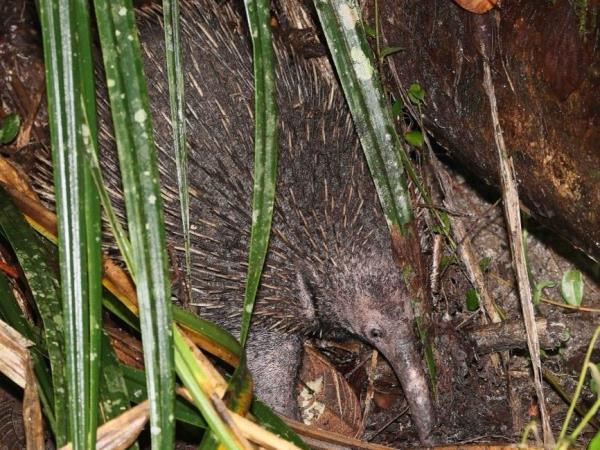
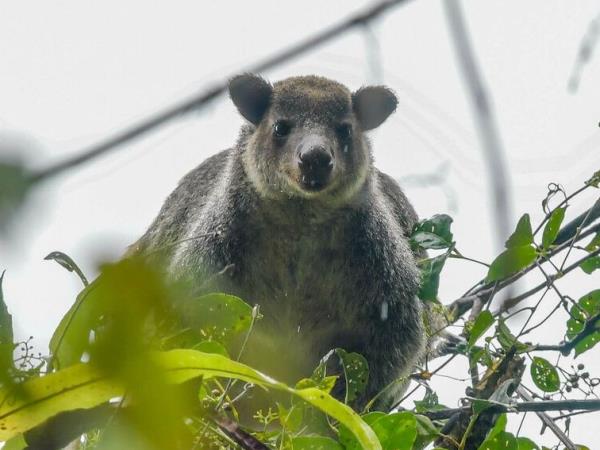
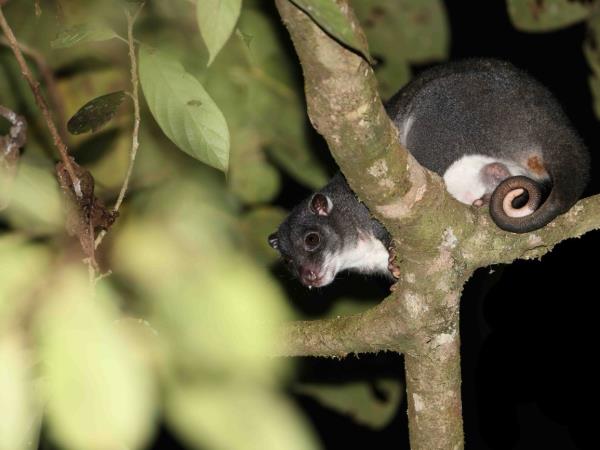
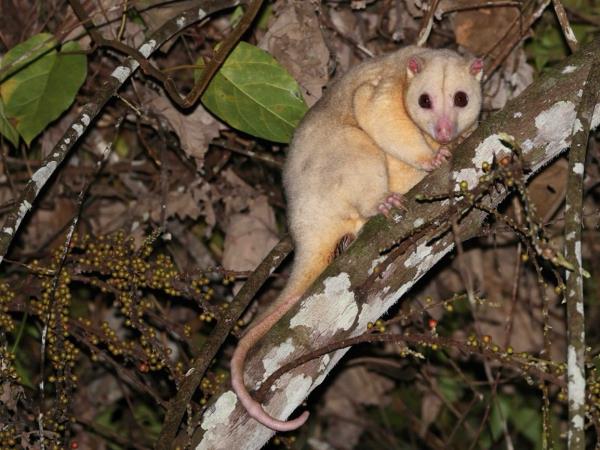
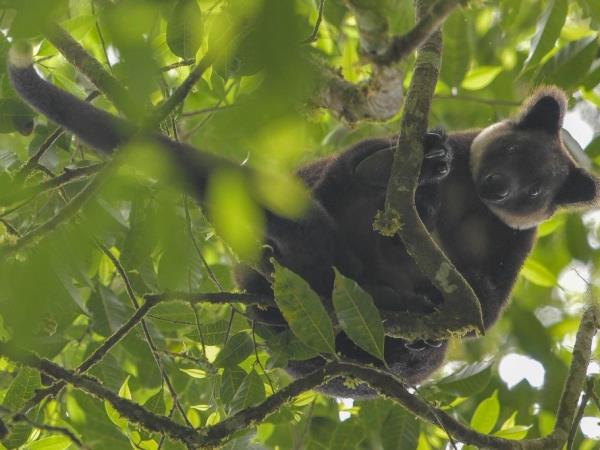
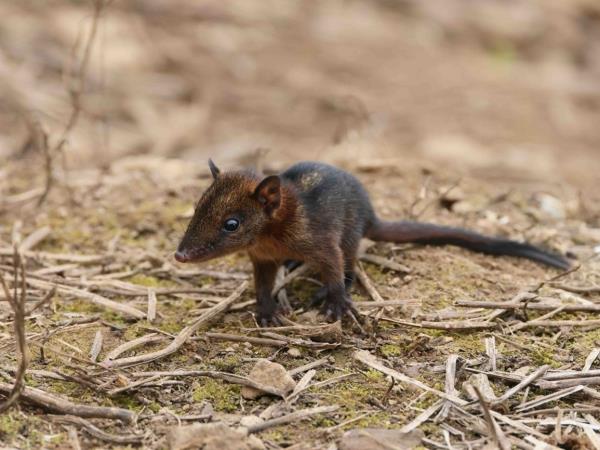
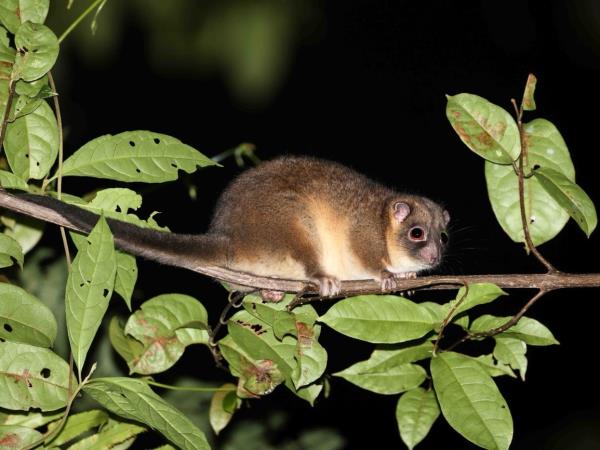
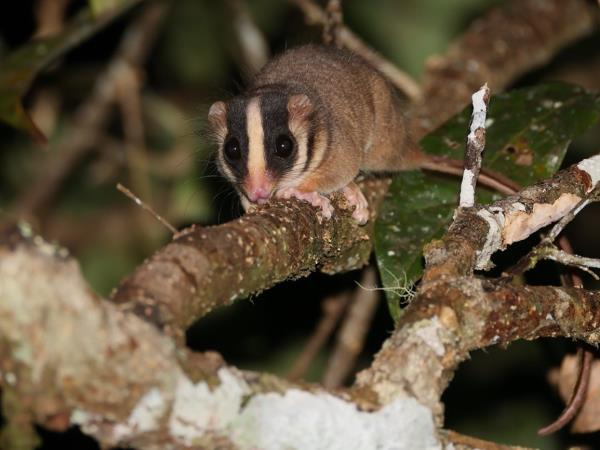
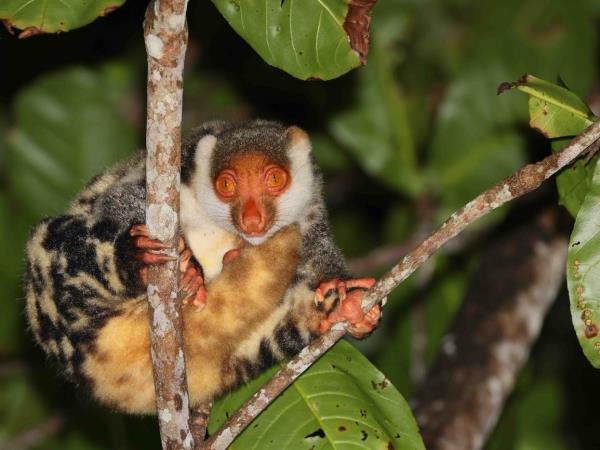
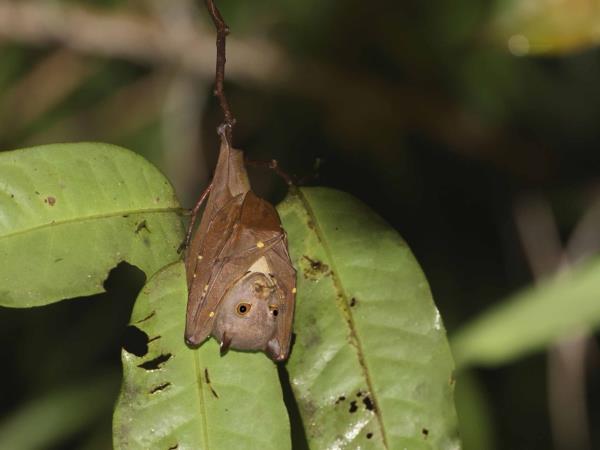
In Gunung Mupi the accommodation is mostly used for bird watching as there are several bird of paradise hides set up around the village but in recent years the local people have started to look for and find rare mammal species. This is integral to the wildlife's survival as many of the the species which we look for were once key food species for the local people and with the revenue coming from tourists coming to look for these animals the poaching and hunting has completely stopped around the village.
By bringing people here with a professional naturalist as well as professional local guides we aim to showcase the environment in full but also to allow you to learn about the problems facing the ecosystems here and highlight the ways that continued development and human exploitation are affect the species and how cutting edge research is countering the problems as well as showing you examples of success stories.
We also keep a record of all the great sightings we see on each tour and record the environmental factors, this data is used by ourselves but also given to the researchers who are working on many of these species. All the information collected in invaluable as the knowledge of some of the animals that live here are little understood. We also donate our pictures to the researchers to aid in their photo identification studies.
Some of these species we target are among the most critically endangered species in the world and we are at the forefront of establishing eco tourism here, by implementing sustainable camping and helping to educate the local guides to the best practises we are confident of developing long term ecotourism which benefits the wildlife and local people as much as anything else.
We also contribute and participate in as many studies that the local researchers and scientists are conducting as possible, on this trip any and all information we can collect about some of these rare and endemic species is valuable for their ongoing research and conservation.
People
LOCAL ECONOMYAs with any of our tours throughout Asia or elsewhere in the world we always employ local guides and drivers. This trip employs a good number of porters to carry our camping equipment and food to and from the forest as well as hiring local naturalists and rangers from the national park. They have a much better local knowledge and also helps to bring in revenue sources to the local community.
Our tour leader is a foreigner as there is very limited knowledge of the rare mammals in the country and so we have to bring our own guide for the interpretation of what we are finding. However all of the trackers are locals and without their help we would not be able to find the majority of our target species. When we go out into the forest it is a real team effort with the whole village going into the forest to look for wildlife, the local teams have a very good system of calls to communicate what they have found and where it is, we (the tourists) are then brought straight to where the locals have found the wildlife.
This way the whole local community is hired to look for wildlife and everyone shares in the financial rewards. As is normal in Papuan culture the village elder is given the money for helping us and it is divided up among the whole community, this is a great way of making sure that everyone (including people who we do not always see working or helping) receive their fare share.
All of the accommodation that we stay in make sure that all our resources such as food, drink and equipment is locally sourced we will purchase all of our food for camping locally and using the local markets as much as possible. We also try and make sure that all the local guides that we hire and who work for the camps and guesthouses that we visit are from the local area.
We think that by employing local guides we have encouraging a future generation to follow this career. Many of the accommodations that we use are involved in community based projects and schools in particular.
Many of the projects that are funded by people staying here are geared towards helping children in townships get better education and enhance their career opportunities in the future. We also encourage the purchasing of local handicrafts which are all created in a sustainable way and provide great unique souvenirs.
EMPLOYMENT, INCLUSIVITY & DIVERSITY
Nearly all of the people employed as part of this trip are from West Papua and are of Papuan ethnicity (with the exception of our tour leader) and many of the drivers we employ are from the local communities we are visiting for wildlife which in this case are indigenous Papuan people. We work hard to provide a genuine pathway from driver to guide, by helping educate English speaking as well as providing coaching and informal training on guiding techniques. We also donate equipment which can help in this progression in the form of binoculars, field guide books and torches.
This trip, like all of our trips, is LGBTQ+ friendly.
There is some very hard hiking involved in this trip and as a result it is not wheelchair friendly.
Popular similar vacations
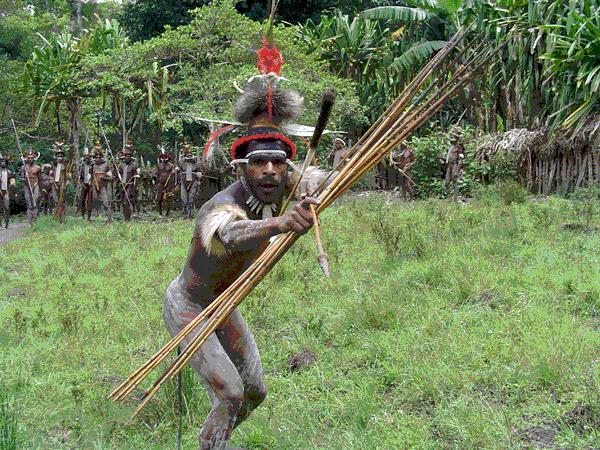
West Papua tour, small group
From £6199 - £6499 13 days excluding flights
A thrilling cultural expedition like no other
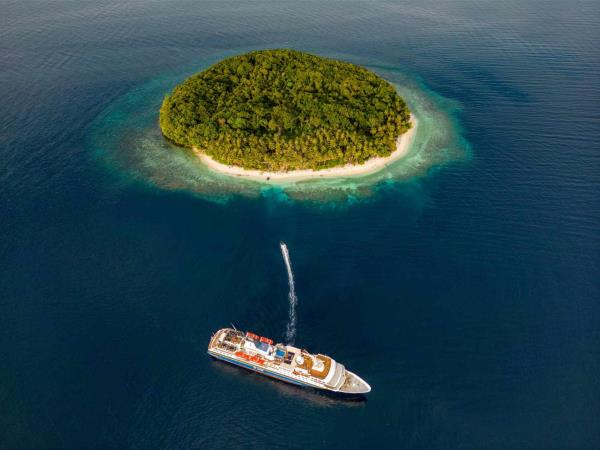
Indonesia cruises
From US $15100 18 days excluding flights
Explore Bali, Raja Ampat & Papua New Guinea