Ethiopia coffee and wildlife tour
Price
US $1560 including domestic flights only
Duration
4 Days
Type
Tailor made
More info
Domestic flight based on discount holding ET international flight.
Price per person based on group of 2.
Price per person based on group of 2.

Description of Ethiopia coffee and wildlife tour
Price information
US $1560 including domestic flights only
Domestic flight based on discount holding ET international flight.
Price per person based on group of 2.
Price per person based on group of 2.
Departure information
This trip can be tailor made throughout the year to suit your requirements
Travel guides
Our travel guide reveals a destination where you can step back seven years and explore with local guides.
The perfect introduction to getting your head around the extraordinary life on earth, and where to go to find it.
Responsible Travel
As the pioneers of responsible tourism, we've screened this (and every) vacation so that you can travel knowing we've worked to maximise the benefits of your vacation to local people and places, and minimise any negative impacts.
Planet
CARBON REDUCTIONWe travel slowly through the south-west region of Kefa, staying in privately owned Ethiopian accommodation and eating in local restaurants and roadside cafés.
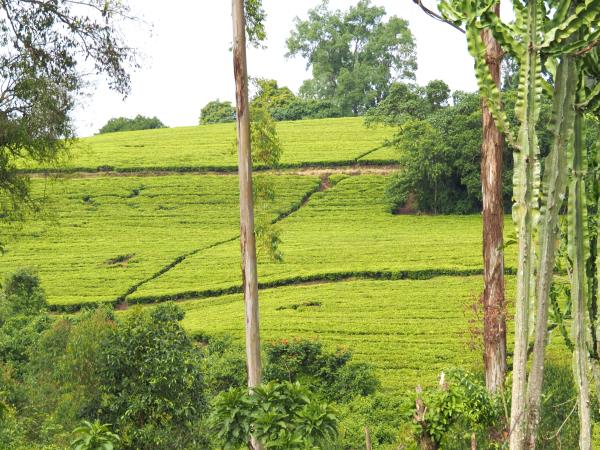
For guests who want to cut their carbon, we offer a fully overland version that removes both internal flights. Our vehicle has to travel from Addis Ababa either way, so traveling in it rather than flying avoids the extra emissions of the flights altogether. Day one is a drive to Jimma for the night. The next morning we reach Dahab coffee farm for a full day of coffee experiences and camp on the farm. We then continue to Bonga for the Wushwush tea plantations, Barta Falls and the coffee museum, and follow the main itinerary to Chebera Churchura. The return is by road via Jimma, or guests with more time can loop back through Halala Kella Lodge and Hosiana, breaking the journey in the Gurage Highlands or at Lake Langano.
Instead of buying single-use plastic bottles, we carry large reusable flagons of filtered drinking water, and the flagons themselves are reused.
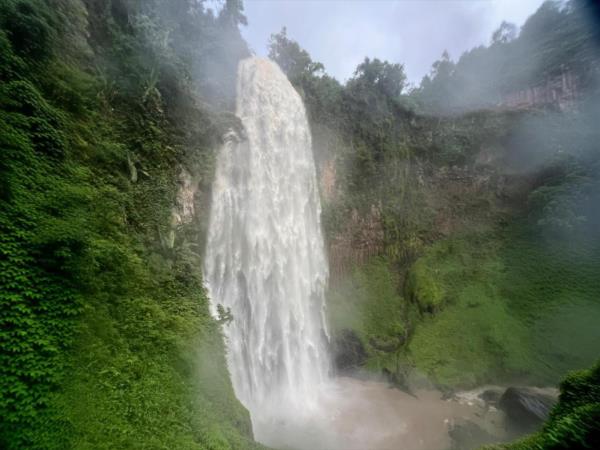
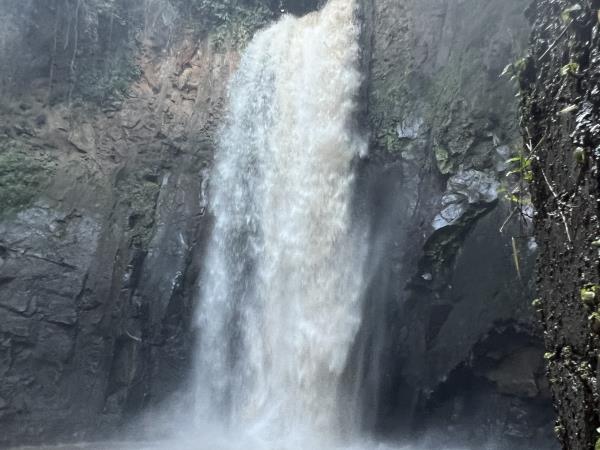
Short walks feature on three days: to Barta Falls, through the shaded forest at Dahab coffee farm, and down the stepped path to "God's bridge".
Vegetarian and vegan food is easy every day. Ethiopian Orthodox fasting food (shiro, lentils, greens and other vegetable dishes) is fully vegan and widely available, even in small local restaurants. Much of what we eat on the road is locally grown and seasonal, and lunch at Dahab is a local meal prepared on the farm.
ENVIRONMENT AND WILDLIFE
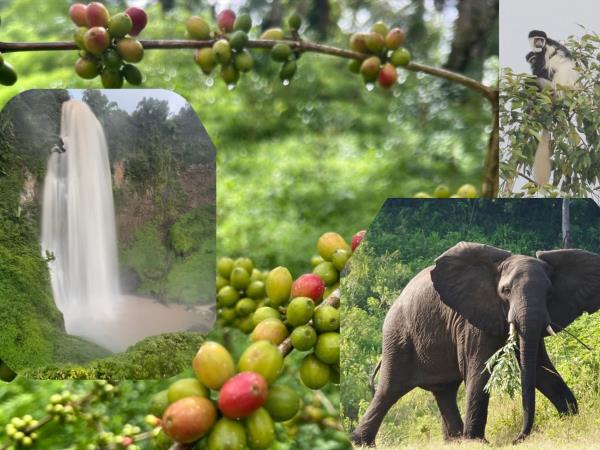
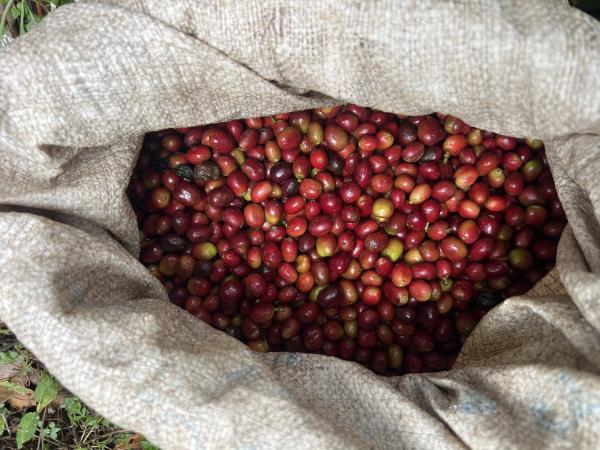
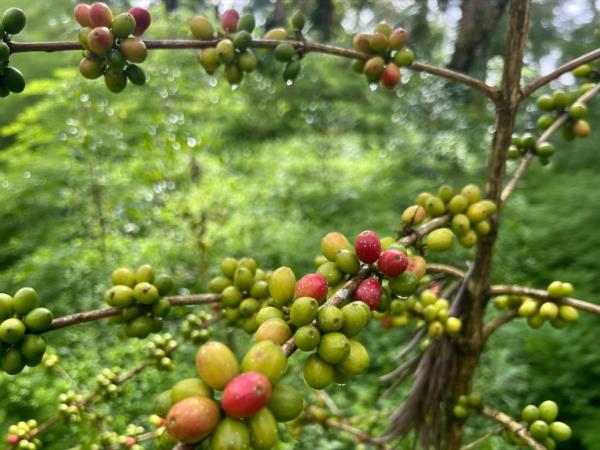
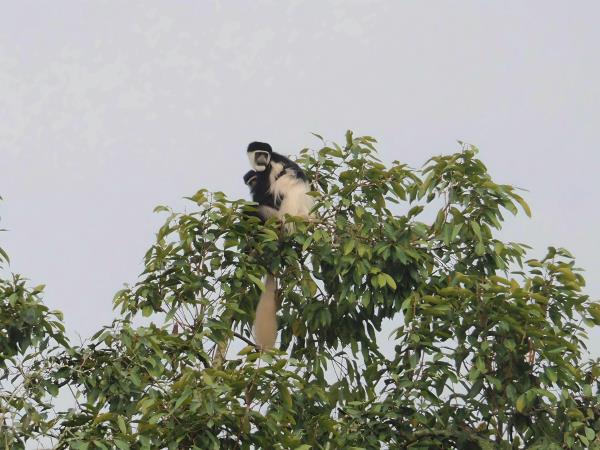
Dahab Speciality Coffee uses no pesticides or chemical fertilisers. It follows permaculture principles, planting herbs and other trees among the coffee to improve yields and reduce pests, and making its own compost to fertilise the coffee trees. Fruit trees are planted so the monkeys have plenty to eat. The coffee grows under the canopy of large forest trees, so the farm keeps a vast tract of forest standing. By bringing guests here, we hope they learn about organic and permaculture farming, and that the farm's brand benefits from its eco-farming methods, which encourages Dahab and others to continue.
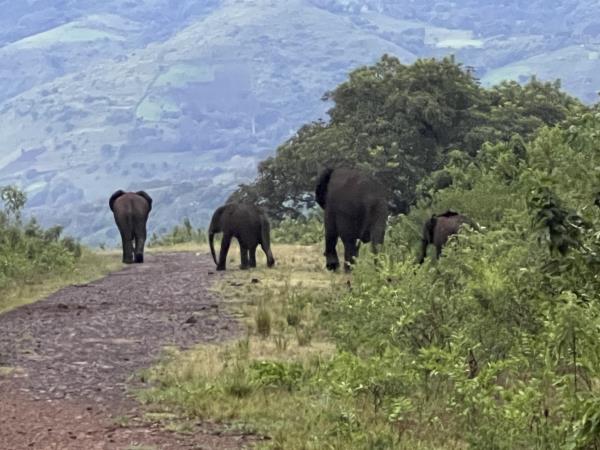
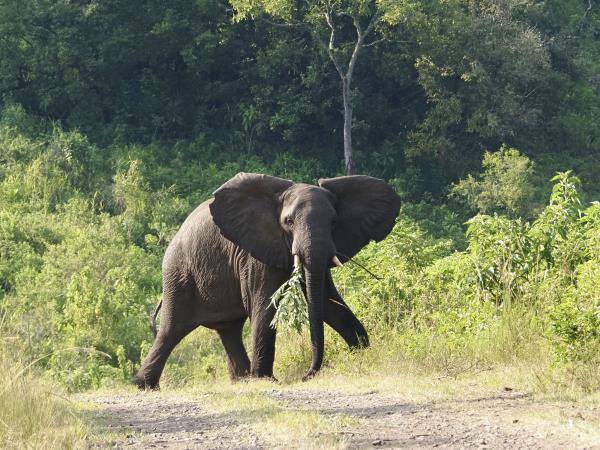
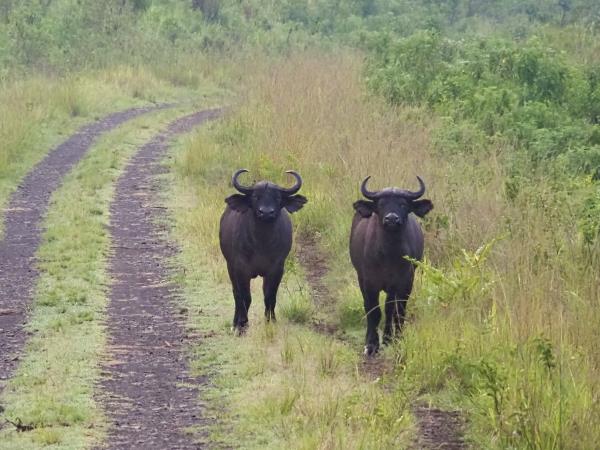
Entry to Chebera Churchura National Park is included. Game drives are led by a scout and driver team. The scouts are employed from local communities and trained in conservation and scouting. They have built understanding of and support for conservation in the surrounding villages, which has been vital to the elephants' recovery from around 85 in 2005 to an estimated 750 by 2021.
We stay at Chebera Safari Lodge, the park's small, owner-run eco-lodge. It was built into the existing landscape, keeping the trees and natural vegetation, and keeps artificial lighting and electricity use to a minimum to avoid disturbing wildlife. Wildlife moves through the lodge at night, and loud music is not allowed. The lodge actively supports the park's scouts, rangers and management, and welcomes researchers studying the park's biodiversity.
People
LOCAL ECONOMYWe run this tour at a local level, so spending reaches people along the route. All accommodation is provided by privately owned Ethiopian businesses, with no international chains. In Chebera Churchura National Park we stay at Chebera Safari Lodge, a small, independently owned lodge run by Million and Odile. The lodge buys food, building materials and supplies from local farmers and producers wherever possible, and all its profits are reinvested in Ethiopia. It supports neighbouring communities through education initiatives, emergency medical transport, improved access to water and local development projects. In Bonga we stay at Lewi Resort, part of an Ethiopian-owned group of lodges in towns across the south. Guests taking the overland option camp at Dahab coffee farm, another small Ethiopian-owned business. We stop for breakfast in Mizan, lunch in Felega Selam and coffee or tea at small roadside stalls, and encourage guests to eat in local restaurants. Small purchases like these matter to family businesses in towns that see few visitors.
EMPLOYMENT, INCLUSIVITY AND DIVERSITY
At Dahab coffee farm, your visit supports a model that works hand in hand with its neighbours. The farm employs around 60 permanent staff, over 60% of them women, rising to about 300 people in the picking season. Poorer families are allowed to come and pick coffee, nearby farmers receive seedlings and training, and some of that training focuses on empowering local women.
In Chebera Churchura National Park, the scouts who guide game drives are employed from the surrounding communities, giving local people skilled work in conservation. Chebera Safari Lodge also trains local people in hospitality, tourism and wildlife-related work.
Popular similar vacations
Ethiopia vacations, tailor made
From £3975 14 days excluding flights
Discover the natural beauty and culture of Ethiopia

Ethiopia tour, The Best of Ethiopia
From £4199 - £4749 18 days excluding flights
Vibrant tribal cultures and fascinating historic sites
Ethiopia vegan tour
From £2795 10 days excluding flights
Explore Ethiopia, a vegan nation, great vegan foods