Wild puma tracking vacation in Patagonia
Price
US $7299 excluding flights
Duration
11 Days
Countries
Argentina, Patagonia
Type
Tailor made
More info
Not Included:
Flights & airport taxes - both International & Domestic
Insurance (compulsory)
Transfers outside our group transfer timings
Visas
Drinks & Snacks
Tipping
Meals not referenced in the itinerary

Description of Wild puma tracking vacation in Patagonia
Map
Price information
US $7299 excluding flights
Not Included:
Flights & airport taxes - both International & Domestic
Insurance (compulsory)
Transfers outside our group transfer timings
Visas
Drinks & Snacks
Tipping
Meals not referenced in the itinerary
Departure information
This trip can be tailor made throughout the year to suit your requirements
Travel guides
Let us introduce you to what is perhaps the most romantic stretch of Latin America.
‘Take only photographs, leave only footprints’ is never truer than here.
Responsible Travel
As the pioneers of responsible tourism, we've screened this (and every) vacation so that you can travel knowing we've worked to maximise the benefits of your vacation to local people and places, and minimise any negative impacts.
Planet
CARBON REDUCTIONThis itinerary has been consciously designed to balance access to remote, wildlife-rich regions with practical steps to reduce overall carbon impact. While international travel to Argentina is unavoidable for most travelers, efforts are made within the destination to minimise unnecessary emissions and favour lower-impact modes of exploration wherever possible.
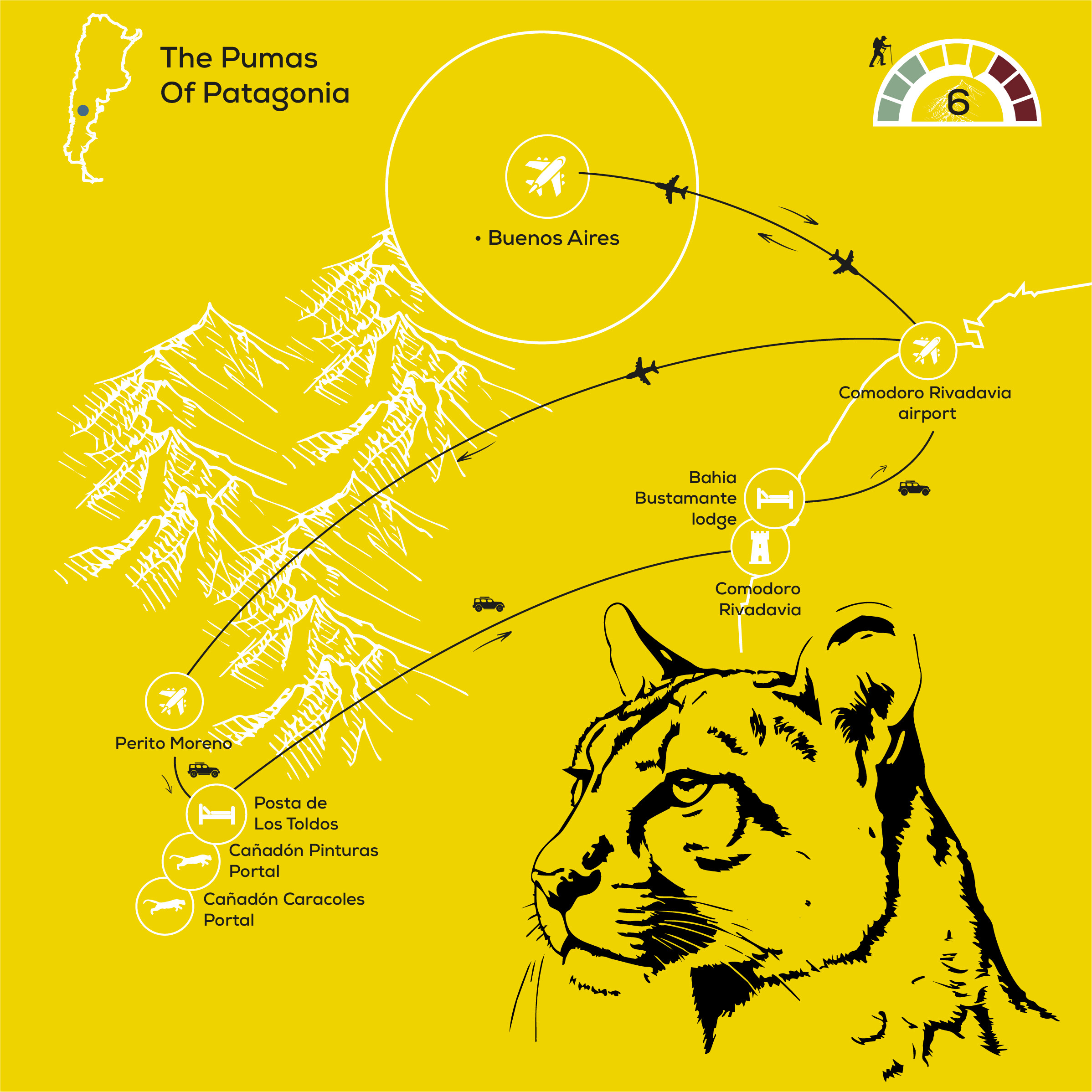
Internal flights are limited to a single return journey between Buenos Aires and Comodoro Rivadavia, avoiding multiple domestic connections and reducing the overall flight footprint of the trip. Once in Patagonia, the itinerary is structured to remain within a defined region rather than requiring additional flights or long-distance relocations, allowing for deeper exploration with fewer transport emissions.
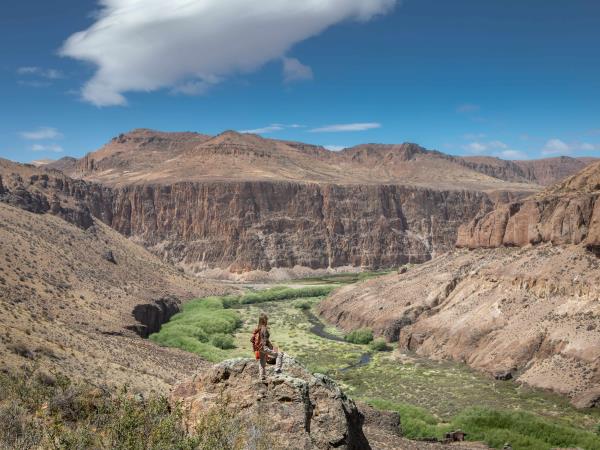
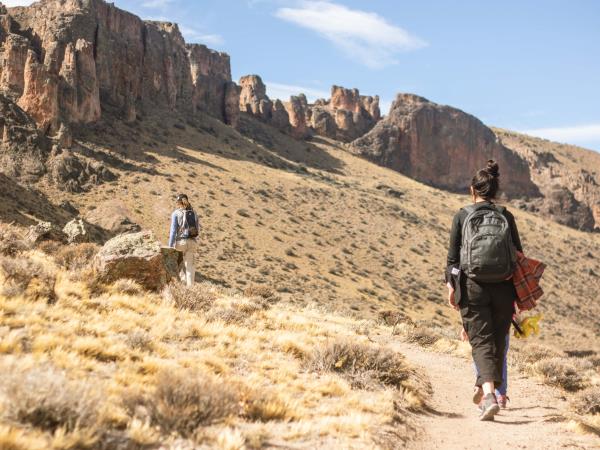
A significant portion of the experience is based on human-powered activity. Across the puma tracking programme, guests undertake daily hikes of 2-3 km, exploring on foot rather than by vehicle wherever terrain allows. This not only reduces emissions but enhances the quality of wildlife encounters, as quieter movement increases the chances of observing animals behaving naturally. Similarly, at Bahía Bustamante, bicycles are provided for local exploration, offering a low-impact way to experience the surrounding landscapes.
Where vehicle use is necessary, such as transfers and wildlife tracking support, transport is shared among the group, reducing per-person emissions. The use of experienced local drivers and guides also ensures routes are efficient and purposeful, avoiding unnecessary mileage.
Accommodation choices further support carbon reduction. Properties such as the remote lodge at Bahía Bustamante operate in isolated environments where resource use must be carefully managed. Energy consumption is controlled, and reliance on local supply chains reduces the need for long-distance transportation of goods. Meals are largely based on locally sourced ingredients, including regional produce and seafood. Vegetarian options are also available throughout the journey.
By combining limited internal flights, shared transport, human-powered exploration and locally grounded accommodation, this itinerary takes meaningful steps to reduce its operational carbon footprint while still allowing access to some of Patagonia’s most remote and rewarding landscapes.
ENVIRONMENT AND WILDLIFE
This journey is built around a deep respect for Patagonia’s ecosystems, with wildlife experiences designed to be low-impact, educational and supportive of long-term conservation goals.
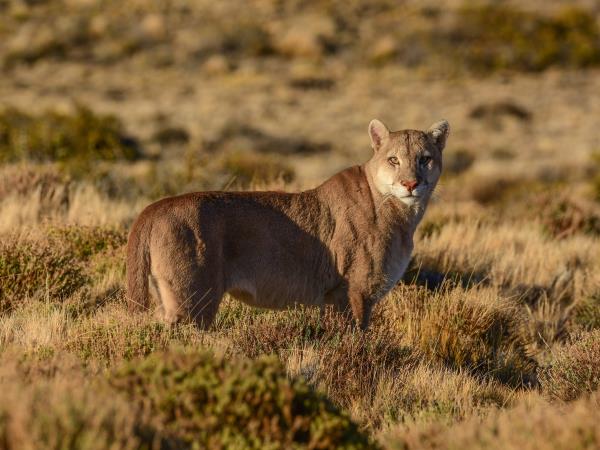
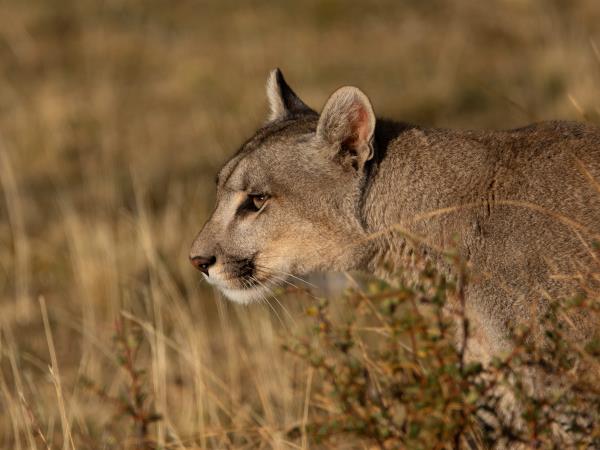
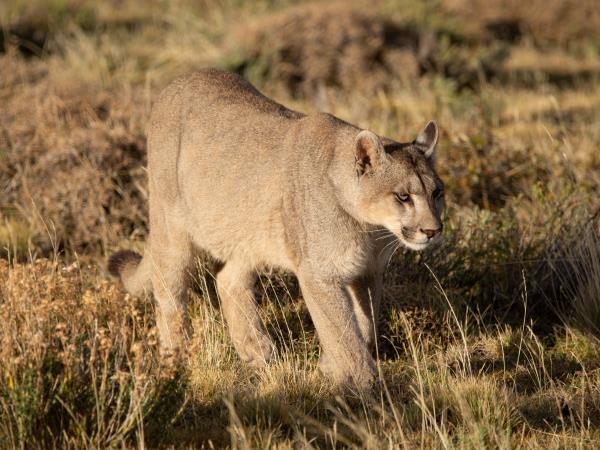
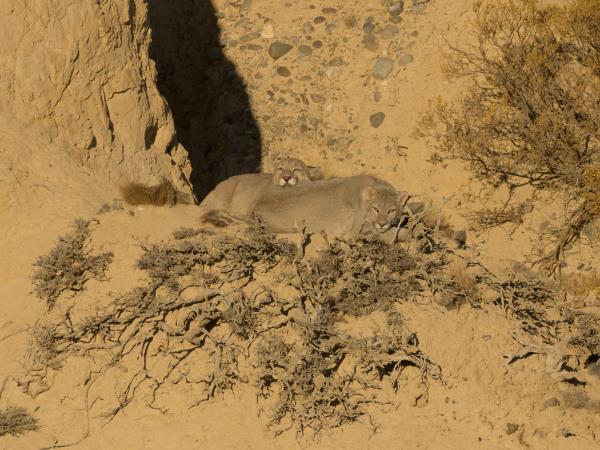
The puma tracking programme takes place in a region of Parque Patagonia known for its rich biodiversity, including large populations of guanaco, which are key to sustaining healthy predator populations. Tracking is conducted by experienced local specialists who prioritise animal welfare at all times. Strict guidelines are followed, including maintaining a minimum observation distance, typically around 70 metres, to ensure that pumas are not disturbed or influenced by human presence. The use of binoculars and long lenses reinforces this approach, allowing for meaningful encounters without intrusion.
Importantly, these tracking activities contribute to a broader conservation context. By creating value in live wildlife observation rather than land-intensive industries, tourism helps support the protection of habitats and species. The presence of trained guides also reduces the likelihood of irresponsible behaviour, ensuring that visitors engage with the environment in a controlled and respectful way.
Excursions to sites such as Cueva de las Manos are carefully managed to preserve both natural and cultural heritage. As a UNESCO-recognised archaeological site, visitor access is regulated, and guided visits help ensure that fragile rock art, dating back thousands of years, is protected for future generations.
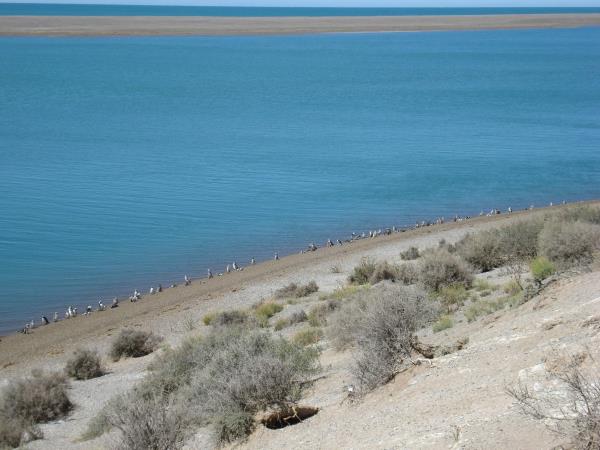
At Bahía Bustamante, conservation is woven into daily operations. The lodge sits within a private wildlife reserve that protects coastal and marine ecosystems, including significant populations of sea lions, penguins and bird species. Activities are designed to minimise disturbance, with small group sizes and guided visits that respect breeding areas and sensitive habitats.
Accommodation partners are selected with environmental responsibility in mind. In remote locations such as Patagonia, water conservation and waste reduction are essential, and lodges typically operate with systems in place to limit plastic use, manage recycling and reduce environmental impact.
Guides play a key role in shaping responsible behaviour. Throughout the trip, they provide practical guidance on minimising environmental impact, whether through staying on appropriate paths where required, avoiding wildlife disturbance, or understanding the ecological significance of the landscapes being explored.
By combining expert-led wildlife observation, carefully managed access to sensitive sites and partnerships with conservation-minded accommodations, this itinerary supports a model of tourism that aims to be protective of Patagonia’s natural heritage but actively contribute to its long-term preservation.
People
LOCAL ECONOMYThis itinerary is designed to ensure that the economic benefits of tourism remain within Argentina, particularly in remote regions where opportunities can be limited and seasonal.
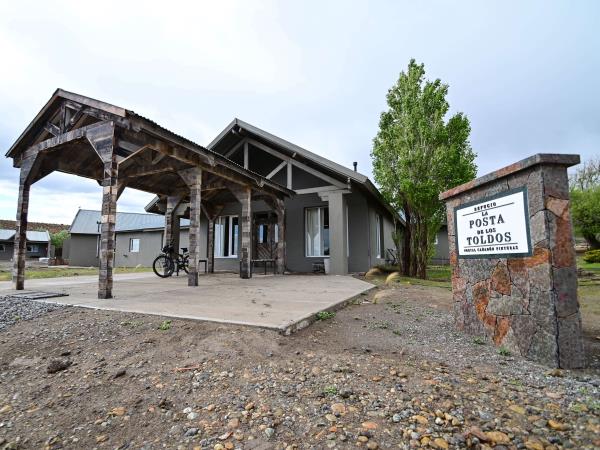
All accommodation used throughout the journey is locally owned or independently operated, rather than part of international hotel chains. In Patagonia, properties such as Refugio La Posta de Los Toldos and Bahía Bustamante lodge are deeply rooted in their local context. These accommodations not only provide employment but also support local supply chains, sourcing food, materials and services from nearby communities wherever possible.
The inclusion of Bahía Bustamante is particularly significant from an economic perspective. Originally established as a seaweed-harvesting settlement, the lodge has evolved into a conservation-focused tourism project that sustains livelihoods in an otherwise isolated coastal region. By staying here, travelers directly contribute to the preservation of both cultural heritage and local employment.
Local guides are central to the experience. From city experts in Buenos Aires to specialised puma trackers in Patagonia, the trip relies on in-depth local knowledge. These guides bring not only technical expertise but also personal insight into the landscapes, history and culture of their regions. Their involvement ensures that tourism revenue supports skilled employment and encourages the continuation of traditional knowledge and practices.
The itinerary also creates opportunities for smaller-scale economic activity. Visits to cultural and historical sites, as well as dining experiences centerd on regional cuisine, support local businesses, producers and artisans. The focus on authentic local experiences, rather than imported or standardised tourism products, means that spending is directed towards those who are most closely connected to the destination.
EMPLOYMENT, INCLUSIVITY AND DIVERSITY
This trip places a strong emphasis on working with local people at every stage, ensuring that those who live in and understand these regions are central to the travel experience.
The vast majority of staff involved in delivering this itinerary, from guides and drivers to accommodation teams, are Argentine nationals, many of whom are from the specific regions visited. In Patagonia in particular, employing local trackers and guides provides meaningful, skilled employment in remote areas where job opportunities can be limited. These roles not only offer income but also support the preservation of deep ecological knowledge and tracking skills that have been developed over generations.
Working conditions and pay are managed through trusted local partners who are committed to fair employment practices, including meeting national wage standards. Long-term partnerships with these providers help ensure consistency, stability and mutual trust, rather than short-term or transactional employment relationships.
Inclusivity is supported through the diversity of roles within the trip. In both urban and remote settings, there are opportunities for men and women across a range of ages and backgrounds to participate in tourism-related work. Properties such as Bahía Bustamante lodge are family-run and community-integrated, contributing to a more inclusive local economy where benefits are shared more widely.
The nature of the trip, small group travel with a focus on shared experience, also fosters a sense of connection between travelers and hosts. Rather than observing from a distance, guests engage directly with local people, whether through guided experiences, food, or storytelling. This encourages mutual respect and cultural exchange, rather than one-sided tourism.
While the itinerary includes moderate hiking and travel in remote areas, clear communication is provided to ensure that guests understand the level of physical ability required. This transparency helps travelers make informed decisions and ensures that the experience is positive for both guests and those delivering it.
Popular similar vacations
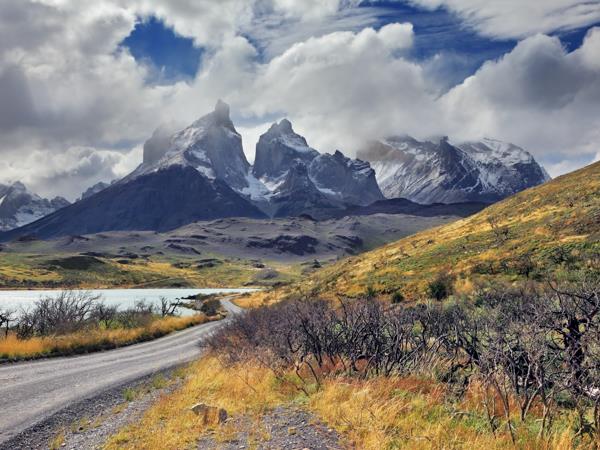
Small group adventure vacation to Patagonia
From £5526 20 days excluding flights
Explore the spectacular wilderness and mountains of Patagonia
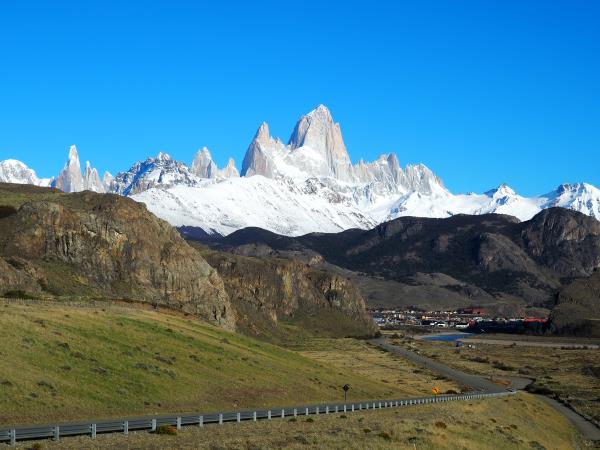
Essential Patagonia vacation, 16 days
From £4185 16 days including domestic flights only
Maximise time and budget on this epic Patagonia adventure

Patagonia luxury adventure vacation
From US $5565 - US $6415 11 days excluding flights
Luxury hotels and adventure in Patagonia