London to Uzbekistan by rail vacation
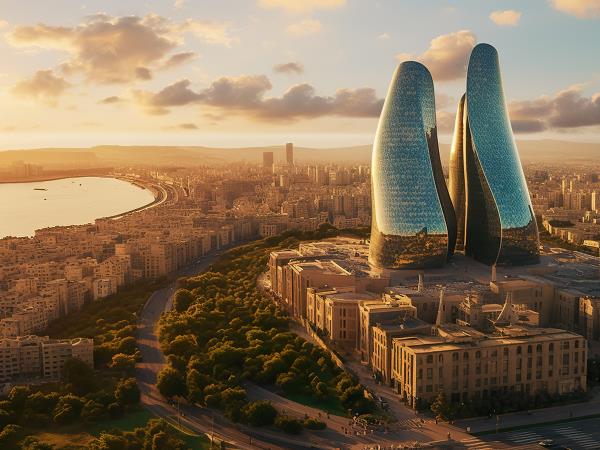
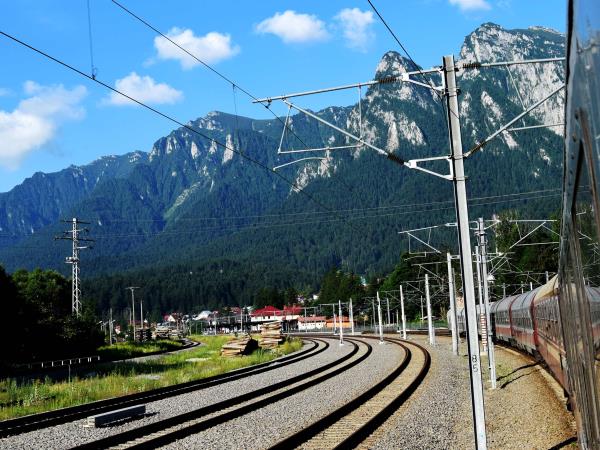
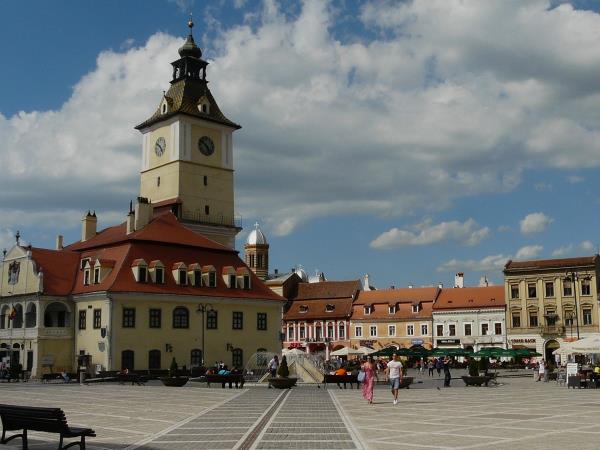
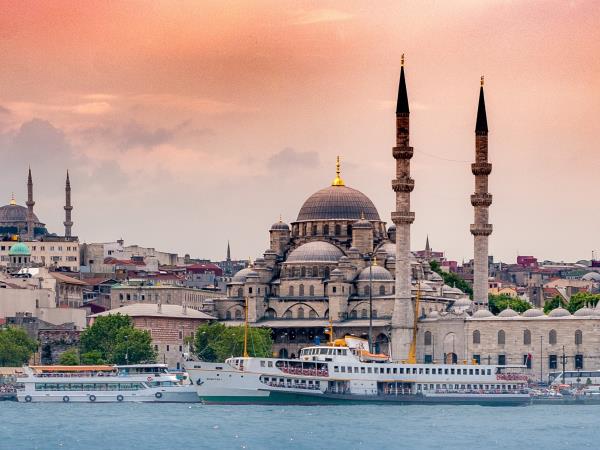
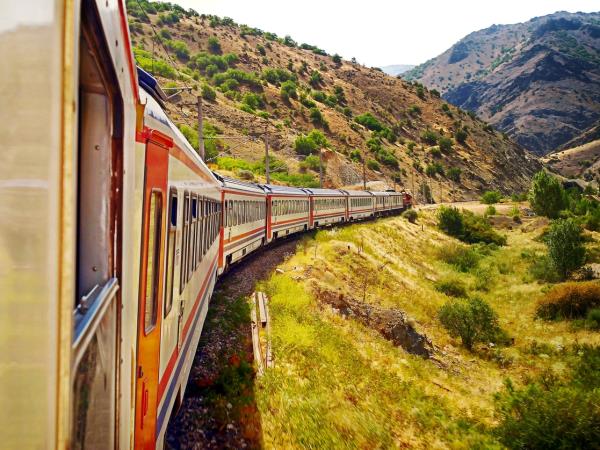
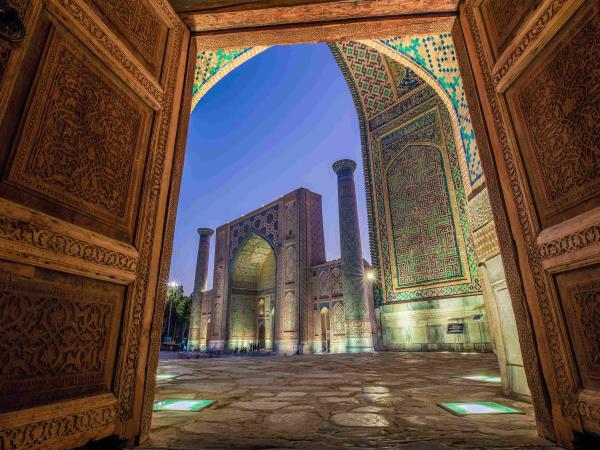
Yes, you really can go all the way from London to Tashkent overland without flying. Highlights on the rails include going through the Alps via the Arlberg Pass, and through Turkey on the Dogu Express, whilst you’ll cross the Caspian by cargo ship.
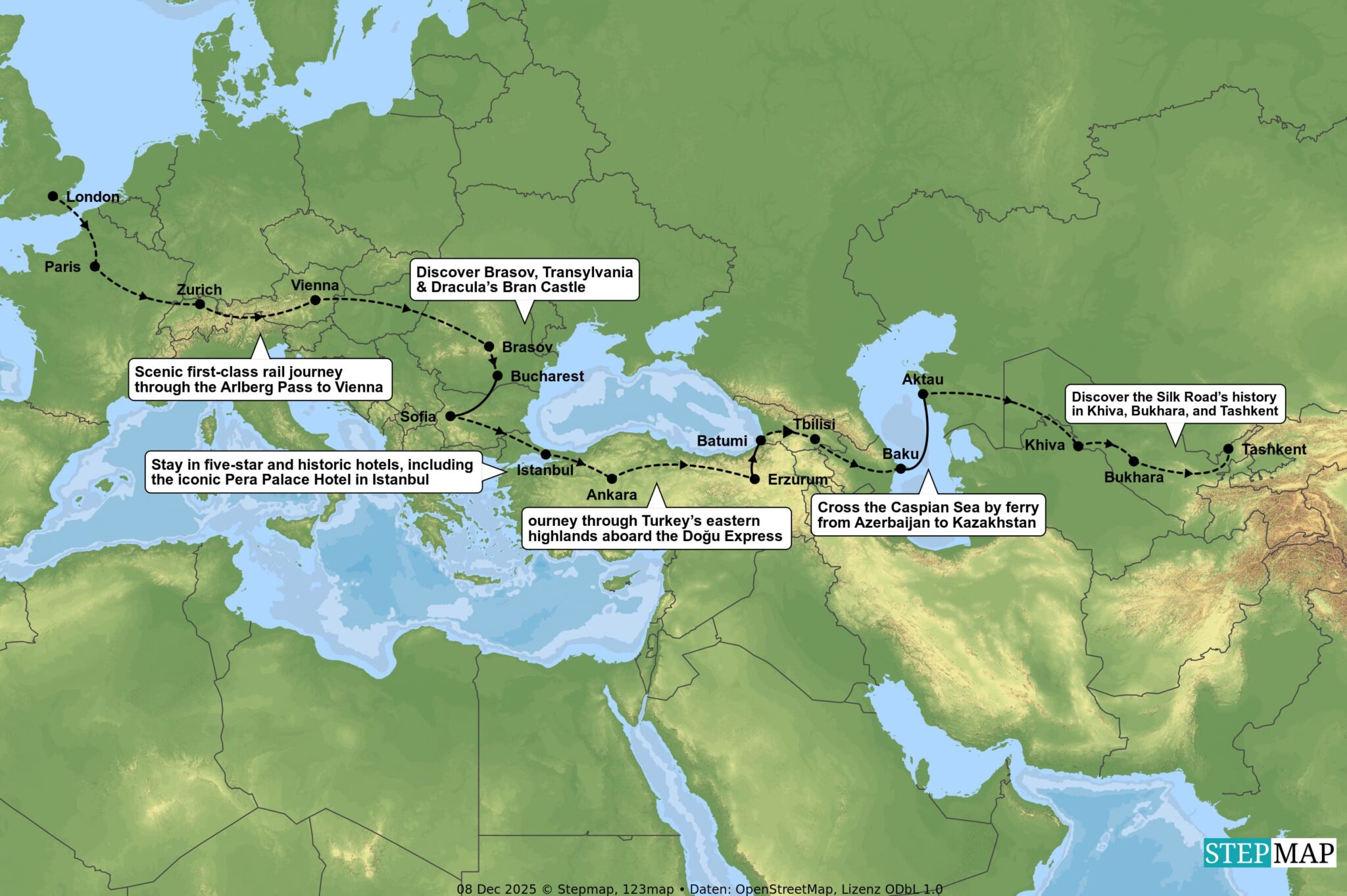
London Paris Zurich Vienna Brasoc Bucharest Sofia Plovdiv Istanbul Ankara Erzurum Batumi Tbilisi Kakheti Wine Region Baku Gobustan Aktau Bozjira National Park Nukus Khiva Kubhara Tashkent Travel flight free from London to Tashkent travel first class where possible sleeper services Caspian Sea crossing local experiences include a classical music concert in Vienna, Turkish marbling, Georgian wine tasting
Price
£18900 excluding flights
Duration
4 Weeks
Countries
Azerbaijan, Bulgaria, France, Georgia, Germany, Kazakhstan, Romania, Turkey, Uzbekistan
Type
Small group
More info
Please contact us to discuss this overland trip.
Compulsory single supplement £2,950
Compulsory single supplement £2,950

Description of London to Uzbekistan by rail vacation
Map
Price information
£18900 excluding flights
Please contact us to discuss this overland trip.
Compulsory single supplement £2,950
Compulsory single supplement £2,950
Check dates, prices & availability

Travel guides
Classic train routes in the world’s most dramatic locations.

Let our guide whisk you away to India, Japan or Scotland, revealing how to get the most out of your trip.
Responsible Travel
As the pioneers of responsible tourism, we've screened this (and every) vacation so that you can travel knowing we've worked to maximise the benefits of your vacation to local people and places, and minimise any negative impacts.
Planet
CARBON REDUCTIONA key element of this journey is the deliberate reduction of internal flights by prioritising rail and overland transport wherever possible. The itinerary begins with the high speed Eurostar from London to Paris and continues by extensive rail travel across Europe and Asia, including services such as Railjet, Dogu Express, and the Afrosiyob. Overnight sleeper trains are used on several legs of the journey, reducing the need for short haul flights and minimising the overall carbon footprint of the trip.
Shared public transport also plays a significant role in lowering emissions. Travelers make use of national rail networks, urban public transport in cities such as Vienna, and shared transfers rather than private point to point transport whenever possible. This approach significantly reduces per person emissions compared with flying or private vehicle use.
Human powered travel is incorporated throughout the itinerary. Many city explorations, including guided tours in Vienna, Bra?ov, Sofia, Plovdiv, Khiva, and Bukhara, are conducted primarily on foot, allowing travelers to experience destinations more intimately while reducing transport related emissions.
Food sustainability is also encouraged throughout the journey. Several dining experiences emphasise regional and seasonal produce, particularly at renowned restaurants such as Steirereck and Mikla, both known for sourcing local ingredients and promoting sustainable culinary traditions. Vegetarian options are widely available across the route, particularly in Central Europe, the Caucasus, and Central Asia, helping travelers reduce the carbon footprint associated with food choices.
Travelers are also encouraged to make responsible decisions during the journey, including selecting lower emission flights for international travel to and from the start and end points of the trip, packing reusable water bottles, and supporting locally sourced food and products wherever possible.
ENVIRONMENT AND WILDLIFE
This itinerary incorporates wildlife experiences designed to prioritise conservation and responsible observation. A highlight is the guided bear watching experience in the forests near Bra?ov, where travelers observe Carpathian brown bears from purpose built hides under the supervision of trained rangers. These programmes support wildlife monitoring and conservation initiatives while ensuring that animals are observed in their natural habitat without disturbance.
The journey also visits several protected landscapes and natural heritage sites. Travelers explore the dramatic scenery of Bozjira National Park, part of the fragile Ustyurt Plateau ecosystem, where strict visitor management helps protect unique geological formations and desert wildlife. Other environmentally sensitive sites visited include the Rock hewn Churches of Ivanovo and the ancient petroglyph landscape of Gobustan National Park, both UNESCO protected locations where tourism contributes to preservation and interpretation.
Nature is experienced primarily through low impact activities such as walking tours, scenic train journeys, and guided exploration with local experts. These approaches minimise disturbance to wildlife habitats while allowing travelers to understand the ecological and cultural significance of each landscape.
Throughout the itinerary, local guides and rangers provide interpretation of regional ecosystems and conservation challenges. This helps travelers gain a deeper understanding of biodiversity in areas such as the Carpathian forests, the Anatolian highlands, and the deserts of Central Asia, while supporting responsible tourism initiatives that contribute to the protection of these unique environments.
People
LOCAL ECONOMYThis journey supports local economies across numerous countries by using a combination of locally owned hotels, independent restaurants, regional transport providers, and locally operated guiding services. While some international hotel brands are included in larger cities, a number of properties on the itinerary are independent or locally managed establishments that contribute directly to the local tourism economy. Notable examples include historic hotels such as the Pera Palace in Istanbul, which is deeply connected to the city’s heritage, and locally managed accommodation in destinations such as Bra?ov, Khiva, and Aktau. In many destinations, hotels employ predominantly local staff and source produce from nearby farms and suppliers.
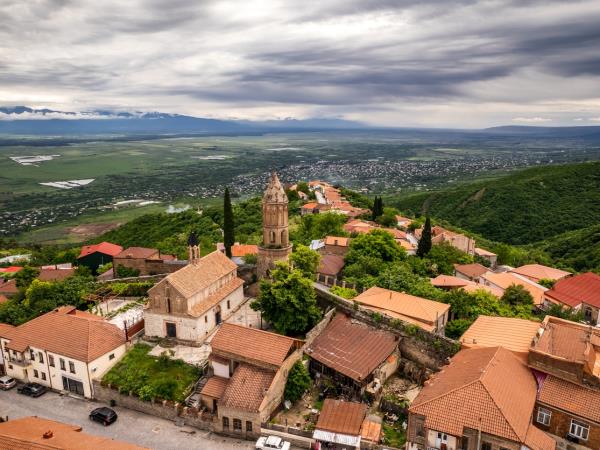
Local economic opportunities are further maximised through the use of experienced local guides in each destination, ensuring that knowledge and income remain within the community. Guided city tours take place in locations such as Vienna, Bra?ov, Sofia, Plovdiv, Khiva, Bukhara, and Tashkent, where local experts interpret the history and culture of their region. The itinerary also incorporates visits to local markets and small businesses, including the Spice Market in Istanbul and traditional bazaars in Tashkent such as Chorsu Bazaar and Chigatoy Bazaar, where travelers can purchase regional food products, crafts, and souvenirs directly from local vendors. In Georgia’s Kakheti region, the programme includes visits to family run wineries and small producers, helping sustain traditional wine making and agricultural practices.
Dining experiences also contribute to local economies by highlighting regional cuisine and locally sourced ingredients. Meals are taken in independent restaurants and traditional establishments wherever possible, allowing travelers to engage with local culinary traditions while supporting small businesses.
EMPLOYMENT, INCLUSIVITY AND DIVERSITY
Across the destinations visited on this itinerary, the vast majority of staff employed by local operating partners are citizens of the country in which they work. Local guides, drivers, hospitality staff, and service personnel are recruited from nearby communities wherever possible, ensuring that tourism revenue contributes directly to employment opportunities at a local level.
The itinerary also creates income generating opportunities for groups who may otherwise face limited employment prospects. For example, the bear watching excursion near Bra?ov employs trained local rangers who are involved in wildlife conservation and environmental protection. In Georgia and Uzbekistan, visits to small wineries, bakeries, and food producers support family run businesses and traditional livelihoods. Craft markets and bazaars throughout the journey, particularly in Central Asia and Turkey, provide opportunities for artisans and small traders to sell handmade products directly to visitors.
Local operating partners are expected to comply with national labour laws, including paying staff at least the legal minimum wage and providing safe working conditions. We prioritise working with partners who demonstrate fair employment practices and a commitment to responsible tourism.
The trip operates in destinations that are accustomed to welcoming international travelers and is suitable for a wide range of guests regardless of nationality, gender, or background. The tour is designed to be inclusive and respectful of cultural differences, and travelers are expected to follow responsible travel guidelines that promote equality and respect. While some parts of the journey involve historic cities with uneven streets or long walking tours, alternative pacing can often be arranged locally for travelers who may require a slower pace.
Popular similar vacations
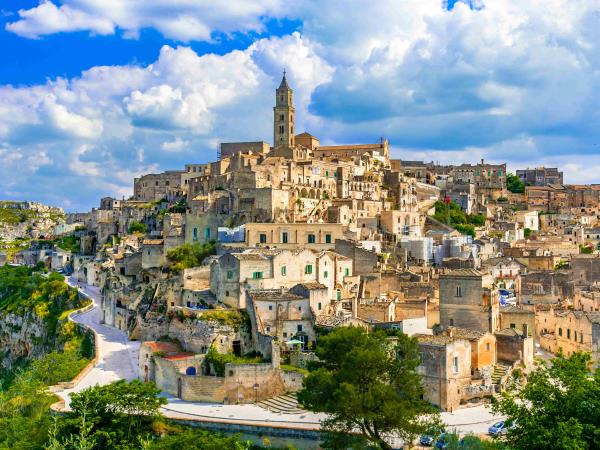
London to the Balkans and back by rail & sea
From £4995 - £5280 14 days including return by train
Flight free return trip to Albania, Balkans & Italy
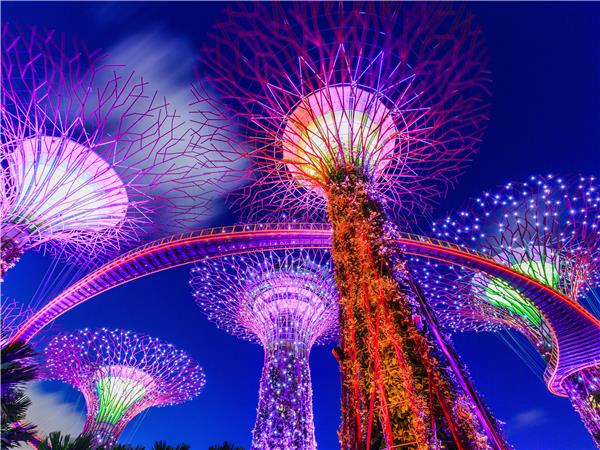
Singapore to London by train vacation
From £22500 61 days excluding flights
Malay Peninsular to Central London in 61 days
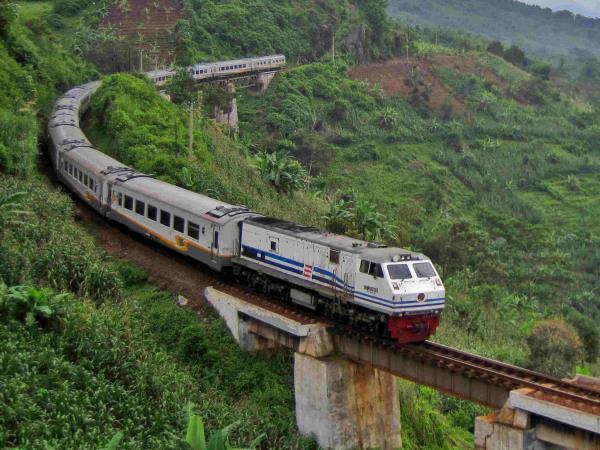
Jakarta to Bali by train vacation
From £2745 13 days excluding flights
Discover Java by rail and relax on Balinese beaches