Shark conservation in South Africa

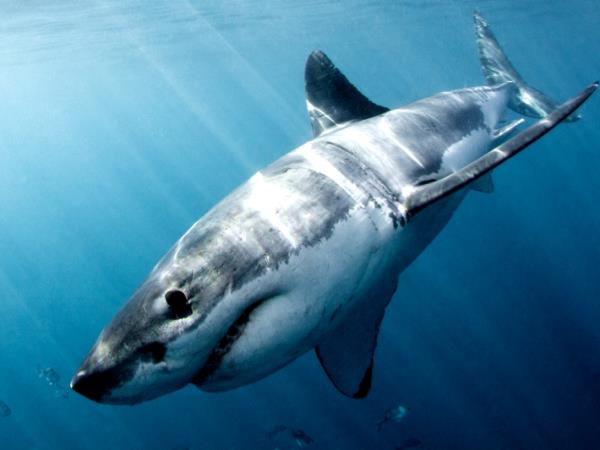
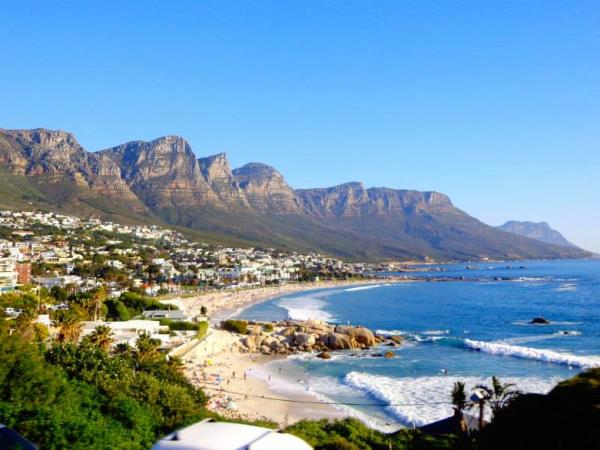
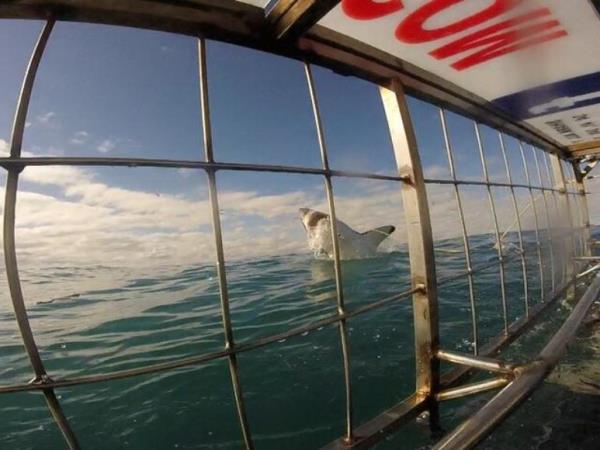
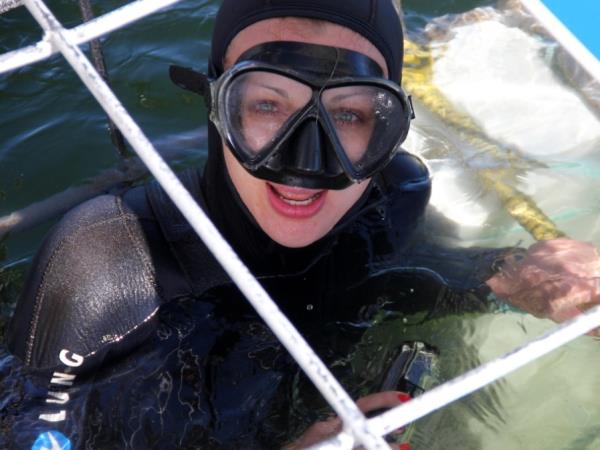
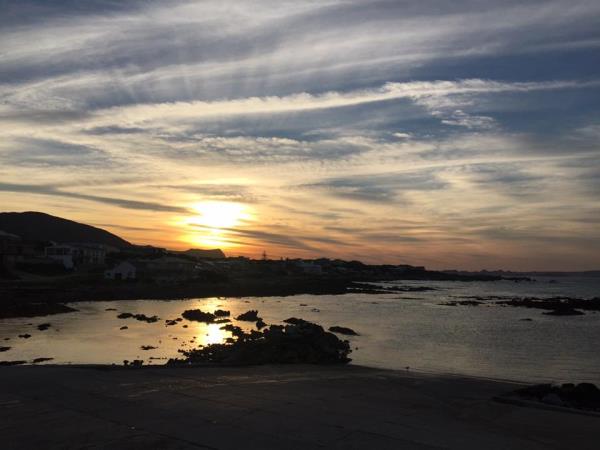
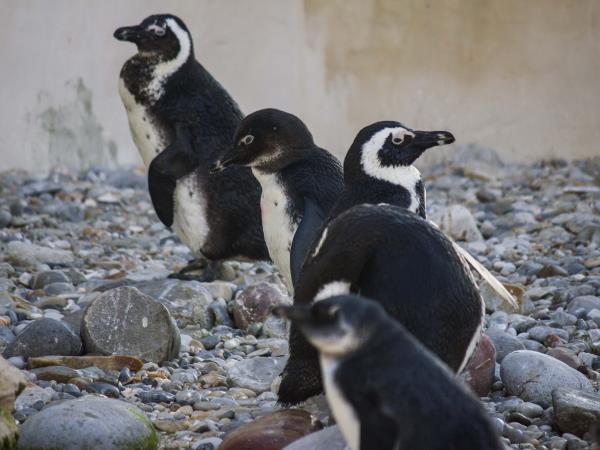
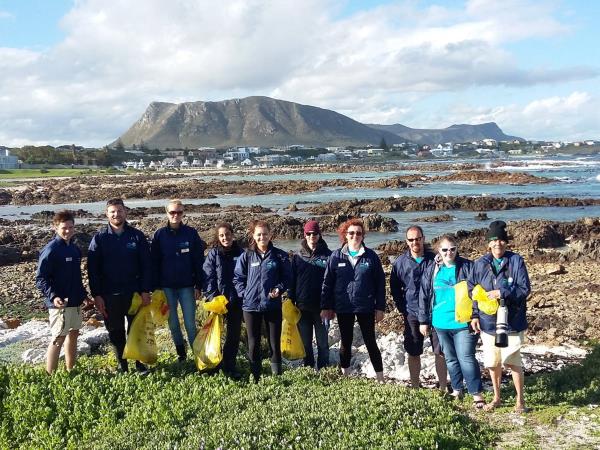
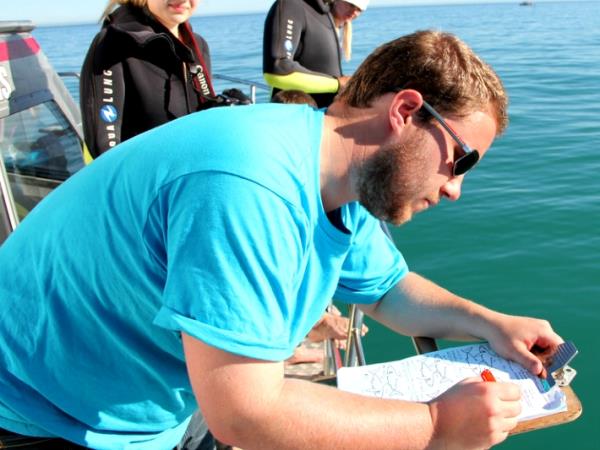
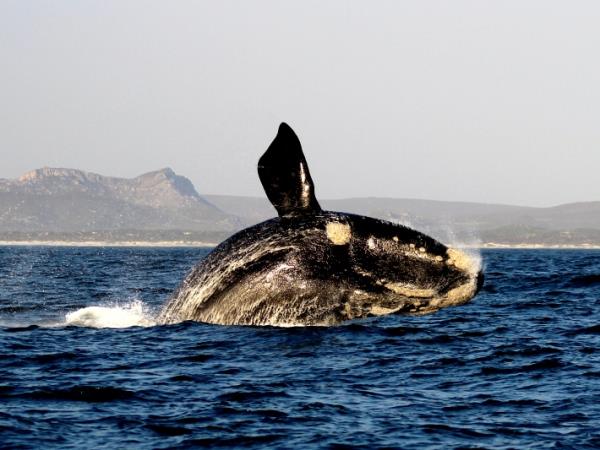
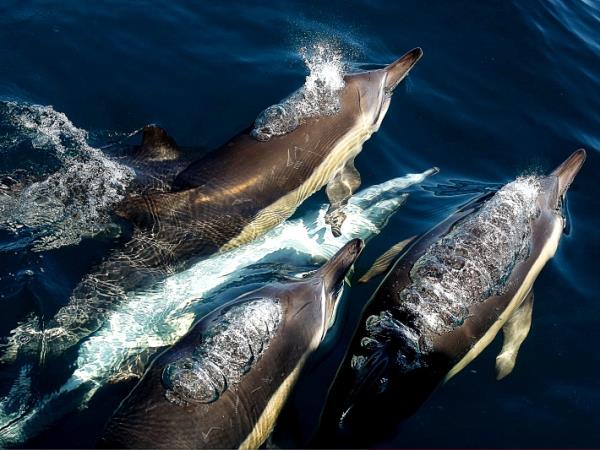
A two week shark conservation trip, contributing to an established project. Help with boat trips, cage diving, observing and photographing the mighty great creatures. Stay in self catering with swimming pool.
Shark conservation in South Africa Cape Whale Coast Route Whale watching Shark cage diving Wildlife photography Shark conservation research Expert marine biologists
Price
US $1090 excluding flights
Description of Shark conservation in South Africa
Price information
US $1090 excluding flights
Price includes voluntary work programme with accommodation, airport transfers, one night in a guest house in Cape Town, breakfasts daily and lunch when on the boats.
Your trip can be extended at a cost of $480 per week.
Your trip can be extended at a cost of $480 per week.

Departure information
Trips run anytime throughout the year
Travel guides
There aren't many places you can see penguins on the beach, whales from the shore, and then go on an incredible safari.
An immensely beneficial endeavour, and not only for the communities and wildlife in need.
Vacation information
US pricing:
The currency converter above works on todays exchange rate. We do take bookings in USD but the price is set at a rate confirmed months in advance and is typically above the current exchange rate. Please inquire for details.
Accessibility
Accessible overview:
There are challenges associated with volunteer travel, and these can make accessible travel difficult. However, we are very keen to chat with travelers with specific needs to see if we can make a trip possible.
Reviews
3 Reviews of Shark conservation in South Africa
4.5 out of 5 stars
Reviewed on 17 Sep 2023 by Jane Swinney
Cage diving with sharks, seeing marine life close up and helping with injured penguins. Read full reviewReviewed on 05 Feb 2020 by Hugh Maughan
The most exciting part of the vacation was being on the boat being surrounded by about 20 Bronze Whaler Sharks! Read full reviewResponsible Travel
As the pioneers of responsible tourism, we've screened this (and every) vacation so that you can travel knowing we've worked to maximise the benefits of your vacation to local people and places, and minimise any negative impacts.
Planet
The marine organisation we work with on this project is making a recognised contribution to research work on sharks, whilst providing much-needed employment in the local area. Its responsible approach has been recognised through Fair Trade certification and a Responsible Tourism award, so you can be sure that you will be contributing to something worthwhile. More details are set out below.Research work:
The research trust is well-respected in the field and includes expert scientists and entrepreneurs among its trustees. It has worked in partnership with the Department of Environmental Affairs; CapeNature; SANCCOB (Southern African Foundation for the Care of Coastal Birds); research units at the University of Cape Town and the University of Pretoria; the WWF and various local conservation organisations.
The work includes taking hundreds of thousands of photographs, allowing sharks to be identified and tracked for research work on global shark populations. They have also contributed to the latest scientific information on the incredible wound healing of the great white shark. They are currently looking at how environmental conditions affect shark behaviour as well as studying the activity of parasites on sharks
A note on observing sharks:
All operators use chum to attract sharks by creating a scent trail. Research suggests that this does not have an adverse effect on the natural behaviour of sharks, as long as the chum is only dispersed where the sharks are already active (following their seasonal behaviours) and the sharks are not fed. This organisation follows strict protocols to that effect and has been at the forefront of campaigns to ensure shark products are not included in chum.
As a volunteer, you can help local people in direct ways too. It helps local staff to get exposure to people from other countries and cultures. Also you will contribute directly to the local economy by staying there and spending your money.
Environment:
At the project, there is a strong commitment to the environment, with low impact emission engines; solar geyser; low energy light bulbs; growing vegetables for use in the restaurant; recycling, including organic waste; reduction of paper use; no longer using plastic containers for butter and jams.
Protecting the world
We are passionate about encouraging our travelers to be kind to the environment as they travel. Each participant receives advice about how to care for the environment whilst they are away. This includes water usage, how to avoid single use plastic, and electricity usage.
We insist that all participants bring their own water bottles when they travel with us, and clean free water is always available. We have even created a water bottle that can be purchased before departure and encourage people to use it at all stages of their journey including at the airport, on flights and whilst on their project. We are striving for all of our projects to be free of single use plastic.
People
Meeting local needs:This conservation project plays an active role in supporting the local community. It provides jobs for 39 local people, with a focus on recruiting from disadvantaged groups and offering them training, support and educational sponsorship. Three previously disadvantaged people now own a 27% share in the business. It promotes local crafts through its craft shop and uses unskilled local people to manufacture nesting boxes. It works closely with schools, financing an eco-schools co-ordinator, organising beach clean ups and providing work experience opportunities. It even sponsors the local football team. It has Fair Trade in Tourism certification covering aspects such as fair wages and working conditions, equitable distribution of benefits and respect for human rights, culture and environment.
All whale and shark watching trips provide an important boost to the tourist industry, drawing people to the area for day trips and longer stays. However, while some cruise businesses operate just for profit, this particular cruise organisation has been used as a case study on sustainable eco-tourism and received a First Choice Responsible Tourism Award – 2006 - Highly Commended in a Marine Environment.
Cultural sensitivity:
We emphasise the importance of showing respect for local people and their customs in our briefing material. Participants will work alongside permanent staff, forming close bonds and getting an insight into real life in rural South Africa. Our policy is to send people out in small groups or individually. This minimises the environmental and social impact that the participants have on the destination and helps them to integrate into the local community.
Popular similar vacations
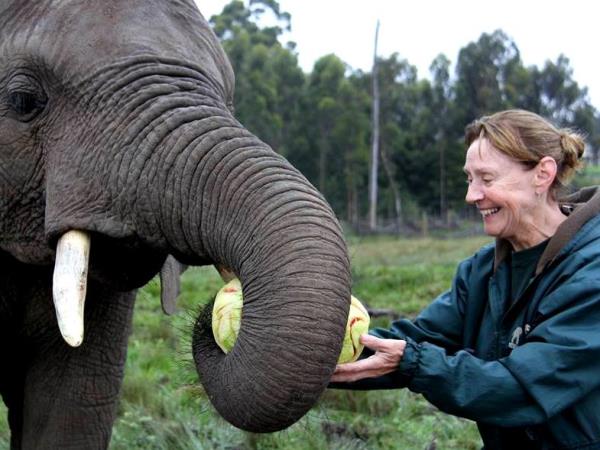
Over 50s volunteering with elephants, South Africa
From US $1880 8 days excluding flights
Over 50s group volunteer with elephants adventure in Africa
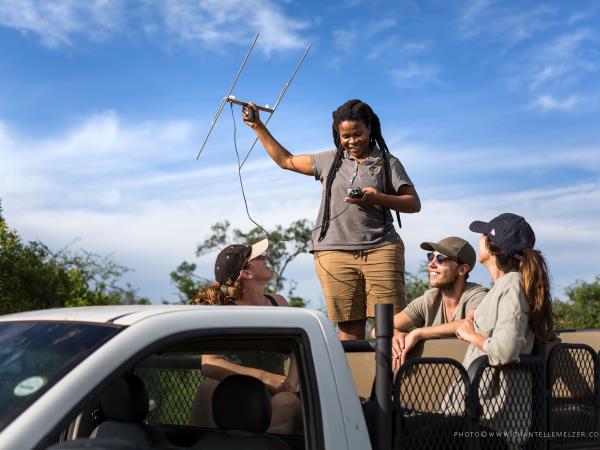
Endangered wildlife conservation in South Africa
From R 33440 14 days excluding flights
Volunteer with endangered species in South Africa
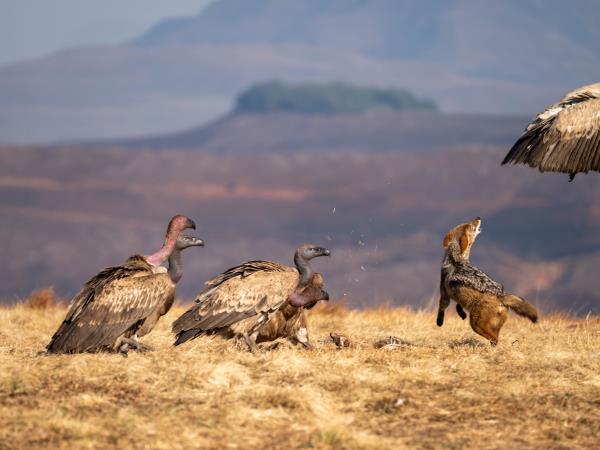
Bearded vulture conservation vacation, South Africa
From R 25916 14 days excluding flights
Conserving endangered vultures in the Southern Drakensberg