South Africa volunteering guide
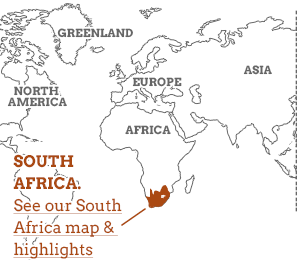
Away from affluent areas, out of sight of Stellenbosch, and past the protected perimeters of private game reserves, there’s a side to South Africa that needs your help. Volunteer your time, skills, and enthusiasm, and you’ll find out what’s beyond the tourist highs; just make sure you know what you’re getting yourself into before you sign up with rose tinted intentions. Short stays – one or two weeks – are better suited to volunteering with animals or physical projects where the more hands on the job, the better.

Hard work, cultural shocks, emotional exchanges and obliterated clothing – if you’re still looking to volunteer and make a difference in South Africa, you might just have what it takes.![]()

Longer stays – four or five weeks, or more – are ideal for those looking to work with people, form relationships, and get a deeper understanding of South Africa’s complex character. Passionate pupils, orphaned monkeys, great white sharks, drought damaged soil; you can visit Cape Town, safari in Kruger or beach braai at weekends but, you know what, it will most likely be the working week, the eight till five, that you miss the most.

Volunteering in South Africa is...
for the kids, the teachers, the carers and the lions within us all.
Volunteering in South Africa isn’t...
a vacation or a safari; it’s much better than that.
WHAT WE RATE & WHAT WE DON'T
 UNDERRATED
 RATED
RATED
 OVERRATED
Our top trip
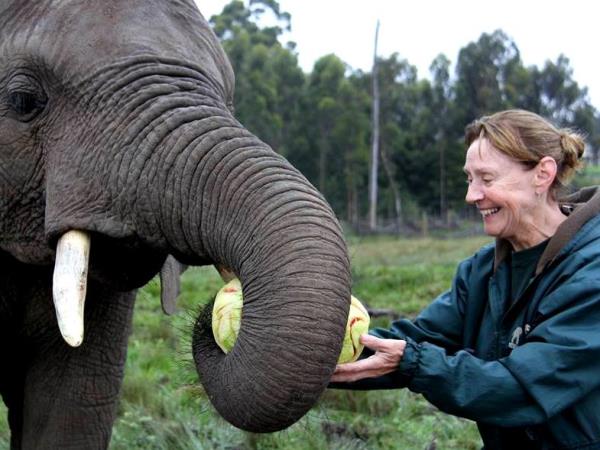
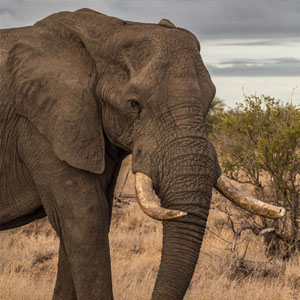
Over 50s volunteering with elephants, South Africa
Over 50s group volunteer with elephants adventure in Africa
From
US $1880
8 days
ex flights
Small group travel:
2026: 18 Oct
2027: 7 Mar, 3 Oct
2026: 18 Oct
2027: 7 Mar, 3 Oct
Contact Us
Call us for a chat about our vacations. We are happy to discuss your vacation and help in any way we can. No bots, queues or awful hold music.

1-866-821-6866
Call toll free
Calling from outside the USA

SOUTH AFRICA TIPS FROM OUR VOLUNTEERS
At Responsible Travel, we think the best people to advise our travelers are often... other travelers. They always return from our tours with packing tips, weather reports, ideas about what to do - and opinions about what not to.
We have selected some of the most useful South Africa volunteering advice that our guests have provided over the years to help you make the very most of your placement – and the space inside your suitcase.
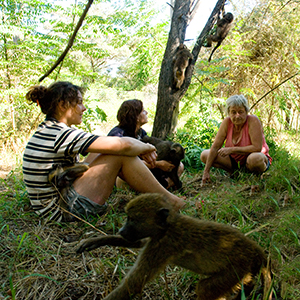
Being so ‘hands on’ with the baboons and vervets was amazing and so rewarding![]()
“Being so ‘hands on’ with the baboons and vervets was amazing and so rewarding, and seeing a group transferred into an Intro (the next phase before release) was really inspiring. Be prepared for hard work. Also take plenty of old clothes and warm ones too, it's really cold at night and in the mornings.” – Gillian McGowan, volunteering at a monkey rehabilitation center
“At less busy times of the year you get some afternoons off and more excursions, but during my time (baby season) we worked hard seven days a week. The upside is you get adorable babies to look after. If I could go back in time and choose to do it again I definitely would, but I am glad that I booked only three weeks as keeping up that intensity for longer would be difficult.” – Sarah Dakin, volunteering at a monkey rehabilitation center
“No popping down the shop, so take all the stuff you might need. Take a mosquito net if you're going in summer. Buy a South African SIM for your phone. The mobile signal is more reliable than the wifi. Binoculars are essential and a fairly decent digital camera with a good zoom. You'll be expected to take your turn at cooking, so jot down some basic recipes if you aren't good at improvising. The kitchens are pretty well stocked. Finally, you don't have to be young! Most of the promo material features young people but I'm rather too close to 70 for comfort and no-one for a second made me feel out of place or any less valued than the younger people volunteering.”.” – Sue Shearman, volunteering on endangered wildlife conservation projects in KwaZulu-Natal
“At less busy times of the year you get some afternoons off and more excursions, but during my time (baby season) we worked hard seven days a week. The upside is you get adorable babies to look after. If I could go back in time and choose to do it again I definitely would, but I am glad that I booked only three weeks as keeping up that intensity for longer would be difficult.” – Sarah Dakin, volunteering at a monkey rehabilitation center
“No popping down the shop, so take all the stuff you might need. Take a mosquito net if you're going in summer. Buy a South African SIM for your phone. The mobile signal is more reliable than the wifi. Binoculars are essential and a fairly decent digital camera with a good zoom. You'll be expected to take your turn at cooking, so jot down some basic recipes if you aren't good at improvising. The kitchens are pretty well stocked. Finally, you don't have to be young! Most of the promo material features young people but I'm rather too close to 70 for comfort and no-one for a second made me feel out of place or any less valued than the younger people volunteering.”.” – Sue Shearman, volunteering on endangered wildlife conservation projects in KwaZulu-Natal
The ultimate priority is the animals. You are not on a game drive and you will not be looked after as a traditional tourist. However, you get to see and experience things you would never even get close to during a traditional safari. ![]()
– Karin van Volen, volunteering on endangered wildlife conservation projects in KwaZulu-Natal
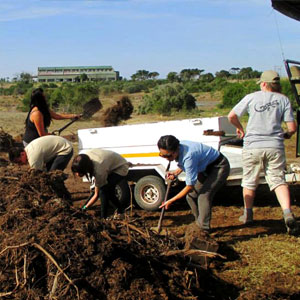
“This is not a safari so be prepared to contribute during the daily monitoring sessions and around the camp. There are daily tasks that need doing to keep the camp running smoothly and you’ll be asked to help out the monitors who work extremely hard. Go with an open mind and heart, be respectful and kind to your environment and colleagues; enjoy yourself.” – Sharon Williams, volunteering on endangered wildlife conservation projects in KwaZulu-Natal
“You will spend your time with knowledgeable and highly experienced people who will be happy to share their experiences and let you experience things you would never be able to do on a standard safari vacation. I really feel that two weeks is not enough and to get the full benefit you need to stay at least a month, possibly up to two or three. However, if you are just looking for a cheaper safari vacation, or something to just fill time during a gap year, this may not meet your expectations as you will also have to do work. Take part in all the activities which often means getting up early and don't expect too much luxury, although everything provided is more than adequate.”- Michael Dantas, volunteering on endangered wildlife conservation projects in KwaZulu-Natal
“The longer you do this the more you will get out of it. If you can visit more than one reserve then do – they make for a fab contrast and you will have a more diverse experience. It is worth bearing in mind when you go that the wildlife is not delivered on a platter, like on some safaris… if you immerse yourself in the projects and take an interest in all the flora and fauna you will start to understand the biodiversity and how everything needs to work in harmony together. Definitely don’t forget to take some good binoculars and any nature guide books so you can make the most of what's around you.” - Sophie Tanner, volunteering on endangered wildlife conservation projects in KwaZulu-Natal
“You will spend your time with knowledgeable and highly experienced people who will be happy to share their experiences and let you experience things you would never be able to do on a standard safari vacation. I really feel that two weeks is not enough and to get the full benefit you need to stay at least a month, possibly up to two or three. However, if you are just looking for a cheaper safari vacation, or something to just fill time during a gap year, this may not meet your expectations as you will also have to do work. Take part in all the activities which often means getting up early and don't expect too much luxury, although everything provided is more than adequate.”- Michael Dantas, volunteering on endangered wildlife conservation projects in KwaZulu-Natal
“The longer you do this the more you will get out of it. If you can visit more than one reserve then do – they make for a fab contrast and you will have a more diverse experience. It is worth bearing in mind when you go that the wildlife is not delivered on a platter, like on some safaris… if you immerse yourself in the projects and take an interest in all the flora and fauna you will start to understand the biodiversity and how everything needs to work in harmony together. Definitely don’t forget to take some good binoculars and any nature guide books so you can make the most of what's around you.” - Sophie Tanner, volunteering on endangered wildlife conservation projects in KwaZulu-Natal
More South Africa Volunteering articles
Volunteers are needed all year round, so go when temperature and rainfall are best.
Our top picks, from volunteering with monkeys to cage diving with great white sharks.
The different types of tour that we offer, and how to manage your expectations for what you can do.
From endangered wildlife monitoring to community construction projects...
Taking children to South Africa for a vacation is one thing but volunteering with them there is quite something else.
Discover the issues, from pollution to poverty, cultural traditions to respecting animals.