Cultural Africa travel guide
Cultural tourism in Africa is still in its infancy. Not only are visitor numbers smaller than they should be, but what travelers see is only a small part of the continent’s culture, as many tours play into western expectations. They’ll be shown the art that’s most widely known and celebrated: the Classical Mediterranean art of Egypt, Tunisia and Algeria. Then, they’ll visit tribes, and museums about the slave trade.

Many countries on the continent finally found freedom of cultural expression – and a hopeful and creative, reenergised art – after independence![]()

Who owns Africa’s culture? For hundreds of years, the answer was the West – African art filled Western galleries. But there are growing efforts to repatriate stolen art, and the internet has allowed Africa’s massive diaspora to reconnect with the continent. As African people reclaim their cultures, tourism has an important supporting role to play. Come and be a willing audience to Africa’s broadest spectrum of culture, one that reflects the whole, modern continent.

Go on a cultural vacation in Africa if…
Don’t go on a cultural vacation in Africa if…
Underrated
African cities
How about visiting an art collective in Accra and seeing for yourself why some contemporary artists on the African continent have seen their work skyrocket in value? Or taking a tour of Eritrea’s Art Deco masterpieces in Asmara? Or Bujumbura’s Bauhaus buildings in Burundi? For the aesthetically pleasing, enjoy leafy Kirundi, the beauty of Cape Town’s setting, or the Casbah of Algiers.
Monuments
Many and marvellous the continent over: the Great Zimbabwe National Monument is the ruins of a medieval city, featuring massive walled structures built without mortar. The Great Mosque of Djenne in Mali was built as early as 1200, and is repaired every year by the city’s inhabitants to protect its striking form from desert erosion. The Meroe Pyramids in Sudan are even older; these striking burial grounds date back to the 9th century BC.
Food
Moroccan tagines are popular but otherwise it’s rare to find the cuisines of many African countries celebrated beyond their borders. But this is the home of coffee and chocolate, of complex west African stews, celebratory South African braais and vegan, gluten-free Ethiopian fare. These are countries that aren’t known internationally for their food – but that doesn’t mean that in a few years’ time an innovative chef isn’t going to share their food cultures with the world.
Rated
Tribal tourism
When done badly, tribal tourism can be very exploitative. Go with an experienced operator who has a good working relationship with the communities you visit – for example, they may be in frequent communication with tribal elders to make sure that a tourist presence is still welcome, will limit group sizes so that small villages aren’t overwhelmed, and will brief all visitors on the dos and don’ts before you arrive.
Handicrafts
On your travels, be sure to visit a crafting cooperative. These places give artisans space to practice their art, and sell what they make for a fair price. Lots of crafts are undertaken by women and have been traditionally undervalued, though their amazing beadwork and basketry is beginning to be appreciated. Look out for hand-made musical instruments, wood carvings, metalware and pottery.
Adding in a safari
It’s the home of the traditional safari experience, and granted, that’s what a lot of people set out to do in Africa. But many of our vacations have been designed so that you can enjoy African culture, too, whether that’s visiting Maasai communities in Kenya – and even having a Maasai guide accompany you on walking safari – or having a homestay in Malawi before you head to the national parks.
Overrated
Classical Mediterranean
Yes, the Romans were one of the world’s great civilisations. But what do you know about the Kingdom of Kush? The Aksumite Empire? The Benin Empire? North Africa’s climate has perfectly preserved sites of the so-called Classical Mediterranean cultures, and they are wonderful, but people wrongly consider them the only historic civilisations with cultures worth caring for on the continent.
Constant cameras
Safari goers might be used to snapping savannah shots without protest, but turn that camera on a street, or a village, and you’ll be in trouble. Whilst many of Africa’s tribal cultures have uniquely photogenic traditional dress, you shouldn’t treat people’s everyday lives like a photoshoot unless you have express permission to take a photo – take the Omo Valley of Ethiopia for example, where charging for photographs is a vital source of income.
‘Topping and tailing’
The majority of visitors to Africa go to the top or the bottom: Morocco, Egypt or South Africa. Success begets success and these countries are now well set up for tourism. But there are 51 other African countries, all with rich and interesting cultures of their own. Whilst tourism infrastructure might make independent travel in some places more difficult, go with a local guide and you’ll soon unlock unique experiences.
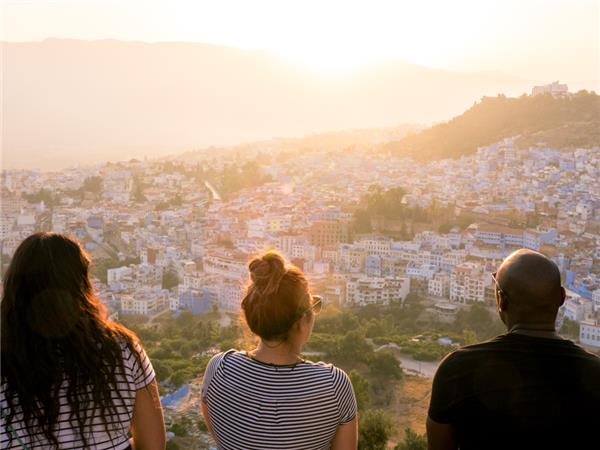
Morocco cultural tour
Come and see Morocco's kaleidoscope of colours
From
US $1296 to US $2020
15 days
ex flights
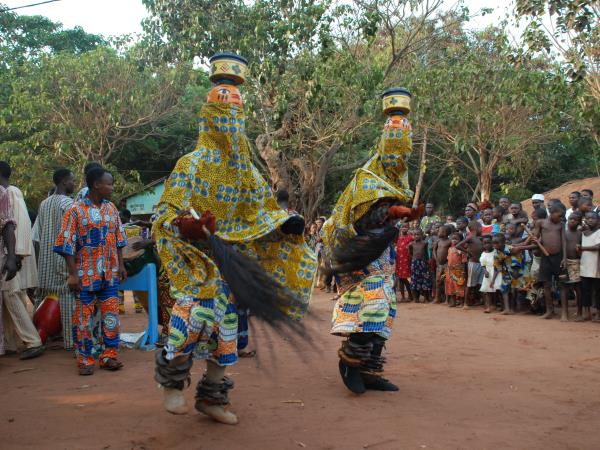
Ghana, Togo and Benin vacation, gold and magic
Traditional villages and voodoo in Ghana, Togo and Benin
From
£3699 to £4065
14 days
ex flights
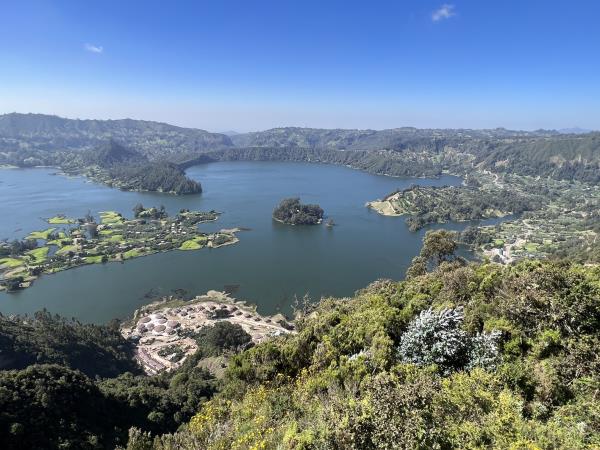
Ethiopia vacations, tailor made
Discover the natural beauty and culture of Ethiopia
From
£3975
14 days
ex flights
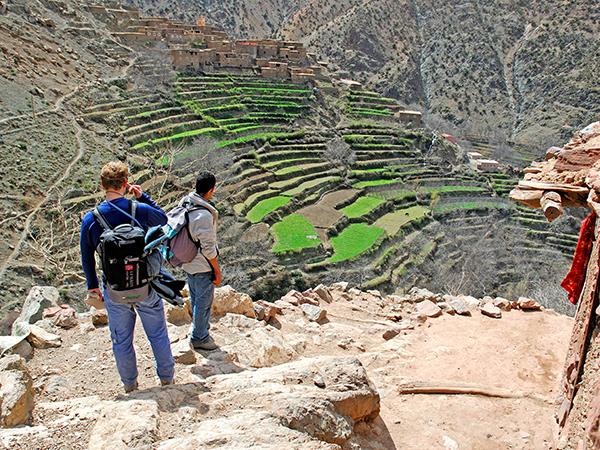
Atlas Mountains trekking and Marrakech
The very best way to explore Morocco’s Atlas Mountains
From
€1520 to €1605
8 days
ex flights
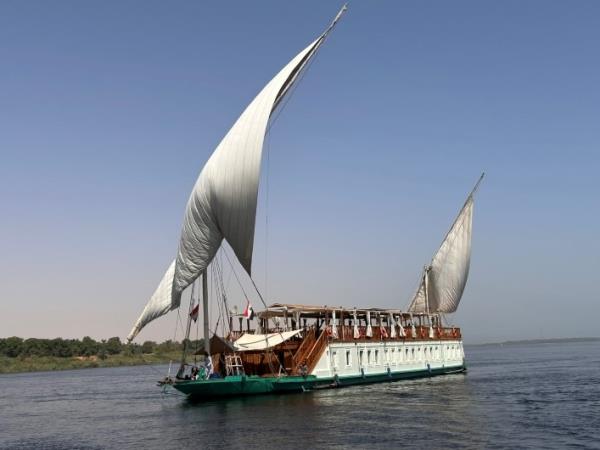
Egypt off the beaten track tour with cruise
Captivating pyramids, and Dhabiya serene Nile cruise
From
£4152
14 days
ex flights
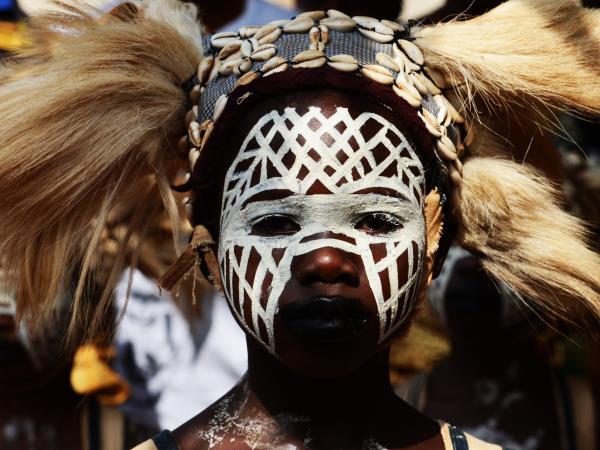
West Africa tour, Bissau to Cotonou
Voodoo heartlands, traditional storytellers and lush islands
From
£9899 to £11199
4 weeks
ex flights


Contact Us

Call us for a chat about our vacations. We are happy to discuss your vacation and help in any way we can. No bots, queues or awful hold music.

1-866-821-6866
Call toll free
Calling from outside the USA


How our vacations highlight African culture
Under-visited attractions
Tourism to Africa is still small compared to other areas of the world, and it’s focused on a few celebrated spots. It means that the casual browser may wrongly thing that these key sites are all that Africa has to offer: an incorrect assumption. There are entire regions where tourism is wholly underdeveloped. This is often a question of money: for infrastructure, for roads and connectivity, and for hotels and visitor centers. Many visitors are surprised to find culturally significant sites on the continent unfenced, without walkways, which you can approach unchallenged – like the pyramids in Sudan, or the Roman ruins in Tunisia – not an invitation to treat these important places with anything less than the utmost respect.
Rejecting fixed ideas
Because of the monopoly of a few celebrated attractions: pyramids and souks, for example, or Maasai villages, and a lack of information about anywhere else, it’s easy to fall into stereotypes – or easier still, to dismiss entire countries. “Africa is not a monolithic entity, and each region, country, and community has its own unique cultural identity,” says our partner and Africa expert Ashanti African Tours.
For first-time visitors, this multiplicity can sometimes be overwhelming. Africa has a third of the world’s languages – between 2,000 and 4,000 are spoken across the continent, and lots of countries can be made up of many tribal groups. “Senegalese culture is really diverse. Very diverse, rich, comprehensive – because Senegal has more than 20 different types of language and they each have their own culture, own traditions,” says Assan Saine, who is Gambian, and guides in Senegal and Gambia for our partner, Explore. On paper this diversity can be hard to fathom. It’s by visiting, and getting to know cultures first hand, that they are unlocked. Our guided tours help this along by providing vital interpretation and fascinating encounters as you travel.
For first-time visitors, this multiplicity can sometimes be overwhelming. Africa has a third of the world’s languages – between 2,000 and 4,000 are spoken across the continent, and lots of countries can be made up of many tribal groups. “Senegalese culture is really diverse. Very diverse, rich, comprehensive – because Senegal has more than 20 different types of language and they each have their own culture, own traditions,” says Assan Saine, who is Gambian, and guides in Senegal and Gambia for our partner, Explore. On paper this diversity can be hard to fathom. It’s by visiting, and getting to know cultures first hand, that they are unlocked. Our guided tours help this along by providing vital interpretation and fascinating encounters as you travel.
Grasping the intangible
A lot of African culture is intangible. You cannot record a dance in a book, nor put a drummer’s song under glass in a museum. In Senegal, the oral tradition of the griots (members of the Wolof tribe responsible for storytelling) negates the need for paper (although written historic records have long existed too). Nigeria’s Gelede traditional dance is inscribed in UNESCO’s intangible heritage list. You can see the masks in museums – but they are taken out for performances on special occasions.
For travelers, intangible culture seen in situ has immeasurable value – it conjures up the essence of why we travel. Tourism is one of the key forces behind preserving heritage.
For travelers, intangible culture seen in situ has immeasurable value – it conjures up the essence of why we travel. Tourism is one of the key forces behind preserving heritage.
Preserving and progressing
The traditional crafts market in Kenya has been dominated by creating products exclusively for the tourism industry. To be a tourist isn’t to be a fly on the wall. Whilst we might love the ‘untouched’ nature of the tribal cultures we come across in some corners of the African continent, our presence changes them. By visiting, tourism may help preserve culture, but it’s a fine balancing act. Tourism has no right to deny opportunities or progress to the tribes it visits – though it can end up doing so. However, tourism income can empower communities to choose the way forward that serves them best.
With progress and industrialisation, traditional culture can be lost. An industrial revolution is sweeping away centuries of cottage industries and crafts – yet there are still artisans rediscovering old techniques, finding ways to monetise them, and making more than ever before. In Morocco, for instance, artisans are reimagining tiling, textiles and rugs for modern audiences, and finding new international markets in the process.
With progress and industrialisation, traditional culture can be lost. An industrial revolution is sweeping away centuries of cottage industries and crafts – yet there are still artisans rediscovering old techniques, finding ways to monetise them, and making more than ever before. In Morocco, for instance, artisans are reimagining tiling, textiles and rugs for modern audiences, and finding new international markets in the process.
Money and interest
International money has financed a lot of Africa’s infrastructure and tangible culture – including roads, galleries, stadiums and theatres. There’s no doubt that money and interest are changing culture here, and potentially flattening the interesting textures of cultural difference. “Social media, Tik Tok – it is damaging our culture very quickly,” says guide Assan Saine.
When the world comes to Africa, some parts of culture are lost – but something else is gained. International recognition raises profiles – and esteem – so when Disney releases The Woman King and it sells out in Beninese theatres, or President Barack Obama chooses Nigerian-American painter Kehinde Wiley for his official portrait, and artists in West Africa start seeing art as a credible profession, or the Grammys festoon a South African R&B artist with awards, or a London West African restaurant gets its first Michelin star – the first of any African restaurant in the capital – it pays tribute to culture on the continent, and gives it great press. Travelers benefit when the world wakes up to a country’s culture – suddenly, we have interpreters, we have context, and we have yet more reasons to visit.
When the world comes to Africa, some parts of culture are lost – but something else is gained. International recognition raises profiles – and esteem – so when Disney releases The Woman King and it sells out in Beninese theatres, or President Barack Obama chooses Nigerian-American painter Kehinde Wiley for his official portrait, and artists in West Africa start seeing art as a credible profession, or the Grammys festoon a South African R&B artist with awards, or a London West African restaurant gets its first Michelin star – the first of any African restaurant in the capital – it pays tribute to culture on the continent, and gives it great press. Travelers benefit when the world wakes up to a country’s culture – suddenly, we have interpreters, we have context, and we have yet more reasons to visit.
Celebrating the diaspora
Diaspora tourism can play a big part in celebrating African culture, especially as the internet allows diaspora communities to connect with their ancestral cultures, and social justice movements across the world help champion black diaspora heritage and identity. Ghana’s president proclaimed 2019 as ‘the year of return’ marking 400 years since enslaved Africans were sent across the Atlantic and encouraged the Ghanian diaspora to return to the country – resulting in a large boost of around 1.5 million tourists visiting Ghana – and other African nations – that year. So common is this type of tourism that, at the start of a city tour in Dakar, Senegal, you might be told, ‘Welcome home’.
More Cultural Africa articles
Find out about the fantastic new spaces planned across the continent.
Most cultural vacations to Benin focus on visiting traditional villages over exploring its contemporary culture.
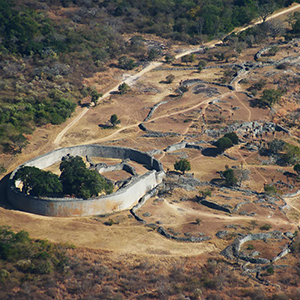
Discover the history and significance of Zimbabwe’s ancient capital.
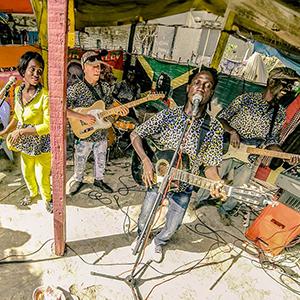
Read all about African music and discover how you can incorporate its sounds, traditions and its exuberant modern iterations into your next vacation.




_10.jpg)