Walking in the Carpathian Mountains

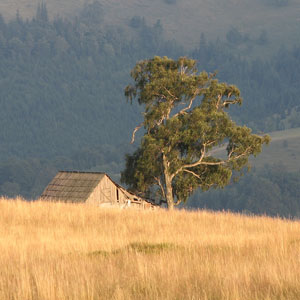
At the Podragu Cabin, 2,136m up in the Fagaras Mountains, they proudly say that while the Wi-Fi connection this high up might be weak, the connection with nature is excellent. This community-run chalet, basic but comfortable with dormitory-style beds and hearty, home-cooked meals on offer, is sometimes used for overnight stays when walking in the Carpathian Mountains. You must carry your own pack for a few days and be content washing with cold water in the mornings. But when you open the door onto that rugged mountain scenery, the crisp air on your face, perhaps even catching sight of a brown bear on the other side of the valley – well, who needs a hot shower, anyway?

In their entirety, the Carpathian Mountains arc through Central Europe for 1,500km, beginning in Austria and the Czech Republic, passing through Slovakia, Poland, Ukraine, Romania and Serbia. Most of our walking vacations explore the Southern Carpathians, also known as the Transylvanian Alps, in Romania, among subdivisions such as the Fagaras Mountains, the Piatra Craiului Mountains and the Bucegi Mountains. Others roam Slovakia’s aptly named Slovak Paradise National Park, which protects a section of the Western Carpathians, or Poland’s Babia Gora National Park in the Outer Carpathian Mountains.
This is one of the last places in Europe where you can hike for hours and see more wildlife than people
Bears are not the only wildlife you might encounter among these peaks. There are chamois here, lynx, wild boar and even wolves, though paw prints in the snow on a winter vacation are likely the closest you’ll get to seeing one. On some trips you can spend an evening in a bear hide deep in the forest, with all manner of creatures liable to make an appearance.

“The Carpathians are still wild, with incredible biodiversity and large areas of intact forest and traditional shepherding culture. That’s something increasingly rare in Europe. This is one of the last places where you can hike for hours and see more wildlife than people.”

Marian Tirla is the founder of our partner, Active Travel. At the heart of the vacations he runs with us is a belief that walking should bring you into contact with nature, rather than conflict with it. Several of these trips have been certified by Eco-Romania, an organisation seeking to develop ecotourism in the country, and guides will not only carry their own groups’ litter out of the mountains, but also pick up litter left by others.
Our goal is simple: tourism should benefit nature and local communities
“It’s hard to preserve traditional lifestyles in these remote mountain communities,” says Marian. “People are leaving for cities to find jobs. Our goal is simple: that tourism should benefit nature and local communities, too. So, our trips use guest houses run by local families. We encourage people to visit during the week, when it is less busy with Romanian tourists than at weekends, and this helps the guest houses to get a more even spread of income. Plus, because there are very few restaurants here, these places can also earn more by providing meals for our guests.”

Early in the summer, shepherds drive their livestock up to alpine pastures to graze. Along with their fierce dogs, there to keep wolves and bears at bay, they will live with their flocks through to autumn. The Romanian Carpathian Shepherd Dog is a recognised breed, and a burly one. Our walking vacations will sometimes visit these tranquil pastures where the shepherds welcome groups to share a simple meal like bulz, roasted polenta with cheese. You can learn how the cheese is made, perhaps even take a turn milking the sheep, and if you’ve the nerve, sample some tuica – potent Romanian moonshine made from plums.

Contact Us

Responsible Travel, Travel Team

Call us for a chat about our vacations. We are happy to discuss your vacation and help in any way we can. No bots, queues or awful hold music.

Responsible Travel, Travel Team

Carpathian Mountains walking map

Carpathian Mountains walking map: including Slovakia and Romania

Where to walk in the Carpathian Mountains

“I have hiked and camped more than 80 percent of the Carpathians,” says Marian, “and I still explore all the time at weekends with friends, trying to find new unmarked trails. The villages are always changing, and it’s nice to stay in touch with people and their lives. I love that I have been able to turn my passion for mountains into a business.”

Piatra Craiului National Park

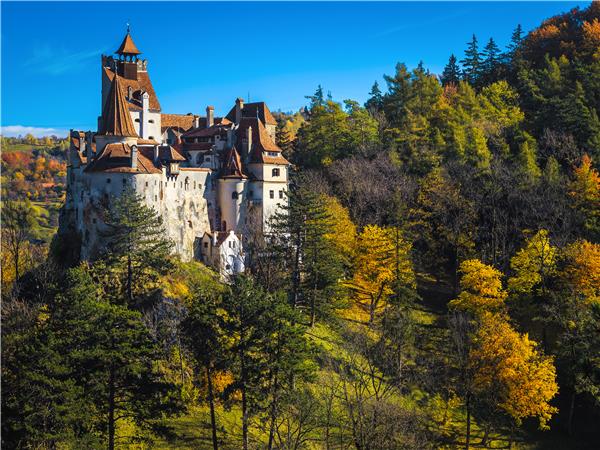
Easily accessed from the nearby town of Bran, Piatra Craiului National Park protects a small mountain chain known for enormous levels of biodiversity amongst a number of landscapes. The deep, limestone canyon of Zarnesti Gorge is a major natural attraction while the villages of Magura and Pestera are fascinating ancient settlements perched on high ridges.

Life in these communities goes on much as it would have centuries ago – farmers sift the hay with pitchforks, people get around on horse-and-cart – but today tourism is a vital source of employment for many residents. Some of our vacations will base themselves in a village guest house. Expect pleasantly quiet evenings and hosts who speak very little English but can communicate a great deal with a warm smile.

Bucegi Mountains

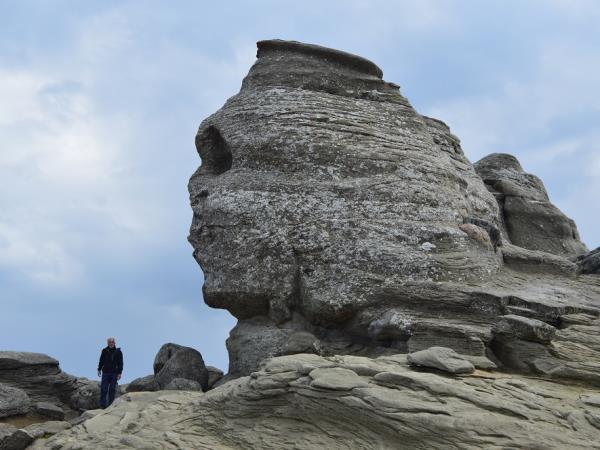
Neighbouring the Piatra Craiului Mountains, and often combined with them on one walking vacation, the Bucegi Mountains incorporate a large natural park, where you can see the Sphinx and Babele, two distinctive wind-hewn rock formations. The tallest peak is Omu, where at 2,505m you’ll find the highest mountain shelter in the Carpathians. Nearby, the Romanian city of Brasov has an international airport.

Slovak Paradise

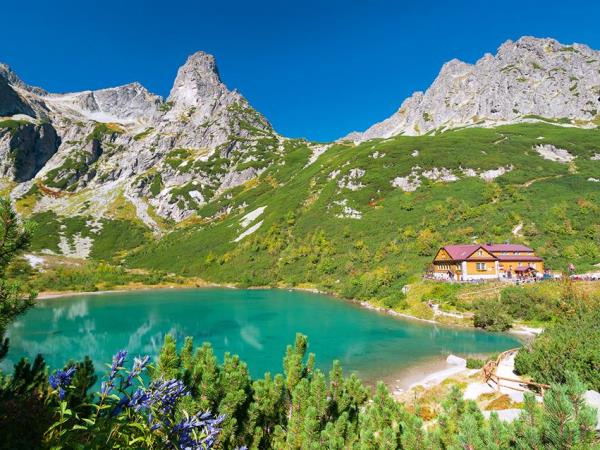
Sweepingly beautiful and, compared to many European walking destinations, relatively quiet, the Tatra Mountains form part of the Western Carpathians that separate Poland and Slovakia. On just a one-week trip here you can walk in no fewer than three national parks, including Slovak Paradise National Park.

Here, guides lead you through a veritable wonderland of waterfalls tumbling into plunging gorges, glass-still lakes and mountains clad with forest where all manner of creatures lurk, from wolves and red foxes to wildcats, deer and cute marmots. Walking trails are threaded through the park, and many require you to negotiate wooden ladders and bridges, as if this were a giant adventure playground. What a place.

Apuseni Nature Park

In the Western Carpathians, the karst landscape of Apuseni Nature Park is ideal for a more easy-going trip. Our small groups stay in locally owned guest houses, walking between peaceful hamlets, exploring underground caves and filling up water bottles from freshwater springs along the way.

Fagaras Mountains

As well as Romania’s highest mountain, Moldoveanu Peak, the Fagaras Mountains boast some of Europe’s last primeval forest, home to many large carnivores. The continent’s largest private conservation initiative, Foundation Conservation Carpathia, is buying up land to protect it from logging and trying to restore lost species including bison and beavers, with the eventual aim of creating a national park. Some of our small group walking vacations help fund the foundation’s vital work.

Winter walking & snowshoeing in the Carpathian Mountains

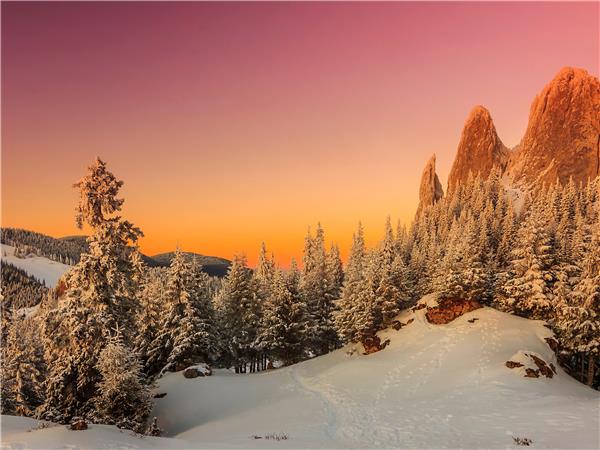
Come the depths of winter, and thick snow casts a blanket over the pastures and farmsteads of the Carpathian Mountains, weighing down tree boughs in the forests, and putting some trails out of use. Temperatures can fall below 0°C but the skies are reliably clear and blue, the air bitingly fresh. Our winter walking vacations require you to layer up and, with trails often enveloped in snow, local guides are vital. They’ll point out the tracks of bears, wolves and other animals as you go.

Where necessary, you might switch to snowshoes, which are easier to master than you may think. And if you stay in the Kalibash villages outside Bran, you can warm up with a few nips of plum brandy, cosy under blankets as you swoosh through the snow on a horse-drawn sled.

Practicalities

Guided or self guided

We have a mix of fully guided small group walking tours, and tailor made self guided trips for you to choose from. Walking in the company of a certified guide is a brilliant way to see the Carpathians not only for safety reasons – the weather can turn quickly – but also because they can offer a lot of insights into the nature and culture of the mountains. “Many of our guides have been doing this for 15 or 20 years,” says Marian. “They know the people here and they love the job.”

Self guided trips, which don’t lean as much into the cultural side of things are best suited to experienced walkers, but you can rely on full support with detailed maps and route notes. Accommodation is booked for you, and where necessary, transfers to the trailhead are as well.

How fit do I need to be?

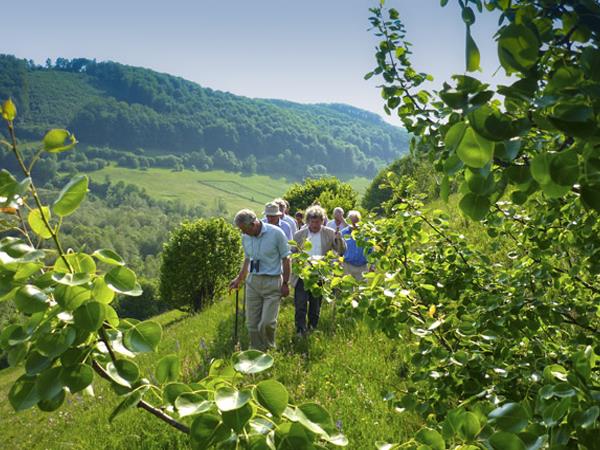
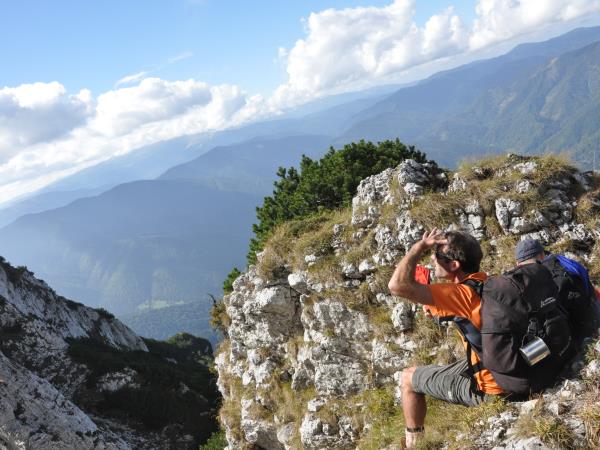
While there are more easy-going trips, most of our vacations are better suited to regular hikers, able to cope with some stiff ascents and descents. Depending on the trip you may be on the trail for up to 18km per day, at altitudes of up to 2,200m. Some walks require a little scrambling over loose scree, perhaps using rope cables. If you’re out of practice, then a few weekend walks before departure will stand you in good stead, and poles can come in handy. On vacations where you are spending a night or two in a mountain hut or camping, you will also need to carry everything you need with you, leaving the bulk of your luggage at your guest house.

When to go

You can enjoy trekking and walking in the Carpathian Mountains year-round. Most of our small group vacations go between April and October, while January and February are ideal for winter walking and snowshoeing.

“Autumn is lovely, with the changing colours, but for me the best time to walk here is winter, for the combination of white snow, blue sky and green forest, as well as clear air,” says Marian.

Where do we stay?

Your accommodation in the Carpathians can vary widely depending on the trip you opt for. Some at the more comfortable end may see you sleeping in refurbished shepherd huts, and glamping-style tents. Others are based in family-run guest houses located down in the valleys and villages, taking chair lifts and cable cars to reach trails at higher elevations. Still others make use of community-run mountain cabins, where a mixed-sex dorm room might have 12-20 bunks. Wherever you stay, two things can be assured: traditional Romanian food, with ingredients like eggs, milk and cheese sourced from surrounding farms; and spectacular views of the night sky in all its glory.
Written by Rob Perkins
Photo credits: [Page banner: Active Travel] [Intro: Active Travel] [Fagaras Mountains: Active Travel] [How fit do I need to be?: Active Travel]