Japan’s public transport network is complex and can be a little bewildering to the first-time visitor. “There are English signs in major train and bus stations in the cities, but the stations themselves can be large and difficult to navigate,” says Kanata. “And while staff in hotels and restaurants in cities like Tokyo and Osaka may be more accustomed to welcoming guests from English-speaking countries, in rural areas the locals will be less confident with their English, and English signage will not be as frequent.”
And some things are meant to be shared. “The private cultural performances we include such as the
Iwami Kagura, which has been a form of local entertainment since ancient times, would come at a considerable cost if arranged for one person,” says Kanata. “Not to mention that it might be a bit awkward to be an audience of one.”
Itinerary-planning is another complexity that can pose difficulties if going it alone. While you can certainly create a two-week route of Japan with your own research, that takes a lot of time, and if something goes wrong – a missed connection, say, you’re the one who has to sort it out. On our
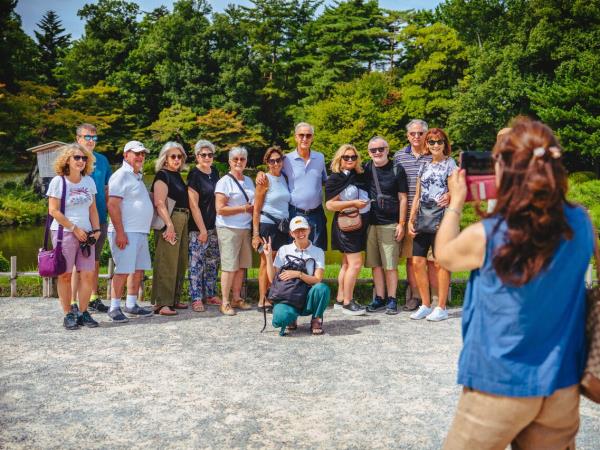
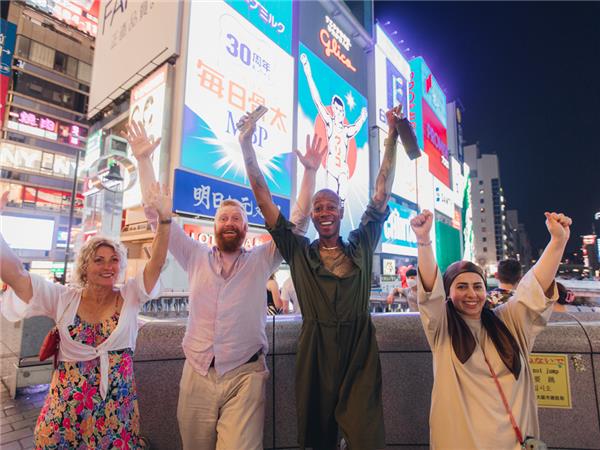
Japan small group tours, however, all the logistical wrinkles are ironed out for you while you enjoy the journey. That convenience, and the heightened sense of enjoyment that comes from sharing your experiences with others, make this kind of trip ideal for solo travelers.