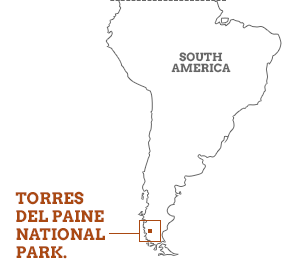
Torres del Paine National Park
travel guide
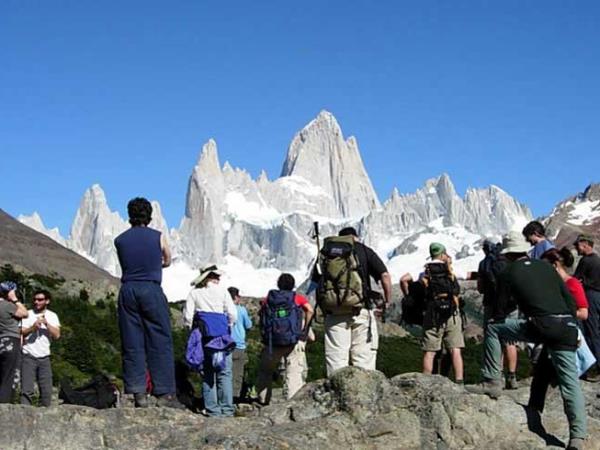
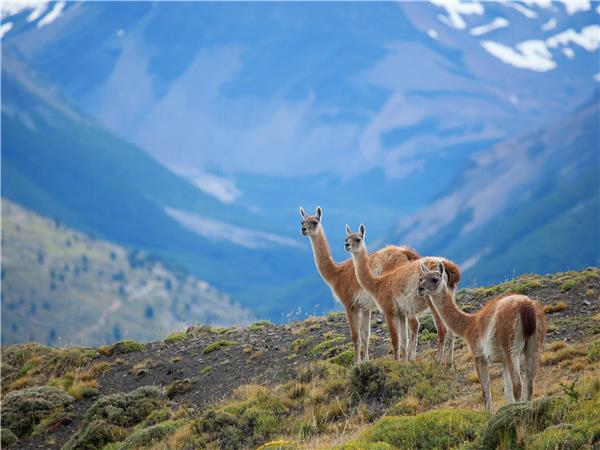
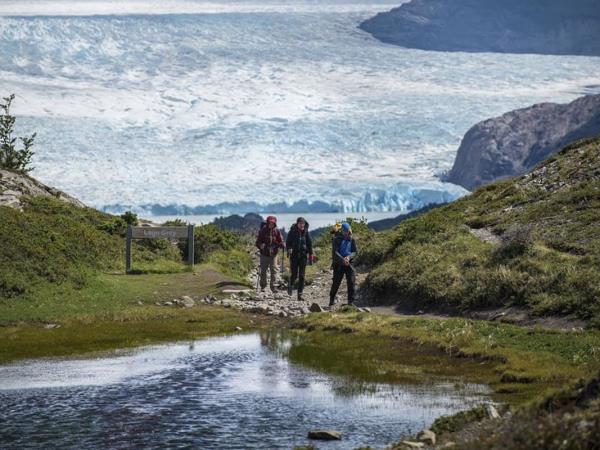
Jagged rocky fingers, reaching into the Patagonian sky, glow blood-red in the early morning sunshine; at sunrise, Torres del Paine’s iconic ‘towers’ are a beacon calling all visitors to Patagonia to their flanks. And for good reason. This vast UNESCO-listed national park protects vast hanging valleys, enormous glaciers calving into turquoise lakes, all overshadowed by dramatic granite peaks. All the while, haughty guanaco graze languidly on the open steppe and Andean condors soar overhead.

While most people come here for the spectacular hiking, Torres del Paine is also surprisingly kind to visitors who’d prefer not to trek for days-on-end![]()

It all adds up to some of Patagonia’s most glorious walking country – with the iconic four to five-day ‘W’ trek a popular way to combine the park’s most scenic spots on foot. Alternatively, strenuous, scrambling day walks will take you to the base of the ‘Torres’ themselves. If you’re not quite so foot-sure then the park’s road network lends itself to self-drive exploration, with panoramic views of mountains and waterfalls from lovely miradores accessible by boat, or at the end of a gentle lakeside stroll.

Torres del Paine is...
a hiker’s paradise of wild wind-blown steppe, jagged peaks, turquoise glaciers and breathtaking valleys.
Torres del Paine isn’t...
untouched. This is one of Patagonia’s most-visited national parks so don’t expect to have its popular trails to yourself.
Things to do in Torres del Paine National Park
Patagonia & Torres del Paine vacation
The best of Patagonia and Torres del Paine National Park
From
US $5780 to US $6125
15 days
ex flights
Chile adventure vacation
The Atacama Desert, Lake District and Patagonia
From
US $8355 to US $10610
13 days
ex flights
Torres del Paine guided O circuit trek
Get the most from the O trek with a professional guide
From
US $6491
8 days
ex flights
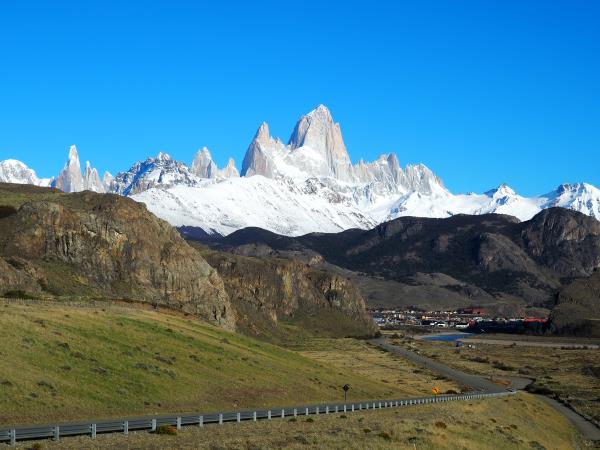
Essential Patagonia vacation, 16 days
Maximise time and budget on this epic Patagonia adventure!
From
£4185
16 days
ex flights
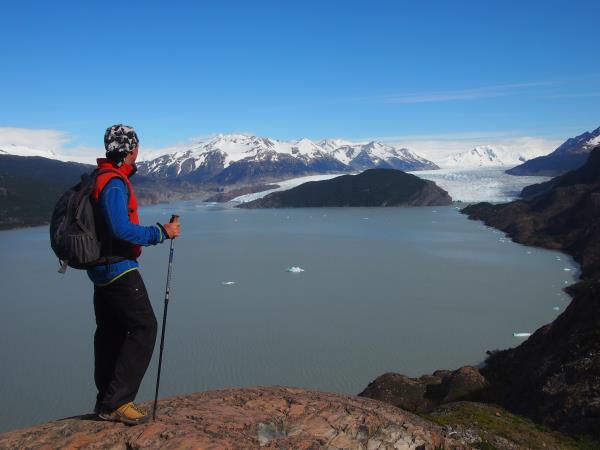
Chile vacation, 17 days south to north
Atacama Desert, Patagonian Rainforest & National Parks
From
£3399
17 days
ex flights
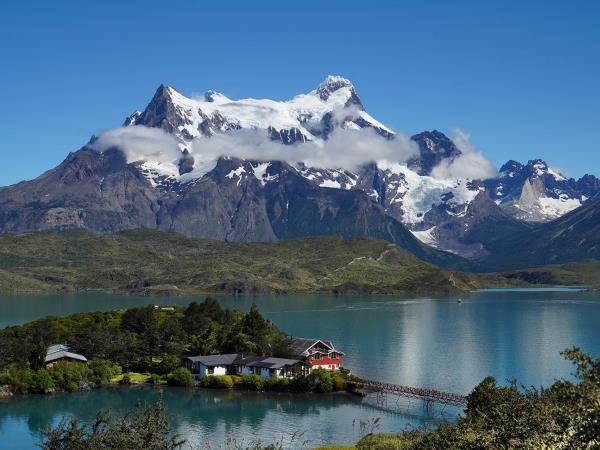
Southern Chile vacation, Lake District and Patagonia
Outdoor adventure, wildlife, culture & gastronomy!
From
US $5750
12 days
ex flights


Contact Us

Call us for a chat about our vacations. We are happy to discuss your vacation and help in any way we can. No bots, queues or awful hold music.

1-866-821-6866
Call toll free
Calling from outside the USA


Things not to do in Torres del Paine National Park
More Torres del Paine National Park articles
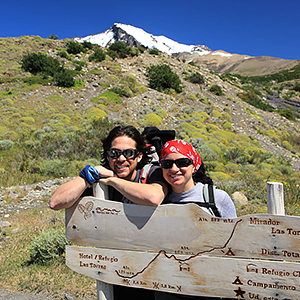
Dec -Feb are the windy, warm summer months, whilst mid-March to April is chilly and autumnal.
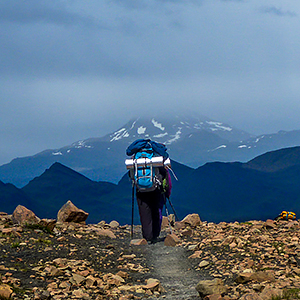
The four to five day ‘W’ trek through Torres del Paine National Park is all about scenery.