Responsible tourism in Tuscany

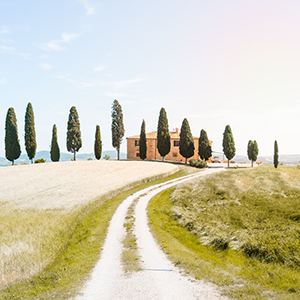
Towns and villages in Tuscany present a picturesque and carefully preserved culture, where everything stops for lunch, seasonal local produce is easier to find than a supermarket, and there are no international coffee chains to feed your caffeine fix. Responsible tourism in Tuscany stems from the need to preserve long-established customs both in rural communities and in urban centers.

But while Tuscany might seem picture-perfect on the outside, there are stresses and strains beneath the surface. In our guide to responsible tourism in Tuscany we explore one of the most obvious issues: overtourism – its effects, and how you can avoid contributing to it. We also look at Tuscany’s uneasy relationship with wolves. Wolf packs are growing in number here, but while they improve biodiversity, in rural areas they inspire fear and suspicion. And we discuss the likely effects of climate change on vacations in Tuscany. A warming climate poses a new and dangerous challenge to this magnificent corner of Italy, that has successfully resisted so many other threats to its traditional ways of life.

People & culture

Overtourism in Tuscany

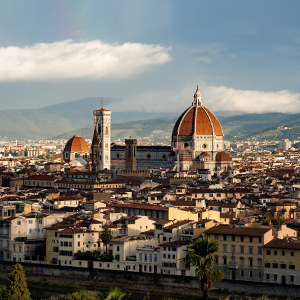
“Obviously when it comes to overtourism in Tuscany, Florence is the worst-affected place, and it’s just the number of people,” says Caroline Phillips, programme manager for our partner Explore Worldwide. “Overtourism means ridiculous prices for accommodation in the city, and it means the visitor can’t really see Florence’s beautiful landmarks through the crowds.”

In an attempt to stem the overwhelming number of tourists, and alleviate a housing crisis, in 2023 Florence banned new short term residential lets. Platforms such as Airbnb have contributed to destabilising levels of tourism in many popular destinations and mean that people who work in those cities often cannot afford to live in them.

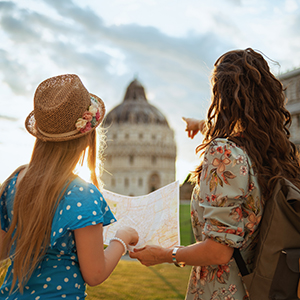
It’s not just Florence, of course. “The Leaning Tower of Pisa is an icon,” says Caroline, “but none of our vacations in Tuscany include going up it. It’s so busy that you have to book far in advance or queue for hours to get tickets. Just come for the photos outside.”

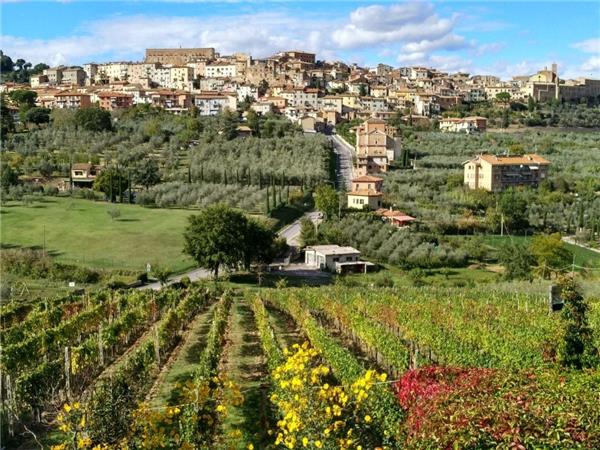
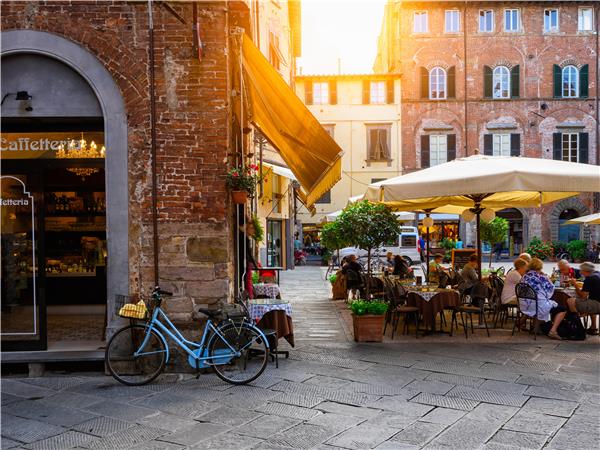
Those gorgeous medieval hilltop towns for which Tuscany is so renowned, such as San Gimignano , Cortona, and Montepulciano, also get swamped by coachloads of camera-wielding tourists between May and October. In the summer months of July and August if you’re trying to go in a different direction through a narrow street it’s hard not to be swept along by the tide. Stay overnight, however, and it’s an entirely different situation. By 6pm the towns are much quieter, as the day-trippers have piled back into their coaches and cars and disappeared. Local people emerge from their homes to chat and have a drink, and the atmosphere is so much more pleasant.

What you can do
Besides making sightseeing a hassle, overtourism makes life a misery for local people. Visit other parts of Tuscany, such as the Garfagnana valley or Maremma, which are far more relaxed. By doing so, responsible travelers help rural communities to share in the benefits of tourism, while also relieving the strain on honeypot sites.

And if Florence’s Uffizi Gallery, or the view from the top of Pisa’s leaning tower, are on your bucket list, then come between November and April. You may not get so much warm, sunny weather, but you’ll certainly have a more pleasant experience with fewer coach groups to dodge, and it helps local businesses to enjoy out-of-season income.

When you visit Tuscany, look for locally owned hotels, agriturismi, and guest houses. If you’re staying in a tourist apartment, that’s a property that could have been someone’s home. Airbnb and similar platforms, intentionally or not, are hollowing out neighbourhoods in over-popular destinations, and often these apartments are owned and managed by people with no link to local communities.
Agriturismo accommodation in Tuscany

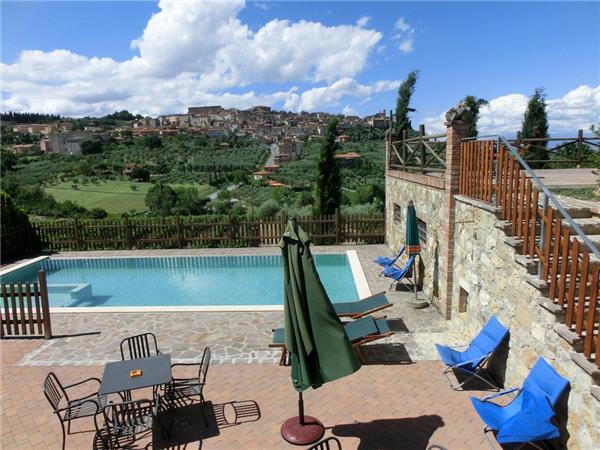
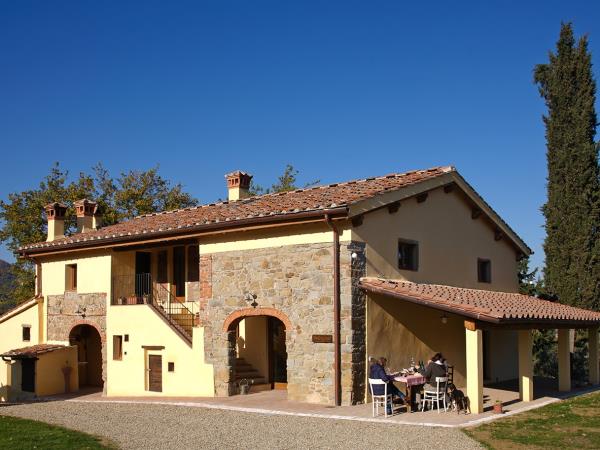
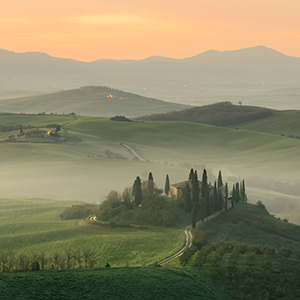
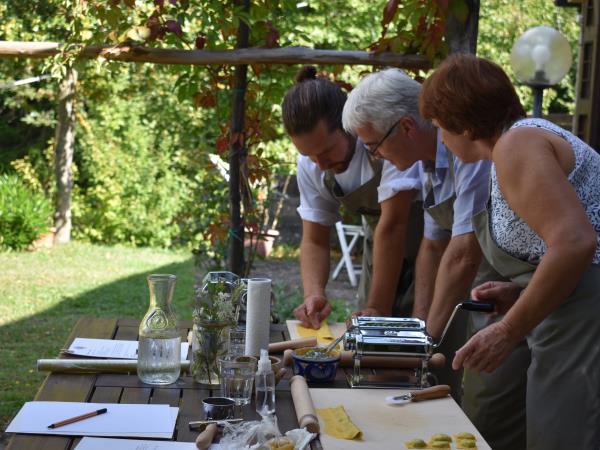
Agriturismo accommodation gives travelers the chance to keep things local, and often the ingredients used at mealtimes will have come directly from the soil surrounding the property. Diversifying into tourism has allowed agricultural landowners to make a good income while keeping up traditional farming practices.

The agriturismo properties that we recommend promote sustainable and organic farming methods. Expect to find well-stocked gardens, ducks and chickens wandering around (which will delight young children), and olive trees that your hosts may harvest themselves to produce everything from oil to soap. Locally sourced wines and seasonal fare from nearby farmers’ markets often turn up on the table.

Staff employed to work at these sorts of properties are all from the surrounding area. They may be helping out with kitchen gardens and orchards, or acting as walking and horse riding guides. They’re also full of knowledge of Tuscan flora and fauna, as well as the best places to stop for lunch.

The responsible accommodation we recommend pay fair wages to their staff and offer training opportunities to empower rural workers, helping to create a healthy relationship between tourism and local communities.

What you can do
Get in touch to find out which agriturismo operators in Tuscany we recommend. These properties are often remote, and as such they really do offer the chance to immerse yourself within rural communities, with a small car all that’s needed to explore the region. Booking breakfast or half board allows you to taste ingredients that have travelled fewer than a few steps as well as cutting down the need to visit a supermarket if you’re thinking of self-catering.

Environment & wildlife

Wolf worries

Back in the 1970s, there were as few as 30 wolves in Tuscany, the population having been almost exterminated by hunting and poisoning. An accomplished, clever predator, the wolf has always been feared in rural areas where livestock can make easy prey.

But as an apex predator, the wolf can also play an important role in improving biodiversity. While they will certainly take a lamb or a calf if the opportunity arises, wolves in Tuscany primarily hunt deer and wild boar. Burgeoning deer numbers leads to over-grazing, which prevents forests from regenerating and harms rewilding efforts. Boar, meanwhile, cause carnage as they plunder fields, and these large, aggressive animals can also pose a threat to livestock and humans. Wolves help to maintain healthy populations of both wild boar and deer by preying on the weak and elderly.

Wolves certainly have their place in the rural ecosystem, but with no natural predators, their own numbers need to be controlled as well. Packs have grown significantly since wolves were given protected status in Italy in 1971. It’s thought there are around 100 packs, and 530 wolves, in Tuscany – they will inevitably look to farms, and urban areas, for food when it becomes scarce in the countryside.

Controlled culling of wolf numbers by professional hunters would help maintain a sustainable balance. It means that farmers can use guard dogs to protect their livestock without those dogs being overwhelmed, and it means that there should be enough wild prey for the wolves. There is only one way for wolves to live alongside humans long-term, and that is to encourage trust and tolerance in rural communities. Livestock losses need to be compensated promptly, and measures introduced to ensure that wolves have as little to do with people as possible.

What you can do
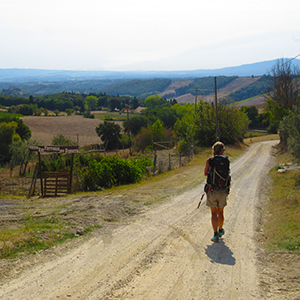
Even if you’re walking in the wilderness, your chances of seeing a wolf are tiny. They’re naturally wary of humans and will stay as far from you as they can. Walk with a local guide, however, and they may be able to point out wolf tracks or scat, so you can enjoy the thrill of knowing they’re in the area.

If you’re a passionate advocate for the wolf, do appreciate that, in rural areas, the animal has been seen as a threat for centuries and it takes a long time for attitudes to shift. Be sensitive to local concerns, not everyone is ready to rush out into the woods with a rifle as soon as they hear a wolf howl; you can often find common ground.

Hunting

Hunting is a divisive subject in Tuscany, and wider Italy. But the fact is that in some parts of Tuscany, such as Maremma, it’s necessary. Populations of deer and wild boar are swelling, and their only natural predator is the wolf, which cannot make a dent in their numbers. There are around 150,000 boar in Tuscany, and they can live for 15 years, with females giving birth to up to eight piglets every year. Deer chew on young trees which hinders rewilding efforts as well as having the potential to damage natural flood protection, while boars plunder vineyards, trample down livestock fences, and can pose a threat to humans.

Boar hunting is a centuries-old tradition in Tuscany. Boar is a regular feature on restaurant menus, and walk into any bar or delicatessen and you’ll often see a hairy leg adorning the counter or the doorway. But during the Covid-19 pandemic, restrictions were put on hunting, and as a result the boar have grown bolder. Hunters will often come home from the forest empty-handed, because their prey is now more likely to be found scavenging the streets of villages and small towns.

What you can do
Wild boar are hunted all year-round in Tuscany, while roe deer are hunted during the summer months (June through September). If you’re walking in Tuscany during this period then pay heed to signs and listen to local advice in order to avoid areas that might be dangerous. It’s also worthwhile avoiding areas of woodland where wild boar are known to live in large numbers, especially at night and away from signed paths. Dress in bright clothing and talk loudly, as it’s not unknown for careless hunters to make costly mistakes.

Finally, for meat-eaters: fully grown wild boar that have been shot are a much more authentic local ‘product’ to a farmed equivalent and offer a richer, almost gamey, taste to savour with a fairly clear conscience. Look out for cinghiale on the menu.

Zoos

Poppi Zoo near Arezzo is a popular Tuscany attraction that features several animals native to these mountains, waterways and woodlands, including otters, deer, beavers, porcupines and European marmots. In captivity terms, these creatures live in fairly open surroundings, although nothing in comparison to the freedom that they’d experience in the wild.

The zoo also holds larger mammals, such as wolves, wild cats, monkeys, and brown bears. None of these animals are meant to be behind bars, and although Poppi has cleaned up its act somewhat and increased enclosure capacity there’s still nothing more pitiful than a wide-eyed brown bear begging for food from laughing tourists whilst lumbering over a concrete construction.

What you can do
Responsible Travel doesn’t sell any vacations that feature visits to zoos. There is no clear evidence that zoo visits encourage conservation, and most zoo animals are not endangered in the wild. Tuscany has numerous regional parks and wide-open protected spaces both inland and along the coast where you can admire indigenous animals in their natural surroundings.

Going on a walking tour with a local guide lets you find out more about typical Tuscan flora and fauna without the need for fences between you. There are many trails, such as those of Orecchiella Natural Park in the Garfagnana valley, from where you can watch out for eagles wheeling in the sky, or shy deer in the undergrowth.

How will climate change affect vacations in Tuscany?

“It’s the heat that will be the main problem,” says Caroline Dickinson of the threat that climate change poses to vacations in Tuscany. “In the summer now, you need to be up high or near water or it’s just getting too hot. On our family vacation in Garfagnana you’re up in the mountains so that helps.”

July and August bring scorching heat and the threat of drought, but also violent storms that can cause flooding, travel disruption and considerable damage to one of northern Italy’s most significant crops: grape vines. Like many parts of Italy, in August 2022 Tuscany declared a state of emergency due to severe weather.

Wine tourists in Tuscany will find different grape varieties in future, those that can grow quickly to survive a hotter sun, drier soil, and less rain in a region already suffering strains on water supply. Many smaller wineries will likely struggle with the cost and extent of adaptation required, and there may simply not be as much Tuscan wine available in years to come.

A warmer climate will also affect other crops across Tuscany, a region renowned for its bountiful seasonal produce. Olive trees, for instance, are quite drought-resistant, but they do need a good watering as spring rolls into summer, the time when their flowers become fruit. Lower rainfall means this is not happening, and worldwide harvests are growing weaker and more unpredictable, with many growers facing ruin. Travelers on Tuscany cookery vacations will likely find smaller local markets, with less produce available, and less variety.

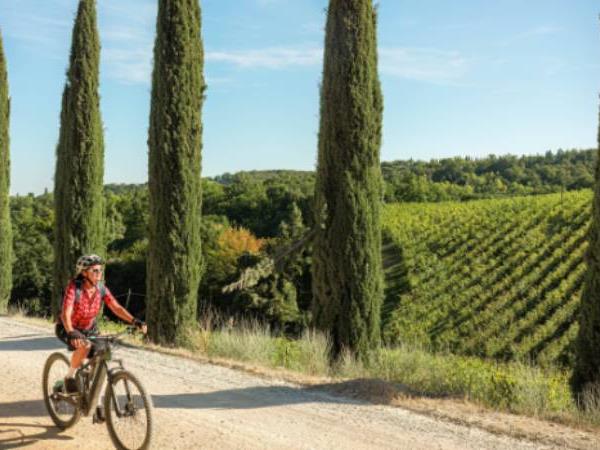
Hot weather will also take a toll on activity vacations in Tuscany. Already, many small group walking tours tend to avoid mid-June through to late-August, and that summer break will likely widen. Cycling vacations will follow a similar trajectory, looking to spring and autumn for cooler temperatures.

Happily, one of the great pleasures of touring in Tuscany – that of staying in a traditional stone farmhouse – will remain bearable as the climate warms. These old buildings have thick walls and consequently they take a long time to heat up. Close the shutters during the daytime while you’re out and about, and pop the windows open in the evenings to beckon in a breeze, and you’ll find there’s no need to crank on a noisy air conditioning unit. Look out for properties with window shutters and insect screens, as well as ceiling fans that are both energy-efficient and quiet. And think about staying up in the mountains, where it tends to be significantly cooler.

Responsible tourism tips

Every Tuscan town and village contains at least one or two churches or cathedrals, with cities featuring an almost bewildering array of ecclesiastical environments. Even for non-religious travelers, entering a church is worthwhile. Beautiful stained-glass windows and great views from tall towers offering just a couple of excuses to peer inside. As you’d expect, peace and quiet is the order of the day and it’s essential you respect for worshippers and other visitors. Dress relatively conservatively, remove your hat and pay attention to signs forbidding photography. Hunters, wild boars, river rats and snakes all add to the excitement of an autumnal stroll in Tuscany so tread with care and stick to designated paths so as not to put yourself or wildlife in danger. It’s safe to drink the tap water in Tuscany and many cities have drinking water fountains. Take a refillable bottle for a free drink and to help reduce waste. Wild camping is prohibited across most of Italy, including Tuscany, so do your research if you’re hoping to get closer to nature and pay heed to signs saying what you can and can’t do. Eating out in Tuscany is always better in rural restaurants or smaller trattoria where English is rarely heard, and the dishes are as authentic as the ambience. Tuscans traditionally value fresh and seasonal produce above all else with home cooking certainly preferential to industrially prepared alternatives. Follow the local people’s lead and only buy products that are in season. Also, look for regionally produced wines bearing DOC or DOCG labels or, better yet, get friendly with a local family and see if they’ve got any of their own concoctions on the go.

Contact Us

Responsible Travel, Travel Team

Call us for a chat about our vacations. We are happy to discuss your vacation and help in any way we can. No bots, queues or awful hold music.

Responsible Travel, Travel Team
Written by Chris Owen
Photo credits: [Page banner: Luca Micheli] [Agriturismo accommodation in Tuscany: Umbria ws] [Wolf worries: Mikkel Houmoller]