“No, no, you don’t dip the bread in it. When you’re tasting olive oil, you actually drink it. First you smell the aroma, then you swill a little in your mouth. Then you breathe in, and swallow – gently, because the last part is very peppery – this is the proper way of appreciating olive oil.”
Gently correcting my error is Marina Caldera. With husband Gianluca marshalling the kitchen, Marina organises some of our most mouthwatering
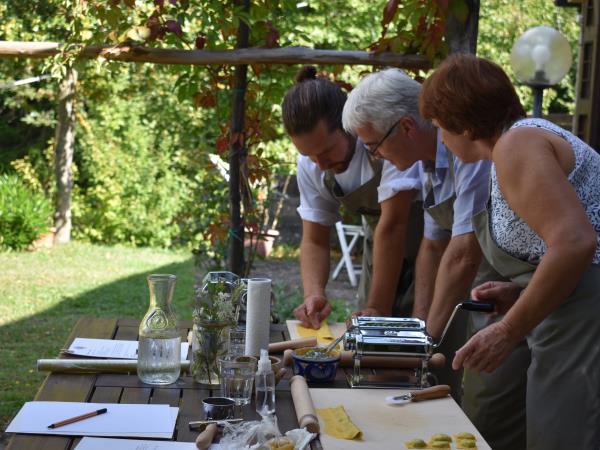
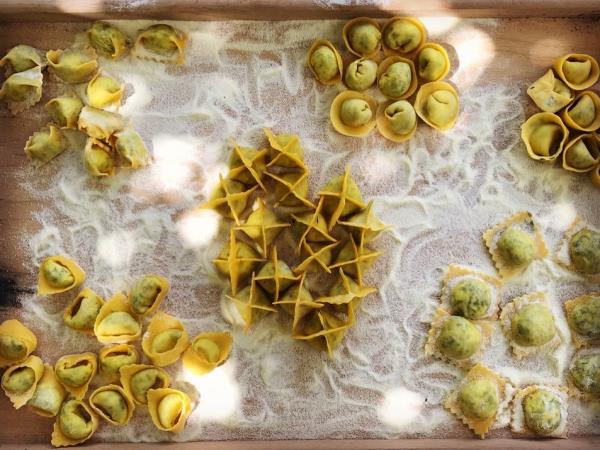
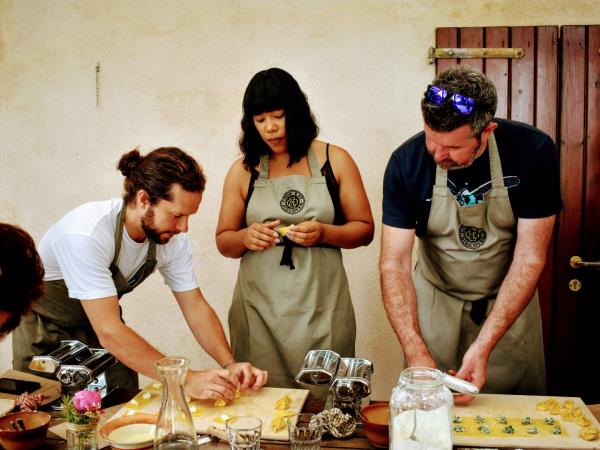
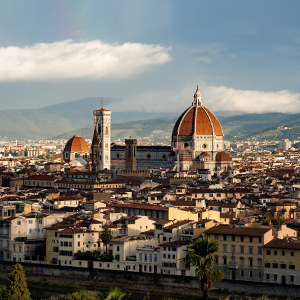
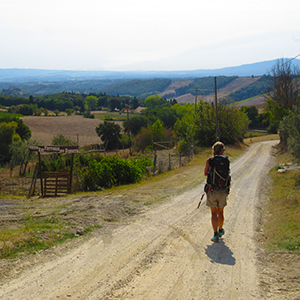
cooking and food vacations in Tuscany from their bed-and-breakfast, Agriturismo Podere le Olle, in neighbouring Umbria. They combine cookery lessons with visits to a wealth of local producers, as well as (optional) walking and cycling day trips. Their location, in the medieval village of Montegabbione, is far from the crowds of Tuscany, yet still well-connected by public transport to places like Siena and Florence.
The couple grow most of their own fruit and vegetables, compost their food waste, and even have their own olive grove. Come in October for the harvest, but tastings are offered all year round. “It is clear from the way Marina and her husband live that they love the land,” said Sue Reimondo, who booked through Responsible Travel.
Our cooking and food vacations are a way to improve your techniques, explore a new cuisine, and make friends with people who share your interest. But they also connect you with local producers – farmers, winemakers, beekeepers, fishermen – people who have inspiring and interesting stories to share. Their small businesses rarely benefit from mainstream Tuscany tourism.
“These people take us into their world and show us behind the scenes,” says Oli Haenlein, co-founder of our Tuscany cooking specialists Cook, Eat, Discover. He and partner Flo blend cookery lessons in the coastal region of Maremma in western Tuscany with tours of local businesses that are tackling sustainability issues in the food industry. “There are many problems with the way we produce food. For one thing it’s a big contributor to climate change. The people we introduce you to are striving to be an antidote to these problems. They’re all organic or biodynamic, for one thing.”