Western Ghats travel guide

Tiger reserves, woodsy cardamom forests, mist-sunk villages, high-altitude meadows – vacations to the Western Ghats delve deep into one of the world’s most biodiverse landscapes. This hulking fold of low mountains is powerful stuff. It singlehandedly shapes India’s monsoon season, creating the moderate tropical climate that causes forests and rivers – and tea and spice plantations – to boom.
Ghat comes from the Sanskrit ghatta: a series of steps leading down to holy water. It’s just a hint at the reverence attached to the Western Ghats.
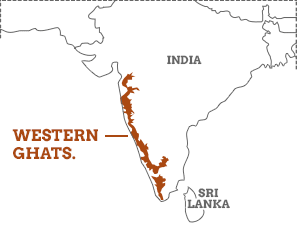
The numbers tell the story. The Western Ghats cradle over 300 threatened animal species (51 are near extinction), 650 tree species, 5,000 different flowering plants and 30 percent of the world’s Asian elephants. And the makeup entirely transforms as you move from north to south. Amongst the deep, dark canopy you’ll feel far removed from the coast, but it’s only ever about 40km away from Goan beaches and Keralan waterways. Not sure where to begin exploring a mountain range that spans the whole length of peninsular India? Read our Western Ghats travel guide.
The Western Ghats are…

one of world’s greatest (and most threatened) wildlife spots.

The Western Ghats aren’t…

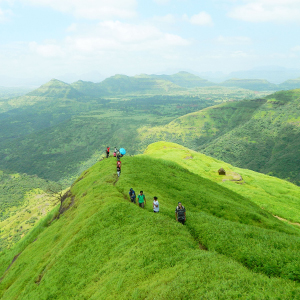
Himalaya-huge. But the low altitude mountains are much more accessible.

Things to do in Western Ghats…

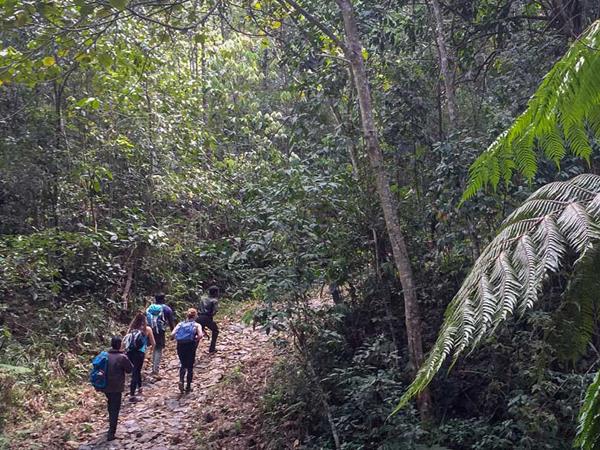
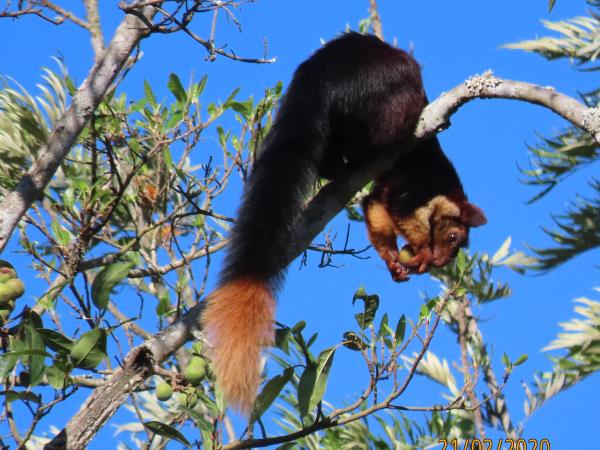
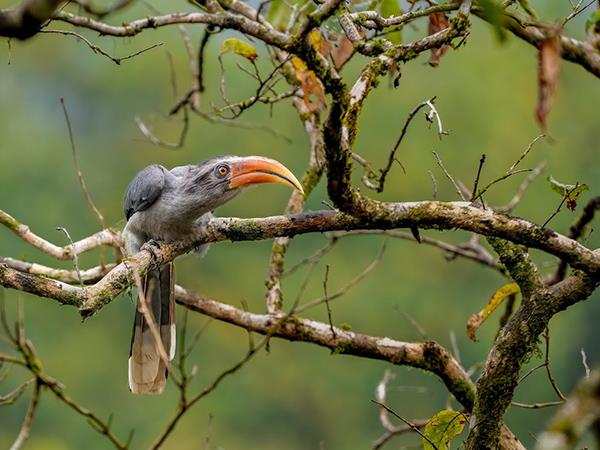
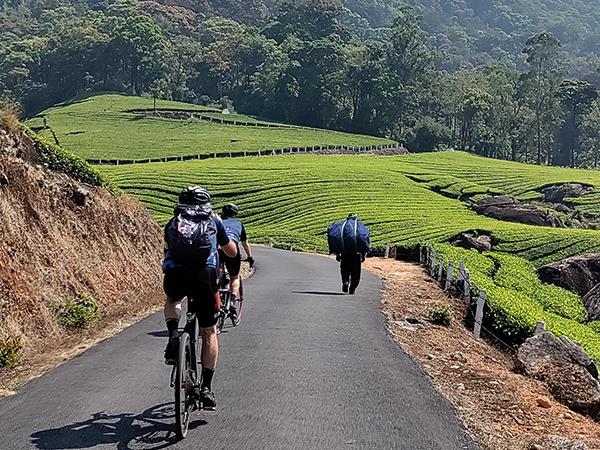
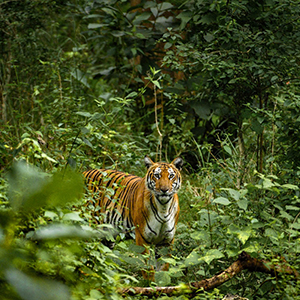
The best bird watching guides can tell a bulbul squawk from a hornbill screech in a heartbeat. To see as many as you can, try the 320-species-strong Periyar National Park. Thattekad Bird Sanctuary in Kerala shelters endemic Malabar grey hornbills and more common (but no less impressive) spot-bellied eagle-owls and crimson sunbirds. Then there’s Papathy Shola in Kerala, where more endemics (broad-tailed grassbirds and painted bush quails) share the forest canopy with an annual butterfly migration each October. Bengal tigers, sloth bears, Nilgiri ibexes, lion-tailed macaques – the Western Ghats are filled with some seriously secretive species. Ditch the motors and explore the rainforests and national parks on foot or bike. Try everything. Coastal states like Kerala fry up fish and coconut curries, while Tamil Nadu is all about vegetarian tiffin snacks. Sip ginger tea in the Nilgiri Hills or head to the tea factories to try the aromatic black tea grown here. Learn about deforestation. It’s easy to dismiss cutting down trees as simply being bad, but it’s better to get a handle on the whys. Trees are rarely felled for fun. Local people need the forest for housing, fuel, farming, reservoirs and roads. The best tour guides don’t shy away from the whole conversation, and can update you on conservation projects that manage human-wildlife conflict.

Contact Us

Responsible Travel, Travel Team

Call us for a chat about our vacations. We are happy to discuss your vacation and help in any way we can. No bots, queues or awful hold music.

Responsible Travel, Travel Team

Things not  to do in Western Ghats…

Skimp on the architecture. The Western Ghats run through five Indian states, so you’ll encounter an assortment of beliefs and histories along the way. Intricately carved Hindu temples sit amongst the rice paddies of Hassan. The city of Bijapur (‘the Agra of the South’) showcases the colossal domed monuments of the Islamic Adil Shahi dynasty. Meanwhile, the columns and statues of the 6th century Badami Cave Temples are carved straight out of the red rock. Although you’re probably in the Western Ghats for the wildlife, don’t forget about the communities. Roughly 245 million people live in these peninsular states, and their livelihoods depend on the Western Ghats. Choose a homestay and learn about cardamom farming and how river fishermen balance business with tiger attacks. The mild climate means that the forest is still a fruitful place for tribal communities, including the Kodavas settlements around Kodagu and the nomadic Nilgiri Todas. It takes time to spot the Western Ghats’ most elusive – and most gratifying – animals. If you zoom around on a whistle stop tour, you won’t be able to bookmark the days needed to shadow Bengal tigers or tree-hugging leopards, or spend time chatting with your host family. Unless you’re just focussing on bird watching, stretch your itinerary over at least 10 days.
Photo credits: [Page banner: Prateek Rungta] [Are/Aren't: Sarathgks92] [Things to do in Western Ghats: Kalyan Varma]