Chambal safari lodge near Agra, India
Price
Rupee 9000ToRupee 13550 per room per night
Location
Village Jarar, Bah, Uttar PradeshSee map here
Vouchers
Not Accepted
More info
Prices are for double occupancy, and include breakfast and taxes.
We are closed from 1st May to 30th September.
Please note: We maintain the same prices through the season.
There is NO surcharge during vacations/Peak periods.
There is NO surcharge during vacations/Peak periods.

Description of Chambal safari lodge near Agra, India
Map

Travel guides

The Golden Triangle is a cultural journey, Kerala’s backwaters invite relaxed travelers, and Ladakh has snow leopards.
This unusual vacations guide steers clear of trends as it leads you on the path to eclectic adventures.
Vacation information
Dietary requirements:
We can cater for vegetarian and vegan diets.
Responsible Travel
As the pioneers of responsible tourism, we've screened this (and every) vacation so that you can travel knowing we've worked to maximise the benefits of your vacation to local people and places, and minimise any negative impacts.
Planet
This Lodge is the culmination of the dreams of Ram Pratap Singh and Anu Dhillon (an Engineer from IIT Roorkee and an Environment Scientist from London University, respectively), who chose to give up successful careers and along with their then newborn son to move back to their ancestral farms in 1999. Since then every effort has been made to initiate sustainable and self sustaining projects in the Chambal Valley, a largely unknown and hitherto neglected part of North India, despite being in such close proximity to the World famous Taj Mahal.Wildlife:
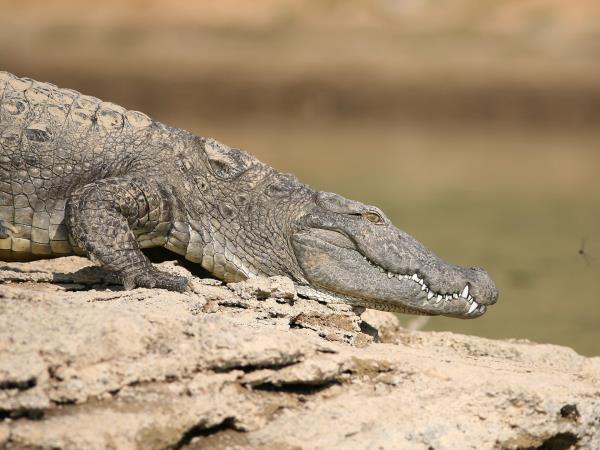
The couple work in close collaboration with the forest department and local communities to help strike a balance between ostensibly divergent needs. Village level eco-development schemes have been revived and peoples’ participation encouraged. Through sustained effort the Lodge team has been instrumental in placing the National Chambal Sanctuary onto the international birding and wildlife map, thus ensuring its continued protection. The team are actively involved in raising and highlighting issues of concern regarding the sanctuary and its surrounding areas, as well as helping seek solutions such as providing technical inputs for building check-dams in the ravines, setting up check-posts and watch-towers, organising village level meetings, preparing extensive checklists of the bird, mammal and reptilian species, providing logistical and financial support to researchers, the Forest Department, WWF amongst others and actively participating in the protection and management of the Chambal Valley.
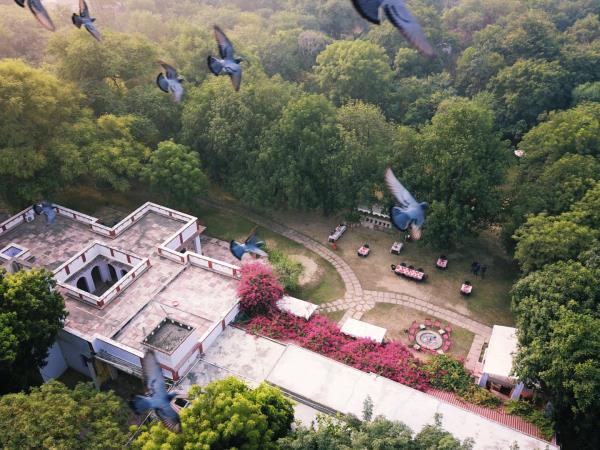
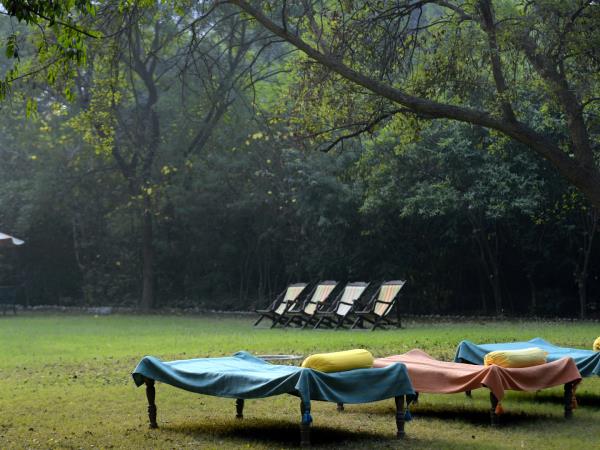
Within the Lodge grounds, large numbers of indigenous trees and shrubs were planted every year to supplement the existing growth and to create a ‘nature reserve’ now progressively allowed to regenerate itself, untouched by human interference. This mini forest offers refuge to numerous creatures big and small, a checklist of over 198 species of birds, reptiles and mammals.
Waste Management:
The team is committed to minimising the environmental impact of their lodge. The mantra of reduce, reuse and recycle is adopted through all operations. Organic waste through compost pits and inorganic waste through traditional ‘kabari’ collection systems. The use of non-recyclables is being progressively reduced, and all non-recyclables are collected and taken to the nearest waste disposal facility.
Single use plastic bottles and toiletries have been eliminated. The Lodge uses Bamboo toilet paper, facial tissues, serving and kitchen napkins, baking and wrapping paper. The goal is to find alternatives for all single use and/or plastic packaging materials in the coming days.
Water:
Bath & kitchen water and rainwater runoff in ponds is re-used through the use of soak-pits. Rain water is extensively harvested through a series of interconnected recharge ponds, and water conserved through the use of drip irrigation lines.
All visitors are provided with information for reducing water and power consumption. The bathrooms all have showers but ‘bucket baths’ are recommended, as they use only 20 litres of water compared with 100 litres required for an average shower.
Energy:
The Lodge limits the use of electrical equipment, and uses certified power efficient products such as LED bulbs, water heaters, air conditioners etc. The electrical generators are used sparingly, solar back-up has been part installed with the aim of going fully solar in the coming months.
Buildings:
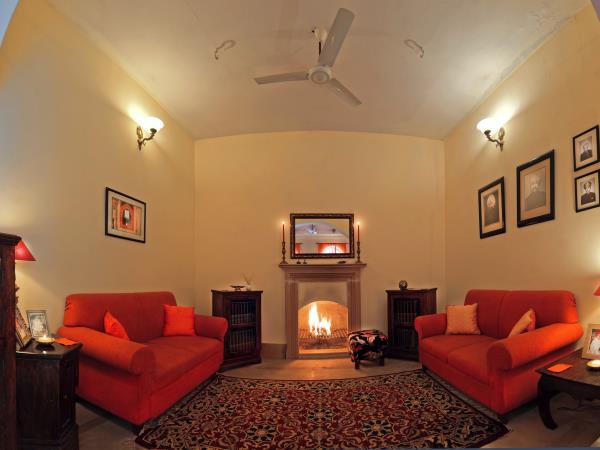
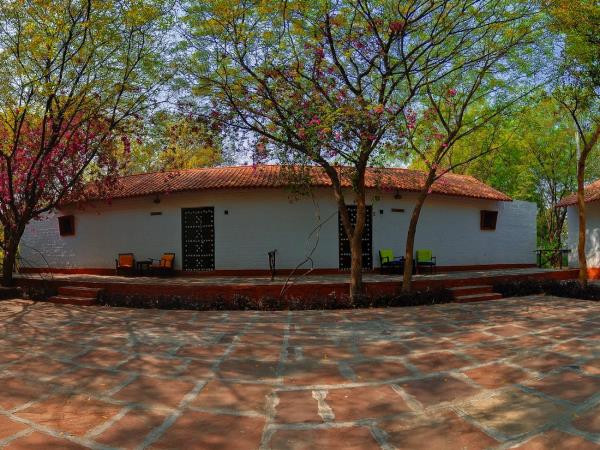
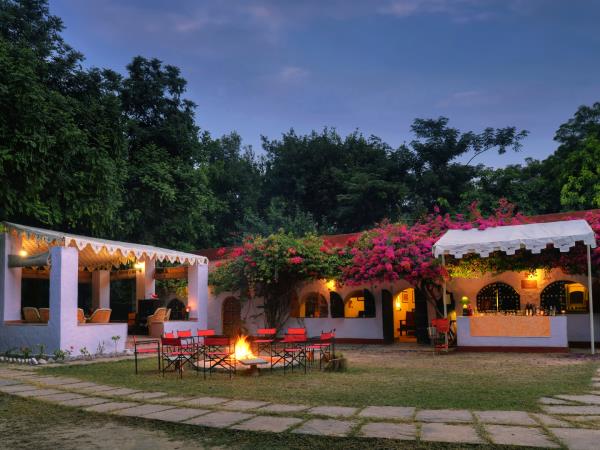
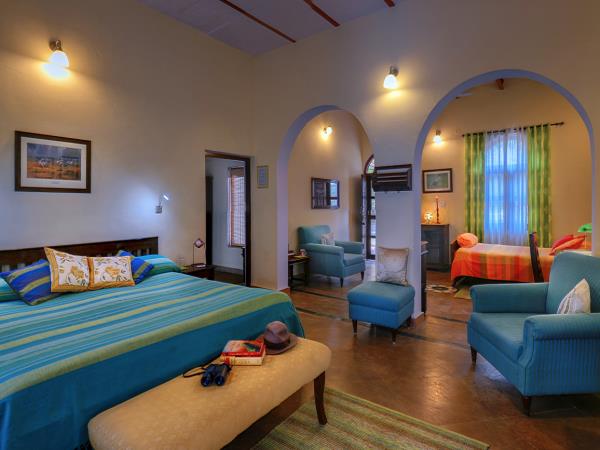
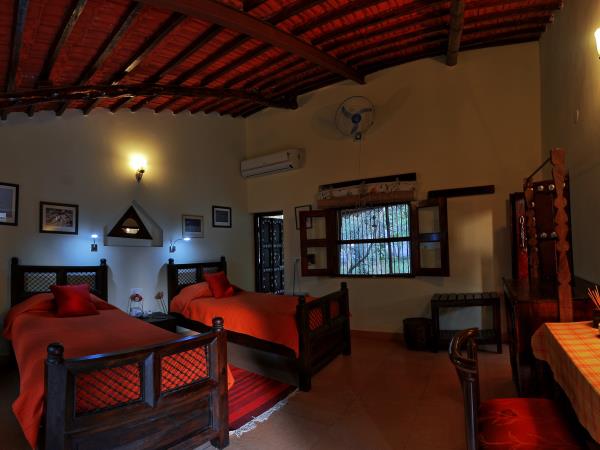
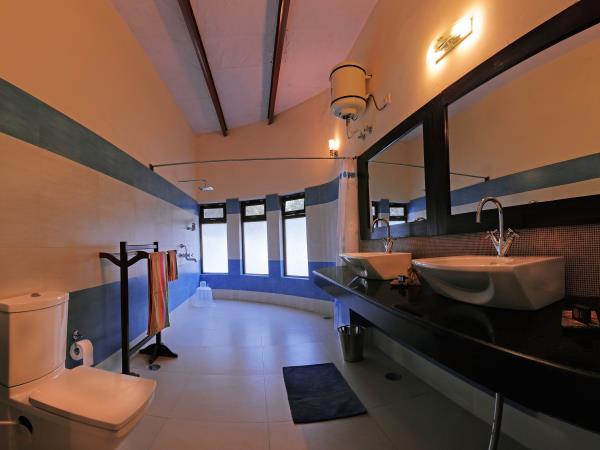
Great care has been taken to create rooms/cottages that are environment friendly,
using local materials, and in keeping with local building traditions. The masons and craftspersons are all local, and an attempt has been made to revive traditional forms of construction and upkeep.
Transport
The Lodge encourages the use of bicycles to visit areas of interest including the Bateshwar Temples, the local villages and the for exploring the countryside. We are actively exploring the use of solar boat engines and hybrid safari vehicles, though not met with much success at present.
Suppliers
The fruits, vegetables, poultry, meat, milk etc are sourced from local farmers, with preference and higher prices given to the organic produce, thus encouraging more practitioners of organic farming.
Supplies that are not available locally such as linen & furnishings, in-room amenities, preserves, speciality meats and cheeses etc are all sourced from small ethical businesses that have a stated environment friendly approach.
People
Community engagement and benefit:Eco-tourism by definition requires the involvement and benefit of local people and communities.
90% of the team members belong to the area and have been trained on the job. Since 2015, 5 ladies from the local community have been a welcome addition to the team, acting as role models for others to follow.
A fair deal:
The Lodge team members are a highly motivated, enthusiastic and friendly group of people and an integral part of the Chambal Safari Lodge family. Despite the Lodge remaining closed for 5 months of the year, the entire team is paid full wages, and benefits through the year. Training is a continual process, and all team members encouraged to enhance their skill set(s). Domain experts are invited on an annual basis to impart practical training to the team.
Procurement of goods and services for the Lodge is done locally, as far as possible. Local craftsmen and technicians are employed in all restoration and extension work. Excursions are conducted with the assistance and involvement of the local community, and where ever possible economic benefit extended to the community.
Campaigning for Change:
Every October during wildlife week essay and quiz competitions, street plays, and visits to protected areas near Agra, including the National Chambal Sanctuary are conducted to help create awareness and generate interest amongst school children.
An effective campaign to stop illegal sand-mining was undertaken in the village communities around the National Chambal Sanctuary, by creating awareness of the harmful effects of sand-mining on ground water levels, and by creating stake holding in eco-development projects.
Conceptualising and hosting Bird Festivals for over 200 delegates from around the world and over 10,000 local visitors including school children. With talks by eminent scientists and ornithologists, photographic exhibitions, bird riding demonstrations, and workshops for school children, the Bird Festivals are used as a platform to engage with the larger community building a sense of ownership & stake holding, whilst raising awareness and funds for conservation projects.
Volunteering & Charity:
Several local charities and research projects are directly supported by the team, including school outreach projects by the Turtle Survival Alliance (TSA), and the Forest department. Project funding for the TSA has been raised by hosting corporate donors and tapping their CSR funds.
The team volunteers on a regular basis for waste management, heritage listing, agriculture diversity, and environment protection projects.
Local crafts and culture:
Locally made furniture, pottery items, floor coverings, baskets etc., procured from local craftsmen, are used extensively in the Lodge.
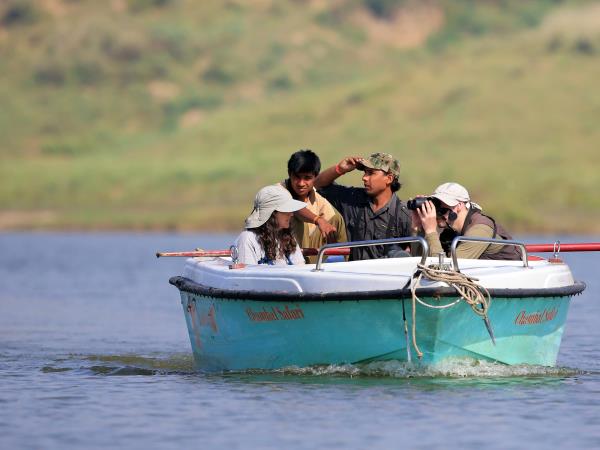
Excursions have been designed to encourage guests to visit the Potters village and the basket weavers. Tours to the Bateshwar temples, Holipura heritage village, Jarar village walk, and special tours during the Bateshwar animal and religious fair, help visitors gain insights into the unique cultural heritage of the Chambal valley.
Traveling with respect:
All visitors are provided with an information pack providing details on the local area and customs, and briefed upon arrival by the Lodge team.
Tipping is actively discouraged, as are any handouts (pencils, notebooks, sweets, etc). We believe that your visit is your contribution to our area. It helps our local economy and your interest helps us protect our natural resources.
Popular similar vacations
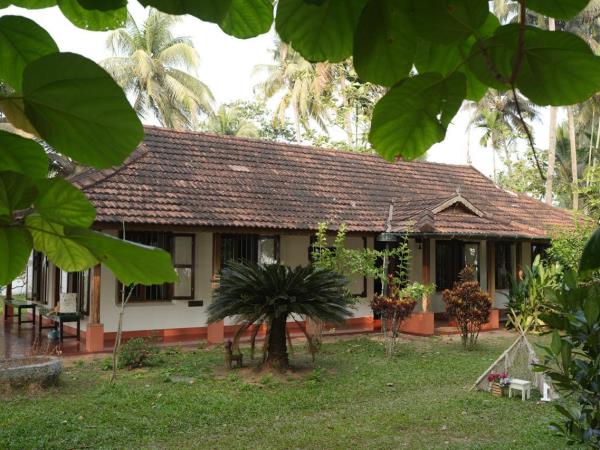
Cochin homestay accommodation
From Rupee 5500 - Rupee 8500 per accommodation per night (sleeps 2)
Waterfront homestay close to Fort Cochin
Kerala accommodation, India
From Rupee 8000 - Rupee 10500 per house per night (sleeps 2)
Savor Cuisine, Embrace Culture, Reconnect with Nature