Overtourism advice for tour operators
Overtourism is when tourism degrades the quality of life of local people, as well as the visitor experience. In some destinations it’s not unusual for tourists to outnumber residents by a factor of 20 to one, a situation that has caused public backlash against overtourism in places as diverse as Bali, Barcelona and the Cotswolds.
While there are certainly some ‘inconsiderate’ tourists, people should not be blamed for wanting to see beautiful places at a budget they can afford, or for wanting to relax away from work, often with their families. But there are more and more people with the disposable income to travel, meaning that the problem of overtourism has the potential to get much worse.
We encourage destination managers and local authorities to design tourism plans and manage the industry around the needs and wishes of residents, in consultation with natural and cultural heritage experts – without this the actions of individual tour operators will be less effective. We have already proposed a number of other solutions to overtourism that could be employed, ranging from ‘demarketing’ severely affected destinations, to ending super-cheap flights.
However, all participants in the tourism industry have a role to play in curbing overtourism. In this article we lay out some practical steps that tour operators can take to reduce the negative impacts of their business on the lives of local people in the destinations in which they operate. And happily, in doing so they will also improve the experience of their customers.
Tour operators can have a significant impact by offering more vacations during the low and shoulder seasons instead (while simultaneously reducing the number of peak season vacations they offer). This helps local businesses by enabling them to benefit from tourism income over a longer period. It depends on the market being served of course – for instance, tour operators specialising in the family travel market certainly shouldn’t be encouraging parents to take their children on vacation during term time.
Another option would be to look at alternative, similar destinations nearby, which are far less busy. Tour operators should have the confidence to nudge travelers away from places that are affected by overtourism to ensure they have a better experience. Many travelers are wary of visiting places they haven’t heard much about, but if trusted tour operators are confidently recommending and talking about these places, that can be very persuasive.
However, this runs the risk of simply transferring the overtourism problem elsewhere, to places that may well be entirely unprepared for a significant and rapid growth in visitor numbers. Therefore, this is something that should be organised in conjunction with local authorities who know how these alternative destinations are managed.
Another element of this is employing guides from local communities. They will be more aware of opportunities to avoid overcrowded areas, as well as how to avoid any unintended affronts that guests might cause residents. These might include cultural and religious offences, or tourists blocking peoples’ way in markets or on public transport.

When a vacation visits or is based in an area affected by overtourism, or an itinerary has to be adapted to avoid crowds, tour operators can take the opportunity to explain the situation and their efforts to be a part of the solution.
By contrast, longer tours led by local guides, where possible involving overnight stays in locally owned hotels, create real financial benefits, and offer tourists a far more immersive and satisfying take on a destination.
On numerous occasions a place has suddenly become ‘Insta-famous’, perhaps for a special view, which can lead to tourism multiplying overnight. TikTok algorithms have also been responsible for sudden surges in popularity in some places. Residents might be prepared to tolerate that for a while, but when they can’t park their cars or their pavements are routinely blocked by tour groups, it doesn’t take long for patience to wear thin. Tour operators should resist following these trends, as this only adds to the problem.
Small, rural communities that tourists might visit such as when trekking in the hills of northern Thailand, or the mountains of Albania, can be overwhelmed very quickly even by a few dozen more people. In situations like this, tour operators should work with local people to ensure that the tourism is supportive rather than exploitative. In practise that could look like keeping visitor numbers to an agreed limit, enhancing traditional ways of life and ensuring that the entire community benefits equitably.
While there are certainly some ‘inconsiderate’ tourists, people should not be blamed for wanting to see beautiful places at a budget they can afford, or for wanting to relax away from work, often with their families. But there are more and more people with the disposable income to travel, meaning that the problem of overtourism has the potential to get much worse.
We encourage destination managers and local authorities to design tourism plans and manage the industry around the needs and wishes of residents, in consultation with natural and cultural heritage experts – without this the actions of individual tour operators will be less effective. We have already proposed a number of other solutions to overtourism that could be employed, ranging from ‘demarketing’ severely affected destinations, to ending super-cheap flights.
However, all participants in the tourism industry have a role to play in curbing overtourism. In this article we lay out some practical steps that tour operators can take to reduce the negative impacts of their business on the lives of local people in the destinations in which they operate. And happily, in doing so they will also improve the experience of their customers.
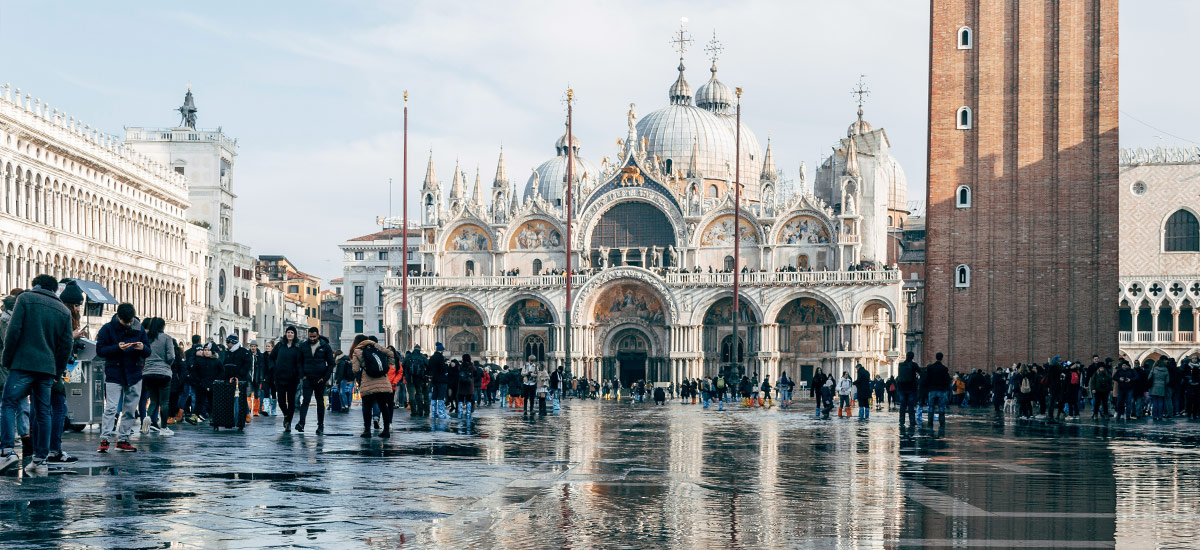
Venice, Italy. Photo by Ljubomir Žarkovi
Plan trips in off-peak periods
In many destinations, particularly those on the coast, the tourist season can be quite short, which means businesses must make enough money in the high season to carry them through the rest of the year, when custom is much slower. Yet travel to these places can still be perfectly pleasant outside the high season.Tour operators can have a significant impact by offering more vacations during the low and shoulder seasons instead (while simultaneously reducing the number of peak season vacations they offer). This helps local businesses by enabling them to benefit from tourism income over a longer period. It depends on the market being served of course – for instance, tour operators specialising in the family travel market certainly shouldn’t be encouraging parents to take their children on vacation during term time.
Diversify itineraries
Where vacations visit places that clearly suffer from overtourism, tour operators should look to adjust their itineraries to take this into account. For instance, why bring your guests into Barcelona city center at the same time as the cruise ships are disgorging thousands of passengers into the area? Tour operators should instead work to visit the hotspots at quieter times of the day or week, and wherever possible they should ensure their travelers stay overnight. This means the destination benefits more financially from their visit, and that the tourist gets to explore the area when it’s clear of day-trippers.Another option would be to look at alternative, similar destinations nearby, which are far less busy. Tour operators should have the confidence to nudge travelers away from places that are affected by overtourism to ensure they have a better experience. Many travelers are wary of visiting places they haven’t heard much about, but if trusted tour operators are confidently recommending and talking about these places, that can be very persuasive.
However, this runs the risk of simply transferring the overtourism problem elsewhere, to places that may well be entirely unprepared for a significant and rapid growth in visitor numbers. Therefore, this is something that should be organised in conjunction with local authorities who know how these alternative destinations are managed.
Collaboration over competition
In places that attract a steady stream of tourists, it can make sense for tour operators to collaborate with each other to better manage demand rather than compete against each other. As an example, where there are multiple companies offering boat trips in an area, they could work together when arranging their schedules so that they are not all converging in the same locations throughout the day. Or, if one tour operator has fully booked their trip(s) they could recommend customers to other local companies, which means the traveler should have a better experience.Prioritise hotels over short-term lets
Short-term vacation lets remove housing stock from the market. This is a direct cause of overtourism and results in accommodation becoming unaffordable for residents, which hollows out communities. Instead, tour operators should book their customers into hotels – preferably those that are locally owned and not all-inclusive – and other accommodation that can be effectively regulated and taxed.Work with people who understand the issue
If tour operators are serious about tackling overtourism, they need to ensure that everyone in their own organisation is conscious of the issues, as well as the partners that they work with. So, where tour operators are coordinating with local ground teams to organise the logistics of their tours, they need to seek out companies that understand how overtourism affects the places they are working in, and genuinely want to solve it.Another element of this is employing guides from local communities. They will be more aware of opportunities to avoid overcrowded areas, as well as how to avoid any unintended affronts that guests might cause residents. These might include cultural and religious offences, or tourists blocking peoples’ way in markets or on public transport.
Photo by George Dagerotip
Spend locally
Resentment builds when large numbers of visitors spend time in a destination but don’t spend much money – the cruise industry is notoriously exploitative in this way. Tour operators can design their trips to leave as much money as possible in the local economy. Among the easiest ways to do this are arranging (or recommending) visits to locally owned shops and restaurants, and creating employment by hiring local people wherever possible, such as for transfers or guiding. If residents can see that tourism is delivering a tangible benefit to their community, they are likely to have greater tolerance towards the inconveniences that it also brings.Support communities
An easy way for tour operators to demonstrate the positives of tourism, helping to counteract the all-too-obvious negatives like crowding and noise, is by making financial contributions to projects in local communities. However, tour operators must accompany donations or other forms of support with genuine efforts to reduce overtourism, or they can be accused of trying to launder their reputations.Advise with honesty
Overtourism is a pressing issue that receives a great deal of media coverage. Additionally, in some destinations such as Barcelona and the Balearic Islands, residents are becoming increasingly vocal in their campaigns against overtourism. With many travelers now very conscious of the issue, too, it makes more sense to tackle the subject head-on than it does to ignore it.When a vacation visits or is based in an area affected by overtourism, or an itinerary has to be adapted to avoid crowds, tour operators can take the opportunity to explain the situation and their efforts to be a part of the solution.
Avoid ‘whistlestop’ tours
‘Whistlestop’ tours, where groups visit the best-known locations in a destination in as little time as possible, don’t just create a rushed and unsatisfactory experience for the visitor. They also have an overwhelmingly negative effect on communities. Typical of cruises and coach vacations, such tours bring with them crowds, noise and disruption, but leave very little money in the local economy.By contrast, longer tours led by local guides, where possible involving overnight stays in locally owned hotels, create real financial benefits, and offer tourists a far more immersive and satisfying take on a destination.
Think small
In such a competitive industry there’s an obvious temptation for tour operators to sell vacations for low prices to as many people as possible, rather than focusing on higher value trips that appeal to fewer people. But if mass tourism was ever practical or desirable, it certainly isn’t anymore. Tour operators should instead look to smaller groups, which will in turn allow them to use smaller, locally owned accommodation.Avoid causing congestion
It’s rarely practical for tour groups to get around by public transport (Japan being a notable exception, with excellent train services) but where groups must travel around by private transport, tour operators should act to avoid causing congestion. One option might be to ensure groups are not in transit during rush hour traffic. Vehicles should always be parked in defined areas set aside for them, and never left in residential areas for convenience or to save money.Market responsibly
While no-one is deliberately setting out to cause overtourism, the way that tour operators market their vacations can inadvertently play a part. When travel marketing uses expressions like ‘bucket list’, ‘must-see’ and ‘don’t miss’, it drives demand to places and landmarks that might already be well-known and struggling with visitor numbers, or more ‘under the radar’ and unprepared for large volumes of tourists.On numerous occasions a place has suddenly become ‘Insta-famous’, perhaps for a special view, which can lead to tourism multiplying overnight. TikTok algorithms have also been responsible for sudden surges in popularity in some places. Residents might be prepared to tolerate that for a while, but when they can’t park their cars or their pavements are routinely blocked by tour groups, it doesn’t take long for patience to wear thin. Tour operators should resist following these trends, as this only adds to the problem.
Remember overtourism doesn’t just affect cities
We can see very clearly how cities like Dubrovnik, Barcelona and Venice suffer from overcrowding. Images of narrow streets lined with thousands of people nose-to-nose make the point vividly. But it’s not only cities that are affected by overtourism, and more remote places actually have a worse situation, as they will likely lack the infrastructure to cope with even a small growth in tourism.Small, rural communities that tourists might visit such as when trekking in the hills of northern Thailand, or the mountains of Albania, can be overwhelmed very quickly even by a few dozen more people. In situations like this, tour operators should work with local people to ensure that the tourism is supportive rather than exploitative. In practise that could look like keeping visitor numbers to an agreed limit, enhancing traditional ways of life and ensuring that the entire community benefits equitably.