Overtourism solutions
The crisis of overtourism, where communities are overwhelmed by tourism with negative effects for both residents and visitors alike, is nothing new. It’s an issue that’s been around for decades, but one that is worsening and now drawing global attention.
In popular destinations around the world, from Barcelona to Dubrovnik, Venice to Hawaii, local people are becoming increasingly vocal, protesting that their homes are populated mainly with tourists, and that tourism is now causing more harm than good.
At the same time, tourists report disappointing vacation experiences due to overcrowding, long queues, and the ‘Disneyfication’ of destinations to the point where little local culture or ways of life remain.
Until relatively recently, the tourism industry, and many destinations that were obsessed with growing tourist numbers at any cost, simply turned a blind eye to the problem. But now they, along with the UNWTO (the World Tourism Organisation) are desperately casting around for solutions to overtourism.
But in the same way that overtourism is not new, the solutions to it are not new either. Academics and forward-thinking destinations have been developing solutions for decades. The problem is not a lack of abilities to solve this issue, but an unwillingness to accept there is a problem or to commit to dealing with it.
Crucially, every situation is different. There is no ‘one size fits all’ fix for overtourism that can easily be applied to any destination. In some cases, a more responsible approach to managing tourism can solve overtourism issues. However, in other cases it’s simply a numbers problem, and a reduction in visitor numbers is essential.
Below, I’ve outlined some of the most effective overtourism solutions that destinations currently employ.
In popular destinations around the world, from Barcelona to Dubrovnik, Venice to Hawaii, local people are becoming increasingly vocal, protesting that their homes are populated mainly with tourists, and that tourism is now causing more harm than good.
At the same time, tourists report disappointing vacation experiences due to overcrowding, long queues, and the ‘Disneyfication’ of destinations to the point where little local culture or ways of life remain.
Until relatively recently, the tourism industry, and many destinations that were obsessed with growing tourist numbers at any cost, simply turned a blind eye to the problem. But now they, along with the UNWTO (the World Tourism Organisation) are desperately casting around for solutions to overtourism.
But in the same way that overtourism is not new, the solutions to it are not new either. Academics and forward-thinking destinations have been developing solutions for decades. The problem is not a lack of abilities to solve this issue, but an unwillingness to accept there is a problem or to commit to dealing with it.
Crucially, every situation is different. There is no ‘one size fits all’ fix for overtourism that can easily be applied to any destination. In some cases, a more responsible approach to managing tourism can solve overtourism issues. However, in other cases it’s simply a numbers problem, and a reduction in visitor numbers is essential.
Below, I’ve outlined some of the most effective overtourism solutions that destinations currently employ.

Engage with local people
When we travel we take our vacation in somebody else’s home. Our stay can impact their local environment, cultures, economy and ways of life. Therefore, treating people and the places they live with respect is the right thing to do, and any attempts to solve overtourism must start with taking the views of residents into account.
This belief, that tourism should be a win-win for you and for the places and communities you visit, is at the heart of responsible travel.
As such, it places the need to improve destinations for the benefit of local people at the heart of its mission. It seeks to maximise the benefits of tourism (such as the creation of jobs, the conservation of natural and cultural heritage, improvements in infrastructure to benefit local people etc) and to minimise negative impacts (waste generation, overuse of water, damage to heritage, negative cultural impacts of visitors etc).
There are many ways that local people can be brought into the conversation around (over)tourism in their homes, from surveys to public meetings, to tracking opinion on social media. And there are also many areas where they can have a say, from visitor numbers to investment, to how they engage with tourism.
Of course, it is not only the opinions of residents that matter – there are many groups that have a stake in tourism. But ultimately it is residents’ opinions that must take priority.
This belief, that tourism should be a win-win for you and for the places and communities you visit, is at the heart of responsible travel.
As such, it places the need to improve destinations for the benefit of local people at the heart of its mission. It seeks to maximise the benefits of tourism (such as the creation of jobs, the conservation of natural and cultural heritage, improvements in infrastructure to benefit local people etc) and to minimise negative impacts (waste generation, overuse of water, damage to heritage, negative cultural impacts of visitors etc).
There are many ways that local people can be brought into the conversation around (over)tourism in their homes, from surveys to public meetings, to tracking opinion on social media. And there are also many areas where they can have a say, from visitor numbers to investment, to how they engage with tourism.
Of course, it is not only the opinions of residents that matter – there are many groups that have a stake in tourism. But ultimately it is residents’ opinions that must take priority.
Sustainability accounting
Tourism destinations need to develop what is known as sustainability accounting practices.
Simply tracking tourist numbers without any measurement of how much money is retained locally (instead of leaking out to internationally owned hotel or cruise ship companies), or the social and environmental cost of hosting these visitors, is not effective.
Sustainability accounting can measure the benefits and costs of tourism using the triple bottom line – economic, social and environmental. This will reveal the net benefit, or otherwise, of tourism.
Sustainability accounting can measure the benefits and costs of tourism using the triple bottom line – economic, social and environmental. This will reveal the net benefit, or otherwise, of tourism.
Establish limits of acceptable change
Tourism inevitably changes a destination, and overtourism does that drastically. Establishing the limits of what change is acceptable is a participatory approach, with local people, governments, the tourism industry, environmentalists and so on, working together to define when and how tourism starts to cause problems.
These stakeholders can then define a number of things they would see, or experience, that would indicate that tourism is becoming a problem. These are the ‘limits for acceptable change’. When they happen, adaptations will be needed.
Limits of acceptable change in tourism might include water shortages; increasing prices of shops, markets and restaurants as suppliers start to cater for tourists; residents struggling to access places that are overrun by tourists; pollution; residents struggling to park their cars due to spaces being dominated by tourists; increase in unsociable behaviour, etc.
In our view, this approach is preferable to tracking carrying capacity, which defines the maximum number of tourists in a destination or visitor attraction that can be sustainably accommodated, as those numbers can be arbitrary.
The limits of acceptable change should be reviewed periodically and don’t represent a fixed set of criteria.
These stakeholders can then define a number of things they would see, or experience, that would indicate that tourism is becoming a problem. These are the ‘limits for acceptable change’. When they happen, adaptations will be needed.
Limits of acceptable change in tourism might include water shortages; increasing prices of shops, markets and restaurants as suppliers start to cater for tourists; residents struggling to access places that are overrun by tourists; pollution; residents struggling to park their cars due to spaces being dominated by tourists; increase in unsociable behaviour, etc.
In our view, this approach is preferable to tracking carrying capacity, which defines the maximum number of tourists in a destination or visitor attraction that can be sustainably accommodated, as those numbers can be arbitrary.
The limits of acceptable change should be reviewed periodically and don’t represent a fixed set of criteria.
Clamp down on short-term lets (STLs)
Short-term letting platforms such as Airbnb are among the main offenders when it comes to overtourism. Short-term lets (STLs) take away vital housing for residents, they take away jobs that might otherwise fall to hotels, they don’t pay the same level of taxes as hotels and they hollow out communities, so that people living in city centers often don’t know who is (temporarily) living next door to them.
Additionally, short-term letting platforms often market destinations using highly stylised imagery, driving demand from tourists while at the same time creating unrealistic expectations for them.
Airbnb argues that it actually reduces overtourism by spreading accommodation around a destination. But if you are staying in the suburbs, you’ll likely only be sleeping there – most of your time is still going to be spent in the main touristy areas of your destination.
Restricting and taxing STLs is a good way to curb overtourism in many destinations, though outright bans are probably not the way forward.
Additionally, short-term letting platforms often market destinations using highly stylised imagery, driving demand from tourists while at the same time creating unrealistic expectations for them.
Airbnb argues that it actually reduces overtourism by spreading accommodation around a destination. But if you are staying in the suburbs, you’ll likely only be sleeping there – most of your time is still going to be spent in the main touristy areas of your destination.
Restricting and taxing STLs is a good way to curb overtourism in many destinations, though outright bans are probably not the way forward.
Introduce tourist taxes – but don’t rely on them
Tourist taxes are increasingly common, especially in Europe, where they are usually collected by hotels, which then pass the money on to the local government. For the tourist it can mean the price of a week away goes up by perhaps GBP£10-15 per person, likely only a fraction of your total vacation cost. But multiplied by a few million people every year and that’s a lot of money that can be invested into infrastructure, cleaning or developing new attractions.
However, when it comes to actually tackling overtourism, tourist taxes are a clumsy and largely ineffective tool. They are typically targeted at overnight visitors, when actually they bring more benefits and fewer problems to a destination than day trippers or cruise passengers. Also, because tourist taxes must be kept to a reasonable amount, they are unlikely to really put many people off visiting.
However, when it comes to actually tackling overtourism, tourist taxes are a clumsy and largely ineffective tool. They are typically targeted at overnight visitors, when actually they bring more benefits and fewer problems to a destination than day trippers or cruise passengers. Also, because tourist taxes must be kept to a reasonable amount, they are unlikely to really put many people off visiting.
De-market crowded destinations
There are many ways to manage down tourist numbers. The first is to simply reduce the number of available beds. That might mean refusing licenses for new hotels, reductions in STL capacity or reduction in access for cruise ships. Other methods include reducing or ceasing all marketing to over visited hotspots, or promoting other places that might need (and be able to manage) increased tourist numbers, instead.
Pricing is another technique that can be employed to reduce demand. It can be used as part of strategies to target specific types of customer groups. This might sit uncomfortably with ideals of making the world's heritage accessible to all, but without managing impacts, heritage can be damaged or destroyed so that, in the end, nobody can benefit. However, there are ways around this dilemma.
In the past, before King Charles ascended to the throne, he occasionally opened his private garden to the public and demand was massive. Rather than price people out, applications could only be made by people who were members of gardening clubs. He was effectively selecting people he thought would most benefit. I could see this idea working more broadly.
Pricing can be different during peak seasons, or dynamic pricing can be used at different times of day to deter people from visiting museums and other attractions at peak times.
Pricing is another technique that can be employed to reduce demand. It can be used as part of strategies to target specific types of customer groups. This might sit uncomfortably with ideals of making the world's heritage accessible to all, but without managing impacts, heritage can be damaged or destroyed so that, in the end, nobody can benefit. However, there are ways around this dilemma.
In the past, before King Charles ascended to the throne, he occasionally opened his private garden to the public and demand was massive. Rather than price people out, applications could only be made by people who were members of gardening clubs. He was effectively selecting people he thought would most benefit. I could see this idea working more broadly.
Pricing can be different during peak seasons, or dynamic pricing can be used at different times of day to deter people from visiting museums and other attractions at peak times.
Reduce demand in peak periods
Seasonality often means that tourist numbers are concentrated into just a few short months or even weeks, which leads to overtourism. Clearly one strategy for addressing overtourism then is to seek to spread tourist arrivals over wider periods of time.
There are limits to how effective this can be – especially as many families and academic staff can only travel during school vacation periods. But techniques such as seasonal pricing and better promotion of shoulder seasons can help to reduce demand at peak times.
There are limits to how effective this can be – especially as many families and academic staff can only travel during school vacation periods. But techniques such as seasonal pricing and better promotion of shoulder seasons can help to reduce demand at peak times.
Curb cheap flights
Budget flights have been a boon and a curse since the early 2000s when many carriers emerged. Although they have made seeing the world much more accessible, they dramatically push up tourist arrivals, cause massive levels of pollution and their prevalence means governments invest less in public transport networks.
The tourism industry must address the issue of how major tax breaks for the aviation sector have helped the proliferation of super cheap flights. A return flight from the UK to mainland Europe can cost as much as a couple of pizzas and a glass of beer.
The fact that aviation fuel is not subject to tax or VAT, and that the aviation industry has effectively been handed a massive tax subsidy, is the issue that nobody wants to talk about or do anything to address. Read our aviation manifesto to learn what we think needs doing.
Hopefully I’ve shown in this brief summary that many of the tools to manage overtourism already exist. It has been a challenge to persuade the industry, including the tourist boards and destination managers that ignored the issue for decades, that the era of endless and badly managed growth is over. But going by the level of protests from local people and tourists alike that are springing up around the world, it can’t be ignored any longer.
What you can do:
Watch our film
Learn more about overtourism
How travelers can help
The tourism industry must address the issue of how major tax breaks for the aviation sector have helped the proliferation of super cheap flights. A return flight from the UK to mainland Europe can cost as much as a couple of pizzas and a glass of beer.
The fact that aviation fuel is not subject to tax or VAT, and that the aviation industry has effectively been handed a massive tax subsidy, is the issue that nobody wants to talk about or do anything to address. Read our aviation manifesto to learn what we think needs doing.
Hopefully I’ve shown in this brief summary that many of the tools to manage overtourism already exist. It has been a challenge to persuade the industry, including the tourist boards and destination managers that ignored the issue for decades, that the era of endless and badly managed growth is over. But going by the level of protests from local people and tourists alike that are springing up around the world, it can’t be ignored any longer.
What you can do:
Watch our film
Learn more about overtourism
How travelers can help
More Responsible tourism articles

Our guide celebrates the good that tourism can do in nature and communities.
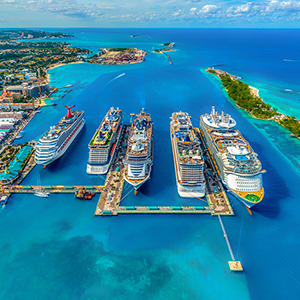

When it comes to the future of tourism, it's essential that local people have their say.

A radical concept, regenerative tourism differentiates itself from sustainable tourism – but can its big ideas catch on?

There are certain aspects of tourism where we believe we have a responsibility to just shout ‘stop!’.


Small travel companies, big impacts - read about some of our inspiring partners.
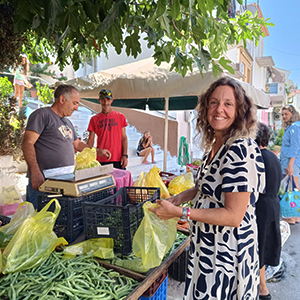
Indulge yourself with our guide to the joy of eating local when you’re away.

Responsible tourism is not all about the bad and the ugly.

Congrats to this year's winners: Lemon Tree Hotel and Tren Ecuador.

Meet this year's inspiring overall winner, LooLa Adventure Resort.
Learn who took home the Responsible Tourism awards in 2014, and why.

TUI Nederland took home the gold for its work in child protection.

This year's winners show how to tour India's slums on an ethical basis.

A small Indonesian resort made a big difference in alleviating poverty.
We celebrate a Kiwi community's amazing wildlife tourism initiative.
Worthy winner New Zealand uses tourism to make better places to live and visit.

Explore the full list of this year's winners, including the New Forest.

Ol Malo Lodge & Trust and Intrepid Travel share the glory in 2006.

Spoiler alert - Tribes Travel win for their brilliant community tourism work.

Browse the categories and the fantastic winners of our first RT awards.
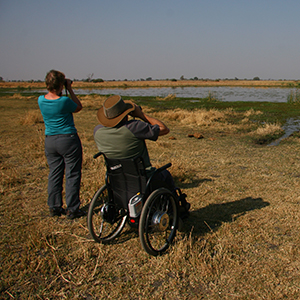
We highlight some of those doing great work to make tourism more accessible.

Highlighting those with a progressive ethical approach to animals in tourism.

Spotlighting brilliant bloggers who inspire people to vacation more responsibly.

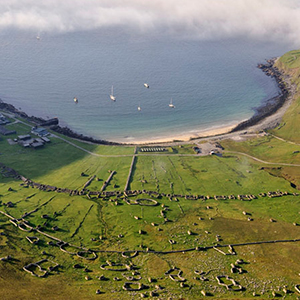
Tourism can make places better to live, and to visit.