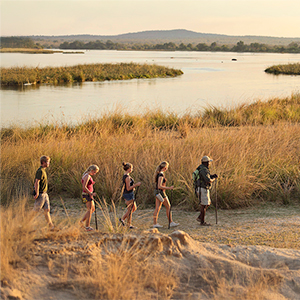
2014 Winners
Overall joint winners:
Campo and Parque dos Sonhos & South African Animal Sanctuary Alliance
The judges wanted to recognise two very different category winners. The Sanctuary Alliance for demonstrating that animal attractions can liberate previously captive wildlife and, without petting or exploitation, be commercially successful. Parque dos Sonhos for demonstrating that truly inclusive tourism can enhance the adventure activity experiences for everyone and enable families and friends to share the experience. Both winners demonstrate that it is possible to address the rights agenda, to swim against the tide, and be commercially successful.The World Responsible Tourism Awards ceremony was hosted at World Travel Market on World Responsible Tourism Day. The Awards were presented by Justin Francis, Managing Director of responsibletravel.com, organiser and founder of the Awards, and Her Excellency Maitha Al Mahrouqi; Undersecretary of Oman Ministry of Tourism, headline sponsor of the Awards.
Best animal welfare initiative
Gold award:
World Animal Protection
As well as changing its name from the World Society for the Protection of Animals to World Animal Protection, this eminent UK based charity has also upgraded its remit of late. Having spent the last 50 years campaigning and, in many cases, winning, to protect both wild and domestic animals worldwide from mass culling, the horrors of so called entertainment such as bear baiting, or the damage caused to marine life from discarded fishing gear, it is now hitting the tourism industry directly. Through its Compassionate Travel campaign it is reaching out to international bodies to put a stop to the unnecessary use of wild animals in tourism.Gold award:
South African Animal Sanctuary Alliance (SAASA)
Animal sanctuaries should do what they say on the tin; be a sanctuary for animals that have been injured or harmed. A place to help and heal. It doesn't occur to most tourists to question that a sanctuary could have any other mission but, sadly, some are more about making money out of tourists than making a better life for animals. Which is why an alliance has been created in South Africa. The South African Animal Sanctuary Alliance (SAASA) is like the super model of how sanctuaries should practise conservation and how they should present themselves on the world tourism stage.Best aviation programme for carbon reduction
Gold award:
TUI UK and Ireland
TUI UK & Ireland operates in 180 destinations worldwide and employs around 77,000 people. As well as having an impressive commitment to sustainability, this award focuses on the innovative work they have undertaken to reduce carbon emissions within their retail outlets and offices for all of their brands, which include Thomson and First Choice, with a total of over 600 shops. Blue skies thinking from a company that likes to promise blue skies to all its travelers.Communicating an energy reduction strategy to 5000 members of staff stretches way beyond changing lightbulbs, or making sure the computers are switched off at the end of the day. Using their own 'TUI Turtle Dashboards', which operate a simple traffic light system to indicate an individual shop's progress against energy reduction targets, they have achieved a 25% reduction in carbon emitted in a single year and, between 2010 to 2014, the company achieved a 40% reduction in carbon emitted from all offices and retail shops. This reduction was also as a result of innovative new technology, such as replacing air conditioning systems with newer, climate-friendly gas alternatives, installing voltage optimisers to deliver power at a reduced voltage from the mains supply, installing building management systems to monitor and adjust consumption and refitting shops with energy efficient lighting.
Silver award:
Airport Authority, Hong Kong
In an area as complex as carbon reduction, data monitoring is crucial to showing real results. And the Airport Authority, Hong Kong proves that it has top airport control when it comes to watching exactly what is coming and going. Which is vital, given that they were pioneers in setting a 25% carbon reduction pledge by 2015, something many airports can watch and learn from when it comes to cutting carbon across the board.What makes the Airport Authority, Hong Kong stand out, is that it does not just monitor its carbon emissions, but also those of its suppliers. The APU, or Auxiliary Power Unit, ban, which means that airplanes can't leave these engines running unnecessarily, has helped enormously. Solar run escalators and loading vehicles are environmentally sound too. As is the more efficient air con systems and the electric vehicles used in the airport. But in fact, given that 60% of emissions are the responsibility of airport suppliers, not the airport itself, it is Airport Authority Hong Kong's efforts to get everyone on board that really stands out. They now have a Carbon Audit System that is used by its business partners, 46 participating to date, to help them monitor what their carbon footprint is, and also sharing best practice in making it lighter. Their business partners use this system, created by the Airport Authority for free, and receive invaluable training and mentoring in order to work towards this common cause. Showing this is no fly by night scheme. It is, in fact, flying high.
Silver award: North Sailing
Whale watching is a bucket list tick box for many people, but this company, that has been running whale watching trips for the last 20 years from the town of Húsavík in North Iceland, shows not only that is it so much more than a 'tick box' experience, but that it can be done in a responsible and carbon free way. Which not only saves the whales, but saves the planet.North Sailing uses, not surprisingly, wind power, but has to use engines to take on the oceans too. And given that it aims to be the first emissions free whale watching company in the world, it has created a unique Regenerative Plugin Hybrid Propulsion system (RPHP) for this purpose. All on board a traditional Iceland oak schooner too. Running on renewable energy, it is not only clean but it is quiet, leading to a better experience for the visitors exploring these wild habitats as well as the whales. The aim is to convert their whole fleet of seven sailing vessels by 2020, a fleet that is already impressive given that they are the only active vessels of their kind along Icelandic shores. And soon to become the world's first whale watching company to offer zero carbon emission ocean sails too. All from a small town in the North of Iceland.
Best for beach tourism
Gold award:
Chole Mjini Conservation
Who can't love the fact that Chole Mjini Island is part of an archipelago called Mafia? And yet this is a place where the more well-known mafia couldn't possibly exist, with no roads, no cars, no electricity, no computers, no mobile phones. No buildings to hide in either, just seven tree houses that are open to the elements, where luxury is about having time and space to enjoy the sheer natural beauty of this island idyll, just south of Zanzibar.Created and owned by visionaries Anne and Dr Jean P. de Villiers, Chole Mjini lies in the middle of the Mafia Island Marine Park (MIMP), the largest marine park in East Africa. They were drawn to the island originally to have a boat built by local people, many of whom are skilled traditional dhow builders. You simply need to go there to find the rest of the story, and it is quite some story but, in short, the de Villiers' sealegs became landlegs, and they commissioned these skilled artisans to come on board their vision for an island retreat instead. So, built entirely by local people, these stunning tree houses were born, and launched not only as a place to escape to, but also as an agent of positive change for the island's community. When it was built in 1993, there was only one islander who had proceeded beyond primary school and only one person in salaried employment. The success of Chole Mjini has allowed classrooms, teachers' housing, a hospital, library, market, and a women's center to be built. Through their Chole Mjini scholarships there are now secondary school and university students and many people in permanent employment. So, as well as being a commercial success, they raise funds for sustainable projects through guest donations, a $10 bed night levy, day visitor tickets and an ongoing trust fund.
With all of this comes environmental responsibility too. Something Anne and Jean don't take lightly, with Chole Mjini serving on the MIMP Advisory Committee, founding the Mafia Island Whale Shark Conservation Society (WHASCOS), establishing a sanctuary for fruit bats and working to keep local people informed and inspired about protecting their natural heritage. Anne and Jean are definitely locals themselves now, however, having raised their children on Chole Mjini, so together they can watch this special place thrive for generations to come. A place where one can definitely say, in an award-winning way, life's a beach.
Silver award:
Casa de las Olas
The secret of Casa de las Olas is out. Which isn't easy, because these guys like to keep their Caribbean dream lodges as secret as possible, not listing them on Google Maps, or giving directions on their website. Privacy is key here, but so is responsible tourism, with a commitment to sustainable building and living that is exemplary. Oh by the way, it's near Tulum Beach in Mexico. But that's as much as you're getting.Best city hotel
Gold award:
Gold award: Hotel Verde
Airport hotels aren't usually considered sexy, soulful or indeed sustainable, which is one of the reasons why Hotel Verde, just 400 metres from Cape Town International Airport in South Africa, stands out. With 145 rooms, this 4-star hotel combines eco chic with eco switched on, both in terms of its hospitality and sustainability.The other thing that is unusual about Hotel Verde is that it is family-run. Not usually a feature of airport conglomerates. Built by owners Mario and Annemarie Delicio, their responsible tourism policies emanate from a family vision and philosophy to create a more sustainable world, guiding them to infuse responsible practices into all areas of the hotel. Such as their grey water recycling plant, subsoil drainage water collection tank, wind turbines and photovoltaic panels. Most impressive is their 13km network of underground pipes to provide ground source heat. Specifically designed for Hotel Verde, they use the earth as a heat source in winter and "heat sink" in summer, boosting efficiency and dramatically reducing operational costs and the need for one of the greatest carbon criminals of all - air conditioning. Hotel Verde is also ahead of the game in terms of communicating its greening techniques, running engaging campaigns on social media, and offering original ideas to their guests, such as inviting companies to host their 'Carbon neutral year end' event at the hotel. So, sustainable? - tick. Sexy? - check out the living plant filtered swimming pool for starters. Soulful ?- this family run hotel lives and breathes sustainability, and shares this with every employee by integrating sustainability into every contract. Oh, and the walls and roof are alive, literally, which is music for the soul of any responsible traveler.
Silver award:
ITC Grand Chola
You know that ITC Grand Chola in Chennai, India, is serious about its sustainable practices when the main thing it boasts about is the fact that zero waste water goes into the sewers. They use their own sewage retreatment plant, which brings the water back to an almost potable state, but is then recycled into the building for horticulture, cooling towers and toilet flushing. As part of the ITC Hotel chain, one of the largest in India, the company as a whole promotes its responsible luxury above everything else. It isn't tucked away on the back page of its website, like many multinational hotel chains, but is there for all to see. And yet, we like the fact that Grand Chola chooses to shout about its sewage system first, rather than its wind farm that provides the entire hotel's electricity, or the solar panels that power 25% of hot water or the mandatory environmental training for staff. Oh, and then there's the tiny detail of it being the largest LEED Platinum Luxury hotel in the world. With water issues being crucial to India, they rightfully shout about that first and foremost. Because being sustainable is often about getting down and dirty, being open and honest, and Grand Chola is a leader in that respect.Jurys Inn, Brighton
Fitting into Brighton and Hove's aim to be the 'green capital' of the UK, Jurys Inn has taken exceptional steps towards being a highly responsible hotel. It is also proof that going the extra mile to make a difference to the environment, local community and culture is almost always down to the individuals working in an organisation. And with a full time sustainability manager on site at all times at Jurys Inn Brighton, you can see what a difference this makes. Nicola Cunningham is not only responsible for maintaining its high status as a Gold rated hotel in the Green Tourism Business Scheme (GTBS), with environmental strengths like having a remote access air conditioning system that can be controlled by reception when the bedrooms are not in use, impressive recycling of food waste, and the promotion of sustainable travel, but also its community commitment.Best cultural heritage attraction
There was no gold winner in this category this year. Professor Harold Goodwin, chair of the panel of judges explains why:
"The judges look for examples of excellent responsible tourism practice, examples that can inspire and which others may replicate. We are also mindful of previous winners and each year seek to ensure that the category winners are on a par with previous winners. We can only select from amongst those nominated and based on the information in the public domain, on the information they provide and the independent references."
Puebla is home to five major indigenous groups and the festivals highlight the importance of their on-going traditions, the most famous being The Festival of Day of the Dead. However, the cultural traditions are also celebrated at other times throughout the year, such as the Festival of Huey Atlixcayotl in Atlixco which gives thanks for the harvest; the Spring Equinox Festival which takes place at various archaeological sites in the state and the Flower Fair in Huauchinango. They are just a few examples of ways in which the people of Puebla have sought to keep their traditional place on the map for tourists. Consequently, they are also preserving these important cultural events for their own people, while generating substantial economic benefit from visitor income. It is rewarding to see that, in a fast changing world, the admiration of the festivals by outsiders has also refuelled local people's pride in their own history, with communities thriving as they come together in preparation for the festivals. The end product is a collection of festivals that celebrate the vast array of cultural diversity in this region, all produced in a way that is authentic and based on a principle of cultural preservation rather than commoditisation.
"The judges look for examples of excellent responsible tourism practice, examples that can inspire and which others may replicate. We are also mindful of previous winners and each year seek to ensure that the category winners are on a par with previous winners. We can only select from amongst those nominated and based on the information in the public domain, on the information they provide and the independent references."
Silver award:
Festivals of Puebla
Tourist heading to Puebla in east central Mexico will hear about the region locked in time, a time of strict Catholicism and colonialism. However, you have to search a bit deeper on the tourism websites to dig back to the pre-Hispanic heritage in this region, or just check out on of the seven Puebla festivals, which highlight to national and international tourists the unique cultural heritage of this state from way before the Conquistadors arrived.Puebla is home to five major indigenous groups and the festivals highlight the importance of their on-going traditions, the most famous being The Festival of Day of the Dead. However, the cultural traditions are also celebrated at other times throughout the year, such as the Festival of Huey Atlixcayotl in Atlixco which gives thanks for the harvest; the Spring Equinox Festival which takes place at various archaeological sites in the state and the Flower Fair in Huauchinango. They are just a few examples of ways in which the people of Puebla have sought to keep their traditional place on the map for tourists. Consequently, they are also preserving these important cultural events for their own people, while generating substantial economic benefit from visitor income. It is rewarding to see that, in a fast changing world, the admiration of the festivals by outsiders has also refuelled local people's pride in their own history, with communities thriving as they come together in preparation for the festivals. The end product is a collection of festivals that celebrate the vast array of cultural diversity in this region, all produced in a way that is authentic and based on a principle of cultural preservation rather than commoditisation.
Best destination
Gold award:
V&A Waterfront, Cape Town
It must be hard for Cape Town residents to imagine the V&A Waterfront not being there now, having put the city's run down harbour area back on the map. Big time. Since opening in 1990, it spreads over 326 acres of this historic area in Table Bay with leisure, entertainment and shopping outlets to play in. Yet all the time keeping a view back out on the water, reflecting the marine heritage attached to it.Best for engaging people & culture
Gold award:
Kutch Adventures, India
When you see a sponsor like the New York State Division of Tourism proudly hand over an award to a tiny Gujarati business like Kutch Adventures, it makes you realise what responsible tourism is about. We are all responsible for making this a better industry. Kutch Adventures was created out of a drive to revive the desert landscape of Gujarat, India, after its destruction in the 2001 earthquake, one of India's worst natural disasters. The community-focused business was founded by a local resident, Kuldip Gadhvi five years ago leading tours and hosting homestays for tourists.Having worked on post-earthquake projects in the community, Kuldip Gadhvi gained good working relationships with local people, which gave him the confidence to work hand in hand with them on guided tours and creating homestays. The latter are a new concept for Kutch, with Gadhvi educating villagers about how responsible tourists were keen to get an insight into their daily activities, such as cooking, farming and artisanal skills. Although so many tourists take homestays for granted, and consider it an honour to gain an insight into other cultures' private lives and lifestyles, local people don't often appreciate the fact that their lives can be interesting to others. For them, bread making and drinking tea together is the norm. Banal. When a facilitator like Kuldip Gadhvi comes along, he injects a sense of pride in these small communities, reassuring them that visitors aren't there to mock or patronise, but to learn and enjoy what isn't banal at all for them, but beautiful and a blessing to share.
What is refreshing about this model of homestays and village visits is that it aims to help villages break away from the traditional model of commission based tours, from which the community has not benefitted financially in the past. Gadhvi reassures that visits should not be 'fast food' tourism, but a genuine engagement with village life, which includes showcasing the vast array of craft and artisanal skills for which the region is famous, such as fine leatherwork, weaving and pottery. So, there are big apples and little apples in tourism, but when it comes to engaging with people and culture in a responsible way, we create room for all to grow.
Silver award:
Footsteps Eco Lodge, Gambia
You know that when you see an eco freshwater pool at an accommodation, they are the real thing, immersing themselves as best they can in environmentally responsible practices. Chlorine is so much easier, and yet nothing feels like a freshwater pool. It feels pure, natural and soothing. Which are all good metaphors for Footsteps Eco Lodge, really, a place that quietly gets on with the good work it believes in. Simply because it comes naturally to them.The responsible realities also kick in at Footsteps when you meet members of their staff such as Lamin Bojang. Lamin is the Lodge's birding guide, but also the founder of the Gunjur Cultural Heritage Museum, located in one of the oldest and biggest villages in the Gambia. Realising that local culture such as traditional language and history was being lost, he created a museum where the history of the area has been narrated by the Gunjar people, in traditional storytelling style. Footsteps has been a major partner in making this dream come true and, in return, they have one of the best birding guides in the country available to guests. Although a day of birdwatching with Lamin turns into a day of stories, meeting people, and discovering many local treasures too. Such is the ethos of Footsteps.
Since opening in 2002, they not only built a lodge using only a local workforce, used locally bought building materials and methods but also incorporated activities that support the local communities in many ways. Such as taking a guided cycling trip with local expert Musa Fatty. It does feel like one big local family at Footsteps, really with Dodou Touray, for example, who was part of the ground building team when the lodge was built, and is now General Manager. The fifteen staff members are given a fair and way beyond the average living wage, as well as up to 21 days paid leave per year, sick pay and pension benefits. The Gunjur community is at the heart of everything they do at Footsteps, as you can see in their 'Peace of mind' policy, which gets to the point a lot more quickly than many sustainability policies which seem to be totally detached from 'people'. In terms of responsible tourism, Footsteps should really be called Giant Footsteps, although they carry their achievements so lightly, and naturally, one might also call it Silent Footsteps.
People's Choice for responsible tourism
Winner:
Nam Nern Night Safari
Winner in the 2013 category, Best for Responsible Wildlife Experiences, Nam Nern Night Safari is located in north-eastern Laos (in the Nam Et-Phou Louey National Protected Area), a wildlife haven of tiger, gaur, Sambar deer, gibbons and otters. But, in the main, Nam Nern has their eye on the tiger, given that it has the largest known breeding population of tigers in Indochina.Nam Nern Safaris mixes cultural experiences, inviting visitors to enjoy a Lao picnic dinner and Khmu ethnic folk tales told by village guides, before setting off on a river night safari to spot wildlife and staying overnight in bungalows all built with local materials. Nam Nern involves tourists in conserving wildlife by asking them to keep a record of the animals that they see. Each animal is allocated a value, according to its endangered status: the more animals tourists see, the more money villagers get, which contributes to the process of eradicating poaching, which was an invaluable source of income for many people in the past. It's a simple model, and it works. Average sightings per boat have doubled from two to four in four years of operation and 90% of the tour revenue goes back to the communities. In addition, the project gives work to 38 individuals from 38 families.
A contract was signed with each village regarding the distribution of ecotourism benefits and was signed by every family in fourteen villages. Between 2010 and 2013, there have been 370 visitors and the revenues have been shared by over a thousand families. The village development fund generated $2,860 in 2013, roughly $200 per village. It has been used by villages to improve their well-being through small projects. Which is a win-win for everyone, and everything, and makes Nan Nern a winner for two years in a row also.
Best for people with disabilities
Gold award:
Campo and Parque dos Sonhos
From coffee plantation to fully accessible outdoor activity center in the luscious hinterlands of Sao Paulo. You can't get more fairly traded coffee than that. Because although Campo and Parque dos Sonhos hotel and adventure park started life in 1997 as a coffee plantation and organic farm, it is now a model of accessible tourism for the whole of Brazil, and beyond.Cavan Town & Environs
Cavan town is the heart of County Cavan, Ireland, a region packed with lakes and luscious countryside. Cavan town is also a celebrated town with many fine buildings and historic sites attracting 100,000 visitors a year. Since it undertook an Access Audit in 2007, Cavan has also made major efforts to become a fully accessible town.Silver award:
NATIVE Charming Hotels and Accessible Tourism
Based in Madrid, this alliance of hotels promotes total accessibility at all of its hotels, focussing on excellent communication methods so that people of all disabilities can inform themselves about hotel facilities. This starts with its website, www.nativehotels.org, which is in six languages, and has two systems of accessibility, the well-known W3C-WAI (level AA) system and the new Inclusite system.Best for poverty reduction
Gold award:
Adventure Alternative
Gavin Bate, the founder of Adventure Alternative, is a man who climbs mountains. And moves them too, by knowing clearly what he wants to achieve in tourism. Which is to take tourists into extraordinary, rural mountain landscapes in developing countries and, in doing so, pull the local people who host them out of poverty and into wealth creation.Silver award:
Lewa Wildlife Conservancy
Wildlife conservation isn't always synonymous with poverty reduction in tourism, at least not in tourists' eyes, whose focus is more on the preservation of wildlife than lifestyles. Lewa Wildlife Conservancy is already famous for its fine wildlife conservation work, but the achievements with regards to poverty are also worthy of note. Originally a cattle ranch, it was turned into a wildlife area, and then a conservancy, which means that funds raised from tourism are reinvested directly back into conservation and development projects.Mdumbi Backpackers
Mdumbi Backpackers in South Africa's Eastern Cape is a small accommodation with 36 beds, which has been thriving since it opened eleven years ago. Committed to the creation of and integration with small local businesses such as laundries and bakeries, Mdumbi Backpackers puts people and poverty alleviation before profits. Consequently, the owners are on the same pay scale as their staff, five of whom have 30% of the shares, and all shareholders agreed to give 10% of the profits to a community body. Also, as tourism leaders in the area, they work closely with the community as a whole to highlight how important tourism can be to their region, to create a pride of place, and facilitate the creation of other community run tourism projects. Mdumbi is exemplary as a form of tourism that is outward looking and forward thinking, generous in its community support and always playing a pedagogical role when it comes to helping others make their mark in tourism. Just as they have.Best short film for responsible tourism
Gold award:
Travel Oregon - "John Day River Territory"
This film is all about people power in tourism. Not only the people who made this beautiful series of films, entitled Communities Powered by Travel , but also all the people who feature in this one in particular, about the John Day River Territory, in Eastern Oregon, USA. The third in the series, it conveys stories of from a region which has suffered youth emigration due to lack of employment, and efforts made by a strong network of individuals along the John Day River corridor to remedy this through tourism.Silver award:
GLP Films - "Basecamp Foundation - Pioneering Sustainable Tourism in Kenya's Masai Mara"
GLP Film about Basecamp Foundation - Pioneering Sustainable Tourism in Kenya's Masai Mara captures the work of a school where Maasai tribespeople learn the skills of guiding and tourism generally. This school is unique in Kenya, and the film is an uplifting account of how the Maasai, both men and women, are becoming empowered through education. They are now embracing the benefits of nature tourism, with the Basecamp encouraging them to develop their own destinations and, in doing so, they are gaining a sense of pride when they realise that their skills are valuable and, indeed, unique.World Wildlife Fund - "The Guardians"
The World Wildlife Fund's film, The Guardians, captures the transformative effect of tourism on wildlife, wild places and the people who hold their future in their hands. Filmed in Namibia, it shows the journey that local people and government have made, by recognising that the human wildlife conflict can be resolved. The film focuses on the story of Namibian livestock farmer, Jantjie Rhyn, who came to appreciate the value of his country's wildlife when responsible tourism started to take hold.Best for wildlife conservation
Gold award:
Echidna Walkabout Nature Tours
Echidna Walkabout puts wildlife conservation at the heart of all their wildlife tours. Which sounds like the norm but when income raised from tours is ploughed back into serious conservation research, this takes tourism onto another level. Such is the work of Echidna, which was founded by Janine Duffy and Roger Smith in 1993 in Melbourne, Australia.Echidna Walkabout Nature Tours is a social enterprise and for-profit company which offers tours around the wildlife-rich regions of south-eastern Australia and also in the Northern Territory. As well as offering tours, their area of research expertise is wild koalas, one of the animals they introduce to their guests on tours into the Australian bush. Educating guests about the koala's history and lifestyle is almost as vital to their conservation efforts as their eminent research has been, because they guide a lot of people who aren't wildlife experts at all, and whose attitudes they can change about saving wildlife generally.
The research began in 1998 when Janine discovered that koalas have distinctive nose markings, meaning that research could be done using photography only. This is in contrast to traditional research methods which capture, tag and radio-collar koalas - a procedure that is expensive, dangerous and highly stressful to both animal and researcher. Echidna Walkabout now has 19,000 photographs to contribute to their research, and a scientific paper outlining their method is being prepared for publication. Echidna invests a huge amount of time and profit in koala research annually, as well as to other conservation efforts such as improving and preserving habitats.
Silver award:
Chambal Safari Hotels Pvt Ltd
Chambal Safari Hotels in Uttar Pradesh, is located on 36 acres of woodland and heritage farmland that has been owned by the same family since 1472. Now in the hands of birding enthusiast and conservationist Ram Pratap Singh, it has been transformed from its previous life as hosts of a bi-annual cattle fair and festival, to an eco lodge. Now part of the National Chambal Sanctuary, the lodge has not only put this wildlife retreat on the tourism map, but also been instrumental in saving and protecting their important habitats over the last fifteen years ago. At that time, the Sanctuary was under tremendous pressure to be exploited for sand mining purposes. Chambal Safari Hotels led a sustained campaign to stop this, educating villagers about not only the risks to wildlife and habitats, but also to local water levels if mining was to take place. The focus of Chambal has always, therefore, been to reassure the community that their inextricable link to their landscapes and resident wildlife is fundamental to their wellbeing and livelihoods.On Track Safaris
On Track Safaris lead small safaris to South Africa, Zambia and Uganda, although the work that really stands out for us is on leopards. This company has always had a mission to put conservation at the core of all its safaris. As well as offering all the usual elements of a safari, they invite and attract guests who want to play a role in the conservation of wildlife, not just capture them on camera for posterity. Consequently, they support non-profit conservation organisations, such as the INGWE Leopard Research program, which they created themselves to gather data on leopard behaviour and numbers. This was in response to the fact that although leopards are in significant decline, there was little data available to monitor this. In addition, leopards are still being trophy hunted, or shot because of conflict with livestock owners. On Track works on intense education programs with all of these parties, a task that requires much patience and understanding of the varying social and economic issues, in order to highlight the importance - ecological, ethical and economic - of keeping their leopard populations healthy.Winners by year
Winners by category
More Responsible tourism articles
Our guide celebrates the good that tourism can do in nature and communities.

When it comes to the future of tourism, it's essential that local people have their say.
There are certain aspects of tourism where we believe we have a responsibility to just shout ‘stop!’.

Small travel companies, big impacts - read about some of our inspiring partners.
Indulge yourself with our guide to the joy of eating local when you’re away.
Responsible tourism is not all about the bad and the ugly.

Congrats to this year's winners: Lemon Tree Hotel and Tren Ecuador.

Meet this year's inspiring overall winner, LooLa Adventure Resort.
TUI Nederland took home the gold for its work in child protection.

This year's winners show how to tour India's slums on an ethical basis.

A small Indonesian resort made a big difference in alleviating poverty.
We celebrate a Kiwi community's amazing wildlife tourism initiative.
Worthy winner New Zealand uses tourism to make better places to live and visit.

Explore the full list of this year's winners, including the New Forest.
Ol Malo Lodge & Trust and Intrepid Travel share the glory in 2006.
Spoiler alert - Tribes Travel win for their brilliant community tourism work.
Browse the categories and the fantastic winners of our first RT awards.
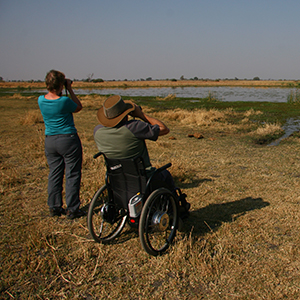
We highlight some of those doing great work to make tourism more accessible.
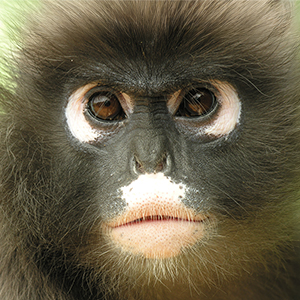
Highlighting those with a progressive ethical approach to animals in tourism.
Spotlighting brilliant bloggers who inspire people to vacation more responsibly.
Tourism can make places better to live, and to visit.