2015 Winners
Overall winner:
LooLa Adventure Resort
In choosing the overall winner, the judges look for examples which are surprising and inspiring. And this year, they all went loola for LooLa. An Indonesian island idyll, LooLa Adventure Resort is more switched on to sustainability, ecotourism and social responsibility than many of the top brand businesses claiming to be green leaders on these islands. Leaders who are not only committed to employing local staff, but supporting them to become entrepreneurs in their own right.LooLa Adventure Resort also jointly won our Best for beach category.
The World Responsible Tourism Awards ceremony was hosted at World Travel Market on World Responsible Tourism Day, 4 November 2015. The Awards were presented by Justin Francis, Managing Director of Responsible Travel who organise and founded the Awards, now in their 12th year.
Best for Poverty Reduction
Gold award:
Agri Tourism Development Company
Pandurang Taware is a man who understands the fundamentals of agritourism. Emanating from a small farming community in the Indian state of Maharashtra, this business not only invites guests to their own farm and agritourism business, but also shares its knowledge and understanding of rural tourism with 750 farmers around the state. Because, in India, and responsible tourism, we believe that sharing is caring.Given that this region is not on the traditional tourist trail, and people working in farming are not traditional tourism people, Agri Tourism Development has worked miracles to create such a strong enclave of agritourism in Maharashtra. India's agricultural sector is stagnating, with young people migrating to urban areas for employment, and Pandurang Taware is determined to turn around this trend. Consequently, they now boast 750 trained farmers and 218 agritourism locations across the state, with farmers experiencing a 33% increase in income. Products that they offer include family summer camps, blanket making from recycled clothes and other rural handicrafts that are sold at agritourism centers. The movement is now so big, it is becoming a bit like a Bollywood movie. Lots of players, huge enthusiasm and great stories to be told.
Silver award:
Grootbos Private Nature Reserve
A highly prestigious, 5 * nature reserve and eco resort in the Gansbaai region of South Africa right down on the southern tip. It may seem wonderfully remote to visitors, but it is tied in with the local communities in ways that guests often won't even know about. Because, as their stunning video tells you, "We are but a single thread in this complex web, bound together inextricably to conserve and protect diversity, to seek solutions that support humanity, to live in harmony with nature."OneSeed Expeditions
In some ways, this innovative travel company should be called TenSeeds, given that it plants 10% of its revenue (not profits) into micro finance schemes locally. Which is pretty rare in the tourism industry, it has to be said. It's the first thing you read about when you visit their website, because it's what they believe in, first and foremost. That and giving you a superb vacation, whether you are hiking to the top of Kilimanjaro, trekking in Patagonia or ice hiking in Chile.Uakari Floating Lodge
A floating lodge in the flooded forests of the Amazon. The biggest protected flooded forest in the world in fact, under the care of the Mamirauá Sustainable Development Reserve. It's hard to imagine many things cooler than that. Cool and eco-chic aren't usually two words associated with government departments either, but Uakari is actually a research center set up by the Brazilian Ministry of Science, Technology and Innovation. A Ministry that also ministers to communities that live there. Which is rare in our books. So, all in all, Uakari is too cool for school.Best Animal Welfare Initiative
Gold award:
Campaign Against Canned Hunting (CACH)
We have all seen the images - rich tourists posing for photographs after shooting a lion or other more endangered species. Shared worldwide on social media, most of us look on in disbelief that such practices, known as canned hunting, are still allowed to happen. Canned hunting refers specifically to the hunting of animals which have been enclosed in a confined, privately owned area. Albeit often a very large area so that they don't feel enclosed. Legal in South Africa, it attracts hunters from all over the world, who are prepared to pay vast amounts of money to shoot lions, send home their body parts and have them stuffed, for prowess. This South African based charity, however, engages with tour operators, airlines and governments to make sure that this 'can' becomes a 'can't' forever.Hetta Huskies
Mushing, dog sledding or husky journeys into snowy wilderness. Whatever you call them, few can resist the imagery of these blue eyed beauties, galloping through the snow, caring for and careering their cargo from one beauteous, blanketed landscape to another. This tourism adventure is growing rapidly in popularity. However, like so many tourism practices that involve animals there are good and bad ways of doing it. And because huskies are seen as indestructible, hardy, able to cope with any conditions, welfare issues are often overlooked. Hetta Huskies, however, based in Finnish Lapland, leads the way in mushing magnificence.Silver award:
Lotus Travel
Responsible tourism really becomes a 'movement' when small tour operators like Lotus Travel start to take on the world of animal protection. Running trips to Vietnam, India, Laos, Cambodia, Indonesia, Nepal, Japan, Malaysia, Sri Lanka, Myanmar and Bhutan, many of which have serious animal welfare issues when it comes to tourism, Lotus decided to start a movement of ethical change. No more eastern promises from people on the ground regarding animal protection anymore. But real change.The Donkey Sanctuary
The late Dr Svendsen, who founded the pioneering Donkey Sanctuary in 1969, had one motto for the charity's work: "In everything we do, donkeys will always come first, second and third". This should have also included "and everywhere we go", although at the time, Dr Svendsen may not have predicted the charity's future international prowess. And why the tourism connection? Because donkeys are used as human taxis in many tourist destinations, and often they are maltreated in the extreme.Best innovation for carbon reduction
Gold award:
TUI UK and Ireland
TUI UK & Ireland operates in 180 destinations worldwide and employs around 77,000 people. As well as having an impressive commitment to sustainability, this award focuses on the innovative work they have undertaken to reduce carbon emissions within their retail outlets and offices for all of their brands, which include Thomson and First Choice, with a total of over 600 shops. Blue skies thinking from a company that likes to promise blue skies to all its travelers.Communicating an energy reduction strategy to 5000 members of staff stretches way beyond changing lightbulbs, or making sure the computers are switched off at the end of the day. Using their own 'TUI Turtle Dashboards', which operate a simple traffic light system to indicate an individual shop's progress against energy reduction targets, they have achieved a 25% reduction in carbon emitted in a single year and, between 2010 to 2014, the company achieved a 40% reduction in carbon emitted from all offices and retail shops. This reduction was also as a result of innovative new technology, such as replacing air conditioning systems with newer, climate-friendly gas alternatives, installing voltage optimisers to deliver power at a reduced voltage from the mains supply, installing building management systems to monitor and adjust consumption and refitting shops with energy efficient lighting.
Silver award:
Airport Authority, Hong Kong
In an area as complex as carbon reduction, data monitoring is crucial to showing real results. And the Airport Authority, Hong Kong proves that it has top airport control when it comes to watching exactly what is coming and going. Which is vital, given that they were pioneers in setting a 25% carbon reduction pledge by 2015, something many airports can watch and learn from when it comes to cutting carbon across the board.What makes the Airport Authority, Hong Kong stand out, is that it does not just monitor its carbon emissions, but also those of its suppliers. The APU, or Auxiliary Power Unit, ban, which means that airplanes can't leave these engines running unnecessarily, has helped enormously. Solar run escalators and loading vehicles are environmentally sound too. As is the more efficient air con systems and the electric vehicles used in the airport. But in fact, given that 60% of emissions are the responsibility of airport suppliers, not the airport itself, it is Airport Authority Hong Kong's efforts to get everyone on board that really stands out. They now have a Carbon Audit System that is used by its business partners, 46 participating to date, to help them monitor what their carbon footprint is, and also sharing best practice in making it lighter. Their business partners use this system, created by the Airport Authority for free, and receive invaluable training and mentoring in order to work towards this common cause. Showing this is no fly by night scheme. It is, in fact, flying high.
North Sailing
Whale watching is a bucket list tick box for many people, but this company, that has been running whale watching trips for the last 20 years from the town of Húsavík in North Iceland, shows not only that is it so much more than a 'tick box' experience, but that it can be done in a responsible and carbon free way. Which not only saves the whales, but saves the planet.North Sailing uses, not surprisingly, wind power, but has to use engines to take on the oceans too. And given that it aims to be the first emissions free whale watching company in the world, it has created a unique Regenerative Plugin Hybrid Propulsion system (RPHP) for this purpose. All on board a traditional Iceland oak schooner too. Running on renewable energy, it is not only clean but it is quiet, leading to a better experience for the visitors exploring these wild habitats as well as the whales. The aim is to convert their whole fleet of seven sailing vessels by 2020, a fleet that is already impressive given that they are the only active vessels of their kind along Icelandic shores. And soon to become the world's first whale watching company to offer zero carbon emission ocean sails too. All from a small town in the North of Iceland.
Best for beach tourism
Gold award:
LooLa Adventure Resort
This Indonesian island idyll is far from going 'loola'. It is more switched on to sustainability, ecotourism and social responsibility than many of the top brand businesses claiming to be green leaders. Leaders who are not only committed to employing local staff, but supporting them to become entrepreneurs in their own right. And yet it hides its achievements under a tropical bushel. Not for long though, as it is recognised internationally for its capacity to have responsible adventures by the beach, while educating the next generation at the same time.Founded on Indonesian Bintan Island, close to Singapore, by Dr. Marc van Loo and Ms. Isabelle Lacoste (thus the Loo and La) in 2000, this eco resort specialises in adventure and activity vacations. Their dreamy cabins poised, picture perfect, on stilts, boast not only beauty but also exemplary sustainable building, energy and waste disposal practices. Their activities are low carbon and low impact, from coconut tree climbing to ziplining into their seawater pool, and very much aimed at families and schools. With education into the local ecology at the core of the education package.
The Bintan community is also at the core of what they do, with all fifty employees hailing from the island. Although the founders own 95% of the business, 5% of the shares are donated to employees. LooLa's innovative business model is based on the Dutch Polder system, which allows staff to set up their own independent businesses within LooLa, training and mentoring them to become entrepreneurs working in an empowered way, and in partnership. A system that is challenging in a local commercial culture that is, traditionally, based on the 'top down' approach. i.e. when the boss is boss, and everyone else has their place. Not at LooLa where there are now thriving, locally run food, drink and other retail businesses, leading to a substantial increase in staff income, minimal staff turnover and ongoing strong customer service. And let's face it, any business that has a zipline that goes straight into the pool, or sends its clients up to the top of coconut trees is not only switched on, it's cool. But that's going LooLa for you.
Gold award:
Soneva Fushi, Maldives
When nearly seventy people from the tiny island communities around Soneva Fushi's Kunfunadhoo island resort are taught to swim, it has a perfect ripple effect. Because teaching local people to swim is just a tiny part of Soneva Fushi's, in the Maldives, vision. Helping people, be they hosts or guests, understand the value of their natural heritage, rather than fearing it, is a fundamental part of Soneva's raison d'etre.Built in 1995 by Soneva founders Eva and Sonu Shivdasani, on the deserted island of Kunfunadhoo in the Maldives, Soneva Fushi was the first in a collection of environmentally friendly, luxury hotels, resorts and spas, all with the back to nature ethos. Connecting people with water while also preventing people's abuse of water, are always an issue for them, but something they embrace all the time. The environmental impacts of the BAARU organization, for example, a collaborative platform between the Baa Atoll resorts which was founded by Soneva, are far reaching. Such as lobbying to have the atoll protected as a UNESCO Biosphere Reserve in 2011 and also to ban shark fishing throughout the Maldives, with an ensuing law being passed in 2010.
Waste is always a pertinent issue on an island too, and Soneva Fushi recycles over 80% of waste through their state-of-the-art Eco Centro Waste-to-Wealth programme. In addition, 100% of food waste is composted and used on their vegetable gardens. Soneva Fushi also imposes a 2% environmental levy on each room, which goes directly to carbon reduction programmes managed by Soneva's own SLOW LIFE Foundation. And with 80% of staff coming from local islands, and all being educated in the 'slow' ethos, they are gaining a much deeper understanding of how they can sustain these island idylls. And keep them afloat forever.
Silver award:
& Beyond
To infinity &Beyond would be a good strapline for this safari company which, as well as offering luxury safari vacations in many African countries, is now stretching across the globe to take guests to see the wildlife wonders of South Asia and South America. And with such a pioneering spirit when it comes to safaris and wildlife conservation, and in particular with regards to their work along the coast of Zanzibar, it's no wonder there's a 'buzz' about them.Turtle Bay Beach Club
It is still rare to see the words 'all inclusive' and 'responsible' on the same page, because the two concepts are not usually happy bedfellows. Guests can lie in their beds at night at this North Kenyan resort with a clean conscience however, that they are supporting a business that practises what it preaches. To be responsible. The turtles that thrive on their Watamu coastline are pretty happy in their beds too.Best hotel for local sourcing
Gold award:
Atlas Kasbah Ecolodge
This eco Kasbah was built from scratch in 2009 in the Argan Biosphere Reserve, a UNESCO site to protect the endemic argan tree. But this Kasbah was built with a view to protecting and proud-sharing the Berber heritage, that of the owner, Hassan Aboutayeb. Pride, protection and pristine beauty oozes from every hand crafted corner of this 11 bedroom Kasbah, just twenty minutes from Agadir in the High Atlas Mountains.The Atlas Kasbah Ecolodge has the appearance of an ancient Berber fortress, even though it was built from scratch over a period of two and a half years using only traditional techniques and locally sourced, natural materials. All created by local craftsmen using ancestral knowledge of traditional architecture. The owners Hassan Aboutayeb and his wife Helene both have Masters degrees in sustainability, but they are also both masters at creating a business that segues seamlessly into the Berber communities all around. Employing staff from the Berber community is a fundamental aspect of the Kasbah's work, and they have led sensitive training within the community to change the mind-set of traditional families that women should not work outside the community. Consequently, 100% of staff is hired within the community, from hiking guides to hammam assistants and the communities supply produce for the Kasbah including food, local handicrafts, argan oil, and also bathroom products made by Berber women. Masters students produce papers. With 81% the Kasbah's income spent within a 50kms radius of the Kasbah, these masters of responsible tourism simply produce. And keep producing.
Silver award:
Matava, Fiji
Matava Eco Resort on Fiji describes itself as 'Fiji Untouched'. In fact, in the case of local communities, Matava actually touches the lives of many people on Fiji. Because this prestigious resort, with its already impressively light environmental footprint, sources everything locally. And if they can't, they grow it on their own organic farm. With the exception of things like PADI diving administration, and flights, if they can't get it in Fiji, it just doesn't feature. So if it's Moet you are after, best keep moving. If it's Fijian quality you enjoy, Matava is a marvel.Shangri-La's Villingili Resort & Spa
When a five star luxury resort opened on the Maldives' Addu Atoll, it proved quite a challenge for farmers and fishermen on this island. But Shangri- La's expertise in sustainability led to a five star strategy to solve the issues as best they could. Best being a nine fold increase in what they buy locally between 2013-2015, and a lot of local people returning home to work there.Best cultural heritage attraction
Gold award:
Loop Head Peninsula Heritage Trail
Many of Ireland's rugged landscapes which jut out into the wilds of the Atlantic are already well trodden on the tourist trail, such as The Dingle Peninsula or the Cliffs of Moher. But for years few people knew about one of its most stunning peninsulas: Loop Head in County Clare. However, that all changed after local community-led Loop Head Tourism Network created the Loop Head Heritage Trail in 2014. Making this a fine example of local people taking ownership of their heritage and, in so doing, setting a new, shiny emerald onto Ireland's tourism map.The Loop Head Peninsula Heritage Trail was created by a network of 47 local businesses, now the Loop Head Tourism Network, based on the remote Loop Head Peninsula in County Clare, Ireland.
Following extensive heritage training, entitled 'Learning from the Landscape', they created the Trail in 2014, incorporating holy wells, ring forts, standing stones and ancient buildings. The Trail is now just one of many of their cultural initiatives that are nationally and internationally celebrated.
As a remote, unpopulated landscape, with wide open expanses of land, Loop Head Tourism has seen the value in protecting and interpreting its cultural heritage. All now visible and accessible to tourists who, until the network's prolific initiatives, passed by the peninsula and its heritage highlights en route to traditional tourism destinations. As well as the Heritage Trail, locally organised festivals such as The Loop Head Walking Festival, Taste the Loop and traditional currach making courses have not only instilled a local sense of pride of place, but also led to the creation of one of Ireland's most successful regional tourism brands. They use the strapline, "Be prepared to be blown away." And indeed we were.
Silver award:
Bushmans Kloof
When an Australian archaeologist is flown all the way from Wollongong in New South Wales to a remote reserve in the Cederberg region of South Africa's Western Cape, you know something exciting is happening. In fact it feels like a veritable Indiana Jones movie. The real star of this set, however, is a magnificent collection of 130 documented rock art sites created by the San Bushmen, one of mankind's earliest societies, with paintings that are up to 10, 000 years old being revealed to visitors coming to this wilderness luxury resort of Bushmans Kloof.Cnoc Suain
Cnoc Suain is an Irish homestead high up in the hills overlooking Connemara's coastline, converted to a place where you can immerse yourself totally in Ireland's cultural heritage. When the owners of this cultural haven, Dearbhail Standún and Charlie Troy, took over the site in 1995, they discovered ruins of cottages hidden under the overgrown lands, and slowly went about rebuilding them. In addition, being professional musician and botanist/geologist respectively, they filled them with music sessions, a nature lover's library, Irish language sessions and plenty of local fare.Best for engaging people & culture
Gold award:
Urban Adventures
City tourism often focuses on architecture or 'attractions'. But this vacation company has put the word 'civil' back into city vacations. Because, going back to the Latin meaning of the word, we must never forget that cities are all about their citizens. And connecting tourists with citizens is what Urban Adventures is all about, with a wide variety of tours on offer - from joining Istanbul families for a Ramadam iftar feast as they break the long day's fast in the park, to cycling along the banks of Kerala's backwaters, stopping in homes for lunch and refreshments.A division of previous Responsible Tourism Award winner Intrepid Travel, Urban Adventures offers over 200,000 experiences in 82 countries and 120 cities, and employs 800 local guides. All the itineraries are created in partnership with independent local businesses, with a view to giving the tourist an insight into real life in the city. It was founded not only to benefit local entrepreneurs around the world, but also to empower them, with Urban Adventures offering support in areas such as marketing, social media and the creation of exciting itineraries. For example, the Food Tours range from a Hoi An Food Trail to a traditional Maldives meal in a local home. These tours have helped families in off-the-tourist-trail places like Samarkand, Varna and Tehran to gain income from welcoming travelers into their home for a cooked meal. Urban Adventures is all about cultural exchange and giving tourists access to tours that are created and led by local people. People for whom human connection and sharing living heritage, be it through food, craft or music, is not only profit making but also instilling a pride of place. Making this a win win urban venture, and indeed adventure.
Silver award:
Connemara Wild Escapes
This adventure company based in Letterfrack, Connemara, Ireland, has rousing quotes on each activity page. One from John Muir, hero of the national park system and environmental philosopher stands out: "Thousands of tired, nerve-shaken, over-civilized people are beginning to find out that going to the mountains is going home; that wildness is a necessity". This company not only shares the wild mountainous magnificence of Connemara with visitors, it opens up the homes, heritage and hearts of people who live there too.Felin Talgarth Mill
The proof of the success of this fine restoration of a 200 year old flour mill is not in the pudding, but in the proving. Because the first thing you smell when you come in here is the delicious scent of bread. And five years ago, before the community revived this fine example of artisanal architecture, Talgarth, in the Brecon Beacons region of Wales, was barren and bereft. Now it is baking up a storm. A superb story of heritage saving the day.Best accommodation for disability access
Gold award:
Endeavour Safaris
It is rare to see a conventional tourism business get its head around what disability access really means, but when a safari company does it, you really have to take your khaki hat off. And most importantly, Endeavour Safaris understands inclusivity in tourism. Because they are not just about providing safari camps for people with disabilities. They are just about providing nop notch safari camps. For everyone.Scandic Hotels
Not only are Scandic Hotels about location, location, location, but they are also about information, information, information. The bugbear of most people with access issues, especially in mainstream tourism, is that there is NO information to help them on websites. Nordic Hotel chain Scandic Hotels has proved that this is actually a no brainer, leading the way in mass tourism becoming accessible tourism.Silver award:
RuralSuite Hotel Apartamentos****
These guys, in the Navarre region of Northern Spain fully understands and embraces the fact that people with disabilities want to travel just as much as other people, whether it is for work or play. They understand that, just like everyone, people with disabilities want an adventure, to stay in beautiful accommodations, discover new places and cultures. Because tourism has to be inclusive, and RuralSuite Hotel Apartamentos realised that in order for them to be inclusive, they had to do more than the basic, legal requirements. But they made that look easy. Maybe because Navarre's tourism is all about natural experiences anyway. And at RuralSuite Hotel Apartamentos catering for all needs certainly comes naturally.Best destination for responsible tourism
Gold award:
Gansbaai
The Gansbaai is like an oyster that the local fishermen have opened only to discover a pearl inside - but that they then go on to share with all the world. Because Gansbaai, a town in the Overberg region, Western Cape, South Africa has transformed itself from fishing village to one of South Africa's most exciting, and community led adventure hubs, a process that has been led by the Gansbaai Tourism Association. The Gansbaai Tourism Association is one of South Africa's most proactive and passionate clusters of tourism businesses, from fishermen to fynbos conservationists. Because at Responsible Travel we know that responsible destinations don't just happen. People make them happen.Silver award:
Aruba
Sometimes it is hard to distinguish one Caribbean island from another, especially when it comes to photos of palm fringed beaches, rum cocktails and turquoise waters. However, some stand out in terms of their work to create a responsible tourism ethos throughout their island, and Aruba, one of the Dutch Antilles off the coast of Venezuela, is starting to glisten in that respect.Cyprus
Cyprus, with 2.4 million visitors every year, is tourism central. So it is reassuring when an island so devoted to hosting that many people every year, commits to taking serious steps towards being sustainable. The main step being that all hotels at 3* level and above, A class hotel apartments and tourist villages not only have to attain quality ratings from the Cyprus Tourism Organisation, but sustainability ratings too. And these are not just about changing lightbulbs either. Cyprus, as an ancient island with UNESCO world heritage sites with history dating back eons, knows that if you are going to do something, you are in it for the long term.Best for wildlife conservation
Gold award:
Honko Mangrove Conservation & Education
The Ambondrolava mangrove complex in SW Madagascar is not only one of the country's most stunning habitats, home to many endemic bird species, but also home to five mangrove communities. Communities that have depended on the mangroves for wood, fish and other animals for centuries. But as populations rise, the mangroves start to disappear, and so this charity works closely with these communities to help sustain an eco-equilibrium for everyone.A Belgian registered charity, founded in 2007, works with the communities and also with visitors to inform and educate about the importance of the mangroves, from its Mangrove Information Centre. The Centre not only plays a vital role in interpreting the ecological importance of Madagascar's Ambondrolava mangrove complex for visitors, but also in educating the surrounding mangrove dependent communities. Training in community-based mangrove management aims to secure a more sustainable future for this region, as the swamps are vital fishing grounds for local people to earn a livelihood. For example, the creation of a local community association, VOI Mamelo Honko, has led to the restoration of 18ha of deforested mangrove. Lands that are also habitat for 39 wetland bird species, including some endangered endemics. In addition, Honko runs training in sustainable fishing practices as well as educating about ways in which communities can diversify their much needed income sources. Such as through ecotourism, beekeeping, tilapia farming, and artisanal handicraft weaving. Consequently, the success of the Centre as an ecotourism and training organisation is now being used as a model in other mangrove wetland regions.
Silver award:
Coral Cay Conservation
You don't just go on a diving vacation with Coral Cay Conservation, you go on a marine expedition, taking part in vital research and marine exploration which contributes to the conservation of some of the most beautiful reefs in the world. Working mainly in the Philippines, Cambodia and, more recently in Montserrat, Coral Cay has been diving to make a difference since 1986.North Island Seychelles
Abandoned in the 1970's invasive species took over North Island in the Seychelles. Now a private island, the current resort restored it to luxurious standards, creating not only five star places to stay for their guests, but also five star habitats for the endemic residents, which they reintroduced to the island slowly but surely. Because creating a stunning resort is one thing, but rehabilitating an ecosystem is another grand design. But one which they have achieved on North Island.Tiger Trails Jungle Lodge
Tigers don't always shine brightly, sadly. In fact, there are only 3000 tigers left in the wild. Worldwide. Their demise is often related to the destruction of habitat, but Tiger Trails Jungle Lodge located in the Tadoba Andhari Tiger Reserve, at the entry point of the Tadoba National Park, in the Maharashtra state of central India, is extremely proactive in changing this.Best sea or river cruise
Gold award:
Ullswater Steamers
When you want to get your head around sustainability or ethical practices, it is sometimes best to talk to people who have been around for a long time. Because they often have a greater understanding of a need to protect the environment. It was natural to be natural just a few decades ago. And Ullswater Steamers is one of those oldies, a business that dates as far back as 1859, the current owners taking it over in the early 1950's leading cruises on board traditional, heritage vessels in the Lake District's Ullswater Valley.Ullswater Steamers take 280,000 visitors per annum up and down the eponymous valley. As well as protecting one of the largest heritage passenger vessel fleets in the UK, including the oldest working passenger vessel in the world, Lady of the Lake, originally commissioned in 1877, it protects Ullswater and the surrounding national park environs. Consequently they were highly commended for Responsible Tourism Awards in 2008 and 2011. But they keep striving to do more, never shutting the door on sustainability. Such as linking with some of the most popular hiking trails, thus providing a viable sustainable transport link in the park. They also play an important role in contributing to stakeholder partnership within the park, such as investing in bridge and pier infrastructure. They monitor their reduction in carbon footprint and recyclable waste, and share their environmental impact in a transparent manner. Ullswater Steamers also keeps carbon consumption to a minimum within their business on the ground, with a minibus to transport staff and a sustainable refit of their Glenridding Pier House. But it is work within the community, sourcing produce locally, being an important local employer and also as an influential voice within the local environmental network, that Ullswater Steamers excels at. Because the oldies are the goodies, right?
Best responsible tourism blog
Gold award:
Uncornered Market
Daniel Noll and Audrey Scott, the husband and wife team who founded this blog in 2007 aim, through their travel writing, to create a 'chain of stewardship' around the world, with their stories and experiences helping to inform readers about ways in which to travel responsibly, and with respect. And with 70,000 unique visitors per month to their site, which contains a wide array of mindful musing, we say indeed... respect.Silver award:
Travel for Wildlife
Enthusiasm for and expertise in wildlife jumps off the pages of this new and exciting travel blog as quickly as a cheetah pounces upon its prey. The prey here is people who travel to see wildlife, of course, although this is such a beautiful travel blog in its own right, traditional travel bloggers should look out. And traditional travelers definitely look it out.People's choice in responsible tourism
Winner:
World Animal Protection
As well as changing its name from the World Society for the Protection of Animals to World Animal Protection, this eminent UK based charity has also upgraded its remit of late. Having spent the last 50 years campaigning and, in many cases, winning, to protect both wild and domestic animals worldwide from mass culling, the horrors of so called entertainment such as bear baiting, or the damage caused to marine life from discarded fishing gear, it is now hitting the tourism industry directly. Through its Compassionate Travel campaign it is reaching out to international bodies to put a stop to the unnecessary use of wild animals in tourism.The irony of using wild animals in tourism is that most people who pay to see them on vacation are, actually, animal lovers. Although most of them don't understand what the animals have been put through in order to 'perform', others simply turn a blind eye. World Animal Protection realises that protests and boycotts, lobbying and lecturing are not the only ways to create change in this area. Although they do an excellent job at this level too, having successfully moved the United Nations to include animal welfare in resolutions for the first time in 2013, a victory that will lead to policy change worldwide. In tourism, however, they are working to re-educate tour operators that buy trips to ride elephants, cheer on bullfights and swim with dolphins, as well as also communicating directly with consumers through campaigns and petitions. And these guys are well qualified to teach and outreach, having been successful in bringing the now, thankfully, passé bear dancing to an end in India, Turkey and Greece.
With plans to go global in the near future, World Animal Protection has focused its work in Australia and The Netherlands to date collaborating with, in particular, leading responsible tourism company Intrepid Travel as a leading partner. Together they have made a good team to present the case for tourism that is free from animal cruelty. Consequently, fifteen Dutch operators, including TUI Netherlands, have stopped elephant rides and visits to elephant shows on all their trips.
If you are traveling abroad this year, and want to know more about the animal welfare in places you love to visit, take time out to read World Animal Protection's highly informative and free to download Animal Friendly Vacation guide on their website, follow their campaigns on social media and spread the word about not eating wild animals in restaurants, not having your photograph taken with drugged wild animals, and never petting something that is meant to be in the wild. These are just starters on the large menu of ways in which you can help this now award-winning organisation to keep winning over the people who can really create change, and to show that we can all be compassionate in travel.
Winners by year
Winners by category
More Responsible tourism articles
Our guide celebrates the good that tourism can do in nature and communities.
When it comes to the future of tourism, it's essential that local people have their say.
There are certain aspects of tourism where we believe we have a responsibility to just shout ‘stop!’.

Small travel companies, big impacts - read about some of our inspiring partners.
Indulge yourself with our guide to the joy of eating local when you’re away.
Responsible tourism is not all about the bad and the ugly.

Congrats to this year's winners: Lemon Tree Hotel and Tren Ecuador.
Learn who took home the Responsible Tourism awards in 2014, and why.
TUI Nederland took home the gold for its work in child protection.

This year's winners show how to tour India's slums on an ethical basis.

A small Indonesian resort made a big difference in alleviating poverty.
We celebrate a Kiwi community's amazing wildlife tourism initiative.
Worthy winner New Zealand uses tourism to make better places to live and visit.

Explore the full list of this year's winners, including the New Forest.
Ol Malo Lodge & Trust and Intrepid Travel share the glory in 2006.
Spoiler alert - Tribes Travel win for their brilliant community tourism work.
Browse the categories and the fantastic winners of our first RT awards.
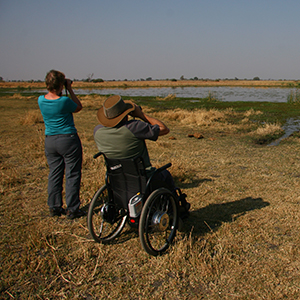
We highlight some of those doing great work to make tourism more accessible.
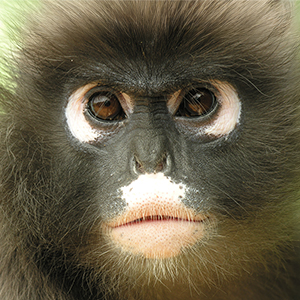
Highlighting those with a progressive ethical approach to animals in tourism.
Spotlighting brilliant bloggers who inspire people to vacation more responsibly.
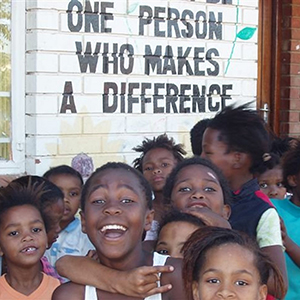
Tourism can make places better to live, and to visit.