Rwanda small group gorilla tour
Price
£4555To£5155 excluding flights
Duration
10 Days
Type
Small group
More info
Single supplement £395 - £445 | Price includes all permits for Gorilla, Chimps and Golden Monkey visits | We can arrange international flights - get in touch for more details

Description of Rwanda small group gorilla tour
Price information
£4555To£5155 excluding flights
Single supplement £395 - £445 | Price includes all permits for Gorilla, Chimps and Golden Monkey visits | We can arrange international flights - get in touch for more details
Check dates, prices & availability

Travel guides
This guide attempts to capture why this is considered by many to be one of the most magnificent wildlife safaris in the world.
Rwanda has three vital aspects that tourists flock to see: people and culture, national parks and gorillas!
Vacation information
Dietary requirements:
We can cater for vegetarian and vegan diets.
Responsible Travel
As the pioneers of responsible tourism, we've screened this (and every) vacation so that you can travel knowing we've worked to maximise the benefits of your vacation to local people and places, and minimise any negative impacts.
Planet
CARBON REDUCTIONOur trips aim to positively impact the countries, communities and environments we visit. Our policy draws on the criteria set out by the Global Sustainable Tourism Council (GSTC) and tries to recognise many of the principles within the United Nations World Tourism Organisation's (UNWTO) Global Code of Ethics for Tourism.
This tour, traveling through Rwanda, does not use any domestic flights. For the international flights, we suggest that our customers calculate their estimated impact on the environment of their flights and choose to purchase sustainable aviation fuel (SAF) to act on their emissions, if possible.
Once we are in the region, we minimise our carbon footprint. All food is locally sourced, and we use a locally owned and managed boat. Vegan and vegetarian food is available but must be requested in advance.
ENVIRONMENT AND WILDLIFE
On this tour, we are committed to reducing the environmental impacts of our visit. The staff are all locally based and experts in the region.
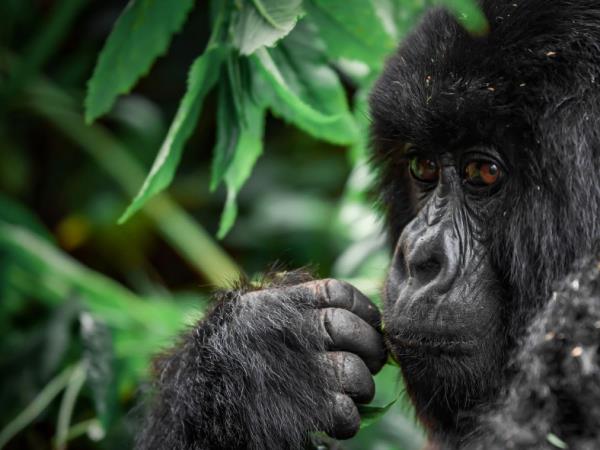
Your gorilla trek in Rwanda directly supports the protection of endangered mountain gorillas and their fragile ecosystems. Revenue from trekking permits funds conservation programs, anti-poaching patrols, habitat restoration, and long-term research that helps maintain healthy gorilla populations. The presence of visitors also provides a strong economic incentive for the government and surrounding communities to preserve forests rather than convert them for agricultural or development purposes. Additionally, local communities benefit through jobs, community-funded projects, and revenue-sharing schemes, which reduce conflict and encourage stewardship of the national parks.
Our team doesn't use plastic bags in our office or on our tours. When purchasing items and food for trips, we use reusable fabric bags. Any plastic bottles we have to use are recycled or given to remote communities, who reuse them as storage containers.
Our clients are encouraged to deal with waste appropriately and limit their use of single-use plastic. We advise clients to bring their own reusable metal drinking bottles, which can be used long after their tour.
People
LOCAL ECONOMYWe strive to generate greater economic benefits for local people and enhance the well-being of the communities we visit while still providing a positive and rewarding experience for our customers. Our business aims to minimise tourism's negative social, economic, and environmental impacts.
Our local partner values the inclusion of the local community and believes it is central to good conservation practices. For example, the 10% tourism revenue sharing scheme channels funds into community projects such as schools, health clinics, and clean water systems in areas around Volcanoes, Nyungwe, and Akagera National Parks. Gorilla trekking alone injects millions into the economy annually, supporting employment for rangers, guides, porters, and hospitality staff. Additionally, initiatives such as the Women’s Opportunity Centre in Kayonza and the Azizi Life cooperative in Muhanga empower local artisans and farmers by connecting them to tourism markets. Through these channels, each visit helps strengthen livelihoods and promote sustainable, inclusive economic growth across Rwanda.
This tour aims to use 100% locally owned accommodation and 100% local guides and experts.
EMPLOYMENT, INCLUSIVITY AND DIVERSITY
We understand that the responsibility and action needed in a particular location will depend upon the local environment and culture. Tourism is one of the most important and largest industries on the planet. It accounts for 11% of the world’s GDP and 12% of its exports. It employs more people worldwide than any other industry, with millions of families relying on tourism for their daily needs.
All employees have health and life insurance, and the highest salary standard and working environment. The company culture is embedded in being socially responsible and environmentally conscious, with minimal impact on the environment, local culture, and heritage. In addition, jobs generated by national parks, lodges, guiding services, and community based tourism provide individuals with stable incomes and professional skills. Many initiatives, such as women-led cooperatives, cultural experience programs, and hospitality training centers that our local partner uses, actively promote gender equality and social inclusion.
Popular similar vacations
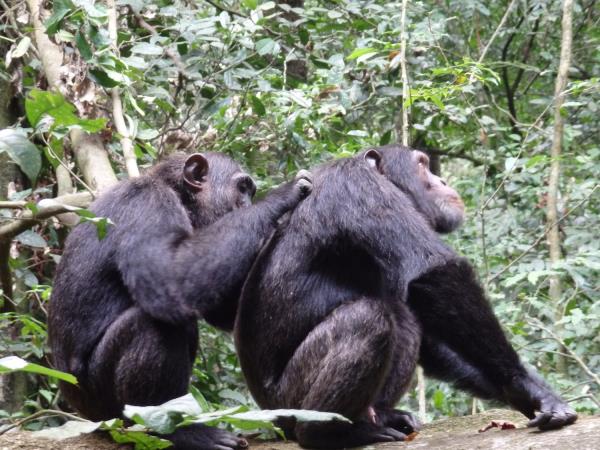
Rwanda primate vacation, 6 days
From US $4212 - US $6397 6 days excluding flights
Gorilla, Chimp, Colobus and Golden Monkey trekking
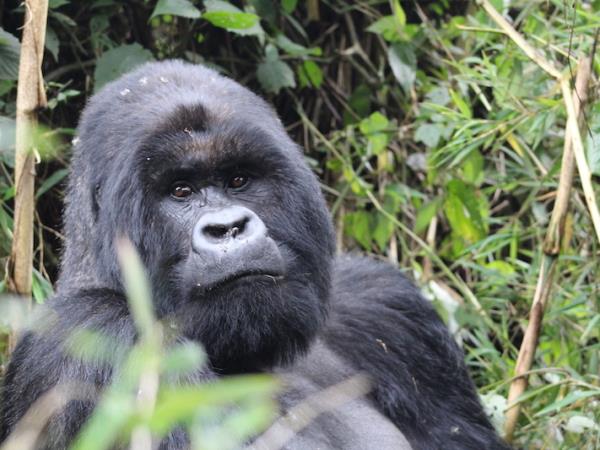
4 day primate and cultural tour, Rwanda
From US $3358 - US $4867 4 days excluding flights
Gorilla & golden monkey trekking in volcano National Park
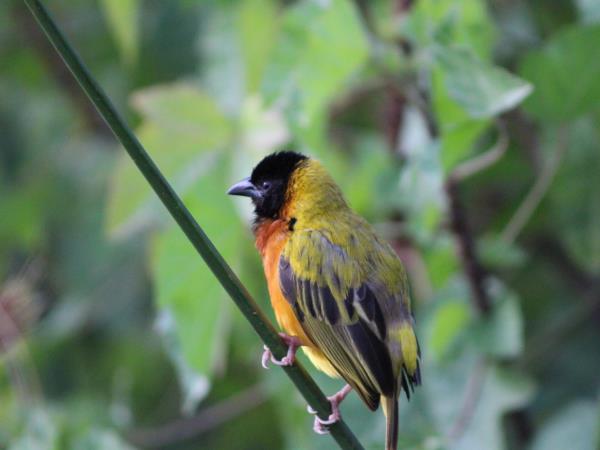
Rwanda bird watching vacation and gorilla trek
From US $6576 - US $11371 12 days excluding flights
Birding Rwanda and gorillas safari