Ethiopia and Djibouti endemic wildlife tour
Price
£5890 including domestic flights only
Duration
19 Days
Countries
Djibouti, Ethiopia
Type
Small group
More info
Price based on 2 pax sharing.
Inc.
all meals &transfers in the itinerary, local guides & driver.
permits and wildlife watching activities & internal flights; exc.
flights, visa, tips.
Price depends on party size.
Contact for specific price.
Inc.
all meals &transfers in the itinerary, local guides & driver.
permits and wildlife watching activities & internal flights; exc.
flights, visa, tips.
Price depends on party size.
Contact for specific price.

Description of Ethiopia and Djibouti endemic wildlife tour
Price information
£5890 including domestic flights only
Price based on 2 pax sharing.
Inc.
all meals &transfers in the itinerary, local guides & driver.
permits and wildlife watching activities & internal flights; exc.
flights, visa, tips.
Price depends on party size.
Contact for specific price.
Inc.
all meals &transfers in the itinerary, local guides & driver.
permits and wildlife watching activities & internal flights; exc.
flights, visa, tips.
Price depends on party size.
Contact for specific price.
Check dates, prices & availability

Travel guides
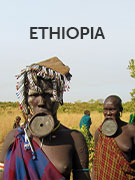
Our travel guide reveals a destination where you can step back seven years and explore with local guides.
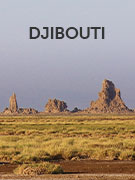
Our travel guide reveals otherworldly landscapes, a buzzing capital and stylish beaches.
Responsible Travel
As the pioneers of responsible tourism, we've screened this (and every) vacation so that you can travel knowing we've worked to maximise the benefits of your vacation to local people and places, and minimise any negative impacts.
Planet
In the Horn of Africa (as with everywhere we go) we carefully choose accommodation, suppliers and transportation that either minimise their effect on the environment or that help to contribute to its sustainable development.CARBON REDUCTION
On this trip we drive as oppose to fly from various locations, the only domestic flights we take are ones which would involve more than one full day of driving (over mountainous regions) and we travel with our luggage and camping equipment on the roof as to not have to take an extra vehicle, to save fuel usage on the road transfers.
We also bring the camping equipment with us as opposed to having the same vehicles drive ahead to set things up in advance. So saving on the doubling back of vehicles. It has no impact on our logistics as we will be out in the field looking for wildlife whilst the local team assemble the camp.
Much of the trip is camping in remote areas, so there is no power supply (beyond what solar charging power banks we bring with us) but when staying in lodges and hotels as part of the trip they are all locally owned (outside of when we stay in Addis Ababa where we need to stay near by the international airport and there are no good locally owned options). When we are camping in the tribal lands of the Somali region in Ethiopia and also in Djibouti all of our local to the area and are helping to monitor the rare ungulate populations.
Due to the remote locations of where we visit for much of this trip, it is not possible to find food at the locations. However for freshness we make sure that all of the food used when camping comes from the closest villages and markets and is all from the local area, if not specific to the camp location.
ENVIRONMENT AND WILDLIFE
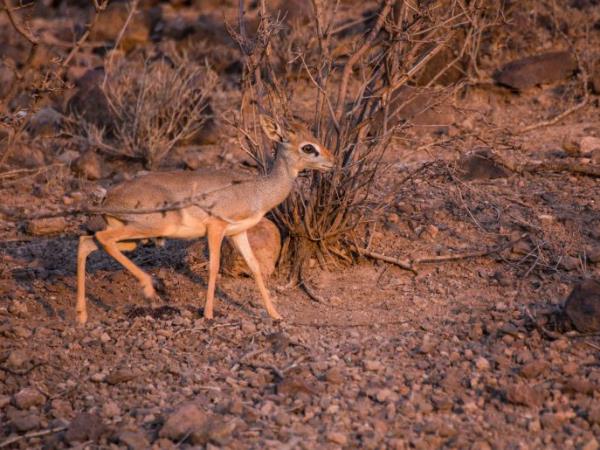
As mentioned above we camp in some very remote areas and on tribal land. Eco tourism is definitely in its infancy in this part of the world and so we are in the process of improving the local understanding on what conservation for small scale eco tourism purposed entails. However the local trackers from indigenous tribes are well versed in finding the wildlife after training in survey techniques for conservation groups such as the IUCN SSG for African antelopes and WWF.
As a result we will also be directly contributing to the overall understanding of the ecology here by providing all of our photographs and data on sightings.
By bringing people here with a professional naturalist as well as professional local guides we aim to showcase the environment in full but also to allow you to learn about the problems facing the ecosystems here and highlight the ways that continued development and human exploitation are affect the species and how cutting edge research is countering the problems as well as showing you examples of success stories. We also keep a record of all the great sightings we see on each tour and record the environmental factors, this data is used by ourselves but also given to the researchers who are working on many of these species. All the information collected in invaluable as the knowledge of some of the animals that live here are little understood. We also donate our pictures to the researchers to aid in their photo identification studies.
People
LOCAL ECONOMYA lot of this specific trip is camping, and when camping in the Somali region of Ethiopia and in Djibouti we use locally owned tribal land. When staying on this tribal land we do not just pay the rates they charge for our presence there but also make additional donations to the tribe as a means to increase the local revenue from eco tourism.
This means that more money enters and stays in the local economy. Part of the deal when staying on these tribal lands is that the local trackers and guides are from the local community also. We also use local drivers from different areas visited, so we are not bringing people from all of the country into different regions. Ethiopia in particular is very tribal and whilst it would not be a problem to have different tribes in certain areas we find it best practice to hire people from the local tribes of the areas we are visiting.
When in Djibouti we will be continuing to contribute to a local community initiative where the first group to visit on this itinerary provided football kits and sponsorship for the local teams as football is a major part of the local communities here.
This not just helps in supporting the local people with income direct from wildlife tourism but these local people often have much better local knowledge of the wildlife.
As we are often staying in very remote areas on this trip and away from many villages there are not many places to stop for souvenirs; however where we do stop for supplies at the local markets nearly all of the products for sale (whether food or souvenirs) are locally produced.
EMPLOYMENT, INCLUSIVITY & DIVERSITY
All of the people employed as part of this trip are from Ethiopia or Djibouti and many of the drivers we employ are from the local tribes we are visiting for wildlife (on this trip that includes a local drivers in Somali region, Hareg mountain region and in Djibouti).
We work hard to provide a genuine pathway from driver to guide, by helping educate English speaking as well as providing coaching and informal training on guiding techniques. We also donate equipment which can help in this progression in the form of binoculars, field guide books and torches.
This trip, like all of our trips, is LGBTQ+ friendly.
Most of the wildlife watching on this trip is conducted on foot. Whilst the terrain is largely flat, we will be out on our feet for several hours at a time and the temperatures can be hot. So people with severe mobility issues cannot participate in this trip unfortunately and therefore the trip is not wheelchair safe.
Popular similar vacations
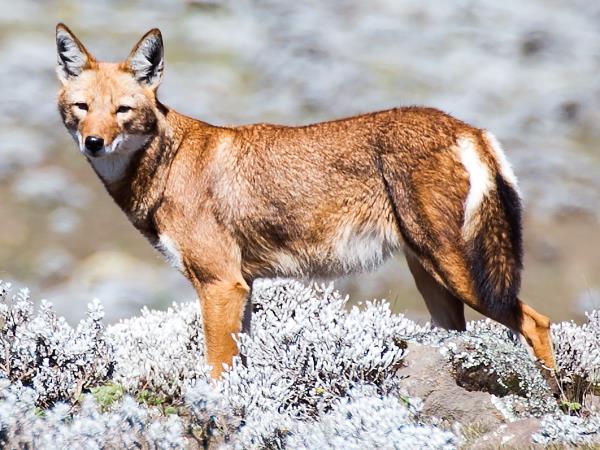
Ethiopia wildlife tours
From £3995 15 days excluding flights
Ethiopian Wildlife Safari for Endemic and Rare Mammals
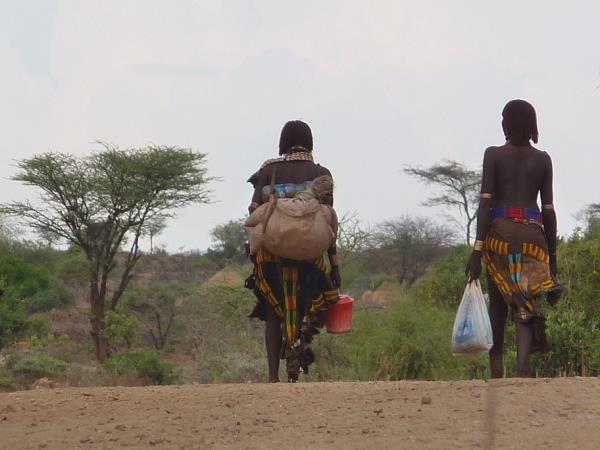
Wildlife and cultural tour to Ethiopia
From £3327 14 days excluding flights
See tribal culture and wildlife in the Omo valley
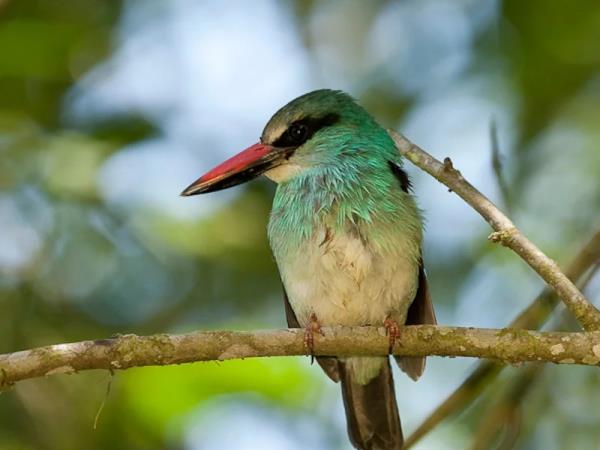
Ethiopia bird watching vacation
From US $3790 - US $4490 13 days excluding flights
Rift Valley Lakes, Bale Mountains, Awash National Park