Field Guide Level 1 Course, South Africa
Price
€6900 excluding flights
Duration
8 Weeks
Type
Small group
More info
The course takes 55 Days

Description of Field Guide Level 1 Course, South Africa
Price information
€6900 excluding flights
The course takes 55 Days
Check dates
2026: 12 Oct
2027: 5 Jan, 17 Jan, 13 Feb, 14 Feb, 17 Mar, 12 Apr, 12 Jun, 10 Jul, 6 Aug, 9 Sep, 7 Oct, 18 Oct
2027: 5 Jan, 17 Jan, 13 Feb, 14 Feb, 17 Mar, 12 Apr, 12 Jun, 10 Jul, 6 Aug, 9 Sep, 7 Oct, 18 Oct
Travel guides
There aren't many places you can see penguins on the beach, whales from the shore, and then go on an incredible safari.
An immensely beneficial endeavour, and not only for the communities and wildlife in need.
Vacation information
Dietary requirements:
We can cater for vegetarian and vegan diets.
Responsible Travel
As the pioneers of responsible tourism, we've screened this (and every) vacation so that you can travel knowing we've worked to maximise the benefits of your vacation to local people and places, and minimise any negative impacts.
Planet
CARBON REDUCTIONThis Field Guide Training Course is designed as a low-impact, land-based programme that prioritises extended stays in wilderness locations, reducing the need for frequent travel and internal transfers.
By remaining in one training area for the duration of the course, participants minimise transport-related emissions while gaining a deeper, more meaningful understanding of the ecosystem.
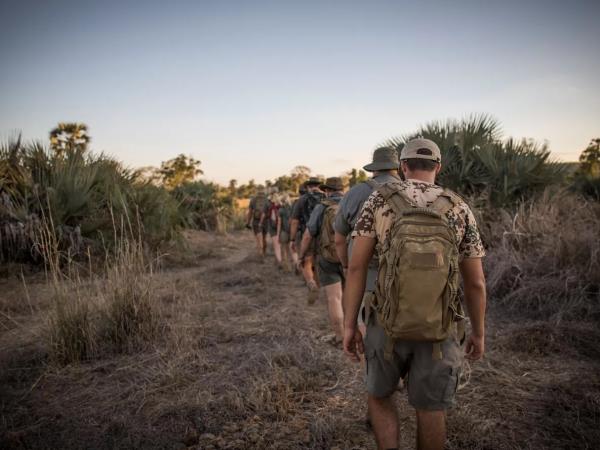
Daily activities are largely conducted on foot or through low-impact group game drives, supporting a more conscious and less intrusive way of exploring the bush.
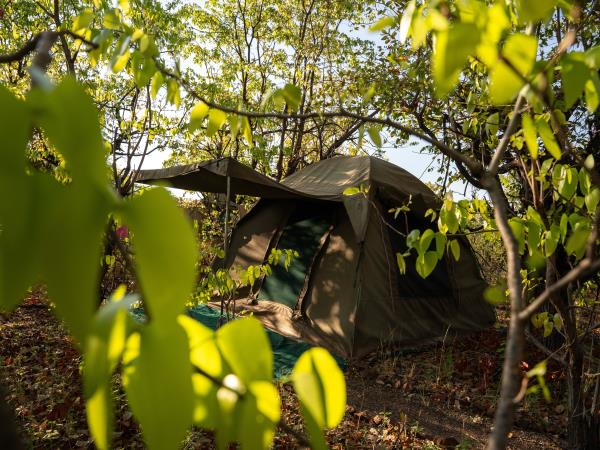
Life in camp is intentionally simple, with a strong focus on mindful resource use. Participants are encouraged to be aware of water and energy consumption, waste reduction, and the realities of operating in remote environments with limited resources.
This fosters a practical understanding of how responsible practices can be applied in real-world wilderness settings.
ENVIRONMENT AND WILDLIFE
This course is rooted in a deep respect for African ecosystems and the complexity of conservation in a changing world. Through immersive field training, participants gain first-hand understanding of how ecosystems function and how conservation efforts are applied in practice.
Southern Africa is home to extraordinary biodiversity, but also faces ongoing pressures from habitat change, climate impacts, and human–wildlife coexistence. The programme teaches participants how to observe, interpret, and understand these systems responsibly, rather than simply visit them.
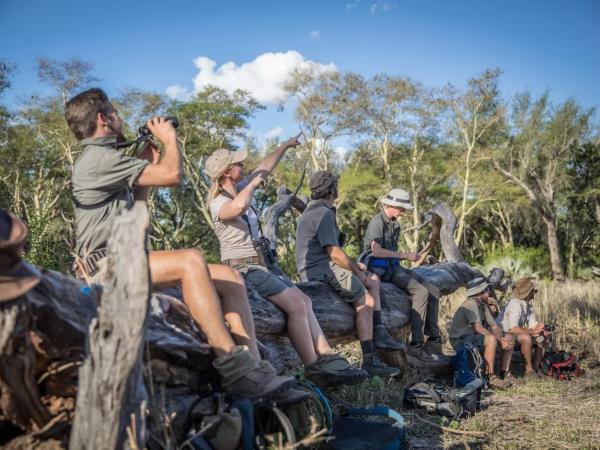
The focus extends beyond species identification to a deeper understanding of ecological relationships, animal behaviour, and habitat protection. Participants learn to “read” the landscape, gaining insight into the interconnectedness of species and the importance of long-term conservation efforts.
Environmentally responsible practices are embedded throughout the course, including low-impact behaviour in the field and within camp. This experience helps shape environmentally conscious field guides who can contribute meaningfully to conservation and responsible wildlife tourism, while sharing their knowledge to inspire others.
People
LOCAL ECONOMYThis training programme is closely connected to the local guiding and conservation landscape, working alongside experienced field guides and staff whose knowledge is rooted in the region. Their expertise ensures that learning is grounded in real-world conditions and supports the transfer of skills within the local tourism and conservation sector.
By operating within established wilderness areas and collaborating with local teams, the course contributes to ongoing employment and skills development opportunities in the region, supporting the broader ecosystem of nature-based tourism in Southern Africa.
EMPLOYMENT, INCLUSIVITY AND DIVERSITY
The course brings together experienced local and international field guides, offering participants a well-rounded perspective shaped by both regional expertise and global best practices. This creates a learning environment that values diverse knowledge systems and cultural understanding.
At the same time, the programme acknowledges the importance of supporting local employment within the guiding industry. Opportunities in conservation and guiding are often filled by local professionals, reflecting regional priorities and the importance of strengthening domestic expertise.
International participants benefit from structured training, recognised certification, and valuable networking opportunities, while gaining insight into the realities of working in the field. Beyond professional development, the experience fosters cultural awareness, respect, and appreciation for the people who live and work closest to these wilderness areas.
Popular similar vacations
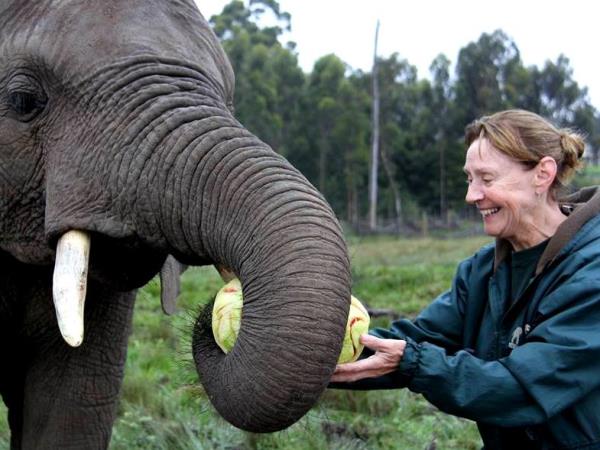
Over 50s volunteering with elephants, South Africa
From US $1880 8 days excluding flights
Over 50s group volunteer with elephants adventure in Africa
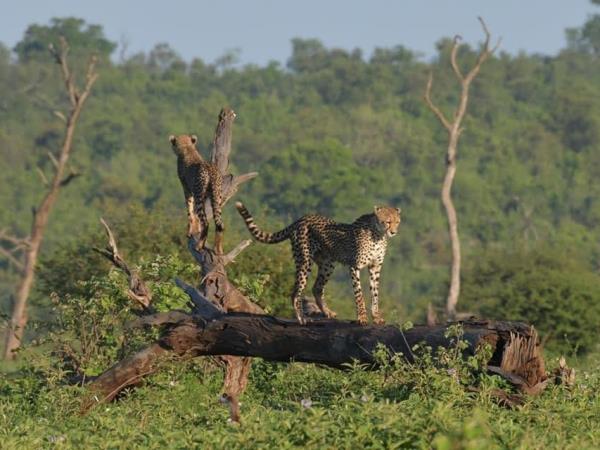
Cheetah conservation vacation, South Africa
From £1395 - £1600 14 days excluding flights
Cheetah conservation in Cape Town
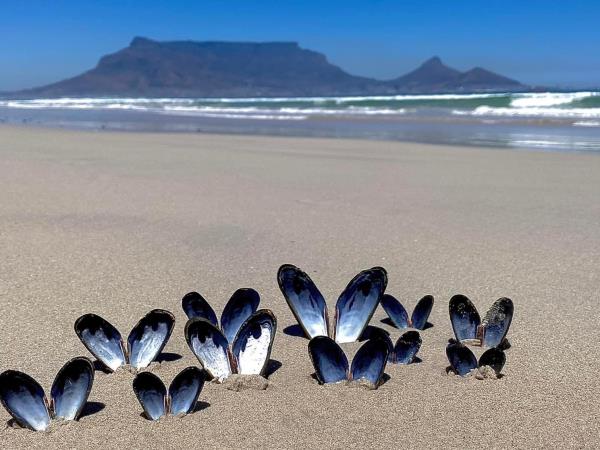
Community healthcare volunteering, South Africa
From £985 7 days excluding flights
Help local communities in & around Cape Town