Zululand wildlife conservation vacation in South Africa
Price
€2000To€6700 excluding flights
Duration
14 Days
Type
Small group
More info
Duration between 2 and 12 weeks.

Description of Zululand wildlife conservation vacation in South Africa
Price information
€2000To€6700 excluding flights
Duration between 2 and 12 weeks.
Check dates
2026: 28 Sep, 12 Oct, 26 Oct, 9 Nov, 23 Nov, 7 Dec
2027: 4 Jan, 18 Jan, 1 Feb, 15 Feb, 1 Mar, 15 Mar, 29 Mar, 12 Apr, 26 Apr
2027: 4 Jan, 18 Jan, 1 Feb, 15 Feb, 1 Mar, 15 Mar, 29 Mar, 12 Apr, 26 Apr
Travel guides
An immensely beneficial endeavour, and not only for the communities and wildlife in need.
Find out what conservation you'd be interested in, and how to get involved.
Vacation information
Diet:
We can cater for vegetarians on this vacation. Sadly we cannot offer vegan food.
Responsible Travel
As the pioneers of responsible tourism, we've screened this (and every) vacation so that you can travel knowing we've worked to maximise the benefits of your vacation to local people and places, and minimise any negative impacts.
Planet
CARBON REDUCTIONThis project is designed to minimise travel-related emissions by operating within a defined region of Zululand, avoiding unnecessary long-distance transfers during the programme. All activities take place within nearby reserves, reducing the need for additional transport once participants arrive.
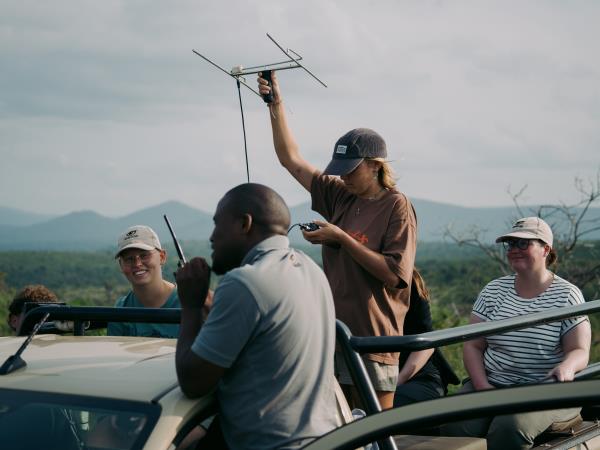
Transport within the reserves is shared, with volunteers traveling together in open 4x4 vehicles. This significantly reduces emissions per person compared to individual travel.
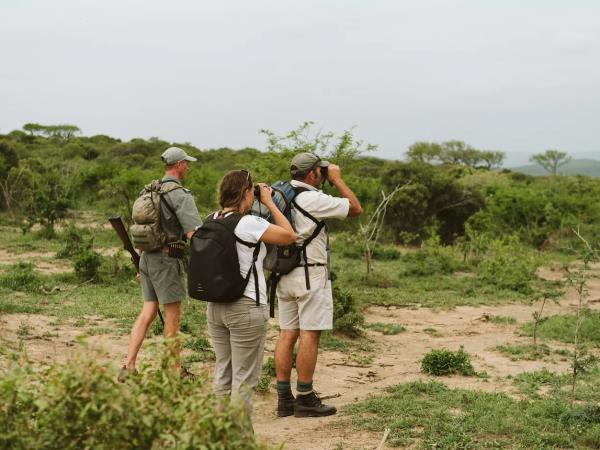
Activities are largely observation-based and field-focused, with no high-impact infrastructure required. Walking-based tracking and time spent stationary observing wildlife also contribute to lower energy use.
Participants are encouraged to make informed travel choices, including selecting lower-emission flights and reducing personal waste. Guidance is provided on responsible travel practices throughout the stay.
Meals are prepared locally, often using regional produce, helping to reduce the carbon footprint associated with imported goods. Vegetarian options are available.
ENVIRONMENT AND WILDLIFE
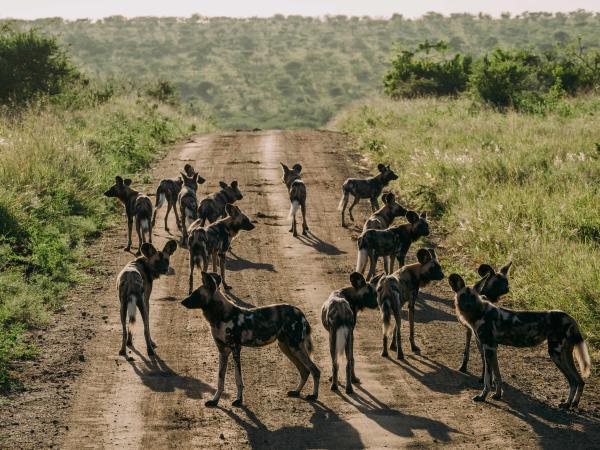
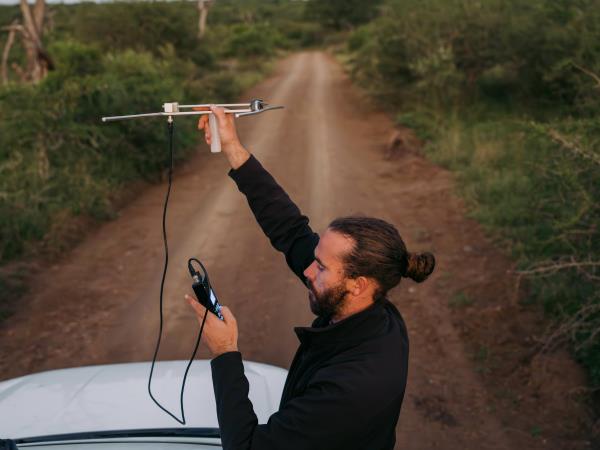
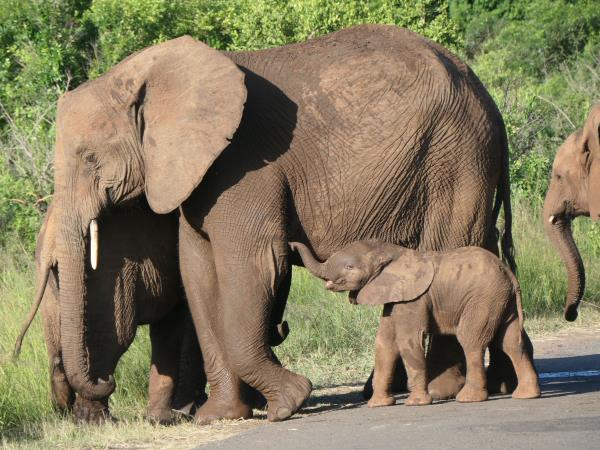
This project directly contributes to the conservation of endangered species and the protection of biodiversity in Zululand. Monitoring programmes focus on priority species such as African wild dogs and vultures, using tracking technology to better understand their movements and survival challenges.
Data collected by volunteers supports long-term research and informs conservation strategies, including anti-poaching efforts and habitat management.
The reserves involved are actively managed for conservation, with strict environmental policies in place. These include measures to reduce pollution, manage water use and protect natural habitats.
The project also contributes to environmental education and community outreach, having engaged tens of thousands of local people in conservation awareness initiatives. This helps build long-term support for wildlife protection.
Participants receive guidance on responsible wildlife behaviour, ensuring that all interactions are non-invasive and respectful of natural ecosystems.
People
LOCAL ECONOMYThis project supports the local economy by employing local staff, including guides, trackers and camp personel. The reserves and operations are rooted in the region, ensuring that tourism revenue benefits local communities.
Supplies and services are sourced locally where possible, and the project contributes to sustainable tourism as an alternative to land uses that may harm wildlife habitats.
The programme also supports environmental education initiatives, including school bush camps that provide local children with access to nature and conservation learning.
EMPLOYMENT, INCLUSIVITY AND DIVERSITY
A large proportion of staff involved in the project are South African. Local trackers and guides bring invaluable traditional knowledge and expertise to the programme.
All staff are paid in line with local wage standards, and the project contributes to skills development through training and employment opportunities in conservation.
The programme promotes inclusivity by welcoming participants from diverse backgrounds and fostering a collaborative, international environment.
It supports community engagement initiatives that create opportunities for local people, including education programmes and outreach activities.
The trip is LGBTQ+ friendly and aims to provide a respectful and inclusive environment for all participants. Due to the nature of fieldwork and vehicle access, a moderate level of mobility is required for being in the wild.
Popular similar vacations
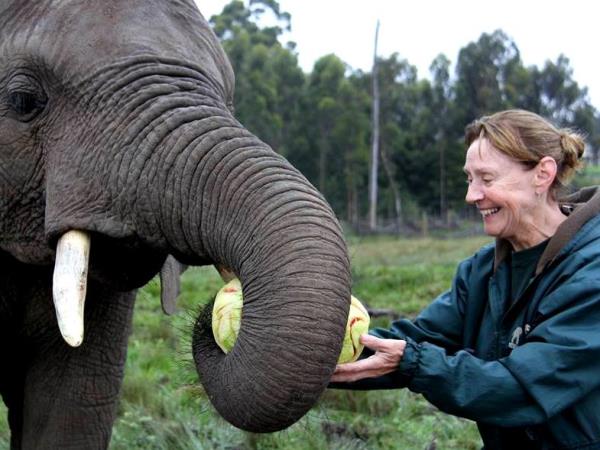
Over 50s volunteering with elephants, South Africa
From US $1880 8 days excluding flights
Over 50s group volunteer with elephants adventure in Africa
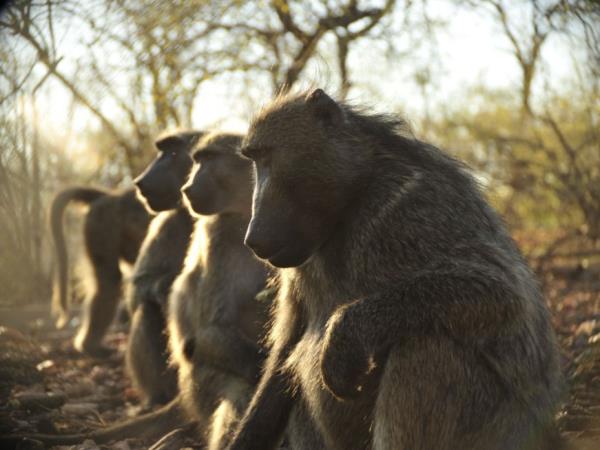
Family volunteering with monkeys in South Africa
From US $1110 14 days excluding flights
Family volunteering with baboons in South Africa
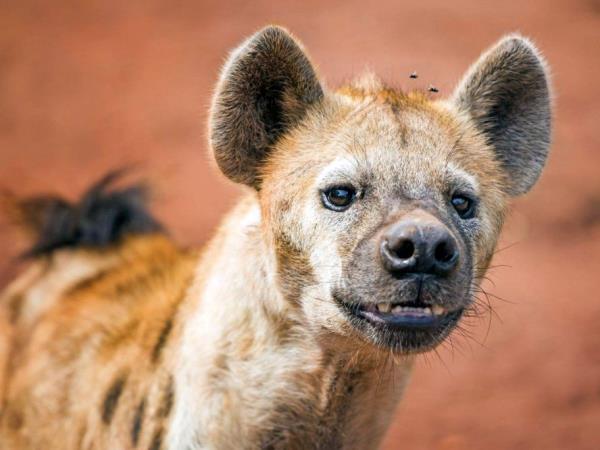
Wildlife sanctuary & rehabilitation center, South Africa
From £1595 - £7995 15 days excluding flights
Aid Big 5 conservation at the SanWild Sanctuary & Reserve