Mongolia desert mammal tour
Price
£7595 including domestic flights only
Duration
21 Days
Type
Small group
More info
Price based on 2pax sharing.
Inc.
all meals&transfers, local guides & driver.
permits and wildlife watching activities & internal flights; exc.
international flights, visa, tips.
Price depends on party size.
Contact for specific price.
Inc.
all meals&transfers, local guides & driver.
permits and wildlife watching activities & internal flights; exc.
international flights, visa, tips.
Price depends on party size.
Contact for specific price.

Description of Mongolia desert mammal tour
Price information
£7595 including domestic flights only
Price based on 2pax sharing.
Inc.
all meals&transfers, local guides & driver.
permits and wildlife watching activities & internal flights; exc.
international flights, visa, tips.
Price depends on party size.
Contact for specific price.
Inc.
all meals&transfers, local guides & driver.
permits and wildlife watching activities & internal flights; exc.
international flights, visa, tips.
Price depends on party size.
Contact for specific price.
Check dates, prices & availability

Travel guides
Insightsinto the world's least densely populated country, covering steppe and ger camp, camel treks and eagle festivals...
The perfect introduction to getting your head around the extraordinary life on earth, and where to go to find it.
Responsible Travel
As the pioneers of responsible tourism, we've screened this (and every) vacation so that you can travel knowing we've worked to maximise the benefits of your vacation to local people and places, and minimise any negative impacts.
Planet
CARBON REDUCTIONIn Mongolia (as with everywhere we go) we carefully choose accommodation, suppliers and transportation that either minimise their effect on the environment or that help to contribute to its sustainable development.
In Mongolia our local agents are at the forefront of responsible tourism in the country, our carbon reduction framework in Mongolia is a model of nature-based solutions and community-led conservation engineered to preserve fragile ecosystems, prevent land degradation, and capture atmospheric carbon. Primarily our carbon reduction and environmental sustainability mechanisms include Grassland Restoration & Carbon Sequestration, Preventing Desertification. Our local partner is teamed up with MUR Initiative which protected a 11+ million-hectare corridor which encompasses critical regions like the Altai, Margaz, and Bulnai mountains. By keeping these vast swathes of land protected from illegal exploitation and unsustainable land use, they combat desertification. Which leave healthy, intact Mongolian grasslands which act as major carbon sinks. By keeping the native vegetation and soils undisturbed, the initiative ensures that vast amounts of carbon remain securely sequestered in the ground rather than being released via soil degradation.
Community-Led Eco-Economics (Preventing Overgrazing) and providing Alternative Livelihoods is another way we help reduce carbon emissions. In Mongolia, overgrazing by massive livestock herds is a primary driver of grassland degradation and subsequent carbon loss. So we make a point of directly employing local nomadic herder families to host camps, manage tracking teams, and maintain winter camera-trap lines.
This tourism-funded revenue turns wildlife conservation into a direct livelihood, drastically reducing the local necessity to unsustainably expand livestock herds for income.
The expedition model relies entirely on private, micro-group journeys rather than mass tourism. This heavily minimizes local resource strain, vehicle track proliferation on the delicate steppe, and waste generation. A designated share of every booking goes directly to the MUR Initiative to pay for active field rangers, camera lines, and predator-proof corrals. This provides self-sustaining capital for continuous environmental monitoring without relying solely on volatile international carbon credits
ENVIRONMENT AND WILDLIFE
As touched on above, our partners in Mongolia help to protect and conserve an incredible 11 million hectares. MUR Initiative focus on protecting wildlife and ecosystems across the Wild Cats Valley. This massive conservation corridor spans over 11 million hectares across three provinces in western Mongolia, creating an unbroken, interconnected pathway that allows animals to roam freely without human-induced habitat fragmentation.
Their specific strategies to protect wildlife and the environment are based on four key pillars:
1. Connecting Habitats to Save At-Risk Species
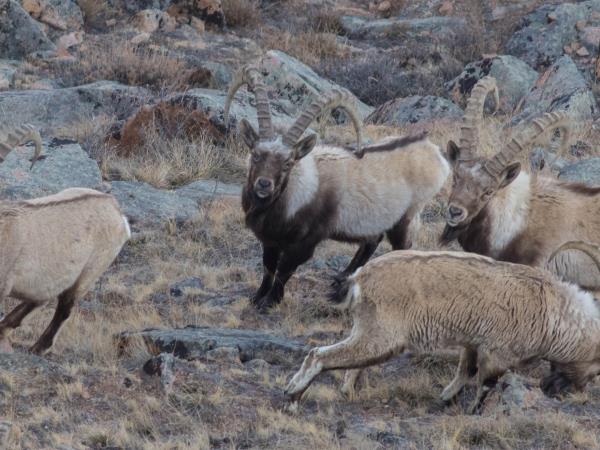
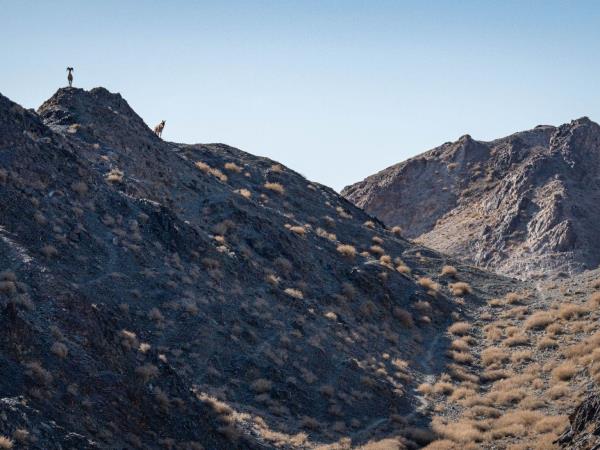
Wildlife does not recognize borders; snow leopards, argali sheep, and migratory birds cross hundreds of kilometres every season. The initiative funds and manages four anchor conservation centers along a natural axis to keep this migration corridor open: Protects prime alpine meadows and glaciated peaks for snow leopards, ibex, and argali sheep. The Margaz Mountains: Safeguards a unique mountain-and-water transition zone where the territories of snow leopards and Pallas’s cats overlap. The Bulnai Mountains: Protects northern taiga forests and alpine tundra for the Eurasian lynx, wolverine, grey wolf, and forest ungulates. Aldarkhaan: Secures vital steppe and watercourse corridors essential for daily and seasonal wildlife movements.
2. Turning Former Threats into Conservation Allies
A major component of their environmental work is transforming local conflicts into collaborative partnerships with the nomadic herders and communities living inside the corridor. Poachers to Rangers: In the forested Bulnai Mountains, winter tracking expeditions intentionally employ local hunters-turned-guides. Leveraging their generational knowledge of the taiga turns former threats into the animals' fiercest protectors. Predator-Proof Corrals: In areas like Margaz, tourism revenue is used to build heavy-duty, predator-proof livestock corrals for herder families. This stops snow leopards or wolves from killing livestock, effectively eliminating retaliatory killings of apex predators by the herders.
3. Continuous Field Science & Wildlife Monitoring
Camera-Trap Lines: The initiative installs and maintains extensive winter camera-trap lines across the rugged massifs. This provides solid scientific evidence of wildlife health, population counts, and proof that the cats are successfully utilizing the corridor to move between mountain ranges.Year-Round Tracking: Local tracking teams live in these remote valleys 365 days a year. By actively reading pugmarks, scrapes, and prey movements, they monitor changes in ecosystem health and keep tabs on potential poaching threats.
4. Spreading Conservation Awareness via Media
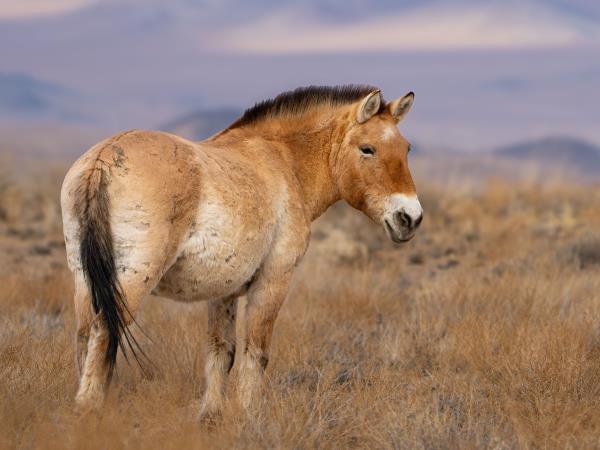
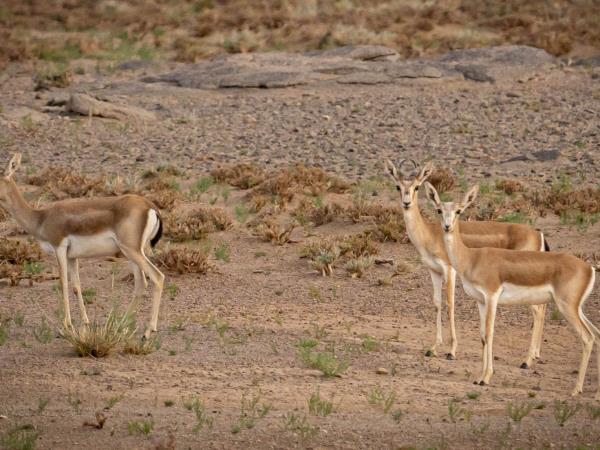
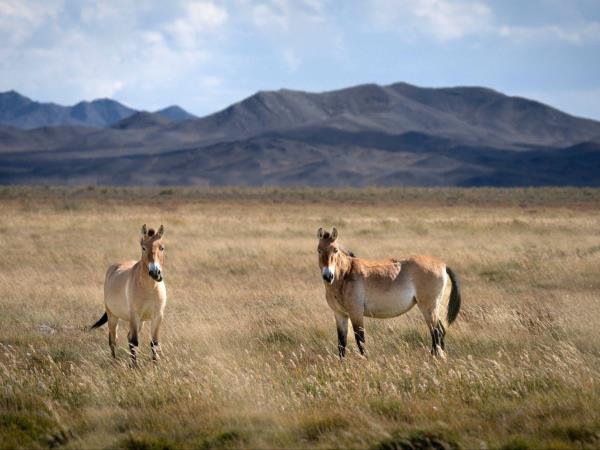
The MUR Initiative was initially rooted in the MUR Wildlife Awareness Project. To combat ecological indifference and illegal wildlife trade, the team produces highly detailed nature and wildlife documentaries focusing on iconic species.These projects shine a spotlight on the Takhi (Przewalski's wild horse), the Mongolian gazelle, and the snow leopard, using visual media to foster a national pride in environmental stewardship.
People
LOCAL ECONOMYAs with all of our wildlife trips, we intentionally employ local rangers, herders, and nomads—who possess unmatched knowledge of the landscape—as field guides, spotters, camp staff, and tracking teams. For example, in the Bulnai Mountains, former hunters are paid to manage winter tracking camera lines, replacing income from poaching with sustainable ecotourism salaries.
Our local agents also rent infrastructure and lodging from herder families.
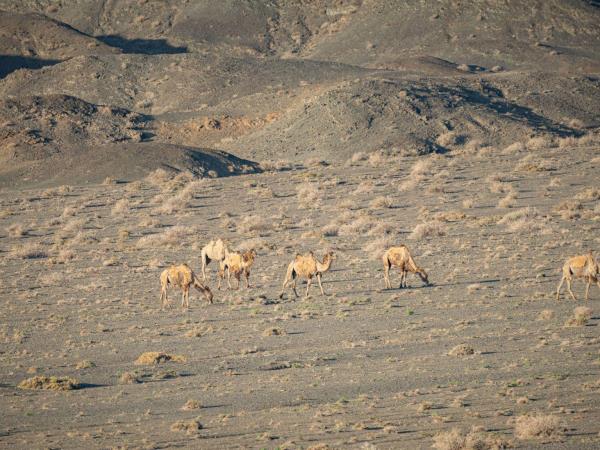
We rely on low-impact mobile tented camps and partnerships with existing communities, this includes paying nomadic families directly to pitch camps on their pastures, rent traditional gers (yurts), and supply transport animals like horses and camels for wilderness treks. This introduces thousands of dollars in steady revenue into remote provinces (like Bayan-Ölgii or Uvs) where cash economies are otherwise minimal.
EMPLOYMENT, INCLUSIVITY & DIVERSITY
All of the people employed as part of this trip are from Mongolia and many of the drivers we employ are from the local communities we are visiting for wildlife. We work hard to provide a genuine pathway from driver to guide, by helping educate English speaking as well as providing coaching and informal training on guiding techniques. We also donate equipment which can help in this progression in the form of binoculars, field guide books and torches.
As touched on above, our local agents in Mongolia heavily employ local herders and nomadic people who live in the areas we are visiting.
This trip, like all of our trips, is LGBTQ+ friendly.
Nearly all of this trip is conducted from a vehicle, however some walking may be needed, to get closer to wildlife and this walking will be done on uneven ground and the tents (whilst not crawl in tents, are not suitable for people with severe mobility issues, the trip is not wheelchair safe.
Popular similar vacations
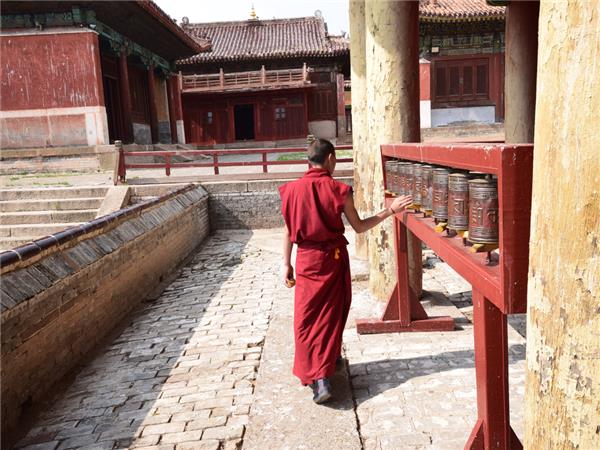
Mongolia small group vacations
From US $4445 - US $4995 15 days excluding flights
Discover the raw beauty and tradition of Mongolia
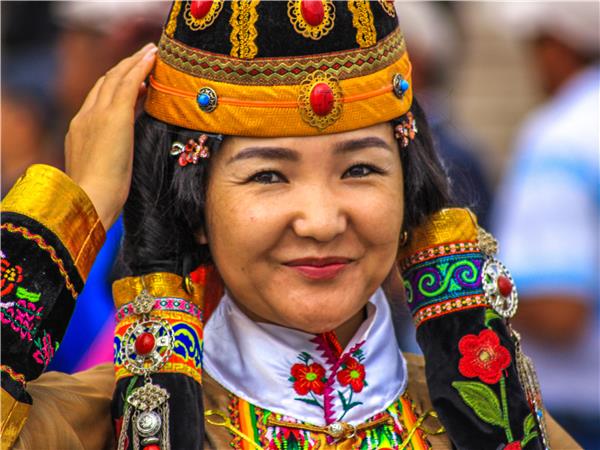
Nadaam Festival vacation in Mongolia
From US $6555 15 days excluding flights
Mongolia tour with Naadam Festival departures
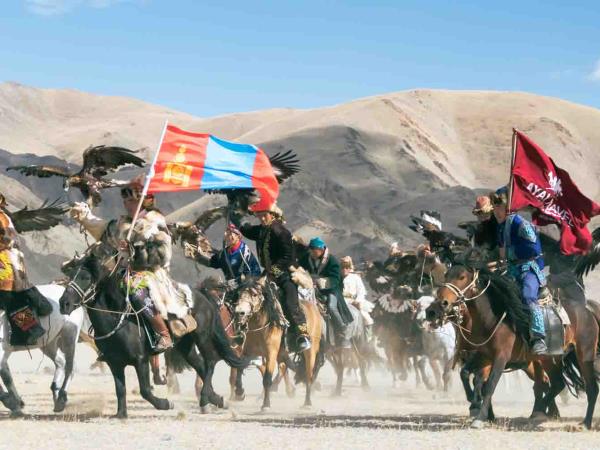
Eagle festival tour in Mongolia
From US $3749 10 days excluding flights
Stay with local Kazakh Eagle Hunters in the Altai Mountains