Albanian food & drink
"One of the biggest surprises and least known things about Albania is that the food isn’t just good, it’s spectacularly good,” says Emma Heywood of our partner Undiscovered Balkans. “It is a proper foodie culture. So many Albanian nationals have left Albania, been away for 10, 15 years, but come back and now the fusion cooking, fusion scene is amazing. Plus, they realised what foreign Western guests in particular are looking for."
What visitors are looking for, much of the time, is authenticity, which is where our food and drink vacations, designed and led by experts on travel in Albania, come in. Sometimes they can get completely hands-on. “At a guest house we use in the village of Rehova, the lady owner involves guests in cooking the meals,” says Ylli Panariti of our partner Wander Albania.
What visitors are looking for, much of the time, is authenticity, which is where our food and drink vacations, designed and led by experts on travel in Albania, come in. Sometimes they can get completely hands-on. “At a guest house we use in the village of Rehova, the lady owner involves guests in cooking the meals,” says Ylli Panariti of our partner Wander Albania.

One of the biggest surprises and least known things about Albania is that the food isn't just good, it's spectacularly good.![]()

“So much is made from scratch,” adds Emma. “We encourage people to eat with local families. On our trip you can visit someone in their home and learn to make basic Albanian dishes like burek. And because our trips are very outdoorsy there’s sometimes the opportunity to forage for things like blueberries and wild strawberries in the forests. At the moment, it’s wild figs."

It’s fresh, i’t's interesting, it’s delicious, it’s very keenly priced. There’s no downside, frankly.![]()
What is the food & drink in Albania like?
“If I had to sum up Albanian cuisine in three words, they would be authentic, generous and Mediterranean,” says Ylli.
Food in Albania features plenty of citrus, olives and figs, and liberal dashes of olive oil for that sun-splashed Mediterranean feel. But there are Balkan influences, too, particularly in mountainous areas, such as meaty goulashes, and ajvar, a relish made from roasted bell peppers.
You’ll also find Turkish elements in Albanian cuisine, like kebabs, baklava and filo pastries and pies, as both countries were once part of the Ottoman Empire, and of course there are many similarities with the cuisine of neighbouring Greece. There are even some historic pasta dishes, such as pastice which resembles lasagna, that may remind you of Italy, just 70km across the Strait of Otranto.
Albanian food is known for seasonality and being produced locally. “It’s fresh, it’s interesting, it’s delicious, it’s very keenly priced. There’s no downside, frankly,” says Emma.
You can roughly distinguish between Albanian cuisine in the mountains and rural areas where hearty meals packed with meat and vegetables dominate, and on the coast where fish and seafood dishes – grilled, baked and fried – are naturally the order of the day. Our traveler Rebecca Walker-Buckton loved dropping into restaurants where “the menu was whatever the owner caught when fishing that morning”.
Simple casseroles and pies with just a few ingredients are popular, not going too heavy on herbs and spices. There is a lot of cheese – in some restaurants you may find the menu has its own cheese section.
Lunch is the main meal in Albania, with the evening meal typically quite light. Expect lots of salads and mezzes, with large portions often served on platters – family-style eating is a big part of Albanian food culture.
Food in Albania features plenty of citrus, olives and figs, and liberal dashes of olive oil for that sun-splashed Mediterranean feel. But there are Balkan influences, too, particularly in mountainous areas, such as meaty goulashes, and ajvar, a relish made from roasted bell peppers.
You’ll also find Turkish elements in Albanian cuisine, like kebabs, baklava and filo pastries and pies, as both countries were once part of the Ottoman Empire, and of course there are many similarities with the cuisine of neighbouring Greece. There are even some historic pasta dishes, such as pastice which resembles lasagna, that may remind you of Italy, just 70km across the Strait of Otranto.
Albanian food is known for seasonality and being produced locally. “It’s fresh, it’s interesting, it’s delicious, it’s very keenly priced. There’s no downside, frankly,” says Emma.
You can roughly distinguish between Albanian cuisine in the mountains and rural areas where hearty meals packed with meat and vegetables dominate, and on the coast where fish and seafood dishes – grilled, baked and fried – are naturally the order of the day. Our traveler Rebecca Walker-Buckton loved dropping into restaurants where “the menu was whatever the owner caught when fishing that morning”.
Simple casseroles and pies with just a few ingredients are popular, not going too heavy on herbs and spices. There is a lot of cheese – in some restaurants you may find the menu has its own cheese section.
Lunch is the main meal in Albania, with the evening meal typically quite light. Expect lots of salads and mezzes, with large portions often served on platters – family-style eating is a big part of Albanian food culture.
History of food and drink in Albania
That our food vacations in Albania even have a cuisine worth exploring is something to celebrate.
The Communist dictator Enver Hoxha ruled Albania for four decades from 1944. As the years went by the regime became ever more paranoid and extreme until Albania was almost entirely politically isolated. One way that the population was kept under control was by the collectivisation of food. Dishes with religious connotations were banned under Hoxha’s secular demands. Cookbooks were burned and individual flair in cuisine, seen as bourgeois, was discouraged.
As a result of all this, Albanian food and drink lost much of their regional diversity. Many traditional recipes were lost, while others survived only by being passed down through family members, as they couldn’t be cooked in restaurants. By the 1970s Albania suffered widespread shortages and eventually came close to famine. Rationing was brought in which affected the consumption of dairy and meat, and most Albanians endured a very limited diet. With food scarce, there was a need to be resourceful with ingredients, many Albanian dishes today are simple for that reason.
Today, Albanian cuisine is dynamic and diverse. There are even restaurants that specialise in bringing old recipes like halva or tave krapi (baked carp casserole) back to life, with young chefs learning from older generations who still remember them.
The Communist dictator Enver Hoxha ruled Albania for four decades from 1944. As the years went by the regime became ever more paranoid and extreme until Albania was almost entirely politically isolated. One way that the population was kept under control was by the collectivisation of food. Dishes with religious connotations were banned under Hoxha’s secular demands. Cookbooks were burned and individual flair in cuisine, seen as bourgeois, was discouraged.
As a result of all this, Albanian food and drink lost much of their regional diversity. Many traditional recipes were lost, while others survived only by being passed down through family members, as they couldn’t be cooked in restaurants. By the 1970s Albania suffered widespread shortages and eventually came close to famine. Rationing was brought in which affected the consumption of dairy and meat, and most Albanians endured a very limited diet. With food scarce, there was a need to be resourceful with ingredients, many Albanian dishes today are simple for that reason.
Today, Albanian cuisine is dynamic and diverse. There are even restaurants that specialise in bringing old recipes like halva or tave krapi (baked carp casserole) back to life, with young chefs learning from older generations who still remember them.
What does food cost in Albania?
Albanian food prices are generally quite low. You can expect to pay around €30-40 for a good, traditional Albanian meal for two (the official currency is the Albanian lek, but euros are widely accepted in tourist areas). A paper plate of qofte meatballs at a street food stall might set you back five euros, while a slice of byrek (a pastry or pie) might be as little as €1 in some places.
Is Albania good for vegetarian & vegan travelers?
Food in Albania can be meat-heavy but there are plenty of dishes suitable for vegetarian and vegan travelers. Stuffed peppers and aubergines are a staple of local cuisine in Albania, as are vegetable pies and salads. It’s important to remember that even in more touristy parts of the country such as the Albanian Riviera the menus rarely list all ingredients. If in doubt, check with your waiter or guide.
Albanian desserts
Albanian desserts are typically light and sweet. Have another slice? Why not, you’re on vacation after all. Popular desserts in Albania include zupa which despite the name is not soup, but a form of trifle; ashure, a delicious porridge-y dish made with dried fruits and nuts that is usually eaten on religious vacations, and sultjash, a rice pudding made with sheep’s milk.
Revani and shendetlie are decadent cakes soaked in syrup, while qumeshtor is a dish of baked custard. And, of course, this being a Balkan country, you will find baklava all over the place, syrupy pastries topped with chopped nuts that many find irresistible.
Revani and shendetlie are decadent cakes soaked in syrup, while qumeshtor is a dish of baked custard. And, of course, this being a Balkan country, you will find baklava all over the place, syrupy pastries topped with chopped nuts that many find irresistible.
Albanian drinks
Albania has one of the highest ratios of coffee shops per capita in Europe. That’s a lot of opportunities for peaceful people-watching or gazing out across the scenery. Albania was also one of the first wine-producing countries in Europe, and though the industry isn’t huge, there are a number of good wineries where you can enjoy a tasting.
There’s a strong DIY culture when it comes to drinks in Albania. “We’ve found a great tradition of homemade fruit syrups and squashes with popular flavours like blueberry, elderflower, mint and pomegranate,” says Emma.
And of course while you’ll find raki, the local spirit, across Albania, many people happily mix up their own firewater which they’ll often offer around. On some of our tours you can even learn how to make it yourself. “Raki made from grapes is the most widespread, but those made from mulberries, blackberries, cherries or plums are also considered premium,” says Ylli.
There’s a strong DIY culture when it comes to drinks in Albania. “We’ve found a great tradition of homemade fruit syrups and squashes with popular flavours like blueberry, elderflower, mint and pomegranate,” says Emma.
And of course while you’ll find raki, the local spirit, across Albania, many people happily mix up their own firewater which they’ll often offer around. On some of our tours you can even learn how to make it yourself. “Raki made from grapes is the most widespread, but those made from mulberries, blackberries, cherries or plums are also considered premium,” says Ylli.
Our top trip
Albania food and wine vacation
Different areas - typical food and wine
From
£1380 to £1580
7 days
ex flights
Tailor made:
This trip can be tailor made throughout the year to suit your requirements
This trip can be tailor made throughout the year to suit your requirements
Contact Us
Call us for a chat about our vacations. We are happy to discuss your vacation and help in any way we can. No bots, queues or awful hold music.

1-866-821-6866
Call toll free
Calling from outside the USA

What to eat & drink in Albania
10 must-try Albanian foods
Byrek
A staple of Albanian cuisine, byrek are pies and pastries made from filo pastry, usually baked in spirals and enjoyed from breakfast all the way through to dinner. Fillings vary, from spinach to cottage cheese, meat, leek or beans. Often they will be served with a bowl of yoghurt on the side.
Fasule
This white bean soup is a traditional Albanian dish that really came into its own during the Communist era when inexpensive, simple but filling meals were vital. It is usually made with tomato sauce, beans and onions, with some pickled vegetables alongside. Meat may also be added.
Fergese
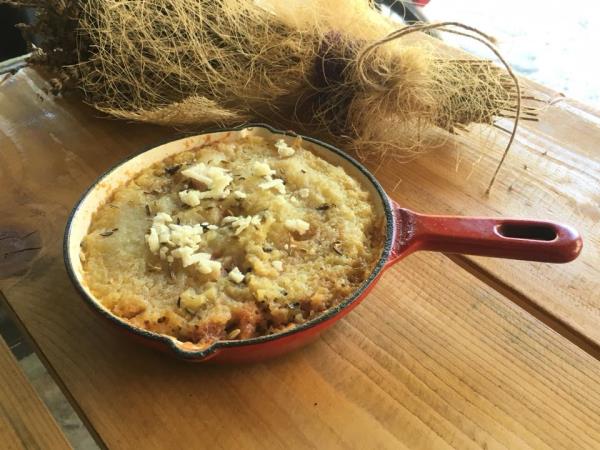
Fergese is a classic Albanian food, a summer stew prepared either as a main or an appetiser with some big flavours: tomato sauce, garlic, green peppers and cottage cheese. The stew is typical to rural parts of central Albania, baked in a clay dish, and mopped up with kulak – Albanian soda bread.
Flia
A labour-intensive dish that can take several hours to make, flia has its roots in pagan ritual – an offering to the god of the sun. It consists of several layers of crepe and cream, each of which is baked beneath a metal lid as soon as they are added and can be served with either savoury or sweet sides.
A staple of Albanian cuisine, byrek are pies and pastries made from filo pastry, usually baked in spirals and enjoyed from breakfast all the way through to dinner. Fillings vary, from spinach to cottage cheese, meat, leek or beans. Often they will be served with a bowl of yoghurt on the side.
Fasule
This white bean soup is a traditional Albanian dish that really came into its own during the Communist era when inexpensive, simple but filling meals were vital. It is usually made with tomato sauce, beans and onions, with some pickled vegetables alongside. Meat may also be added.
Fergese
Fergese is a classic Albanian food, a summer stew prepared either as a main or an appetiser with some big flavours: tomato sauce, garlic, green peppers and cottage cheese. The stew is typical to rural parts of central Albania, baked in a clay dish, and mopped up with kulak – Albanian soda bread.
Flia
A labour-intensive dish that can take several hours to make, flia has its roots in pagan ritual – an offering to the god of the sun. It consists of several layers of crepe and cream, each of which is baked beneath a metal lid as soon as they are added and can be served with either savoury or sweet sides.
Petulla
A classic Albanian comfort food, these are essentially Balkan doughnuts, chunks of fried dough similar to churros that you can dip in jam or honey for breakfast. If you’re on a hiking vacation, or an activity trip with the family, then a plate of these and a hot cup of coffee will set you up for the day.
Qifqi
An Albanian regional speciality, qifqi (cheef-chee) originate from the city of Gjirokaster. They are rice balls, made with egg and herbs, sometimes cheese, fried in olive oil using a special pan.
Qofte
“If you’ve got picky kids, qofte and chips is an absolute winner,” says Emma. Qofte are the quintessential Albanian street food, herby lamb meatballs that you’ll find in grill houses and restaurants all over the country.
Sarme
Sarme is quite an old-fashioned Albanian food, mostly found in the mountainous north of the country. Leaves, such as cabbage or vine, are filled with meat and rice, and sometimes stewed. Classic country fare, and very tasty when done well.
Supe peshku
There are myriad fish dishes all along Albania’s Adriatic coast, otherwise known as the Albanian Riviera. One such is supa peshku, or fish soup. Ingredients vary depending on the catch of the day but expect a mix of fish such as sea bass, hake or sea bream, with sliced vegetables, in a herby, lemony broth. Grab a chunk of crusty bread and get dunking.
Tave kosi
“When I’m in an Albanian restaurant the first thing I look for on a menu is tave, which is like a lamb stew,” says Emma. Often known as tave Elbasani after the city from which it originated, the stew can also be made from mutton, goat or chicken. It is baked in yoghurt and eggs giving it a tangy, sour flavour. Tave is the national dish of Albania, dating back to the 15th century.
A classic Albanian comfort food, these are essentially Balkan doughnuts, chunks of fried dough similar to churros that you can dip in jam or honey for breakfast. If you’re on a hiking vacation, or an activity trip with the family, then a plate of these and a hot cup of coffee will set you up for the day.
Qifqi
An Albanian regional speciality, qifqi (cheef-chee) originate from the city of Gjirokaster. They are rice balls, made with egg and herbs, sometimes cheese, fried in olive oil using a special pan.
Qofte
“If you’ve got picky kids, qofte and chips is an absolute winner,” says Emma. Qofte are the quintessential Albanian street food, herby lamb meatballs that you’ll find in grill houses and restaurants all over the country.
Sarme
Sarme is quite an old-fashioned Albanian food, mostly found in the mountainous north of the country. Leaves, such as cabbage or vine, are filled with meat and rice, and sometimes stewed. Classic country fare, and very tasty when done well.
Supe peshku
There are myriad fish dishes all along Albania’s Adriatic coast, otherwise known as the Albanian Riviera. One such is supa peshku, or fish soup. Ingredients vary depending on the catch of the day but expect a mix of fish such as sea bass, hake or sea bream, with sliced vegetables, in a herby, lemony broth. Grab a chunk of crusty bread and get dunking.
Tave kosi
“When I’m in an Albanian restaurant the first thing I look for on a menu is tave, which is like a lamb stew,” says Emma. Often known as tave Elbasani after the city from which it originated, the stew can also be made from mutton, goat or chicken. It is baked in yoghurt and eggs giving it a tangy, sour flavour. Tave is the national dish of Albania, dating back to the 15th century.
More Albania articles
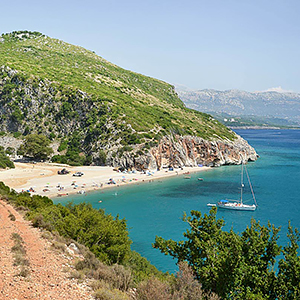
Read why the best time to go to Albania is spring, early summer and early autumn – with bonus weather charts too
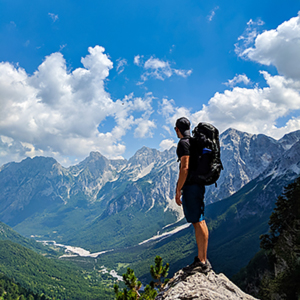
Our Albania travel guide explores Ottoman architecture, Accursed Mountains, Mediterranean coastline and sublime lakes.
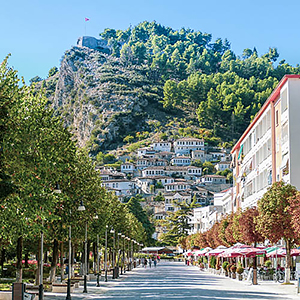
Our Albania map and highlights reveal where to go in Albania, from the sunny Riviera to the snowy mountains.
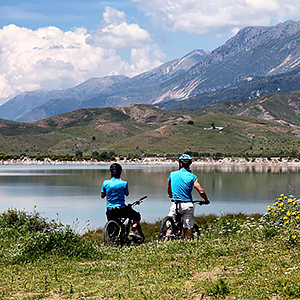
Find out more about small group and self guided cycling in Albania, including some of the bets routes.
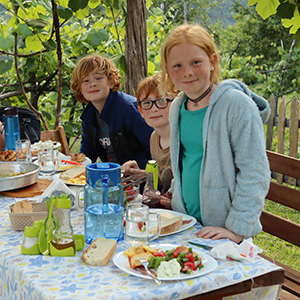
It may not be off the beaten track anymore, but adventurous families will still be ahead of the curve.
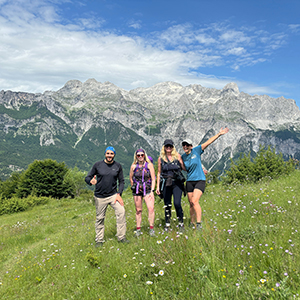
Our vacations focus mostly on Albania's mountainous northern reaches.
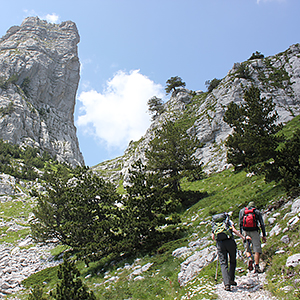
Walking vacations in Albania follow in the footsteps of woodcutters and shepherds through forests and mountains.
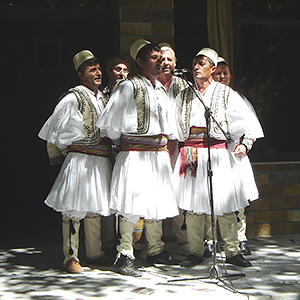
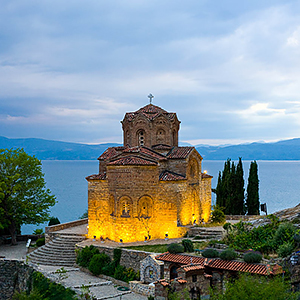
Albania’s cultural heritage hides away from the bright lights and beaches of the Riviera.
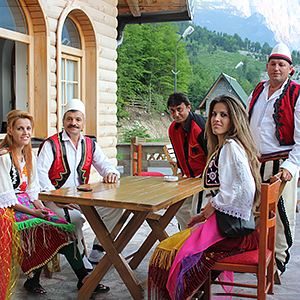
Get Albania travel advice from our local experts on everything from where to stay to snowshoeing in the mountains.
Read about responsible tourism in Albania and learn how to make a positive impact.