Andes travel guide

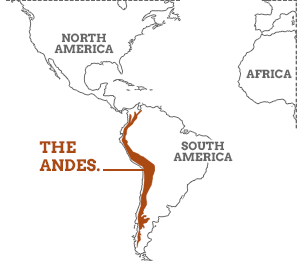
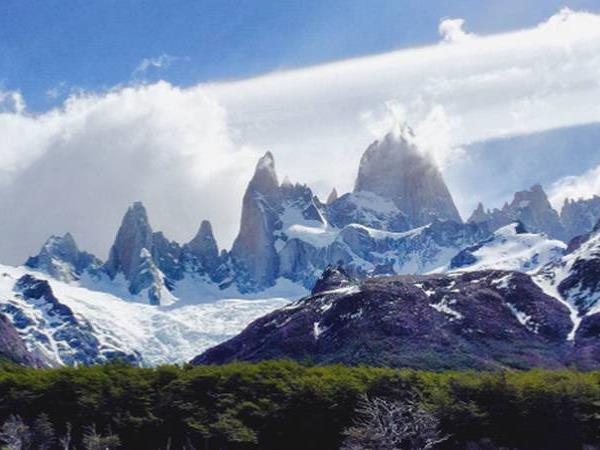
The Andes are South America’s solid spine, a daunting mountain range over 7,000km long. It stretches from the iciest reaches of Patagonia in the far south, almost as far as the Caribbean in the north, and widens out to 700km in places. Its highest peaks soar well over 6,000m, but while these are reserved for dedicated climbers, any trekking here will involve crossing passes, plateaus and surreal páramo ecosystems, comfortably above 4,000m.
With the promise of soaring condors, lost cities, 4,000m-high lakes and the quivering sound of panpipes, the Andes are just that bit more magical than your average mountain range.
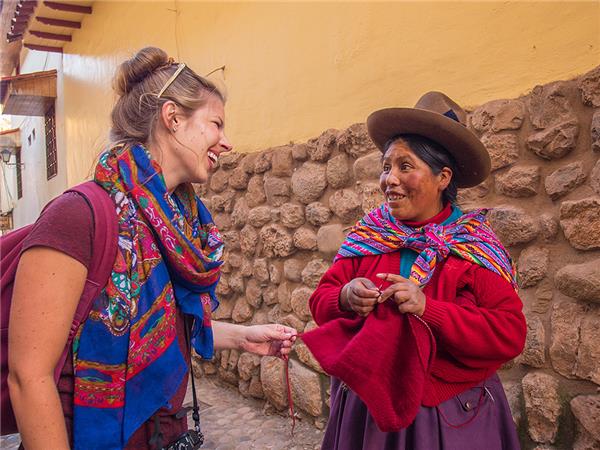
This is a land of crater lakes, extinct volcanoes, calving glaciers and soaring condors, but it is a land, too, with a phenomenally rich culture. In the Andes, the Incas have their most famous ruins, at Machu Picchu, but their culture lives on through their Quechua ancestors. In Bolivia, the Aymara people roam the plateaus at altitudes that leave most breathless. For a more contemporary twist, three of the four highest capital cities in the world are tucked into the Andes, with buildings seemly tumbling down precipitous mountainsides.

The Andes are...

the world’s longest continental mountain range, spanning seven countries.

The Andes aren’t...

all the same. They incorporate barren deserts, lush cloud forest, thriving capital cities and ancient glaciers.

Things to do in the Andes…

These mountains were made for walking, and whether you’re here on a dedicated hiking vacation or just fancy stepping out for a day or two, there are plenty of routes to choose from. Ecuador has multi day treks around the Quilotoa Loop, combining Quichua villages with stunning crater lakes and gorgeous ecolodges; or head higher up, into the páramo, to be surrounded by swirling mists, surreal plants, and – if you’re lucky – the odd condor. In Peru, of course, the Inca Trail needs no introduction, and on the Bolivian side of Lake Titicaca you can hike across the mystical Isla del Sol. Machu Picchu is a must see, of course. You can take the four-day Inca Trail trek to this mountaintop citadel, but if you don’t have enough days – or strong enough knees – scenic train journeys travel here from Cuzco, meaning Machu Picchu really is open for all. Our top tips: spend a night in the nearby town to give you an extra day to explore, and book well in advance, particularly if traveling between April and August; trekking permits and train tickets sell out many months in advance. Border hopping in the Andes is incredibly easy, and gives you a much more rounded view of these mighty mountains. Travel overland between Chile and Bolivia – crossing in the Atacama Desert – or Bolivia and Peru, where Lake Titicaca straddles the border.

Contact Us

Responsible Travel, Travel Team

Call us for a chat about our vacations. We are happy to discuss your vacation and help in any way we can. No bots, queues or awful hold music.

Responsible Travel, Travel Team

Things not  to do in the Andes…

Race to the top. Acclimatisation is everything in the Andes, and if you are attempting to summit Cotopaxi, trek the Inca Trail, or cruise across Titicaca, be sure to spend a few days acclimatising at lower elevations. Even the common entry points such as Quito, Cuzco and La Paz are brutally high, so take it easy, drink plenty of water and avoid alcohol to help your body adjust.
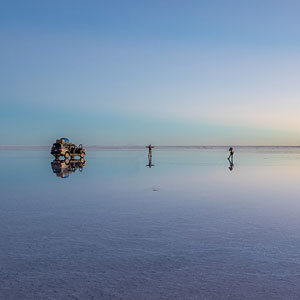
Focus on the bucket list names. The Inca Trail, Machu Picchu, the Salar de Uyuni, Lake Titicaca… All of these are deservedly famous, and you don’t want to come all this way just to miss them. But do get off the ‘Gringo Trail’ for at least part of your vacation. Visit Latacunga or Saquisili markets in place of Otavalo; opt for the little-trodden Lares or Salkantay treks to Machu Picchu; walk around the volcano-ringed Cuicocha Lake or the blue crater of Quilotoa instead of automatically opting for Titicaca.
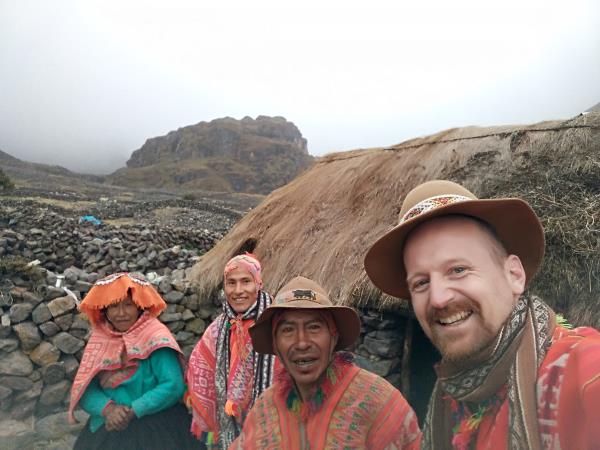
Overlook the culture. With scenery this dramatic, it can be easy to ignore those who live in the Andes. But the market towns, colonial cities, crazy capitals and indigenous villages are a huge part of what makes these mountains so special. Book a homestay with a Quichua family, get to know your Peruvian porters, meet the last ‘Ice Man’ of Chimborazo, and learn a few words of Spanish as an icebreaker of your own.
Written by Vicki Brown
Photo credits: [Page banner: alphis tay] [Top box: Kevin Rheese]