DOLOMITES TRAVEL GUIDE

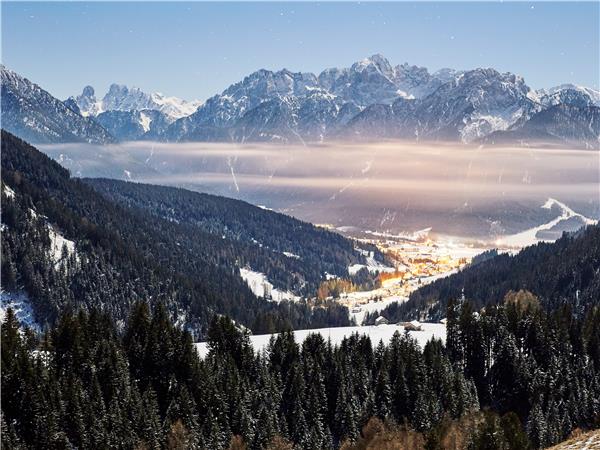
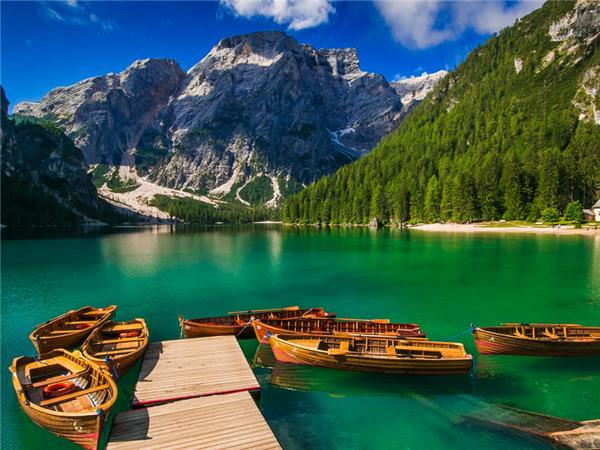
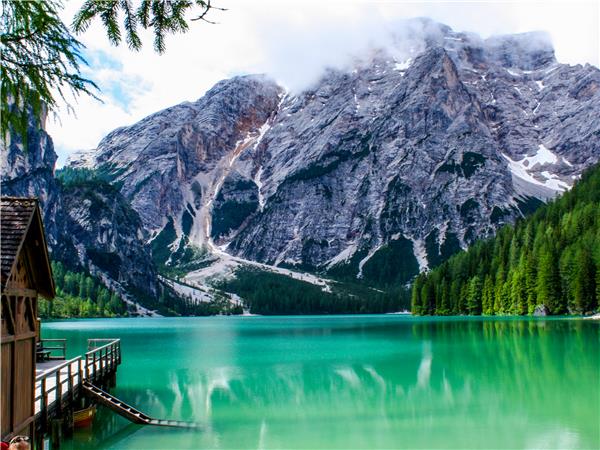
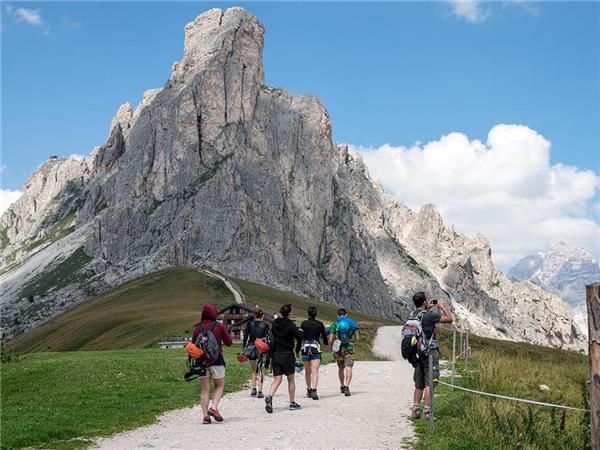
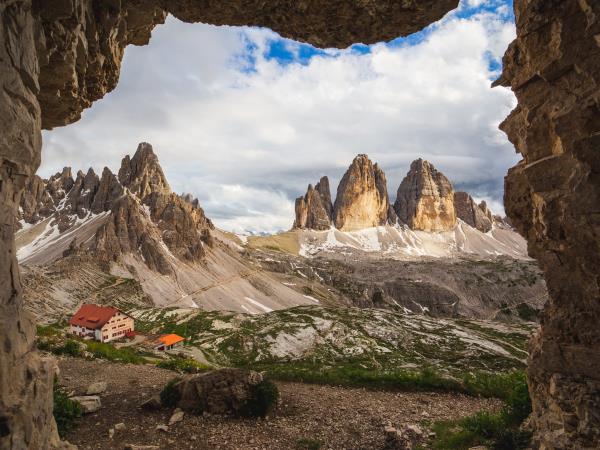
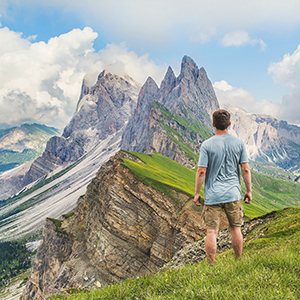
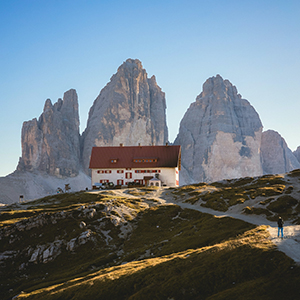
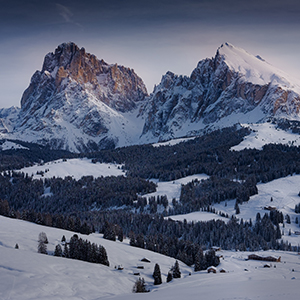
There are more remote, lofty and famous ranges, but the Dolomites can’t be beaten for dramatic, jagged peaks. These limestone monsters soar to over 3,000m, with many changing colour, from milky grey to rose-tinted, as the sun glides over them. Nestling at their skirts is a hard-to-resist supporting cast of Alpine meadows, abundant wildflowers, quiet villages, medieval churches and glacial lakes.
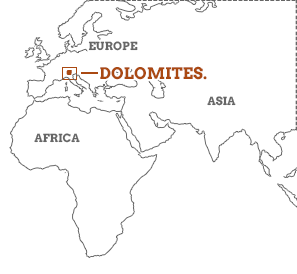
Hugging the border with Austria, Italy's most dramatic mountain range has blended culture to complement its craggy, soaring peaks.
Looks aren’t all the Dolomites can crow about – its climate is another joy. While most of Europe swelters through summer, rendering activity vacations a sweaty non-option, the Dolomites welcomes walkers, climbers and cyclists to its shady valleys and breezy peaks. And unlike the French Alps, this region cradles both Italian and Austrian culture, expressed in its varied architecture, languages and food. Dine on polenta followed by apfelstrudel, then take to the trails for a summer hike or winter snow shoe odyssey.
Our Dolomites travel guide has more details.
The Dolomites are...

a dose of drama on your doorstep. Feast your eyes on these iconic peaks, nestling in nearby north-eastern Italy.

The Dolomites aren't...

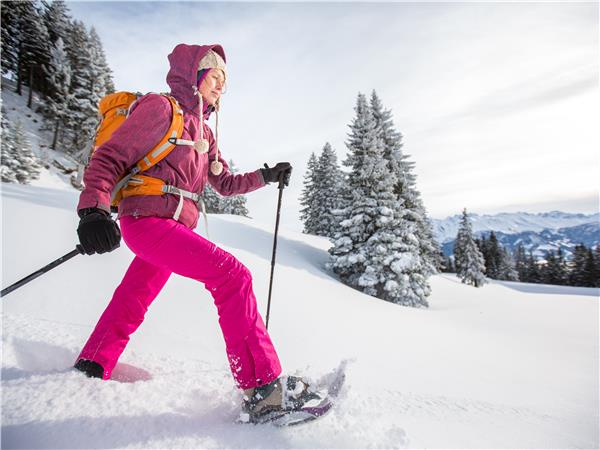
all about crampons and scaling cliff faces. Serious mountaineers are catered for, but there is every level of walking and cycling here and in winter, just grab some snowshoes and step out.

Things to do in the Dolomites...

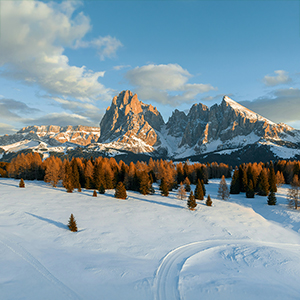
Rather than powering down pistes, try snow shoeing. Anyone can grasp walking on snow and it’s a peaceful, low-octane way to appreciate the Dolomites in winter. Cross country skiing is also popular, allowing you to cover more ground in a day. The Alta Pusteria Valley is a great place to start, with forest trails and military tracks into Fanes-Sennes-Braies Natural Park, beneath the Tre Cime or up to the viewpoints of Durrakopf and Strudelkopf. Italy is foodie heaven, but with the Dolomites bordering Austria, the menu goes way beyond pizza and pasta, so tuck in. Nicknamed ‘the bread of the Dolomites’, polenta comes fried or grilled during summer, with Parmesan or mushrooms, and in winter is bathed in meat stew. Wash it down with Prosecco from grapes grown on ancient vineyards in the foothills of the Dolomites. Active souls will enjoy the fuel supplied via the Tyrolean menu – Groestl, a bacon, onion and potato fry-up, Kaiserschmarren, a pancake served with plum compote, and giant apfelstrudel You don’t need to scale the rock faces to get a close-up insight into the mountains, thanks to the Museum in the Clouds, one of six museums in the South Tyrol founded by Alpine mountaineer Reinhold Messner. Feast your eyes on sensational 360° views through the building’s glass lanterns and roofs and discover the history of how these mountains were scaled.

Things not to do in the Dolomites...

Forget your walking boots. This region is a magnet for hikers and climbers, with long-established, well maintained trails. Once the snows clear in April you can walk until late October, with summer hiking still pleasant thanks to the cool conditions. The variety of walks is huge, from flat ambles to challenging scrambles, so be honest about your fitness and don’t rule out joining a guided walking vacation. Be aware that hunting season runs Sep-Feb, too. Italian hunters don’t have a great safety record, so if you see a sign that says ‘Zona di refugio, divieto di caccia’, take it seriously.
Go if you have vertigo. Of course, there is much to enjoy at ground level in the Dolomites, but the unforgettable views, inevitably, involve a climb to a point or high plateau, sometimes along exposed paths. This might be challenging for anyone with vertigo, so consider your routes carefully.
Ignore the towns and villages. It’s possible to spend all your time in the meadows and mountains, but it’s worth exploring the area’s towns and villages. They feature a mix of classic Tyrolean chalets, medieval churches, sunny piazzas and shady courtyards. Merano hosts an excellent outdoor market while Bolzano has a cathedral, castle and another of Messner’s Mountain Museums. In the pretty village of Dobbiaco, you’ll find Gustav Mahler’s cottage, where he spent his summers composing.

Contact Us

Responsible Travel, Travel Team

Call us for a chat about our vacations. We are happy to discuss your vacation and help in any way we can. No bots, queues or awful hold music.

Responsible Travel, Travel Team

Dolomites travel advice

Why the Dolomites?

Claire Daniel, from our partner Exodus, explains the unique appeal of the Dolomites, and offers tips on wildlife watching and snow shoeing.
“The Dolomites boasts dramatic scenery with jagged peaks and lush green valleys, but it has a very different culture and feel to the French Alps. The Tyrolean influence mixed with the Italian culture gives it a truly unique flavour. Parts of the Dolomites speak primarily German, while other ones are more Italian dominated, but also speak a much rarer language called Ladin.”

Tips on spotting wildlife


“The area’s rich wildlife, including ibex, chamois, marmots and golden eagles, can be spotted in many different areas during summer. As soon as you head onto the trails, away from the towns and roads, there are great opportunities to spot some wildlife.”

Snow shoeing tips


“If you can walk, you can snow shoe! You don't need to worry about any kind of technique; the thing to look at is the fitness level required for the trip, to make sure that you can cope, as it is more tiring than walking. Keep age in mind, too – our small group vacations in the Dolomites are only for adults and minimum age is 16.”

Tips from our travelers in the Dolomites


ADVICE FROM THOSE WHO HAVE BEEN THERE

At Responsible Travel, we think the best people to advise our travelers are often... other travelers. They always return from our tours with packing tips, weather reports, ideas about what to do - and opinions about what not to.
We have selected some of the most useful Dolomites travel tips that our guests have provided over the years to help you make the very most of your vacation - and the space inside your suitcase.
Bring clothes for all weathers. We had one day when we needed sunscreen and a hat, and the next it was freezing rain.
- Wendy Pillar
“We were surprised by the numbers of people following the suggested walks so this is perhaps not a vacation for those wanting to escape from everyone. The number of people on the walks meant that the chances of seeing wildlife were much reduced. However, the flowers were spectacular. We saw several Lady's Slipper orchids within an hour of arriving in the Dolomites.” – Eileen Hardy

“A highlight was the availability and variety of fresh fruit - lemons, grapes, peaches, figs and walnuts. Delicious! The scenery from the highest part of the walks was truly spectacular, as was seeing the local people going about their day in the very remote hilltops.” – Gerard O

“Despite having a mobility problem, I managed three out of four walks. They were amazing and our guide Rudy was invaluable; he gave me the confidence to carry on even on some quite hard terrain. Also the food was delicious!” – Margaret Pomfret
“Considering snowshoeing? Go for it! The vast snowy landscapes – fields of snow punctuated by dramatic, sharp-edged peaks – were truly memorable.”
- Paul Chinnock
Written by Joanna Simmons
Photo credits: [Page banner: jyl4032] [Top box: TTstudio] [Things to do: gorillaimages] [Why the Dolomites: Son of Groucho] [Snow shoeing: thedakotacorbin] [Spotting wildlife: Zoltán Vörös] [Itinerary tips: NH53] [Tips intro: Son of Groucho] [Review 1 - Wendy Pillar: Wendy Van Norden] [Review 2 - Paul Chinnock: Umberto Salvagnin]