Grand Egyptian Museum

Egyptology fascinates because it is a puzzle with missing pieces![]()

Over 30 years since it was first announced, in 2025 the Grand Egyptian Museum finally opened in full. The largest archaeological museum in the world dedicated to one civilisation, this vast complex has a floor area of 500,000m2. For comparison, that’s the equivalent of around 70 football pitches. No ball games allowed here, though. Within these walls are housed many of Egypt’s greatest cultural treasures spanning seven millennia from the prehistoric era to the Roman period and including, for the first time, the entire contents of Tutankhamun’s tomb.
The Grand Egyptian Museum is expected to lure five million visitors a year, among them many people who have visited Egypt before, and perhaps seen some of these antiquities in other locations such as the cluttered old Egyptian Museum in Tahrir that this complex replaces. Why does Egyptology hold such intrigue for people? I asked Dr. Sherif Shaaban, a professional Egyptologist guide for our partner Memphis Tours.
“Egyptology fascinates because it is a puzzle with missing pieces,” says Sherif. “We want to understand. How did they build these things? Why did they build them? What do they tell us about how life was back then, about different shades of humanity?”
Mummies, pyramids, temples and hieroglyphics enthral us. But what’s not there – the missing pieces, the enduring and perhaps unsolvable mysteries – is just as captivating. The Grand Egyptian Museum, built to link the ancient world with the modern, and the expert historian guides who will show you around on our Egypt vacations can help you fill in some of these gaps.
The Grand Egyptian Museum is expected to lure five million visitors a year, among them many people who have visited Egypt before, and perhaps seen some of these antiquities in other locations such as the cluttered old Egyptian Museum in Tahrir that this complex replaces. Why does Egyptology hold such intrigue for people? I asked Dr. Sherif Shaaban, a professional Egyptologist guide for our partner Memphis Tours.
“Egyptology fascinates because it is a puzzle with missing pieces,” says Sherif. “We want to understand. How did they build these things? Why did they build them? What do they tell us about how life was back then, about different shades of humanity?”
Mummies, pyramids, temples and hieroglyphics enthral us. But what’s not there – the missing pieces, the enduring and perhaps unsolvable mysteries – is just as captivating. The Grand Egyptian Museum, built to link the ancient world with the modern, and the expert historian guides who will show you around on our Egypt vacations can help you fill in some of these gaps.

What can you see in the Grand Egyptian Museum?
Speaking of missing pieces, a chunk of the museum’s façade is missing. Although actually, it’s been left vacant on purpose.
As you enter the building’s huge atrium, you are greeted by an 11m-high colossus of Pharaoh Ramesses II, one of the most powerful and venerated leaders of Ancient Egypt. Twice a year, on 22 February (the date Ramesses ascended to the throne) and 22 October (thought to have been his birthday) the sun shines through the hole in the roof directly onto Ramesses’ face. This majestic figure, sculpted from 82 tonnes of granite, indicates the scale of what is to come as you make your way through no fewer than 12 permanent exhibition halls.
At the heart of the museum and connecting the halls is the Grand Staircase, six storeys high and flanked by over 60 statues of pharaohs, queens, deities and other notable figures. Near the top, a large glass window frames a spectacular view of the pyramids. And outside the museum is a hanging obelisk, suspended so that you can actually walk beneath it and see the name Rameses II that was inscribed on the base.
Over 100,000 artefacts are on display, gathered from museums in Cairo, Luxor, the Nile Delta, Alexandria and beyond. Others have come out of storage, some seeing the light of day for the first time. They are arranged across three themes: Society, Kinship and Beliefs, each divided into four groups of periods that begin in the Prehistoric and end in Greco-Roman times.
As you enter the building’s huge atrium, you are greeted by an 11m-high colossus of Pharaoh Ramesses II, one of the most powerful and venerated leaders of Ancient Egypt. Twice a year, on 22 February (the date Ramesses ascended to the throne) and 22 October (thought to have been his birthday) the sun shines through the hole in the roof directly onto Ramesses’ face. This majestic figure, sculpted from 82 tonnes of granite, indicates the scale of what is to come as you make your way through no fewer than 12 permanent exhibition halls.
At the heart of the museum and connecting the halls is the Grand Staircase, six storeys high and flanked by over 60 statues of pharaohs, queens, deities and other notable figures. Near the top, a large glass window frames a spectacular view of the pyramids. And outside the museum is a hanging obelisk, suspended so that you can actually walk beneath it and see the name Rameses II that was inscribed on the base.
Over 100,000 artefacts are on display, gathered from museums in Cairo, Luxor, the Nile Delta, Alexandria and beyond. Others have come out of storage, some seeing the light of day for the first time. They are arranged across three themes: Society, Kinship and Beliefs, each divided into four groups of periods that begin in the Prehistoric and end in Greco-Roman times.
Over 100,000 artefacts are on display, some for the first time![]()
Among the most prestigious exhibits is a 4,500-year-old solar ship that was buried with Pharaoh Khufu – perhaps to transport him through the afterlife. A second solar ship is being painstakingly reconstructed in the museum’s cavernous conservation center, which itself has several different halls, each with different specialisms such as wood, metals or mummies. Researchers, scientists and artisans are having the time of their lives.
There are mummies of royals and commoners and beautiful sarcophagi; household items like tools, pottery and clothing that tell us about everyday life for your average Egyptian and statues and intricate carvings from temples that shed light on the spiritual and ceremonial aspects of Egyptian culture. There are also two exhibition halls dedicated to the most fantabulous pharaoh of them all…
There are mummies of royals and commoners and beautiful sarcophagi; household items like tools, pottery and clothing that tell us about everyday life for your average Egyptian and statues and intricate carvings from temples that shed light on the spiritual and ceremonial aspects of Egyptian culture. There are also two exhibition halls dedicated to the most fantabulous pharaoh of them all…
‘Khamun in – Tutankhamun at the Grand Egyptian Museum
When the British archaeologist Howard Carter first poked his head inside Tutankhamun’s tomb, in the Valley of the Kings, a colleague asked if he could see anything, to which he replied, “Yes, wonderful things.”
And here they all are, brought together in one place as never before, including the pharaoh’s throne and burial mask, sarcophagi and golden beds, chariots and thousands of other items of treasure laid to rest with the Boy King. It’s a spectacular collection and this superb museum makes an apt setting for it.
As you can gather from the size of the Grand Egyptian Museum, those with the stamina can easily spend a day here. The museum caters to that with a host of eateries as well as some high-end boutiques where those with cash to splash can amass a few treasures of their own.
It’s a family-friendly place, too. A Children’s Museum will spark a passion for archaeology and Egyptology in growing minds – young visitors can build their own mini-pyramids, while older kids can practise using robots to excavate tombs.
And here they all are, brought together in one place as never before, including the pharaoh’s throne and burial mask, sarcophagi and golden beds, chariots and thousands of other items of treasure laid to rest with the Boy King. It’s a spectacular collection and this superb museum makes an apt setting for it.
As you can gather from the size of the Grand Egyptian Museum, those with the stamina can easily spend a day here. The museum caters to that with a host of eateries as well as some high-end boutiques where those with cash to splash can amass a few treasures of their own.
It’s a family-friendly place, too. A Children’s Museum will spark a passion for archaeology and Egyptology in growing minds – young visitors can build their own mini-pyramids, while older kids can practise using robots to excavate tombs.
The opening of this museum is a dream for the Egyptian people![]()
The Grand Egyptian Museum is the centerpiece of a redevelopment plan for the Giza plateau. From the Cairo International Airport, travelers will be able to hop on a metro taking them straight to the museum and the pyramids. New access roads have been built too, which can only be used by air-conditioned hop-on, hop-off buses. Not everyone is happy with this – some tour guides complain it is difficult to keep larger groups together and communicate with them. Souvenir and snack vendors now have fewer opportunities to sell to tourists.
But the museum is wildly popular with the wider Egyptian population. “The opening is a dream for the Egyptian people,” says Sherif. “In 2006, when they transported the statue of Ramesses from the city center to the museum site, they televised it so that everyone could watch. People were in the streets, and waving from their balconies, shouting ‘Goodbye our king!’. It’s a very important project for us.”
In some countries, local people rarely get to explore important ancient sites belonging to their own culture because the cost to enter is prohibitive. At the Grand Egyptian Museum, Egyptians get heavily discounted rates, and students pay lower prices still, ensuring they can enjoy this connection with the past.
Not all the links are yet in place, though. “When the minister of culture had the idea of building this museum, part of it was the intention to welcome back our missing artefacts,” says Sherif. The size and scope of the Grand Egyptian Museum make a very strong case for the return of pieces like the Rosetta Stone, currently held in the British Museum, and the Nefertiti Bust, in the Egyptian Museum of Berlin.
Time, perhaps, for these missing pieces of the puzzle to start making their way back home.
But the museum is wildly popular with the wider Egyptian population. “The opening is a dream for the Egyptian people,” says Sherif. “In 2006, when they transported the statue of Ramesses from the city center to the museum site, they televised it so that everyone could watch. People were in the streets, and waving from their balconies, shouting ‘Goodbye our king!’. It’s a very important project for us.”
In some countries, local people rarely get to explore important ancient sites belonging to their own culture because the cost to enter is prohibitive. At the Grand Egyptian Museum, Egyptians get heavily discounted rates, and students pay lower prices still, ensuring they can enjoy this connection with the past.
Not all the links are yet in place, though. “When the minister of culture had the idea of building this museum, part of it was the intention to welcome back our missing artefacts,” says Sherif. The size and scope of the Grand Egyptian Museum make a very strong case for the return of pieces like the Rosetta Stone, currently held in the British Museum, and the Nefertiti Bust, in the Egyptian Museum of Berlin.
Time, perhaps, for these missing pieces of the puzzle to start making their way back home.
Where is the Grand Egyptian Museum located?
The Grand Egyptian Museum is conveniently located just a 1.5km walk from the Great Pyramids of Giza and the iconic Sphinx, with a walkway connecting them. You can now visit three of the most important destinations in Cairo without having to enter the traffic-packed city center.
This redevelopment of the Giza plateau has not been without controversy. It has also dramatically cut the amount of business for the horse-and-cart and camel ride operators around the pyramids. However, they have been accused of over-charging tourists for years, and there have been persistent claims of animal cruelty, behaviours that will not be roundly missed. If the idea of a short camel ride into the desert does appeal, you can still buy one but ensure you agree the total price beforehand and read our guide to ethical camel riding.
This redevelopment of the Giza plateau has not been without controversy. It has also dramatically cut the amount of business for the horse-and-cart and camel ride operators around the pyramids. However, they have been accused of over-charging tourists for years, and there have been persistent claims of animal cruelty, behaviours that will not be roundly missed. If the idea of a short camel ride into the desert does appeal, you can still buy one but ensure you agree the total price beforehand and read our guide to ethical camel riding.
Is the Grand Egyptian Museum accessible?
The Grand Egyptian Museum has been designed with accessibility in mind. There are lifts available between floors and, for those with difficulty walking, there are also moving staircases running the full height of the Grand Staircase, with breaks so you can get off at each floor. The museum has seating benches throughout and accessible rest rooms.
Accessibility has also been considered in the museum’s displays. For instance, in front of some significant statues there are small, tactile models of them that blind and visually impaired visitors can handle, with braille explainers at the bottom.
Accessibility has also been considered in the museum’s displays. For instance, in front of some significant statues there are small, tactile models of them that blind and visually impaired visitors can handle, with braille explainers at the bottom.
Nile cruise vacation in Egypt
Discover temples, tombs & travel by river boat
From
US $3180 to US $5085
9 days
ex flights
Classic Egypt vacation with Nile Cruise
Discover some of the world's most remarkable archaeological sites
From
US $2210 to US $3310
10 days
ex flights
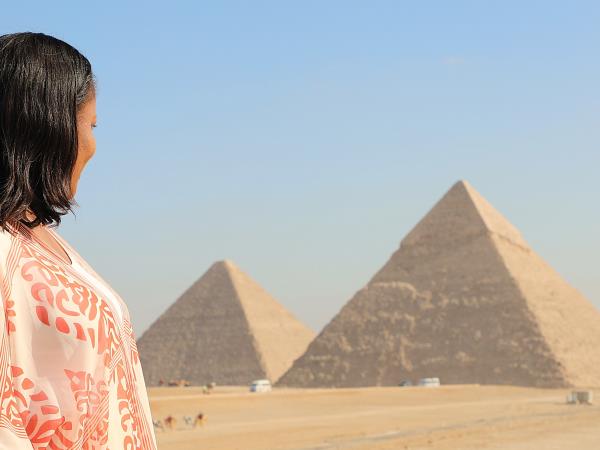
Dahabiya Nile cruise and Cairo vacation
Luxury 3 day cruise & Cairo stay
From
US $2329 to US $3105
6 days
ex flights
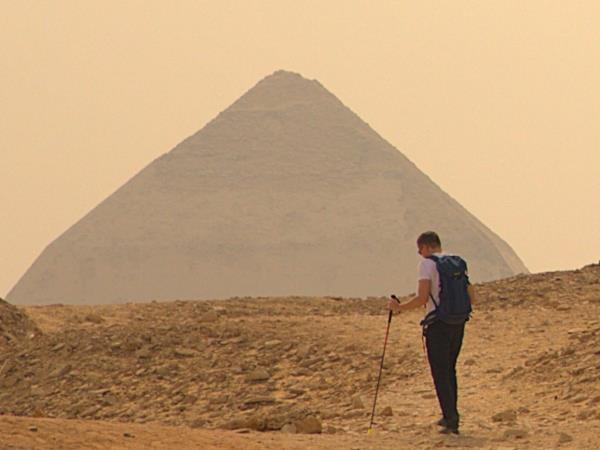
Pyramids of Cairo vacation, Egypt
In the footsteps of Pharaoh Sneferu
From
US $2109 to US $2812
6 days
ex flights
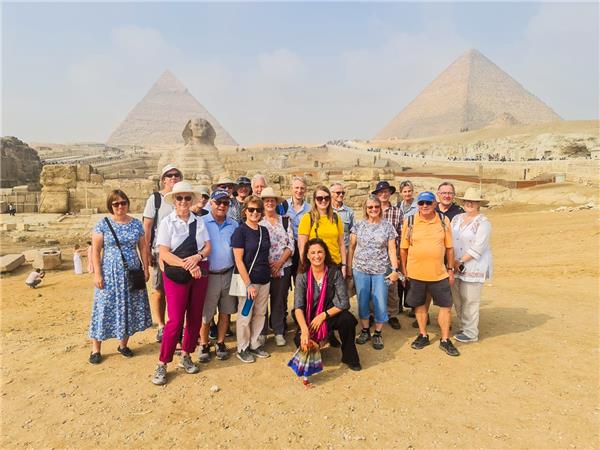
Highlights of Egypt vacation
All the classic sites if you have limited time
From
US $4110 to US $5995
13 days
ex flights
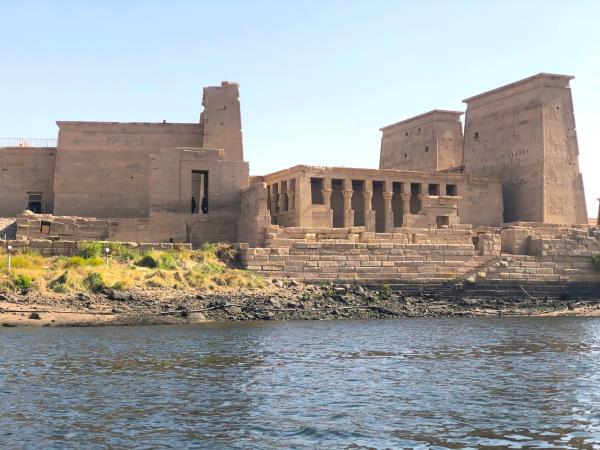
Ancient Egypt guided tour
3 days in Cairo & Nile river cruise
From
US $2896 to US $3862
8 days
ex flights


Contact Us

Call us for a chat about our vacations. We are happy to discuss your vacation and help in any way we can. No bots, queues or awful hold music.

1-866-821-6866
Call toll free
Calling from outside the USA


Many of our Egypt tours are tailor made, allowing you to adapt the Cairo section of your itinerary as you prefer![]()
How long should I allow to visit the Grand Egyptian Museum?
You should allow at least six hours in the museum to see as much of it as possible, but if you have the time then you can make a full day of it. There is a food court on-site so you don’t need to leave the complex. Combining the museum and the pyramids in one day would be difficult, however, so consider spreading them across two. Many of our Egypt tours are tailor made, allowing you to adapt the Cairo section of your itinerary as you prefer.
Should I visit the museum or the pyramids first?
If you do decide to visit the Pyramids of Giza on the same day as the Grand Egyptian Museum, then it’s best to see the pyramids first. That way, when it gets hotter later in the day, you’ll be comfortable in the climate-controlled museum complex. Many of our Egypt tours are tailor made, allowing you to adapt the Cairo section of your itinerary as you prefer.
More Egypt articles
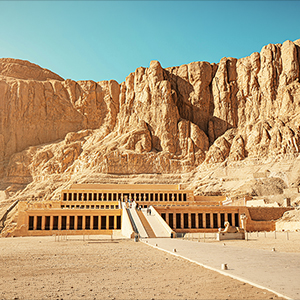
Learn all about the best times to visit Egypt, along with our cultural picks from the Egyptian calendar.
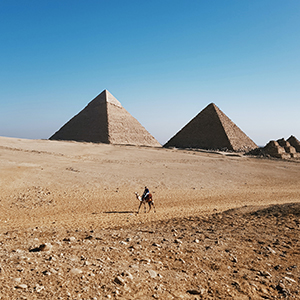
Our travel guide is designed to help you get the most from your vacation, with useful sections on what we rate (& what we don’t)
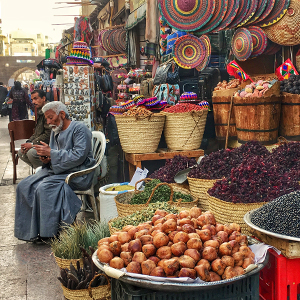
Take a peek at our highlights in order to make the most of your time in one of the world's greatest tourism destinations.
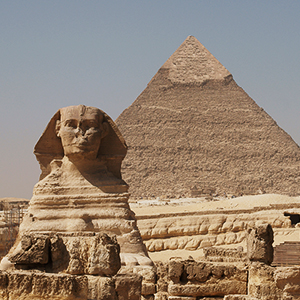
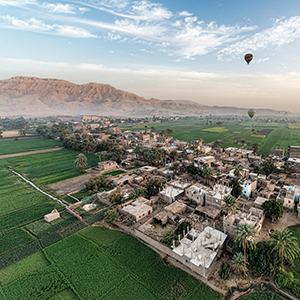
Luxor and the Valley of the Kings transport you to the Egypt of childhood dreams.
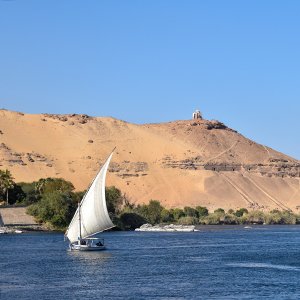
A classic Egypt vacation takes in the iconic landmarks of Cairo and a cruise along the Nile.
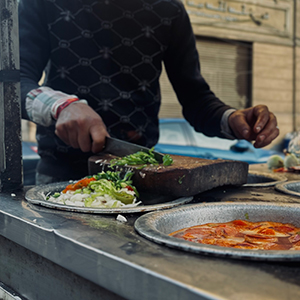
Learn what the food is like in Egypt, and why you’ll never go short of a bread roll here.

We’ve got all the best Egypt tips for families as prescribed by our Egypt vacation experts.
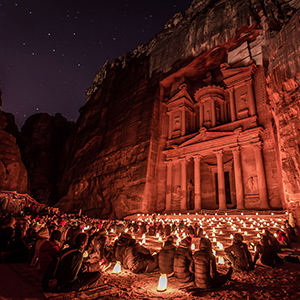
Combine Egypt and Jordan on a vacation, and discover our meze of recommendations.

Our Egypt travel advice page is packed with tips from our friends in Egypt, vacation partners and travelers.