Scandinavia tours

With Southern Europe heating up, Scandinavia is growing increasingly popular for a summer vacation – about time, too.

The best way to start a Scandinavia tour? Why, table tennis, of course!

Assembling in Copenhagen for your small group tour of Denmark, Norway, Sweden, and Finland, you start with an evening at Folkehuset Absalon, one of the capital’s premier community spaces. On ‘international friendly’ days, non-Danish speakers can visit for fællesspisning – communal dining – and table tennis afterwards in the big hall of what was once a former church.

There are no signs on the toilet doors; people are encouraged to make small talk and find things out by asking others.

“It’s a family style dinner with strangers. It's a great opportunity for our groups to meet locals,” says Radek Nowak, product manager at our partner Intrepid Travel.

Scandinavia normally refers to Denmark, Norway, and Sweden. Include Finland and Iceland too, and you’re looking at the Nordics. Most Scandinavia tours also include a bit of Finland – Iceland is a stretch. The ‘Nordic Model’ – as it’s called in economics – recognises that these are some of the happiest, least corrupt, most socially fair countries in the world.

And, when you’re visiting countries where happiness, equality and sustainability are so high on the agenda, then a vegetarian communal meal is a fantastic way to set the tone. Dinner at Folkehuset Absalon is at 6pm sharp; evening meals are eaten relatively early across Scandinavia – putting southern Europe’s propensity to wait ‘til 10pm to shame.

It’s not the only difference with southern Europe – increasingly, people are looking north for their summer vacations, to escape the overcrowding, wildfire risks, and extreme heat of the south.

Long, cool summers

“Scandinavia offers nice, mild summers,” says Radek. “Perhaps this is more attractive to a conscious traveler than overcrowded, hot destinations that were considered as first choice for summer vacation for so many years.”

Not only are the summers mild, but they’re very long. When you go northwards, you get longer days and lighter evenings as midsummer approaches, meaning you can pack a lot in. And there’s a lot to pack in: conviviality in Copenhagen is just the beginning; there are three other capitals to explore, and then the biggest draw of all: the landscape.

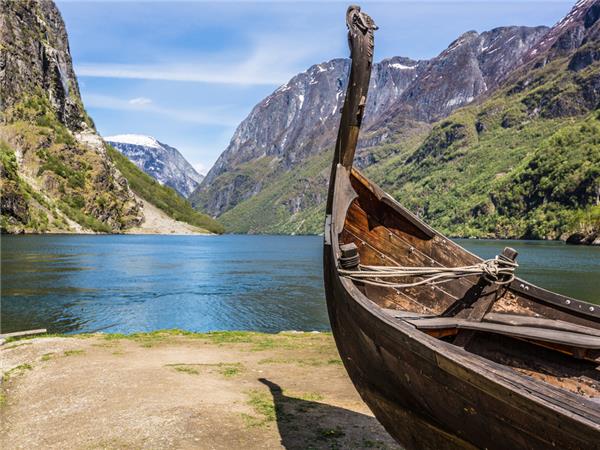
Europe has been scarred for several summers now by news of terrible wildfires and soaring temperatures. Conversely, the pine forests and placid lakes of these northern climes offer a gentle balm. “Scandinavia can throw a taste of winter even in the summer months,” notes Radek, and recommends bringing a raincoat just in case. Gently lit by the changeable light of spring and summer, Norway’s fjords and Sweden’s lakes offer some of the prettiest, greenest scenery around.

Small-scale tourism

“One of the things I love about tourism in Scandinavia is that, apart from major destinations like Stockholm or Copenhagen, it is relatively small-scale,” says Radek. For years, tourism in these quiet regions of northern Europe has so far not overwhelmed their relatively small populations.

This may change. Danish hotels have seen tourism numbers break records year on year, whilst more cruise ships are entering Norway’s fjords than ever before. For the moment, though, all is quiet on the lake shores. Typically, Scandinavians value their solitude, and show great respect towards the space and privacy of others.

Making connections

When tourism is small scale, there are more opportunities to break through the tourism infrastructure and speak to ‘real people’. “When we go to the tiny island of Vrango, in the archipelago of Gothenburg, it’s not uncommon for the people traveling with me to strike up a conversation with the residents,” says Intrepid tour guide, Casper Renting.

For English speakers, Scandinavia is a wonderful opportunity to connect with others. English proficiency is some of the highest in the world in Denmark, Norway, and Sweden. If you can speak Swedish, Danish, Norwegian, Finnish, or one of the Sami languages in return, even better.

And there are plenty of chances for organic conversation on public transport. The train network a really easy way to tour the countries, and meet others, especially when you’re accompanied by a tour leader who can make sure you’re on the right platform, with the right ticket. “It’s great!” says Radek. “A lot of public transport infrastructure across Scandinavia is modern and electrified, including trains and city buses. Connections between main cities are generally good too and there is no reason not to take a train over a private vehicle.”

Taking the green route

Stockholm’s metro runs on green electricity, and its buses run on renewable fuels. Oslo’s public transport – from ferries to trams – is electric. Meanwhile, Denmark is gunning to be the first country to be completely fossil fuel-free.

“And a fair number of trains run between the countries, too,” adds Radek. “Trains are spacious, comfortable and clean and very often run on schedule.” We asked Radek if people get to Scandinavia by train, too. “Yes they do!” he said.

Not done? The Baltics are within very easy reach, and make a great extension after Helsinki – just keep following the train lines.

Highlights on Scandinavia tours

Cool capitals

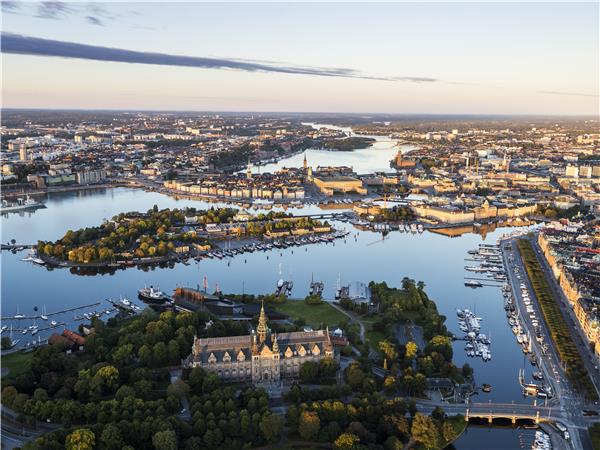
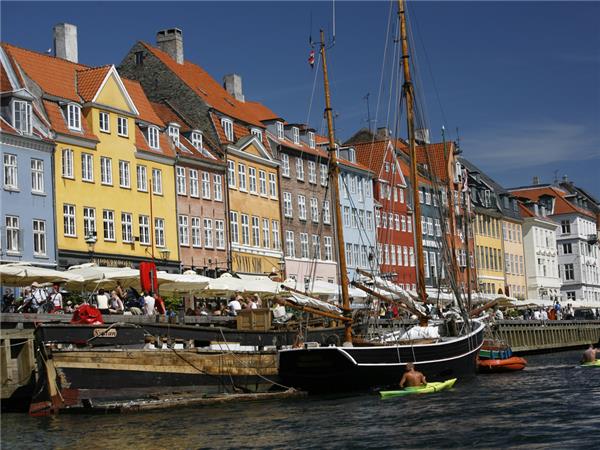
Copenhagen, Oslo, Stockholm, and Helsinki are four very different capitals, but they all have a certain calm charm about them. There are the grand streets and facades – plus great examples of modern design in every capital. They’re all built on the water – Stockholm on an archipelago on the Baltic, Copenhagen spanning two coastal islands, Oslo a fjord, and Helsinki on a peninsula. It means there’s a lot of opportunity for saunas and sea swims. But, when it’s cold outside, its the carefully designed indoor spaces that really come into their own, like the many small cafes with cosy corners.

Small communities

Most Scandinavian city dwellers don’t stay in the city all year round – in Finland, mokkielama – cottage life – beckons every summer; Swedes and Norwegians also like to vacation in their own country. Just so, the smaller rural communities on this trip might win you over. In Sweden, visit Alingsas, a town known for a high density of coffee shops, where you can enjoy free refills over massive plaits of sugared cinnamon bun. Off the coast of Gothenburg, you can meet the fishermen who live on Vrango Island – and eat fresh shrimp on the beach.

Beautiful landscapes

The train journey from Oslo to Bergen, gateway to Norway’s fjords, whets your appetite for what’s to come. There are dizzyingly steep mountains with scores of silvery waterfalls threading down their sides, the thin patches of sky between them crossed by white tailed eagles. And, when you get to Sweden’s interior, there are 100,000 lakes to choose between, sporting islands fuzzy with pine forest, shorelines interrupted only by short jetties with a couple of boats looped over their posts. Paddleboards out!

Contact Us

Responsible Travel, Travel Team

Call us for a chat about our vacations. We are happy to discuss your vacation and help in any way we can. No bots, queues or awful hold music.

Responsible Travel, Travel Team

Practicalities

Take three weeks on your tour and see four countries – Denmark, Sweden, Norway, and Finland – and not just spend time in their capitals, but really get to know their gorgeous landscapes too.

A typical tour route might start in Copenhagen, cross the bridge to Malmo, Sweden, and then carry on up the coast to Gothenburg. Cross to Oslo, Norway, and then take a long scenic train to Bergen, the gateway to Norway’s fjords. Head back to Sweden via the Norwegian town of Lillehammer, and then spend time at the Swedish lakes. Leave plenty of time for Stockholm, and then take an overnight ferry to Helsinki.

Travel by train is very easy and convenient across all four countries. Memorable journeys include the train from Oslo to Bergen in Norway, which has big windows for a reason, and the journey from Copenhagen across the bridge (and the border) to Malmo, Sweden.

Going in a guided small group means that you’ll have travel companions, but will also be able to speak to local people along the way; your tour leader can help you with some conversation starters, such as, anyone for table tennis?
Written by Eloise Barker
Photo credits: [Page banner: Ansgar Scheffold] [Intro: Vidar Nordli-Mathisen] [Long, cool summers: Hans Ott] [Cool capitals: Massimiliano Morosinotto / Unsplash+] [Beautiful landscapes: Raimond Klavins] [Practicalities: Julius Jansson]