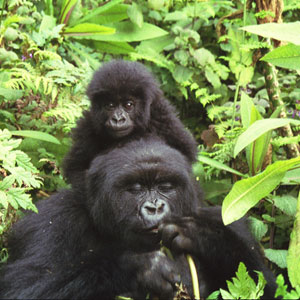
Gorilla watching has always had one golden rule: don’t go if you feel ill. Gorillas’ DNA is so close to ours that they can catch our illnesses, meaning they could face a real threat from human-borne respiratory infections. Diseases that jump between humans and animals (or zoonotic infections) have caused fatal outbreaks in wild mountain gorilla families in the past, and on average, even if a tour follows the rules, gorillas used to humans will come into close quarters with 7-23 people every day.
Local wildlife authorities and our gorilla watching specialists strongly discourage trekkers from getting too close, not only for your safety, but also for theirs. That’s because, after trauma, respiratory illness is the
biggest cause of death in wild gorillas. Strict gorilla watching guidelines then are a very positive thing. They were tightened due to the Covid 19 pandemic, and we hope that they’ll continue into the future.
But groups don’t always stick to the rules either on distance, or on the time limit (maximum one hour) spent with the gorillas.
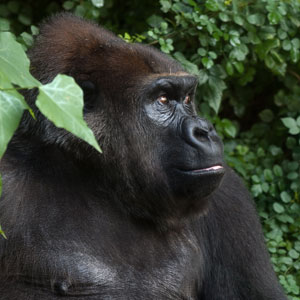
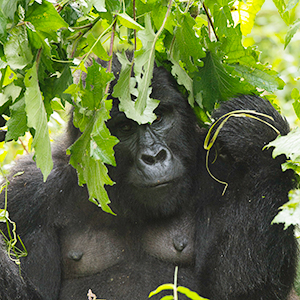
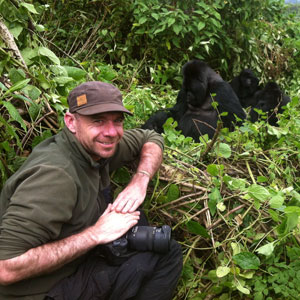
Studies show that most gorilla treks observed in Bwindi Impenetrable National Park in Uganda don’t keep to the 7m rule emphasised by park rangers. Often this is down to groups being approached by the gorillas, but at other times it was for a good photo opportunity. Viruses aside, we’re not sure we’d want to get that close to a 160kg silverback…
Gorilla trekking is vital to the long-term survival of mountain gorillas and to the economies of the communities that live near them. But it’ll only be successful if gorilla tourism remains responsible. We need strict guidelines to be enforced, plus a raised awareness of how to trek safely without endangering ourselves or the gorillas. By following these guidelines – as proven when we’ve followed social distancing and hygiene guidelines in our day-to-day lives during the pandemic – we can admire these magnificent animals without the risk of unintentionally causing them harm.








_19.jpg)