Mount Toubkal trekking guide

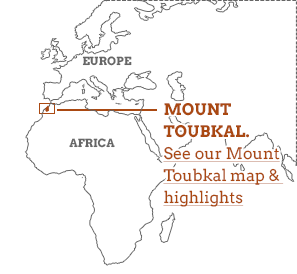
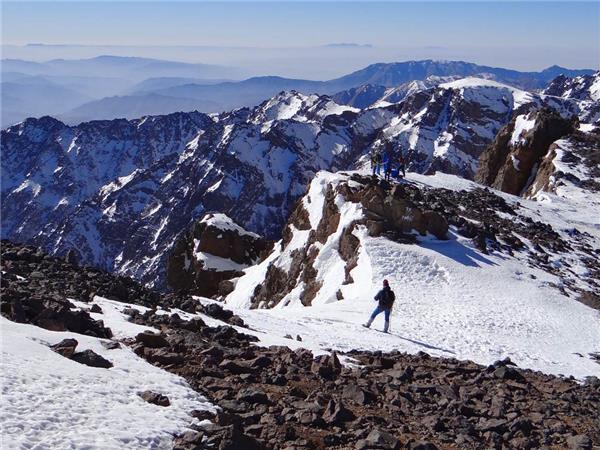
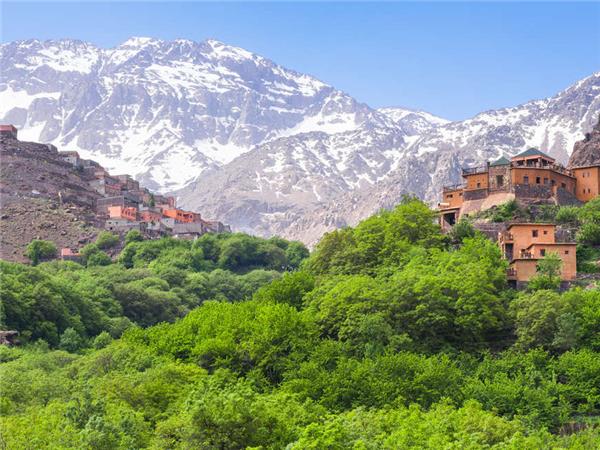
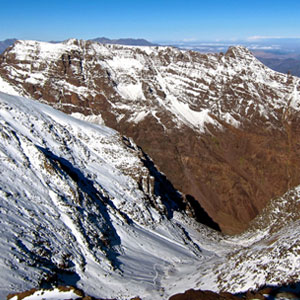
Mount or Jebel Toubkal is the highest peak in the Arab world and just over 60km from Koutoubia Mosque in Marrakech where the Call to Prayer echoes out in all directions. At t 4,167m high, the call to climb Toubkal is also a pilgrimage for many. Although you don’t need climbing techniques to conquer it, but you do need a good level of fitness, the quickest route up to the summit taking two days.
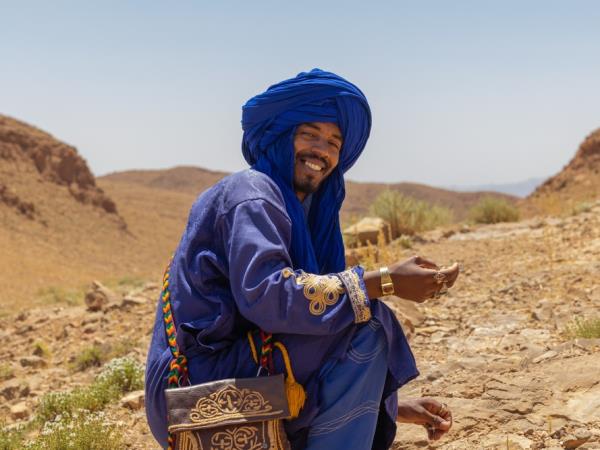
On Toubkal, you will be guided by the Atlas’ indigenous Berber people. The name they give themselves is Amazigh, meaning ‘free people’. And up here, their sense of freedom is infectious.
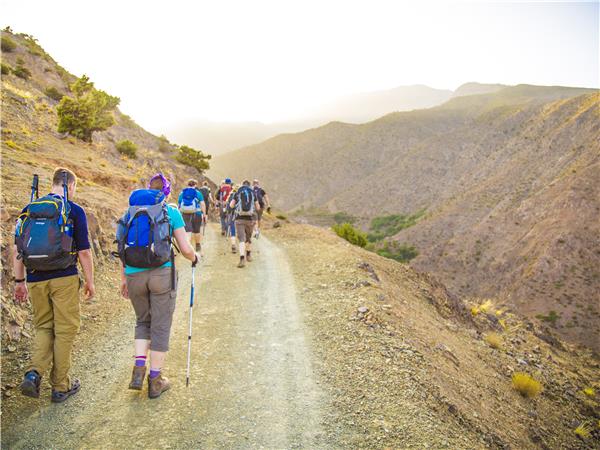
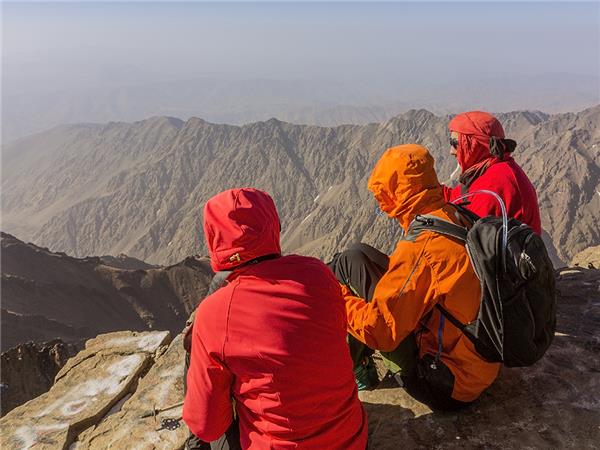
The first day’s trek is from the gateway village of Imlil to Toubkal mountain refuge, then a second morning to summit followed by a five hour descent. However, with welcoming Berber villages, valleys and views along the way, a longer Toubkal trek is highly recommended. As is going with an expert guide and Berber porters who will lead you through their ancient homelands with an innate sense of care.
Read our Mount Toubkal trekking guide for more details.

Mount Toubkal is...

not technical but it is tough trekking. You do need to be fit. So, get in training, it will be worth it.

Mount Toubkal is not...

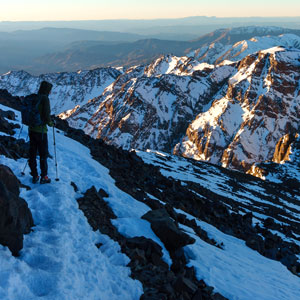
to be tackled unguided. It is not a technical climb, it is slippy, windy and very hot.

Things to do around Mount Toubkal...

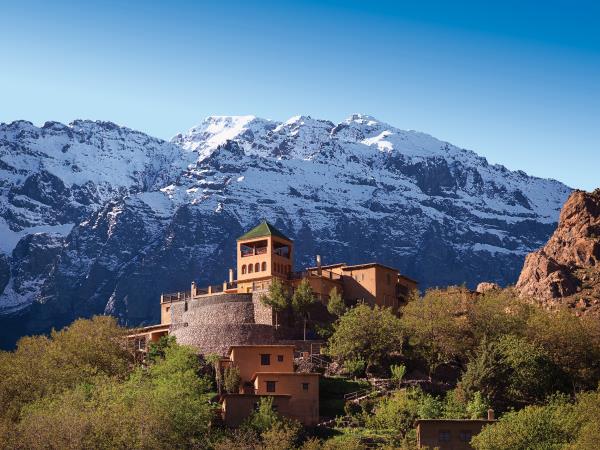
Berber people are indigenous to the Atlas Mountains and you will experience their fascinating culture from bottom to top of Toubkal. And all the way back down again. Treks start in the Berber village of Imlil with family run ‘gites’ and porters. Your Berber support team will prepare traditional tagines and tea, and engage in Berber banter whether you speak their language or not; their bubbly and buoyant personalities carrying you all the way up to the peak. Traditional, subsistence farming is the norm here, with smallholdings bearing fruits and nuts, and sheep and goat herders who practice traditional transhumance in the mountains. There is more to Toubkal than the summit of course, with the High Atlas proffering many other trekking trails. Take a longer trekking vacation in the Atlas to discover natural heritage beauties such as the juniper forest of the Azzaden Valley, Tizi n'Tichka mountain pass at 2,500m, the slippery scree slopes of Kissaria Gorge and other peaks such as Yagour on its eponymous plateau between 2,300 and 2,700m. Or the two-for-one peaks of Mount Ouanoukrim which some trips include with Toubkal summits. Toubkal is far out trekking, with wild camping and mountain refuge as sleep spots. Basic food, basic beds, but the most beautiful landscapes and camaraderie. You can get a hotel and hammam in Marrakech when you come back down. Most trips include a trip to the city that bombards all the senses.

Contact Us

Responsible Travel, Travel Team

Call us for a chat about our vacations. We are happy to discuss your vacation and help in any way we can. No bots, queues or awful hold music.

Responsible Travel, Travel Team

Things not to do around Mount Toubkal...

Rush to the top. Attitude sickness can be a feature of climbing Toubkal with nausea often kicking in around 2,800m, the peak being at 4,167m. Go on a longer trek that allows you to acclimatise slowly, and always tell your guide if you are feeling sick or dizzy. Don’t be shy about it, it can hit anyone. It is very important to stay hydrated, too.
Buy plastic. Plastic bottle waste is an issue on Mount Toubkal, so please bring a filtering water bottle with you so that you can use stream water when necessary. Or purification tablets such as Biox Aqua drops. If staying in a mountain gite, use their water wisely too, as it is a rare commodity in the mountains. And take all litter with you after camping or rest stops.
Disrespect the Berber culture as these mountains are their home and they have been stewards for generations. Always ask before taking a photograph, if eating with your hands remember to only use your right hand, and learn some of their language. Read more in our Atlas Mountains Responsible Travel guide.
Trek with a donkey that is wearing a traditional Berber iron bit, as they cause the animals a lot of pain. Also, your mule should never carry more than 75kg on short treks and, for longer ones, you can half that amount. A responsible tourism operator should ensure ethical use of donkeys for trekking on Toubkal.
Written by Catherine Mack
Photo credits: [Page banner: Julia Maudlin] [Is/Isn't: Omer Simkha] [Things to do : Sergi Coll]