

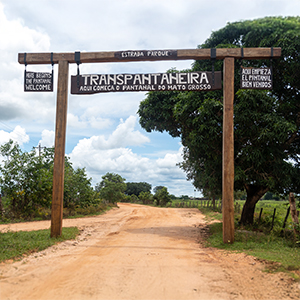

Pantanal travel guide

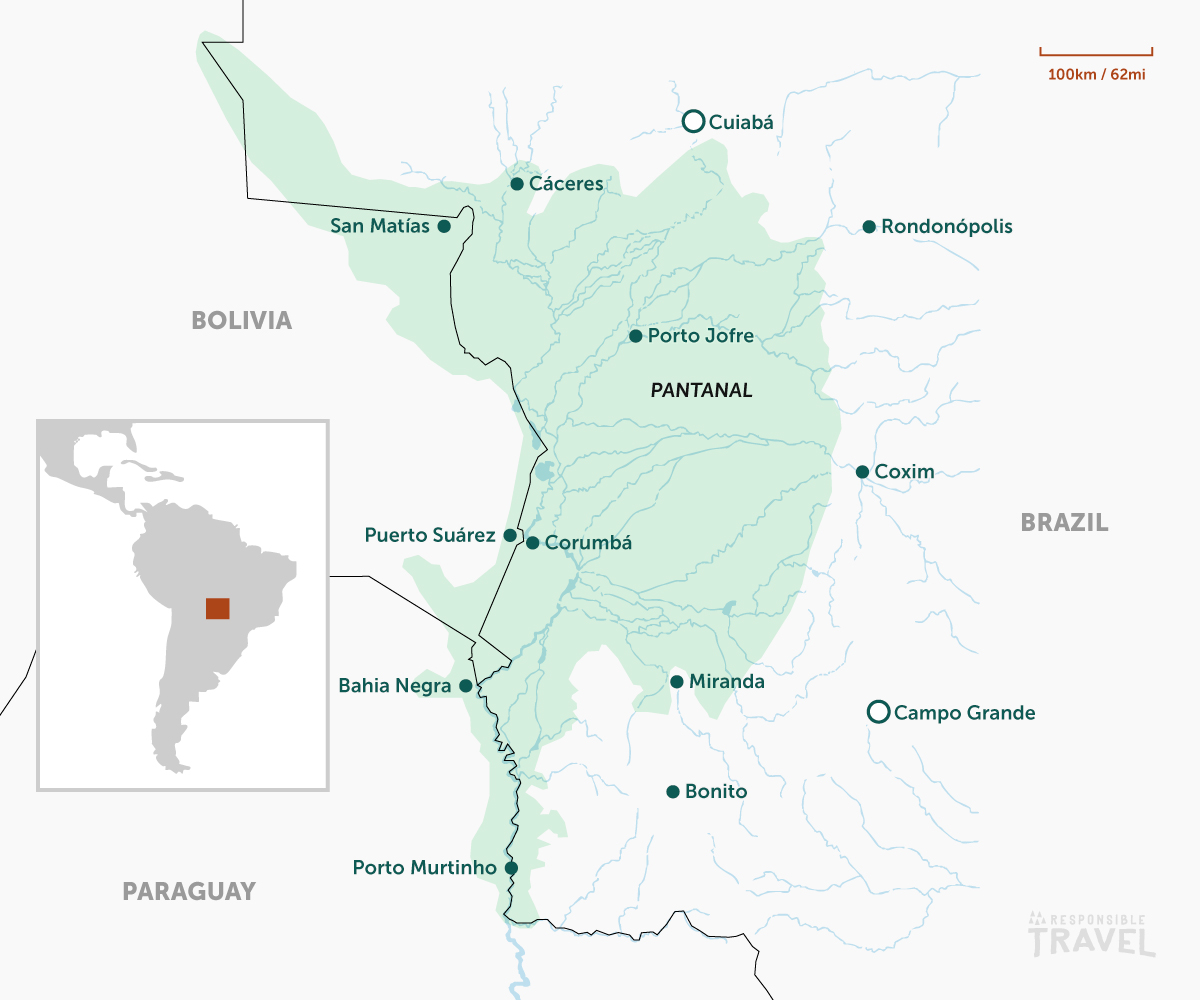
A vast wetland half the size of France, Brazil’s Pantanal shelters around 1,000 species of birds and over 200 mammals, making it one of the richest ecosystems on earth. A quick glance at a map reveals a network of tangled rivers and oxbow lakes, which flood on an immense scale in the rainy season meaning you’ll need to take a boat through the inundated forest – a surreal experience.
Brazil's verdant interior is synonymous with the Amazon, but for truly astonishing wildlife encounters, head to the Pantanal – the world's largest tropical wetland.
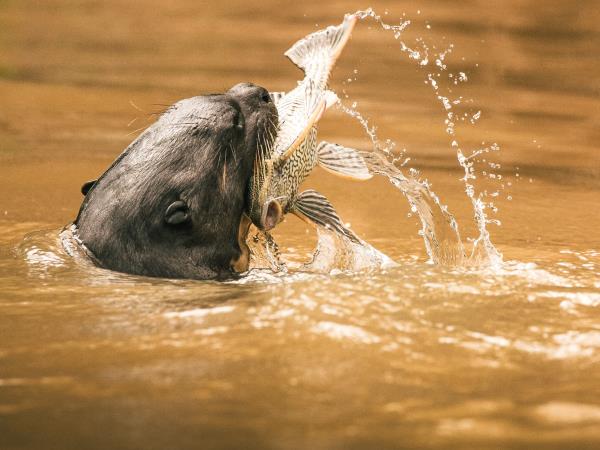
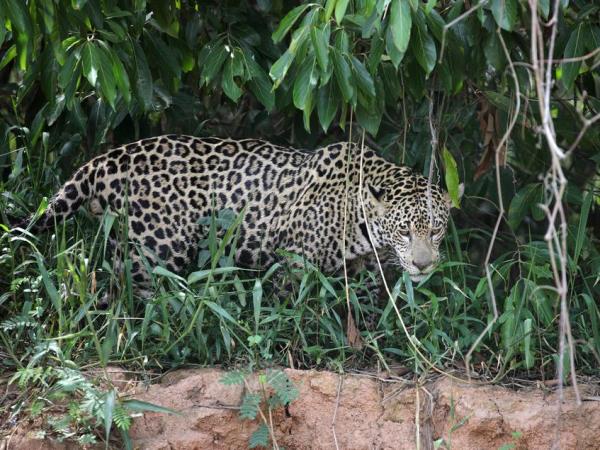
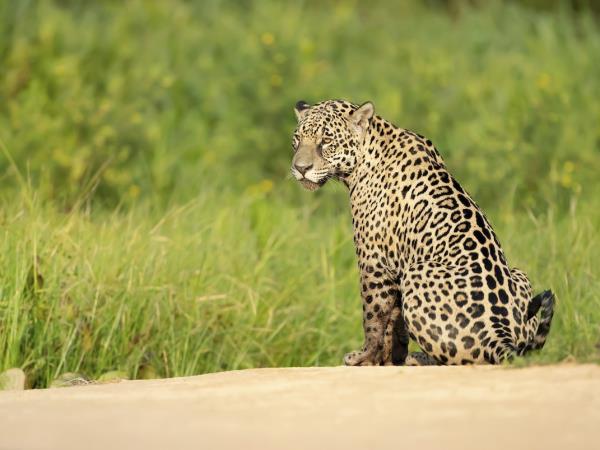
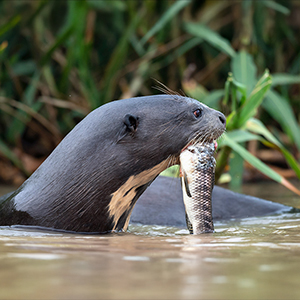
The Pantanal’s most famous inhabitant is the jaguar – and the rivers of the Northern Pantanal offer the best opportunities to spot jaguars on the continent, as they prowl the banks, seeking out prey. But this environment is superb for observing all kinds of wildlife. While the Amazon’s dense vegetation means the wildlife can be heard but rarely seen, the sparser forests and grassy plains of the Pantanal means it has nowhere to hide, and there is every chance you’ll encounter enormous jabiru storks, giant otters, comical capybaras and even the odd tapir.

Things to do in the Pantanal…

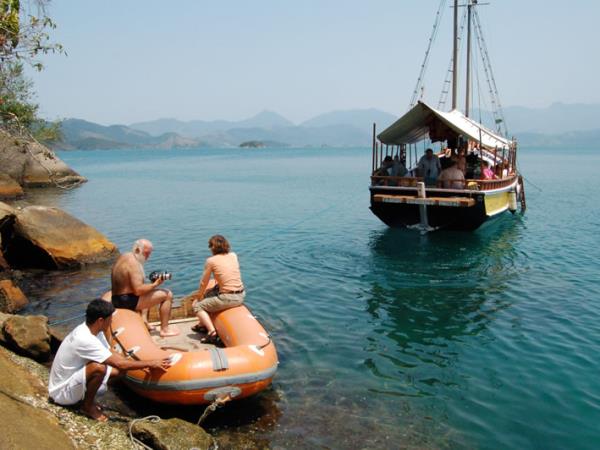
The South American jaguar is the world’s third largest cat. It is also strikingly beautiful, and – as a general rule – particularly elusive. However, the jaguars of the Pantanal are semi-habituated, and these open landscapes – not screened by huge trees and dense vegetation – mean that this is the best place to see jaguars in the world. Vacations here typically allow for two or three days navigating the rivers around Porto Jofre, maximising the chances of sightings as the cats bask on the banks or search for prey. These powerful felines are surprisingly strong swimmers, perfectly built for this aquatic environment. Explore on two wheels, two legs, four legs – or paddle. The Pantanal’s open landscapes mean there is more than one way to seek out wildlife. Go on walking safaris here by day or night – when a whole host of new creatures emerges. Ride horseback in proper cowboy style, or hire a bike. And as well as the classic river cruises, you can paddle your way round in a traditional canoe; this quiet mode of transport won’t scare the wildlife away… Boats aren’t just a means of transport out here – you can stay on one, too. On the Paraguay River in Taiamã Reserve, a cosy houseboat lets you wake up on the water, enjoy breakfast on deck, and enjoy the South American scenery before you’ve even had your first cuppa of the day.

Contact Us

Responsible Travel, Travel Team

Call us for a chat about our vacations. We are happy to discuss your vacation and help in any way we can. No bots, queues or awful hold music.


Responsible Travel, Travel Team

Things not to do in the Pantanal...

Focus exclusively on the jaguars. These gorgeous predators might be what lures visitors halfway round the world to this watery wilderness, but it’s best not to be blinkered in your search for them, especially as sightings are highly likely but never guaranteed. The Pantanal is an impressive ecosystem, filled with wildlife delights including the bizarre capybara (like an oversized guinea pig), giant otter, elusive tapir, crab eating raccoon and armadillo, snuffling around in the undergrowth. Expect safari-style luxury. For the most part, accommodation in the Pantanal strives to immerse you in these incredible surroundings; don’t expect WiFi or an infinity pool. You’ll be comfortable and well looked after, but escapism here takes the form of night safaris, canoe rides and weird and wonderful wildlife – not giant TV screens and indulgent spas. Try and travel independently. Vacations in the Pantanal look rather pricey, but organised tours do tend to be more affordable than trying to do it yourself, once you’ve factored in flights, car hire ad accommodation. Even if you do travel independently, you’ll still need an expert guide to track down the wildlife for you and increase you changes of spotting a jaguar. And of course, activities such as trekking and night safaris are not recommended without someone who knows this region inside out.
Written by Vicki Brown
Photo credits: [Page banner: Tambako the Jaguar] [Things to see and do: Getty Images / Unsplash+]