Renewable energy where you stay
We’ve organised our ‘renewable energy in accommodation’ vacations into four types, which you can filter between in the vacations section.
First, we wanted to highlight properties that produce their own energy from renewable sources – even if they occasionally need to use a back up generator or other sources to supplement their efforts.
Second, we have a category to showcase the countries powered entirely by renewable energy – usually hydropower. Here, all accommodation that uses the national grid will be renewable-powered, whether renewables are part of their ethos or not.
Third, there are vacations where accommodation is supplied entirely by renewable energy. This may be because they produce all their energy themselves, off-grid, from renewable sources like solar. It may be because they use a green energy provider on-grid.
Finally, there are vacations that are partly renewable-powered. We guarantee that these trips will spend at least 20 percent of their time in accommodation which uses renewable energy.
Our top Renewable energy where you stay vacations

Buddhist Bhutan cultural tour, Black necked Crane Festival
Vegan yoga course in Spain
Venabu cross country skiing vacation in Norway
Catalonia family activity vacation, Spain
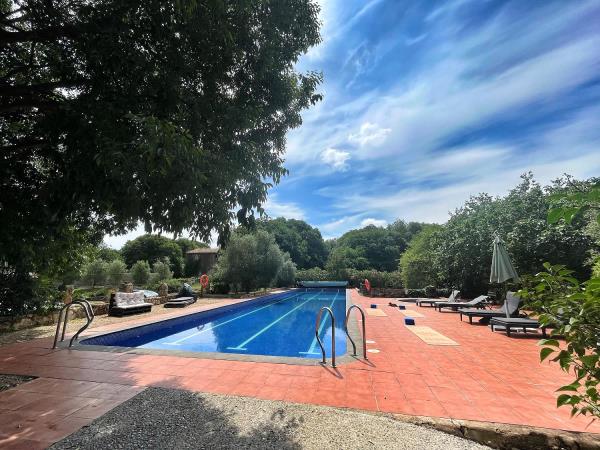
Cycling and yoga training weeks in Spain

Vegetarian cooking vacation in Portugal
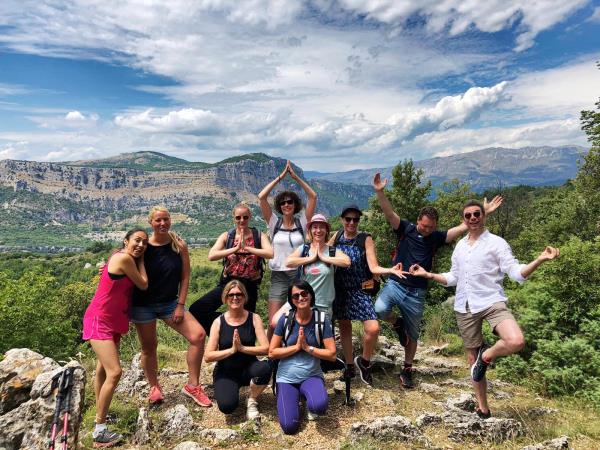
French Riviera yoga vacation
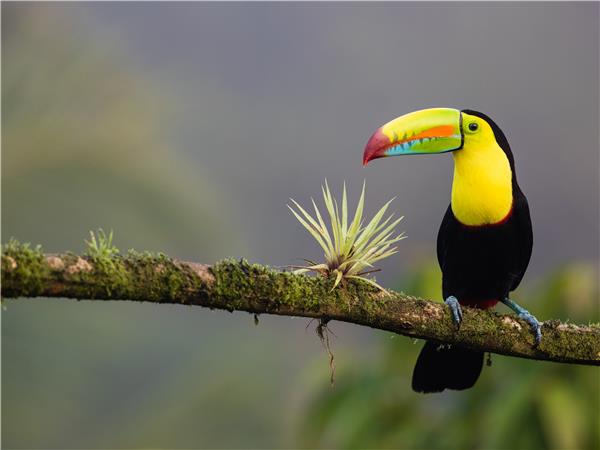
Costa Rica wildlife vacation
 See all our Renewable energy where you stay vacations



Our four types of accommodation powered by renewable energy
Properties that produce their own energy from renewable sources
For many of our partners, renewable energy is a passion project. They’ve gone the extra mile to think about it – or perhaps committed to off-grid living, and gone the extra hundred miles!
Creating great, responsible places to stay often comes at great time and expense. And that level of care and passion is often evident in other aspects of your stay – such as how and where the food you eat is produced.
Sometimes off-grid properties are so advanced, you’ll barely notice you’re running on renewable. Others hotels’ renewable commitments are part of a wider ethos about minimising usage – so you might be able to charge your phone, but not run a hairdryer, boil a kettle, or use a tumble dryer.
We have properties where you can ‘sunbathe’ in a solar-powered shower, enjoy solar-powered underfloor heating, or harness the power of the sun to cook your food.
The power for this accommodation in Altiplano de Granada in Andalucia, Spain, comes mostly from the Spanish sunshine, with a back-up generator on site. Additional water heating comes by burning olive stones and almond shells in their biomass boiler – both are by-products of the local farming industry.
Some of our lodges use solar, but the evenings are all about good old-fashioned candlelight – like our jungle eco lodge in Sri Lanka, where the light from candles softly illuminates the walls of the traditional mud-built restaurant. A generator is only used to pump water from the well – or when they need to draw a lot of power at once.
Countries entirely powered by renewable energy
We have made it easier for you to find vacations in countries that run on renewable energy. Albania, Bhutan, Nepal, Paraguay, Iceland, Ethiopia and the Democratic Republic of Congo produce more than 99.7 percent of the electricity they consume using geothermal, hydro, solar or wind power. Whilst we applaud the efforts of intrepid off-grid hosts, it’s governments, not individuals, who should be implementing the clean energy transition, which is why we highlight the countries that are doing so.
Of the countries running on close to 100 percent renewable energy, most generate it from hydropower, which can cause considerable environmental damage through the construction and running of large dams. Albania, Bhutan, Lesotho, South Georgia, Nepal, Ethiopia, the Democratic Republic of Congo, Paraguay all use more than 98 percent hydroelectricity. In Iceland and Costa Rica a small proportion of power also comes from geothermal sources. Costa Rica uses 10 percent wind power.
Entirely supplied by renewable energy
We are proud to showcase properties and vacations that can guarantee that where you stay is always powered by renewable energy.
Take this Indigenous-owned wilderness wildlife lodge in British Colombia, Canada. It's totally off-grid and harnesses the power of a nearby creek with a hydro-electric system. Their updates have allowed them to eliminate the need for a backup diesel generator; you can have a ‘back of house’ tour to see how it all works.
In Europe, this beautifully situated guest house in the Italian Alps, near the village of Pianazzola, is set up so that all electricity comes from a co-operative at the town. Many alpine towns produce their own renewable electricity in this way, relying on their own co-operative-owned hydroelectricity plants instead of the national grid, which is often more expensive. Many of these have been in place for years.
Some places around the world have the option of choosing to use a renewable energy tariff – an example is the UK, where privatisation means that properties can choose to use an energy provider that guarantees green energy. For example, this Devonshire eco lodge has a 11kW Gaia wind turbine that powers the hot tubs and can charge your electric car. At times when the property is drawing from the grid, it still uses a green energy supplier. Green tariffs are not the global norm, and accommodation in many other countries cannot choose where their energy comes from without going off-grid.
We have many vacations where our partners have done the work installing solar panels, or indeed a turbine, to lower their carbon footprint, but many of them must rely on the vagaries of the weather – meaning that they may have to resort to a back up generator or power from the grid. Where they do not meet the criteria for this section, we celebrate their efforts in the ‘produces renewable energy’ section, below.
Vacations that are only partly renewable-powered
This selection of vacations guarantees that at least 20 percent of your trip will stay in accommodation that is powered entirely by renewable energy. That means at least two nights of a ten-night trip are powered by green energy.
Responsible Travel has never been one for sitting around. We sell a large number of adventurous small group trips and multi-center vacations that involve staying in many locations, cities, districts and even countries on one vacation.
A trip that goes mobile camping in the bush might rely on solar-powered showers and cooking on campfires. But the trip might start with a single night in a hotel near the airport, or in a gateway town where renewable options are limited by availability.
Guaranteeing that a small group trip will wholly use renewable-energy accommodation is very difficult, especially for small business owners who are balancing hundreds of tasks at once. To guarantee even a quarter of a trip uses accommodation powered by renewables is a feat indeed for multi-center small group trips, and one we think is worth celebrating.
What is renewable energy?
Alternative fuels are also considered renewable energy sources, though these have associated greenhouse gas emissions when they are burnt. Alternative fuels include crops that are grown and harvested to create biofuels, and wood (best in woodchip form, sourced as a by-product from other industries like furniture manufacturing). In areas of the world where wood is a scarce resource, like the Mongolian steppe, Tibetan plateau or the Sahara, burning dung is another common practice that could be considered a form of renewable energy.
What is the best renewable energy source?
Many hydroelectricity projects cause catastrophic environmental and social damage, flooding whole valleys, displacing people and wildlife at their creation and causing permanent damage to river flow and wildlife. Campaigners fight to prevent the creation of new hydroelectric projects – or have them removed.
Europe had 8,000 new hydropower projects in the pipeline at the start of the 2020s, many of them heavily subsidised by governments. Residents of some countries, including Albania, are campaigning against the threat of further destructive dam projects.
Campaigns sometimes yield results. The four massive dams on the Klamath River on the California-Oregon border decimated the salmon population, increased the levels of toxic bacteria and destroyed the way of life for the Native American community there. After decades of campaigning, all four dams have been removed. Wind and solar power cause less environmental damage, and there are calls for countries already using renewables to transfer to less damaging renewable energy solutions.
Clean energy transition – who’s winning?
The so-so: Hovering around using 50 percent renewables are countries as diverse geographically as Portugal, Peru, Sri Lanka and Suriname.
The bad: Unsurprisingly, oil and gas-rich countries like Saudi Arabia, Turkmenistan, Trinidad and Tobago, and Qatar use less than one percent renewables. Botswana uses coal and oil. Cuba imports oil for most of its energy, but is looking to pivot towards renewables, such as burning sugarcane.