Namibia self drive adventure
Price
£7825 excluding flights
Duration
14 Days
Type
Tailor made

Description of Namibia self drive adventure
Price information
£7825 excluding flights
Departure information
This trip can be tailor made throughout the year to suit your requirements
Travel guides
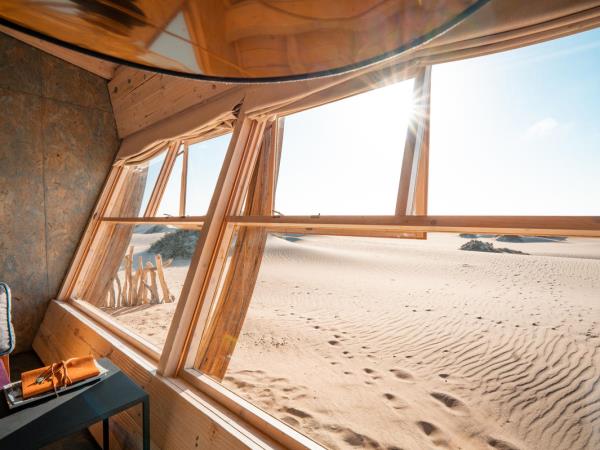
There may well be an awful lot of sand in Namibia - a country characterised by two vast deserts.
Learn what we rate and what we don’t when it comes to African safaris, as well as plenty of useful advice.
Vacation information
Dietary requirements:
We can cater for vegetarian and vegan diets.
Responsible Travel
As the pioneers of responsible tourism, we've screened this (and every) vacation so that you can travel knowing we've worked to maximise the benefits of your vacation to local people and places, and minimise any negative impacts.
Planet
CARBON REDUCTIONThis self-drive itinerary eliminates the need for internal flights entirely. Instead, travelers explore Namibia’s iconic regions Etosha, Damaraland, Sossusvlei and the Skeleton Coast, via a carefully routed journey by 4x4. While the use of a vehicle does involve emissions, the trip’s design significantly reduces overall carbon impact by cutting out multiple short-haul flights, which are more carbon intensive per kilometre.
Several accommodations on this route are actively working to reduce their carbon footprint. For example, Zannier Omaanda near Windhoek runs partially on solar energy and uses low-impact building techniques. Onguma Trails Camp near Etosha employs solar power and has an ongoing initiative to reduce single-use plastics and manage water responsibly in a dry-zone setting.
Travelers are also given detailed pre-departure advice on reducing their carbon footprint, this includes tips on packing light, opting for vegetarian meals where possible, and using Google Flights’ emissions data to choose more efficient international routes. Vegetarian and vegan options are widely available at most lodges, many of which source their ingredients from local producers to reduce transport miles and support the surrounding communities.
ENVIRONMENT AND WILDLIFE
This trip directly supports conservation through entry fees to key protected areas including Etosha National Park and the Namib-Naukluft National Park. These fees contribute to habitat preservation, anti-poaching efforts, and wildlife research.
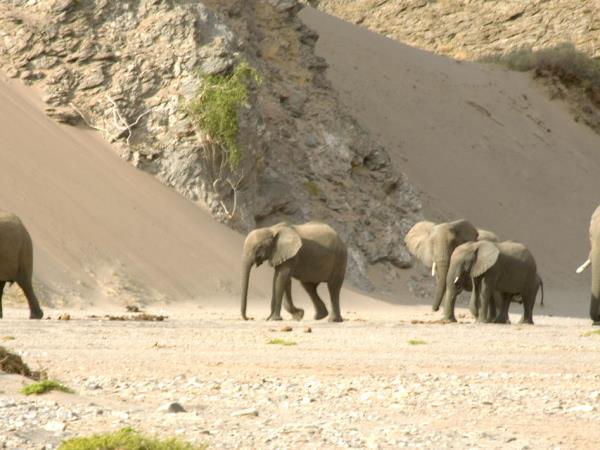
Many of the camps and lodges featured are located on private reserves involved in active conservation projects. For instance, Otjiwa Game Reserve supports rhino protection and biodiversity management, while Damaraland lodges work with the Save the Rhino Trust and Integrated Rural Development and Nature Conservation (IRDNC) to monitor and protect desert-adapted species.
Accommodations across the itinerary are assessed for their environmental impact. Many now use greywater recycling systems, local stone and timber for construction, and renewable energy for water heating. Efforts are also made to reduce plastic waste and improve recycling access in remote locations.
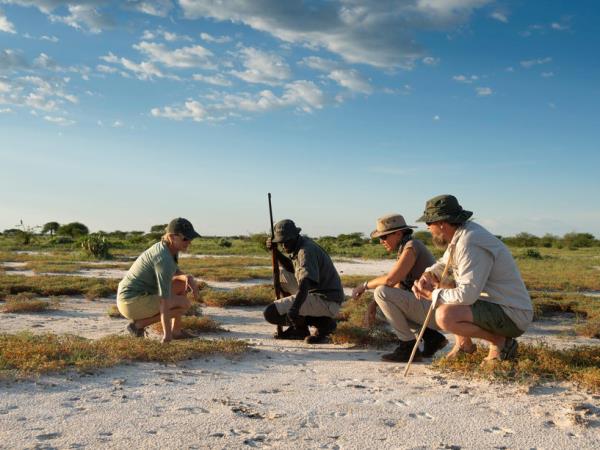
Local guides provide expert-led nature walks and drives, often drawing on generations of knowledge. This not only enhances the wildlife experience but ensures that conservation knowledge is shared in a respectful, culturally embedded way.
People
LOCAL ECONOMYThis trip features a high percentage of locally owned accommodation, from smaller guesthouses in Swakopmund to community-supported lodges in Damaraland. These properties create employment and invest profits back into local schools, clinics and environmental education initiatives.
Travelers are encouraged to visit locally run attractions such as the Twyfelfontein rock engravings and traditional Himba settlements, where local guides share insight and stories. Swakopmund also offers opportunities to support artisans and community craft markets, contributing directly to the regional economy.
EMPLOYMENT, INCLUSIVITY AND DIVERSITY
Across this itinerary, more than 90% of staff employed by ground partners are Namibian nationals, with a strong emphasis on hiring from communities close to the properties. Many lodges also work with rural training schemes that support women and marginalised youth, offering apprenticeships in hospitality, guiding and conservation.
All staff are paid at or above the national minimum wage, and several properties—such as Onguma and Zannier—have active diversity and inclusion policies. Training is offered to support long-term employment regardless of background or gender.
The trip is LGBTQ+ friendly, and we work with partners who are welcoming and inclusive. While Namibia remains socially conservative in parts, all the accommodations we use are comfortable for same-sex couples.
Popular similar vacations
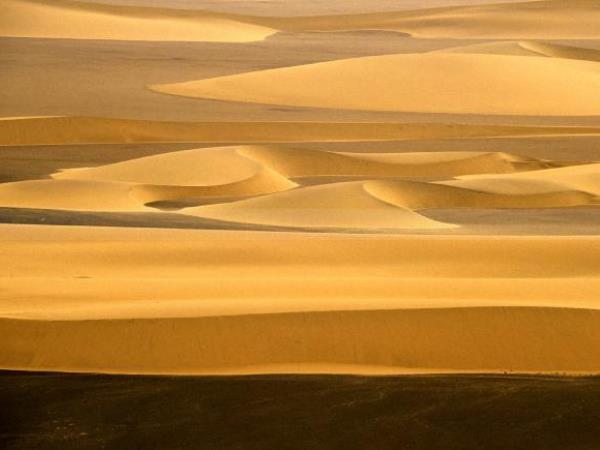
Namibia self drive safari
From £2450 14 days excluding flights
An iconic self-drive safari through north and south Namibia
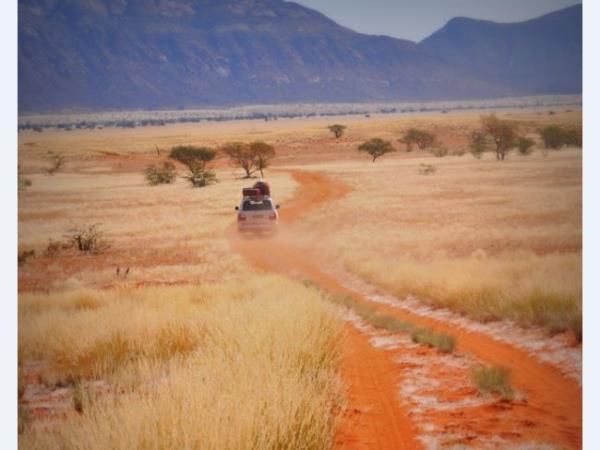
Namibia on a budget
From £1455 - £1525 11 days excluding flights
Self drive vacation on a budget in stunning Namibia
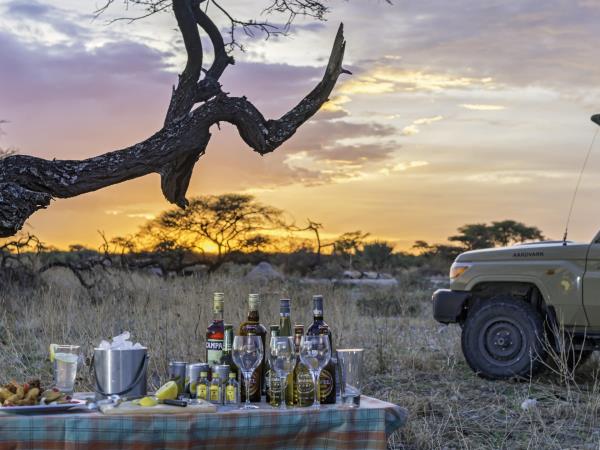
Namibia, Chobe and Victoria Falls vacation
From £3230 - £3895 13 days excluding flights
Self-drive adventure through Namibia + Chobe and Vic Falls