Argentina and falls adventure tour


Price
£5830 excluding flights
Duration
12 Days
Countries
Argentina, Brazil
Type
Tailor made
More info
This is only a suggested itinerary; it can be amended to suit your requirements and preferences.
This is a summary itinerary - contact us for a full and tailored option.

Description of Argentina and falls adventure tour
Price information
£5830 excluding flights
This is only a suggested itinerary; it can be amended to suit your requirements and preferences.
This is a summary itinerary - contact us for a full and tailored option.
Departure information
This trip can be tailor made throughout the year to suit your requirements
Travel guides

Find out more about what we rate and what we don’t as you samba your way through our travel guide.

Come on a journey through the roots of Carnaval, Chamame, Salta and Patagonia in our travel guide.
Responsible Travel
As the pioneers of responsible tourism, we've screened this (and every) vacation so that you can travel knowing we've worked to maximise the benefits of your vacation to local people and places, and minimise any negative impacts.
Planet
Carbon ReductionAccommodations on this itinerary are actively working to reduce their energy consumption, with initiatives such as:
• Reducing water consumption: Measures include encouraging guests to reuse towels and bed linen, installing dual-flush toilets and managing swimming-pool water more efficiently. These practices reduce both water use and the energy required to heat and pump water.
• Reducing plastic and waste: Some properties have eliminated single-use plastics and introduced recycling and organic-waste programmes.
• More sustainable buildings: Argentina's government guidance encourages accommodation providers to use local materials, recycled materials, renewable materials and environmentally sensitive building design, while reducing the amount of energy and materials buildings require.
In addition, Argentina has a national hotel sustainability certification called Hoteles Más Verdes (Greener Hotels), recognised by the Global Sustainable Tourism Council. Certified properties have to demonstrate sustainable environmental and social management: we will always try to use properties with this certification.
Many restaurants in Argentina support sustainable tourism by using locally sourced and seasonal ingredients. Some work directly with small-scale farmers or grow produce in their own organic gardens. This supports local businesses and farmers, strengthens regional food traditions and can reduce the environmental impact associated with transporting food over long distances. It is common to find the following practices in local Argentinian restaurants:
• Seasonal menus: Restaurants often change dishes according to what is naturally available at different times of year. Argentina's tourism authority specifically highlights Mendoza's cuisine as being based around local flavours and seasonal produce.
• Buying from local producers: Many restaurants work directly with small farms, growers and other producers. This reduces food miles while keeping more tourism spending within the local economy.
• Growing their own food: Some restaurants have their own organic vegetable gardens. Riccitelli Bistró in Mendoza, for example, bases much of its menu around vegetables and other produce grown in its gardens, including numerous varieties of tomatoes.
• Reducing waste: Seasonal sourcing can be combined with waste reduction. Some restaurants preserve surplus seasonal produce through pickling, fermenting and making preserves and chutneys, allowing ingredients to be used beyond their normal season.
ENVIRONMENT AND WILDLIFE
Argentina’s national parks protect the environment and wildlife through a combination of protected areas, park rangers, scientific research, habitat management and controls on human activity. The national system is managed by the Administración de Parques Nacionales (APN), whose main purpose is to conserve the natural and cultural heritage of protected areas.
Some of the main ways they do this are:
Protecting habitats: National parks conserve important ecosystems including rainforests, wetlands, grasslands, mountains, forests and marine environments. In national parks, economic exploitation is generally prohibited except regulated tourism, helping keep habitats in a largely natural condition.
Protecting native wildlife: Conservation rules give priority to Argentina's native plants and animals. Activities that could damage wildlife or ecosystems are restricted, while some highly protected reserves prohibit activities that could reduce biodiversity.
Using park rangers: Argentina employs guardaparques (national park rangers) who work throughout the protected-area system. They protect natural resources and wildlife and help ensure that park regulations are followed.
Creating wildlife corridors: Argentina recognises that individual parks may not be large enough to protect wildlife by themselves. Ecological corridors connect protected areas so animals can move between habitats and wildlife populations can maintain genetic exchange. Examples include the Misiones Green Corridor and Northern Andean-Patagonian Corridor.
Preventing and managing wildfires: The national parks authority works to prevent and fight forest fires. It also conducts research into fire ecology, uses prescribed burning where appropriate and restores areas damaged by unwanted fires, including through reforestation.
Scientific research and monitoring: Argentina maintains a Biodiversity Information System (SIB) containing information collected through scientific, technical and management activities. This helps conservationists understand species and habitats and make better-informed decisions about their protection.
Controlling tourism and development: The APN can assess, authorise and monitor construction, natural-resource use and recreational activities within national protected areas. Conservation of the area's natural character is supposed to take priority when these decisions are made.
Protecting water, soil and the climate: Protected areas don't just benefit animals. They also help protect watersheds and soils, regulate the climate and maintain healthy ecosystems, which benefits both wildlife and surrounding communities.
People
LOCAL ECONOMY-Small and Locally Owned Accommodations
Throughout this itinerary, we prioritise small, owner-managed hotels and lodges rather than large international chains, helping to ensure that more tourism revenue remains within the destinations you visit. These independently run properties often employ local people, work with nearby suppliers and producers, and support community and conservation initiatives. Choosing locally managed accommodation therefore helps create and sustain employment, strengthen local businesses, and preserve regional skills, traditions and heritage. It also offers guests a more personal and authentic experience, creating a closer connection with the people and places they encounter while ensuring the benefits of tourism are shared more widely.
-Regional Culture and Gastronomy
Travelers are encouraged to experience local cuisine, visit traditional cafés and explore neighbourhood markets and independent shops, helping to ensure that tourism spending benefits the communities they visit. Choosing locally made products, crafts and produce directly supports small businesses, artisans and local producers, while helping to preserve traditional skills, regional heritage and cultural identity. Spending locally also means that more tourism revenue remains within the destination, supporting livelihoods, strengthening the local economy and helping create a more positive and lasting impact from tourism.
EMPLOYMENT, INCLUSIVITY AND DIVERSITY
Supporting Local Employment and Communities
We work primarily with Argentine-based teams and trusted local partners, helping to create and sustain employment opportunities in both urban centers and more remote rural regions. By choosing suppliers that employ and train local people, tourism can contribute to stable livelihoods, skills development and longer-term economic opportunities. This approach also helps keep more tourism revenue within the communities where travel takes place, while encouraging local participation and pride in the experiences offered to visitors.
B Corp Values in Action
Our ground team is a Certified B Corporation (B Corp), reflecting its commitment to using business as a force for positive social and environmental impact. B Corp certification involves independent assessment against standards covering areas such as employees, communities, environmental practices, governance and transparency, alongside an ongoing commitment to improvement.
These principles are incorporated into the journeys we offer, with consideration given to local employment, responsible suppliers, community benefits and environmental impact. By working with a B Corp certified partner, travelers can be confident that greater consideration is being given to how their journey affects the people and places they visit, helping tourism contribute positively to local communities, livelihoods and the environment.
Popular similar vacations

Northern Argentina luxury vacation
From £5500 - £6500 23 days excluding flights
Unique slow travel luxury adventure in North Argentina
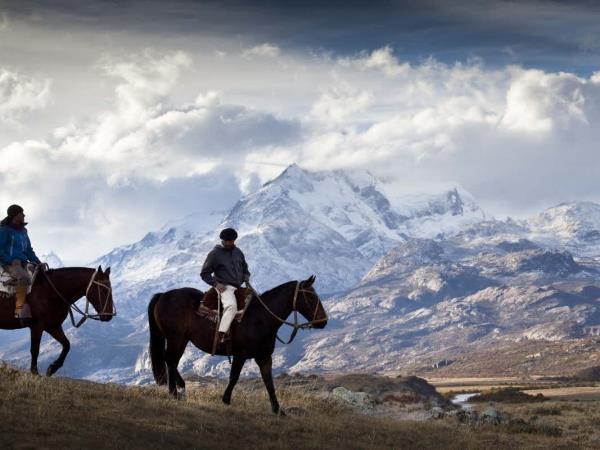
Argentina active adventure vacation
From £5200 - £5900 16 days excluding flights
Bespoke active adventure in Argentina's iconic Patagonia
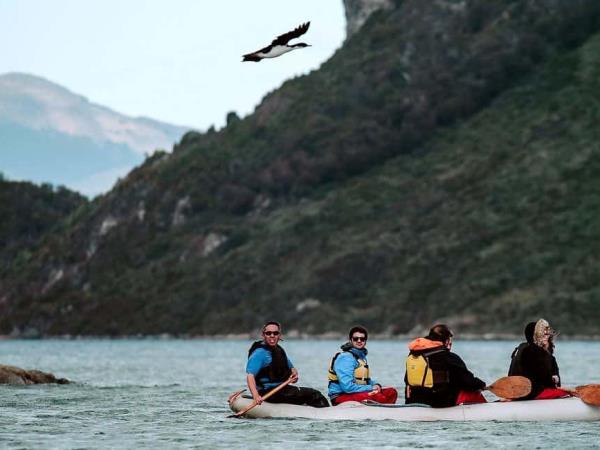
Patagonia 1 week tour, glaciers and estancias
From US $2160 7 days excluding flights
One week in Patagonia to discover Ushuaia and El Calafate