Things to do in the Polar regions
Wildlife
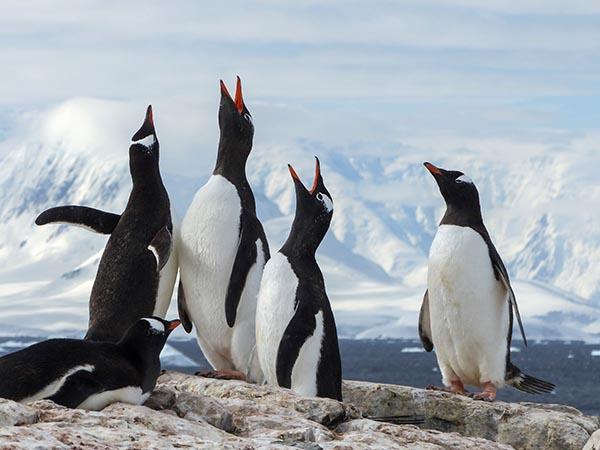
You won’t be sure if you’re the hunter or the hunted during your polar cruise. In the Arctic, surprisingly large walruses wield their tusks beside your kayak – and the threat of a polar bear encounter looms around every icy corner. Antarctica’s most fearsome predators are the shark-mouthed leopard seals – at 3m long, you’ll see them hunting penguins. Even better, many of the creatures are unafraid of humans.
Sarah Wightman, from our vacation partner:
“I don’t think that many people know that the Antarctic wildlife – like in the Galapagos – is completely fearless. They ask if they’ll see penguins. Actually, you’ll be sick of them, and they stink! You’ll be stepping over them trying not to stand on them – they’re everywhere! All the wildlife is everywhere, you don’t need to go looking for it and it’s fearless – the seals as well. The rule is that you can’t approach them, they have to come to you. But they will – if you sit on a rock the penguins will come and sit on your knee!”
Sarah Wightman, from our vacation partner:
“I don’t think that many people know that the Antarctic wildlife – like in the Galapagos – is completely fearless. They ask if they’ll see penguins. Actually, you’ll be sick of them, and they stink! You’ll be stepping over them trying not to stand on them – they’re everywhere! All the wildlife is everywhere, you don’t need to go looking for it and it’s fearless – the seals as well. The rule is that you can’t approach them, they have to come to you. But they will – if you sit on a rock the penguins will come and sit on your knee!”


Your ship is effectively just a floating hotel - the real adventure happens when you disembark and head for the shore.![]()

Shore excursions
Kayaking, snowshoeing, diving and dog sledding are some of the optional daily activities; plus you can go dog sledding and climb mountains in the Arctic, and even camp on the Antarctic Peninsula.
You’ll discover the parts of the Polar Regions hidden to ships – docking where they can’t, paddling along coastlines out of bounds to large vessels. You can also visit polar research stations to chat with those who spend half their year living on the tips of the world.
You’ll discover the parts of the Polar Regions hidden to ships – docking where they can’t, paddling along coastlines out of bounds to large vessels. You can also visit polar research stations to chat with those who spend half their year living on the tips of the world.
Culture – past & present
Even in the most desolate and inhospitable regions of the planet, humans have left their mark. Antarctica has never been permanently been inhabited, yet there are abandoned whaling stations filled with bones and the huts – and graves – of great explorers including Shackleton.
The Arctic has its own tales to tell of the brave expeditions that carved their way through the Northwest Passage, and the remains left by those who made their fortunes hunting seals, whales and mining the land. Even further back, ancient Thule people – ancestors of the Inuit – left traces across Greenland and Canada, thrilling insights into the Arctic past. Even more fascinating is a visit to a modern Inuit village. The Inuit have lived in some of the earth’s most stunning locations and wild conditions for centuries, yet not only do they manage to survive between ice and Arctic water, they have a warm, rich culture, with ancient folklore and a thriving art scene. Cruise to Baffin Island, Hudson Bay or the shores and islands of Greenland to meet the Inuit, see their finely woven textiles and hear the local folklore. Be prepared for evidence of hunting, though – this is a subsistence culture and every part of the animal will be used.
The Arctic has its own tales to tell of the brave expeditions that carved their way through the Northwest Passage, and the remains left by those who made their fortunes hunting seals, whales and mining the land. Even further back, ancient Thule people – ancestors of the Inuit – left traces across Greenland and Canada, thrilling insights into the Arctic past. Even more fascinating is a visit to a modern Inuit village. The Inuit have lived in some of the earth’s most stunning locations and wild conditions for centuries, yet not only do they manage to survive between ice and Arctic water, they have a warm, rich culture, with ancient folklore and a thriving art scene. Cruise to Baffin Island, Hudson Bay or the shores and islands of Greenland to meet the Inuit, see their finely woven textiles and hear the local folklore. Be prepared for evidence of hunting, though – this is a subsistence culture and every part of the animal will be used.
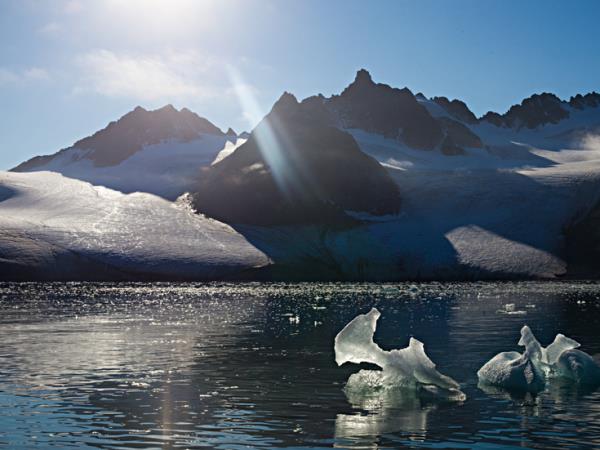
Arctic icebreaker cruise, Spitsbergen
Wildlife-focused, expert-led small ship Arctic cruises
From
£3690 to £14445
8 days
ex flights
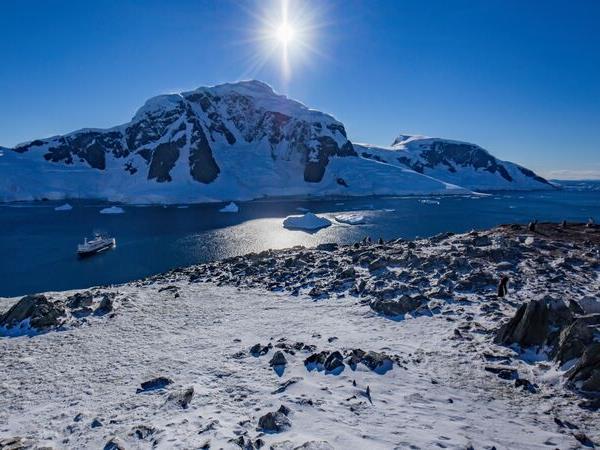
Journey to the Antarctic circle vacation
Take the adventure of a lifetime to the Antarctic Circle
From
£9581 to £11215
14 days
ex flights
Classic Antarctica cruise & South Shetland Islands
Adventure through Antarctica’s breathtaking frozen realm
From
£6799 to £8899
11 days
ex flights
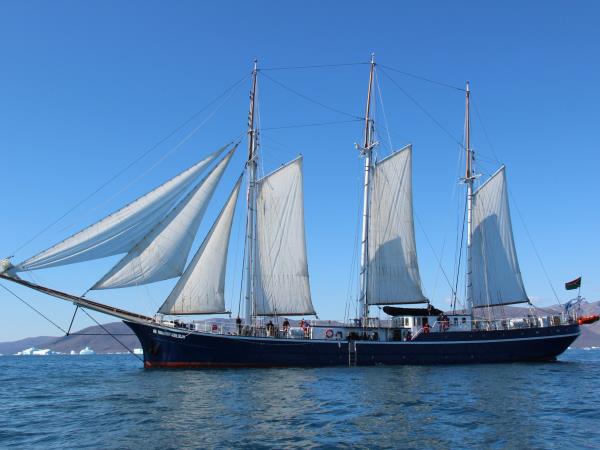
Arctic sailing voyages, North Spitsbergen
Spitsbergen tall-ship wildlife and natural history sailing
From
€3790 to €5350
8 days
ex flights
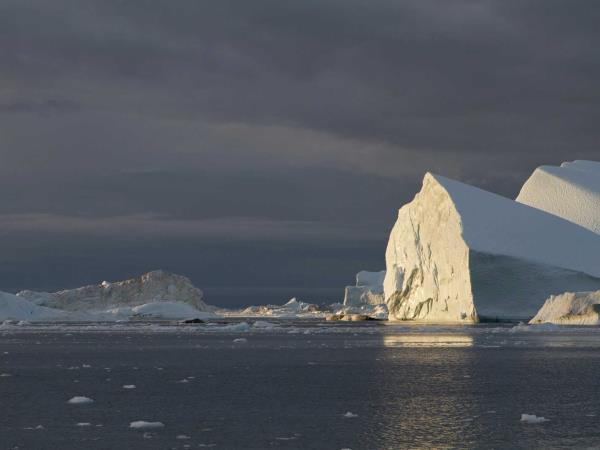
North Atlantic arctic cruise, Aberdeen to Longyearbyen
Aberdeen to Spitsbergen via Orkney & the Faroes
From
£10125
17 days
ex flights
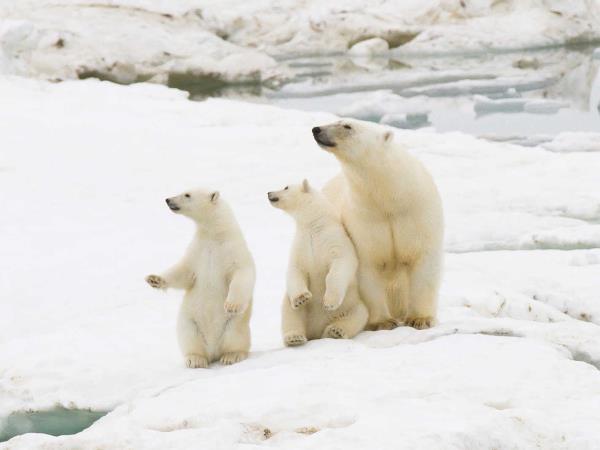
Iceland to Greenland cruise
Explore the mountains, glaciers and the Westfjords
From
£15095
15 days
ex flights


Contact Us

Call us for a chat about our vacations. We are happy to discuss your vacation and help in any way we can. No bots, queues or awful hold music.

1-866-821-6866
Call toll free
Calling from outside the USA


Every time the wild landscapes fire a new question, you'll have some of the world's top experts at hand to answer it.![]()
Lectures
Antarctic lecture programmes take your mind off the rolling ocean of the Drake Passage and prepare you for reaching the Peninsula. You’ll learn about iceberg formations, hardy wildlife and early explorers. In the Arctic, there may be polar bear researchers and Inuit experts. In both regions you’ll learn about the crucial need to conserve the world’s ice caps – and see how the ice has shifted in just a few short decades.
More Antarctica & the Arctic articles
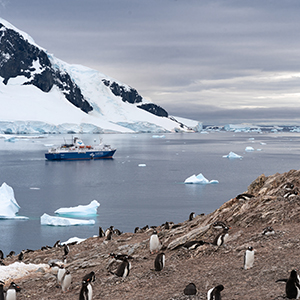
Visit during the Arctic and Antarctic summers, when getting there is easier.
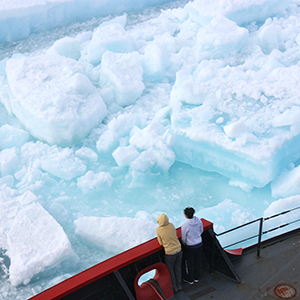
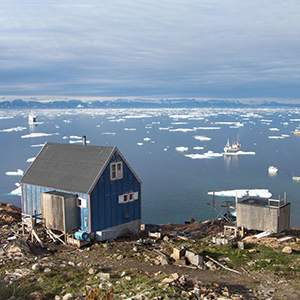
These wild, snow-clad lands may appear similar, but look closer and there are big differences.
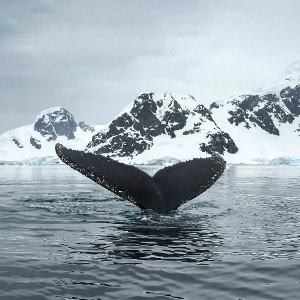
The wildlife in Antarctica and the Arctic is very different, though seals and whales are found at both.
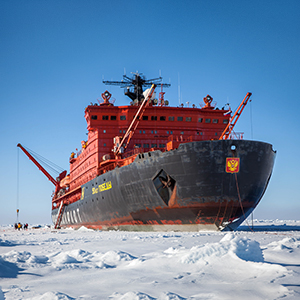
You can’t reach the North Pole on a cruise without breaking the ice along the way.
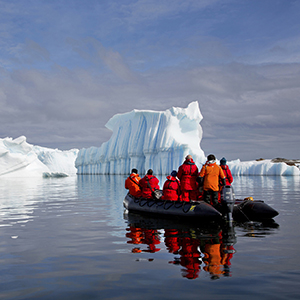
We've asked our polar experts to share some of their priceless travel advice.
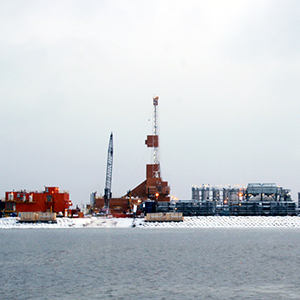
Find out more about these fragile frozen places, their culture and their wildlife.
Got questions need answering? Find all of our useful Antarctica and Arctic guides in one place.