Aboriginal culture in Australia
Australia’s Aboriginal culture is one of the oldest in the world, existing for some 65,000 years and encompassing foraging, toolmaking, medicine, religion and astronomy before coming into devastating contact with European colonisers in the 19th century.
Today, that culture thrives as a fundamental part of the modern Australian identity, even as Aboriginal people, and Torres Strait people, who consider themselves a separate group, continue their struggle for recognition and equality. Our Australia vacations respectfully introduce you to the depth and intricacies of Aboriginal culture both historic and contemporary. They acknowledge the Traditional Owners of the land they pass through and help sustain well-paying tourism jobs in often-marginalised communities.
Today, that culture thrives as a fundamental part of the modern Australian identity, even as Aboriginal people, and Torres Strait people, who consider themselves a separate group, continue their struggle for recognition and equality. Our Australia vacations respectfully introduce you to the depth and intricacies of Aboriginal culture both historic and contemporary. They acknowledge the Traditional Owners of the land they pass through and help sustain well-paying tourism jobs in often-marginalised communities.

Belonging to the land
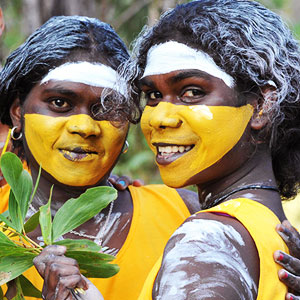
About 3 percent of Australian people have Aboriginal heritage. Aboriginal people in Australia make up around 300 clans, who between them speak some 250 languages with many dialects. Different clans and regional groups will have their own distinct belief systems, artistic traits and tools, as well as types of ceremonial dress.
One defining belief integral to all Aboriginal communities is a sense of belonging to the land, an interconnectedness to all things. According to Aboriginal lore, the world was created by spirit ancestors, who also set down guidelines for how the land should be used and protected. This connection is foundational to Aboriginal cultural beliefs.
Many Aboriginal people were dispossessed of their land by European settlers, and their numbers dropped precipitously due to disease, destruction of communities and violence. That connection with the land was severed, centuries of unbroken cultural knowledge lost, with many songs, ceremonies and languages tragically pushed out of existence. Our vacations celebrate those traditional ways of life that live on, helping Aboriginal communities protect their cultural heritage and share it with visitors in mutually beneficial ways such as welcome ceremonies, guided walks and showcasing Aboriginal art.
One defining belief integral to all Aboriginal communities is a sense of belonging to the land, an interconnectedness to all things. According to Aboriginal lore, the world was created by spirit ancestors, who also set down guidelines for how the land should be used and protected. This connection is foundational to Aboriginal cultural beliefs.
Many Aboriginal people were dispossessed of their land by European settlers, and their numbers dropped precipitously due to disease, destruction of communities and violence. That connection with the land was severed, centuries of unbroken cultural knowledge lost, with many songs, ceremonies and languages tragically pushed out of existence. Our vacations celebrate those traditional ways of life that live on, helping Aboriginal communities protect their cultural heritage and share it with visitors in mutually beneficial ways such as welcome ceremonies, guided walks and showcasing Aboriginal art.
Jukurrpa (Dreamtime / The Dreaming)
Dreamtime is the foundation of Aboriginal culture, the period thousands of years ago when the Earth and the laws that govern Aboriginal societies were created by spirit Ancestors. The Dreaming, meanwhile, is the term used for how that life came to be. Different Aboriginal groups have their own language and legends around the Creation story, but Dreamtime is a way of understanding and explaining everything from why a rock is in a particular place, to why an animal looks a certain way or why the moon waxes and wanes. The Ancestors marked some places as sacred, such as Uluru in Australia’s ‘Red Centre’, and these are often the focus of spiritual ceremonies.
On our Sydney to Cairns self drive vacations you can learn about the history and culture of the region’s Aboriginal peoples with a walkabout Dreaming tour led by a local Aboriginal guide. In Daintree Rainforest, another Dreaming tour explores the traditional lands of the Kuku Yalanji people. You can take part in a smoking ceremony welcome (burning native plants as a form of spiritual purification, and to ward off evil spirits) and learn about Aboriginal people’s relationship with the land through a guided tour of Mossman Gorge.
Aboriginal myth and stories are largely passed down generations orally, but Dreamtime and The Dreaming often feature in artworks that you may encounter on our tailor made Australia vacations. Representations of the Rainbow Serpent, whose winding tracks some groups believe created the earth’s lakes and rivers, can be seen in Kakadu National Park in the Northern Territory. You can learn about the meanings of ancient rock art with a hugely knowledgeable Aboriginal guide.
Aboriginal myth and stories are largely passed down generations orally, but Dreamtime and The Dreaming often feature in artworks that you may encounter on our tailor made Australia vacations. Representations of the Rainbow Serpent, whose winding tracks some groups believe created the earth’s lakes and rivers, can be seen in Kakadu National Park in the Northern Territory. You can learn about the meanings of ancient rock art with a hugely knowledgeable Aboriginal guide.
Acknowledging Traditional Owners
Many of our Australia vacations begin with an Acknowledgement of Country. This is simply paying respect to the Traditional Owners of the land, and recognising that they and their connection to the land should be respected. Representatives of these communities, often elders, may offer you a Welcome to Country, which can take the form of a smoking ceremony, a speech or a performance of song and dance.
On our vacations you might stay in a wilderness retreat that makes a point of acknowledging the Mullunburra people, a clan of the Yidinji nation. Continuing to the Great Barrier Reef off Queensland, keen scuba divers might take a tour with a company that supports the work of Citizens of the Reef. The conservation organisation acknowledges the Yirrganydji people as a traditional custodian of dive sites like Hastings Reef.
On our vacations you might stay in a wilderness retreat that makes a point of acknowledging the Mullunburra people, a clan of the Yidinji nation. Continuing to the Great Barrier Reef off Queensland, keen scuba divers might take a tour with a company that supports the work of Citizens of the Reef. The conservation organisation acknowledges the Yirrganydji people as a traditional custodian of dive sites like Hastings Reef.
Songlines
Songlines are one of the most compelling and complex aspects of Aboriginal culture. A songline is an invisible path across the land, or the sky, that connects places and Creation events and can be used by those who understand how to follow them to navigate. In this way, each songline serves as both a Dreaming tale and a map.
These paths are recorded in traditional songs, stories and artworks, and can run for hundreds of kilometres across the territories of many Aboriginal groups. A bend in a river, a crooked tree, a waterhole or a boulder in the shape of an animal might all be a link in the songline and carry immense significance far beyond the ken of the casual observer.
“There is a lot of respecting and honouring the Indigenous culture that came before,” says Kate Tylen of our partner Journey in Style. “We’re seeing a lot of Aboriginal-owned properties now and it’s really nice to see that coming to the forefront – it’s not just a novelty. People are asking for this. In each city we stop in I always try to include some Aboriginal sites, include the Dreamtime walk in Sydney, which is a beautiful way to see the harbour.”
These paths are recorded in traditional songs, stories and artworks, and can run for hundreds of kilometres across the territories of many Aboriginal groups. A bend in a river, a crooked tree, a waterhole or a boulder in the shape of an animal might all be a link in the songline and carry immense significance far beyond the ken of the casual observer.
“There is a lot of respecting and honouring the Indigenous culture that came before,” says Kate Tylen of our partner Journey in Style. “We’re seeing a lot of Aboriginal-owned properties now and it’s really nice to see that coming to the forefront – it’s not just a novelty. People are asking for this. In each city we stop in I always try to include some Aboriginal sites, include the Dreamtime walk in Sydney, which is a beautiful way to see the harbour.”
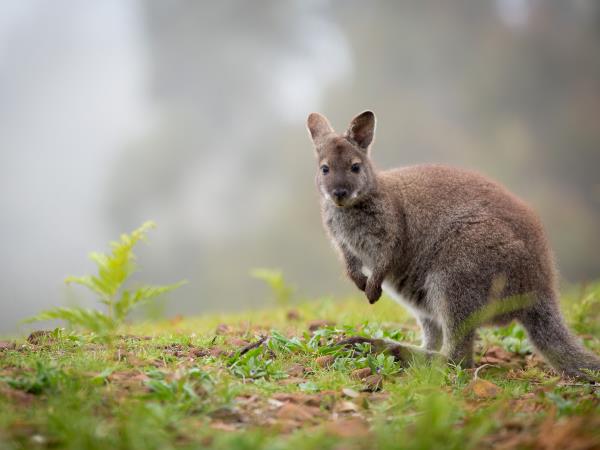
B&B self drive tour of Tasmania, meet the locals
Self-drive staying in Tasmania's most charming B&Bs
From
AU $1995 to AU $8000
10 days
ex flights
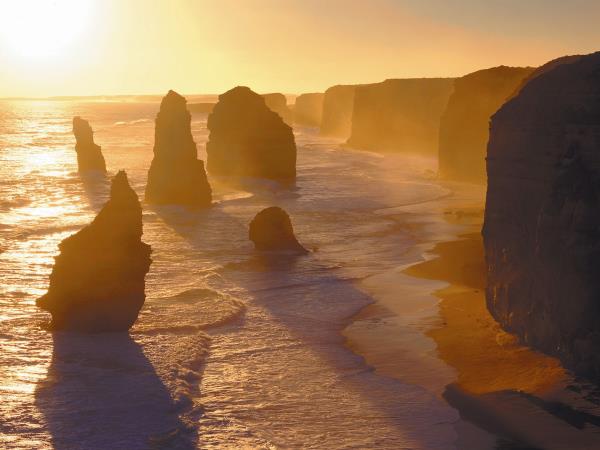
Southern Australia & Tasmania tailor made vacation
See Tasmania, Victoria and South Australia, tailor-made
From
£10900
15 days
ex flights
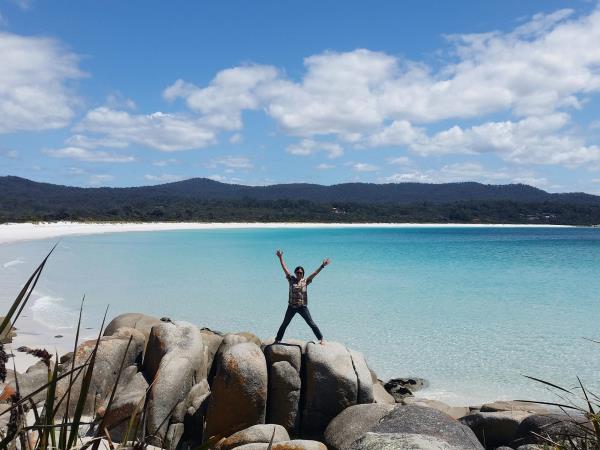
Circular tour of Tasmania
Experience Tasmania’s amazing scenery, wildlife & culture.
From
AU $3650 to AU $3795
8 days
ex flights
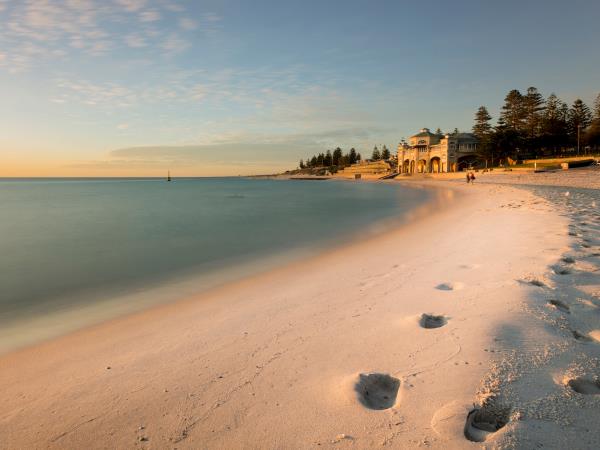
Southwest Australia tour, coast, forest & wineries
A travel itinerary to Southwest Australia
From
US $3325
14 days
ex flights
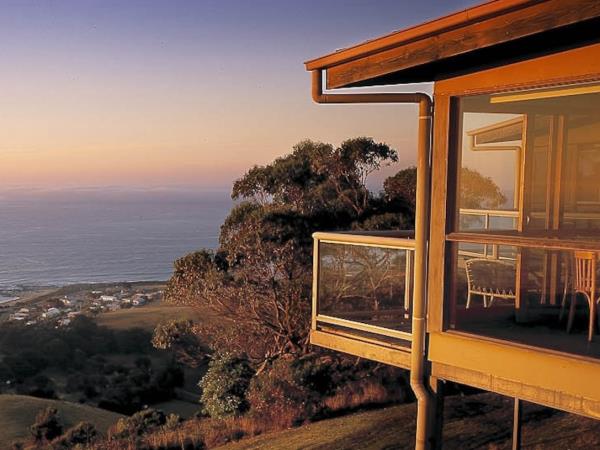
Adelaide to Melbourne 3 day tour, Australia
Max 8 passengers, relaxed pace, great food and accommodation
From
AU $2100
3 days
ex flights
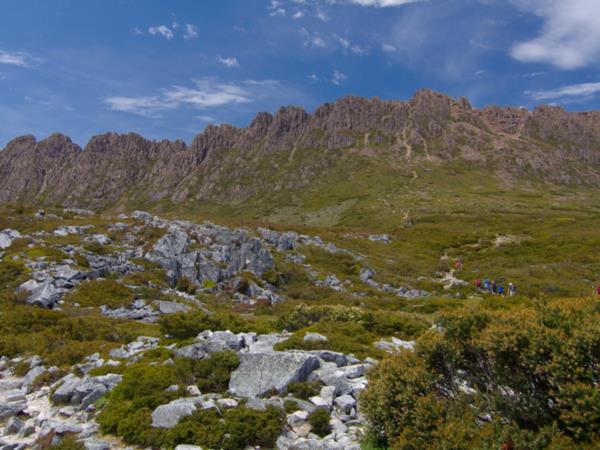
Cradle Mountain walking vacation in Tasmania, self guided
World heritage listed Tasmanian wilderness self-guided walk
From
AU $3395 to AU $3530
6 days
ex flights


Contact Us
Call us for a chat about our vacations. We are happy to discuss your vacation and help in any way we can. No bots, queues or awful hold music.

1-866-821-6866
Call toll free
Calling from outside the USA

Kinship & Community

Most Aboriginal languages have no words for ‘please’, ‘thank you’ or ‘stranger’ because they’re unnecessary. Kinship means there is always a supportive community around you.![]()

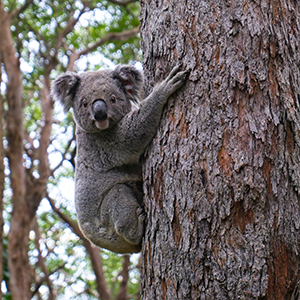
Kinship is how Aboriginal and Torres Strait Islander people identify themselves and define their relationships with their communities, with others and with the land itself. There are three primary elements. Moiety lays out the rules for reciprocal support among one’s kin. Totems outline every person’s responsibility for land, water, plants and animals, helping to ensure resources are managed sustainably – for example, the koala is a totem for some Aboriginal groups, so that hunting and eating them is forbidden. Finally, Skin Names, similar to surnames, indicate a person’s bloodline and influence who they can marry and have children with.
Aboriginal culture experiences in Australia
Aboriginal culture is everywhere![]()
“Aboriginal culture is everywhere,” says Susie de Carteret of our partner Tasmanian Odyssey. “Maria Island and the Freycinet Peninsula both have a lot of middens (huge mounds of shells left over from shellfish feasts). You can also take a small plane or the barge over to Flinders Island where people were sent to create new communities, but most died due to disease.”
Some of the darkest and most brutal events in Australia’s colonial history took place in Tasmania, with the Aboriginal population dispossessed of their land, imprisoned and killed off by violence and disease. The wukalina Walk is an Aboriginal-owned and -run experience that can be tied into our Tasmania vacations, with treks led by Palawa (Aboriginal Tasmanians) people who provide deep insights into their culture and ways of life as you go.
On a short, private tour between Melbourne and Adelaide you might stop in Castle Cove on Victoria’s Shipwreck Coast, where local guides can introduce you to the region’s long Aboriginal heritage. In Melbourne itself you can visit the Bunjilaka Aboriginal Cultural Centre at Melbourne Museum, with a huge range of exhibits that explore how a people, and their culture, survived decades of oppression.
You can also explore contemporary Aboriginal culture with our vacations, from the work of artists such as Ronnie Tjampitjinpa and Abie Loy Kemarre, to cuisine from chefs such as Mindy Woods, who has a restaurant in Byron Bay. Notable Indigenous authors include Kim Scott and Alexis Wright, while Tandanya in Adelaide is a performing arts venue hosting regular events from art exhibitions to gigs and community picnics.
If you’re visiting in July, then you may be able to take part in NAIDOC (National Aboriginal and Islanders Day Observance Committee) Week. NAIDOC began as a counterpoint to the controversial Australia Day in January, but has since moved to winter and highlights the history and achievements of Aboriginal and Torres Strait Islander peoples. Communities across the country put on events from festivals to walking tours that are an opportunity to learn and celebrate Aboriginal pride and progress.
Some of the darkest and most brutal events in Australia’s colonial history took place in Tasmania, with the Aboriginal population dispossessed of their land, imprisoned and killed off by violence and disease. The wukalina Walk is an Aboriginal-owned and -run experience that can be tied into our Tasmania vacations, with treks led by Palawa (Aboriginal Tasmanians) people who provide deep insights into their culture and ways of life as you go.
On a short, private tour between Melbourne and Adelaide you might stop in Castle Cove on Victoria’s Shipwreck Coast, where local guides can introduce you to the region’s long Aboriginal heritage. In Melbourne itself you can visit the Bunjilaka Aboriginal Cultural Centre at Melbourne Museum, with a huge range of exhibits that explore how a people, and their culture, survived decades of oppression.
You can also explore contemporary Aboriginal culture with our vacations, from the work of artists such as Ronnie Tjampitjinpa and Abie Loy Kemarre, to cuisine from chefs such as Mindy Woods, who has a restaurant in Byron Bay. Notable Indigenous authors include Kim Scott and Alexis Wright, while Tandanya in Adelaide is a performing arts venue hosting regular events from art exhibitions to gigs and community picnics.
If you’re visiting in July, then you may be able to take part in NAIDOC (National Aboriginal and Islanders Day Observance Committee) Week. NAIDOC began as a counterpoint to the controversial Australia Day in January, but has since moved to winter and highlights the history and achievements of Aboriginal and Torres Strait Islander peoples. Communities across the country put on events from festivals to walking tours that are an opportunity to learn and celebrate Aboriginal pride and progress.
More Australia articles
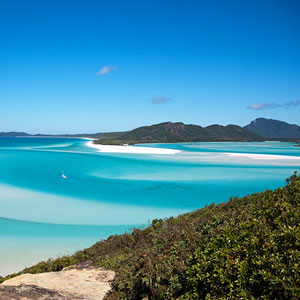
Find out the best time to visit with our month by month guide and weather charts.
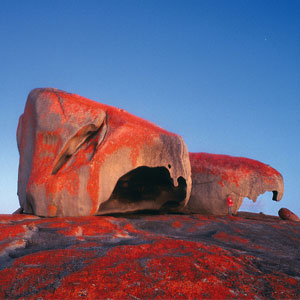
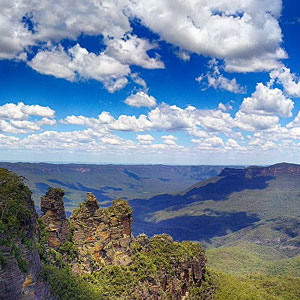
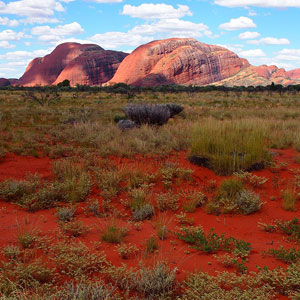
Australia’s Northern Territory is all about the great outdoors.
Useful advice that you can count on for your first trip to Australia.
Last-chance tourism is flourishing – but is that good?







.jpg)