Traveling during Ramadan advice
Ramadan is a period of prayer and reflection, spiritual purification and coming together as a community, that takes place in all Muslim communities. Traveling in Muslim countries during this holy month can be both culturally and spiritually enriching, but it’s important to do so respectfully, and to be conscious that Ramadan differs from other times of year in some significant ways.
Due to fasting, in most places you will find that the daytimes are much quieter and in some areas that may affect your options for dining out, as well as your activities. In the evenings, however, when people come together to break their fast, things get very lively.
The best way to enjoy Ramadan as a non-Muslim is to throw yourself into the spirit of things – though not necessarily the fasting if you’d rather not! If invited to an iftar (after-sunset meal) then join. In the daytime make the most of quiet streets and landmarks. And switch up your travel clock, embracing the evening atmosphere and all the cultural splendour that comes with Ramadan.
Due to fasting, in most places you will find that the daytimes are much quieter and in some areas that may affect your options for dining out, as well as your activities. In the evenings, however, when people come together to break their fast, things get very lively.
The best way to enjoy Ramadan as a non-Muslim is to throw yourself into the spirit of things – though not necessarily the fasting if you’d rather not! If invited to an iftar (after-sunset meal) then join. In the daytime make the most of quiet streets and landmarks. And switch up your travel clock, embracing the evening atmosphere and all the cultural splendour that comes with Ramadan.

What is Ramadan and when does Ramadan start?
Ramadan is the ninth and most important month of the Muslim calendar, commemorating God giving the Prophet Muhammad the first verses of Islam’s holiest scripture, the Quran. Ramadan also marks Muhammed’s triumphant return to Mecca. Ramadan is followed by Eid al-Fitr, the Festival of the Breaking of Fast, another deeply significant event in Islam.
During this period most practising Muslims are required to fast between sunrise and sunset, an act known as sawm, which is one of the five pillars of Islam. No food or drink may be consumed, and they must also refrain from smoking and sex. The belief is that fasting purifies the soul by freeing it from worldly concerns. Adherents rise before dawn to eat a meal called suhoor and hydrate themselves for the day ahead, while the meal to break the fast in the evening is called iftar. Iftar is often a communal affair, with people gathering in homes, restaurants or sometimes even hauling large tables into the street for public gatherings.
The regular daily prayer schedule is followed by an extra, voluntary prayer, taraweeh, in the evening. The evening prayers tend to be very lively, as crowds congregate in mosques.
Since Muslims follow the lunar calendar, the beginning of Ramadan varies every year depending on when the moon’s new crescent is sighted. That also means it may start earlier or later in different countries. A Ramadan timetable is a useful tool for checking when the festival commences and the prayer schedule.
During this period most practising Muslims are required to fast between sunrise and sunset, an act known as sawm, which is one of the five pillars of Islam. No food or drink may be consumed, and they must also refrain from smoking and sex. The belief is that fasting purifies the soul by freeing it from worldly concerns. Adherents rise before dawn to eat a meal called suhoor and hydrate themselves for the day ahead, while the meal to break the fast in the evening is called iftar. Iftar is often a communal affair, with people gathering in homes, restaurants or sometimes even hauling large tables into the street for public gatherings.
The regular daily prayer schedule is followed by an extra, voluntary prayer, taraweeh, in the evening. The evening prayers tend to be very lively, as crowds congregate in mosques.
Since Muslims follow the lunar calendar, the beginning of Ramadan varies every year depending on when the moon’s new crescent is sighted. That also means it may start earlier or later in different countries. A Ramadan timetable is a useful tool for checking when the festival commences and the prayer schedule.
Tips for traveling in Muslim countries during Ramadan

Ramadan can be a wonderful and enriching time to take a vacation, offering travelers a chance to experience authentic traditions and warm hospitality.![]()

Specific advice for taking a vacation over Ramadan depends on where you are heading, but there are some general tips it’s worth keeping in mind.
Travel with respect
Generally, traveling in Muslim countries during Ramadan is simply a matter of being respectful. That means being discreet about where and when you eat and drink, dressing modestly (as you would need to at any time), and accepting that during this month, some societal norms are different and there may be restrictions on things you want to do. Understand that local people will often be tired but still need to do the same work they would at any time of year – perhaps even more so if they are in the hospitality industry.
But don’t be put off by the thought of traveling in Ramadan. Respectful tourists are always welcome. Memorise a few choice phrases like “Ramadan Mubarak” (have a blessed Ramadan) and “Ramadan Kareem” (Ramadan is generous) and you’ll get a friendly greeting back. “Ramadan can be a wonderful and enriching time to take a vacation,” says Marwa Aziz of our partner Memphis Tours. “It offers travelers a chance to experience authentic traditions and warm hospitality.”
But don’t be put off by the thought of traveling in Ramadan. Respectful tourists are always welcome. Memorise a few choice phrases like “Ramadan Mubarak” (have a blessed Ramadan) and “Ramadan Kareem” (Ramadan is generous) and you’ll get a friendly greeting back. “Ramadan can be a wonderful and enriching time to take a vacation,” says Marwa Aziz of our partner Memphis Tours. “It offers travelers a chance to experience authentic traditions and warm hospitality.”
Research local rules
It’s not just customs you need to think about abiding by; in some places there are strict laws around Ramadan that tourists need to be aware of. In some countries such as Saudi Arabia there is the threat of deportation if non-Muslims are caught eating or drinking in public.
Do research local rules before visiting, then. Dubai, with its large immigrant population and touristy atmosphere, can be quite relaxed around Ramadan in contrast with other cities in the United Arab Emirates that aren’t as tourism oriented. Some Pakistani cities like Lahore or Karachi may take a different approach to others, like Peshawar, that are more stringent.
If in any doubt, ask your tour operator or at your hotel for advice. Or just speak to a local – Ramadan customs can be a great way to start a conversation.
Do research local rules before visiting, then. Dubai, with its large immigrant population and touristy atmosphere, can be quite relaxed around Ramadan in contrast with other cities in the United Arab Emirates that aren’t as tourism oriented. Some Pakistani cities like Lahore or Karachi may take a different approach to others, like Peshawar, that are more stringent.
If in any doubt, ask your tour operator or at your hotel for advice. Or just speak to a local – Ramadan customs can be a great way to start a conversation.
If you visit the Maldives during Ramadan, life on local islands during the day is quieter and the pace of life a lot slower. But isn’t that what vacations are about?![]()
Opening hours
The opening hours of shops, restaurants and visitor attractions like museums are likely to be affected during Ramadan, however to what extent will largely depend on how tourism-oriented the place is.
In Egypt, hotels, Nile cruises and restaurants in touristy areas typically operate as normal, as do sightseeing tours, so travel plans are rarely affected by Ramadan. But if you’re traveling to Morocco during Ramadan, you’re probably going to find that souks are closed during the day, while they get very lively after sunset.
In luxury resorts in the Maldives, you could probably go the whole month without knowing it’s Ramadan, whereas on the local islands you will need to adapt. Cafes and restaurants are usually closed during daylight hours, banks and other businesses will close after lunch, and while ferry and speedboat services will tend to operate all day, schedules may be subject to change.
All of this is perfectly manageable, of course, if you know in advance, and our partners will ensure that you’re prepared. And actually, these restrictions can help you feel more relaxed. “If you visit the Maldives during Ramadan, life on local islands during the day is quieter and the pace of life a lot slower. But isn’t that what vacations are about?” says Ruth Franklin of our partner Secret Paradise.
In Egypt, hotels, Nile cruises and restaurants in touristy areas typically operate as normal, as do sightseeing tours, so travel plans are rarely affected by Ramadan. But if you’re traveling to Morocco during Ramadan, you’re probably going to find that souks are closed during the day, while they get very lively after sunset.
In luxury resorts in the Maldives, you could probably go the whole month without knowing it’s Ramadan, whereas on the local islands you will need to adapt. Cafes and restaurants are usually closed during daylight hours, banks and other businesses will close after lunch, and while ferry and speedboat services will tend to operate all day, schedules may be subject to change.
All of this is perfectly manageable, of course, if you know in advance, and our partners will ensure that you’re prepared. And actually, these restrictions can help you feel more relaxed. “If you visit the Maldives during Ramadan, life on local islands during the day is quieter and the pace of life a lot slower. But isn’t that what vacations are about?” says Ruth Franklin of our partner Secret Paradise.
Eating & drinking
There is no requirement for non-Muslims to fast during Ramadan, but in some places it is forbidden, or at least frowned upon, to eat or drink in the view of those who are. If you go out to eat during the day, you may find service a little slower than normal with fewer staff working. Consider tipping more generously than you might normally, though – it’s likely that the staff preparing your food will themselves be fasting.
If your tour leader, guide or driver are practising Muslims then they may well have lower energy levels than normal due to broken sleep and fasting. Understandably, they may also not join you for group meals.
“Something we often laugh about is how non-Muslims are surprised that we can’t even drink water while fasting,” says Zara Choudhary, editor-in-chief of Sacred Footsteps, a study of travel, history and culture from a Muslim perspective. “But in truth it’s not that difficult. Your body adapts, and you make sure to hydrate before the fast begins. In hot places, though, it’s not always easy.”
If your tour leader, guide or driver are practising Muslims then they may well have lower energy levels than normal due to broken sleep and fasting. Understandably, they may also not join you for group meals.
“Something we often laugh about is how non-Muslims are surprised that we can’t even drink water while fasting,” says Zara Choudhary, editor-in-chief of Sacred Footsteps, a study of travel, history and culture from a Muslim perspective. “But in truth it’s not that difficult. Your body adapts, and you make sure to hydrate before the fast begins. In hot places, though, it’s not always easy.”
Contact Us
Call us for a chat about our vacations. We are happy to discuss your vacation and help in any way we can. No bots, queues or awful hold music.

1-866-821-6866
Call toll free
Calling from outside the USA

Ramadan traditions around the world
The smell of parathas that my mum would cook for a pre-dawn meal always makes me think of Ramadan![]()
Every Muslim country, indeed, every Muslim community, will have its own customs and traditions around Ramadan, so it’s well worth reading up on what goes on in the place you’ve visiting before you travel, to learn what you might see or be able to take part in.
The Egyptian tradition of firing a cannon to mark the daily start of iftar has spread to other parts of the world such as Syria, and Bosnia and Herzegovina. Indonesia, meanwhile, has a lovely ritual called padusan, when people come together to bathe in natural areas like springs and rivers before Ramadan begins.
“One of the most beautiful moments to experience Ramadan in Egypt is at sunset when families gather to break their fast,” says Marwa. “The atmosphere becomes very lively in the evening, with traditional lanterns (fanous), special Ramadan sweets, and a strong sense of community.”
In some countries such as Turkey, drummers and town criers announce iftar and suhoor. “Something I’ve always wanted to witness is in Jerusalem when a Palestinian drummer recites a prayer to wake people for the pre-dawn meal and to announce the breaking of the fast in the evening,” says Zara. “I travelled to Fes in Morocco especially to experience Ramadan there,” she adds. “Places like the Old City become nocturnal, coming alive at night, so you get a very different vibe to the daytime. The highlight for me was the call to evening prayer and the taraweeh. The streets were full of people heading to the al-Qarawiyyin Mosque. It was a beautiful experience; the whole city felt alive.”
“Some touristy places in the Middle East have suhoor parties where they stay up from the night prayer to when they eat in the morning,” says Saadia Baber, founder of our partner Xperience Pakistan. “In my hometown, Peshawar, it is more conservative and we focus on prayer rather than socialising, but in Lahore you can go on night-time tapas-style food tours.”
You can also enjoy many traditional Ramadan foods. In Cape Town, where around seven percent of the population is Muslim, there’s a tasty, milky dessert called boeber that people drink midway through the month, while the fruity British soft drink, Vimto, is ubiquitous around the Middle East during Ramadan. “For me the smell of parathas, a flatbread made of buttery layers that my mum would cook for a pre-dawn meal, always makes me think of Ramadan,” says Zara.
The Egyptian tradition of firing a cannon to mark the daily start of iftar has spread to other parts of the world such as Syria, and Bosnia and Herzegovina. Indonesia, meanwhile, has a lovely ritual called padusan, when people come together to bathe in natural areas like springs and rivers before Ramadan begins.
“One of the most beautiful moments to experience Ramadan in Egypt is at sunset when families gather to break their fast,” says Marwa. “The atmosphere becomes very lively in the evening, with traditional lanterns (fanous), special Ramadan sweets, and a strong sense of community.”
In some countries such as Turkey, drummers and town criers announce iftar and suhoor. “Something I’ve always wanted to witness is in Jerusalem when a Palestinian drummer recites a prayer to wake people for the pre-dawn meal and to announce the breaking of the fast in the evening,” says Zara. “I travelled to Fes in Morocco especially to experience Ramadan there,” she adds. “Places like the Old City become nocturnal, coming alive at night, so you get a very different vibe to the daytime. The highlight for me was the call to evening prayer and the taraweeh. The streets were full of people heading to the al-Qarawiyyin Mosque. It was a beautiful experience; the whole city felt alive.”
“Some touristy places in the Middle East have suhoor parties where they stay up from the night prayer to when they eat in the morning,” says Saadia Baber, founder of our partner Xperience Pakistan. “In my hometown, Peshawar, it is more conservative and we focus on prayer rather than socialising, but in Lahore you can go on night-time tapas-style food tours.”
You can also enjoy many traditional Ramadan foods. In Cape Town, where around seven percent of the population is Muslim, there’s a tasty, milky dessert called boeber that people drink midway through the month, while the fruity British soft drink, Vimto, is ubiquitous around the Middle East during Ramadan. “For me the smell of parathas, a flatbread made of buttery layers that my mum would cook for a pre-dawn meal, always makes me think of Ramadan,” says Zara.
More Festivals articles
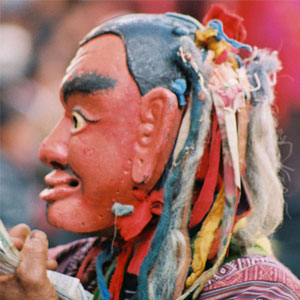
Attending a local festival provides a fascinating insight into a culture – as well as being great fun.
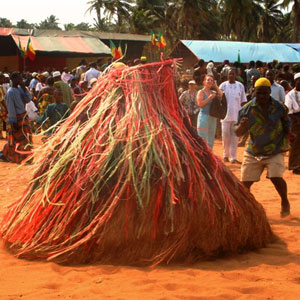
Learn where the most exciting events and celebrations take place around the world, and plan your trip.
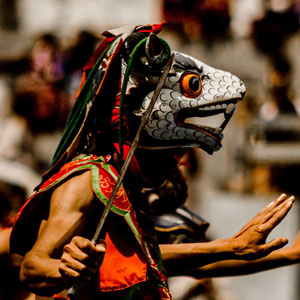
Religious and cultural festivals take place throughout the year across Bhutan, and you can see them.
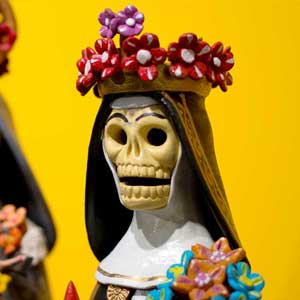
Discover the meaning behind the Day of the Dead, and where and when to see it.
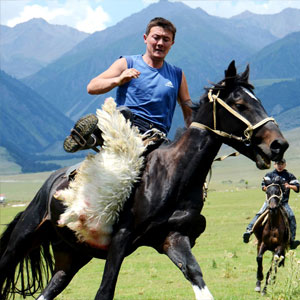
The World Nomad Games is a true spectacle, the Olympics of the nomadic world.
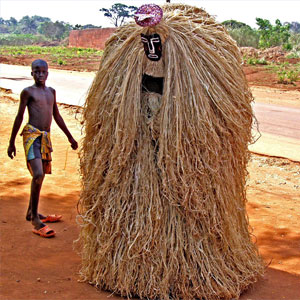
The Voodoo festival, Benin, is an otherworldly cultural treat for those who visit.
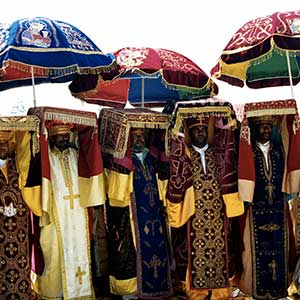
Ethiopia’s Orthodox Christian celebration, Timkat, takes place on the 19 and 20 January every year.
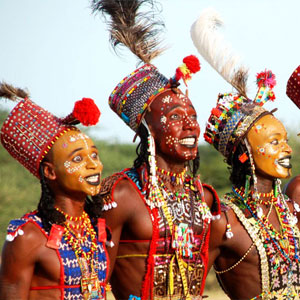
The Gerewol festival in Chad is an extraordinary spectacle that occurs after the country's rainy season.
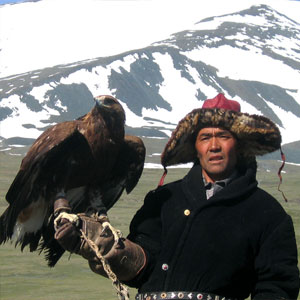
Mongolia's Naadam and Eagle festivals are wonderful sporting and social events.
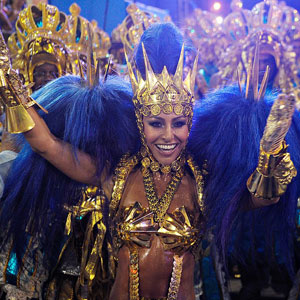
The Rio Carnival, held every year in the week before Lent, is the world’s biggest party, with millions of spectators.
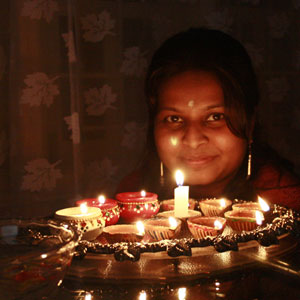
Experiencing an internationally celebrated event in its country of origin is one something to tell the grandkids about.
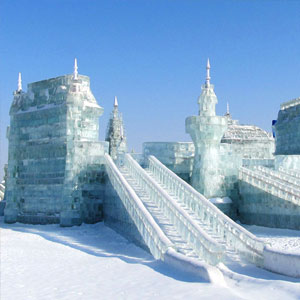
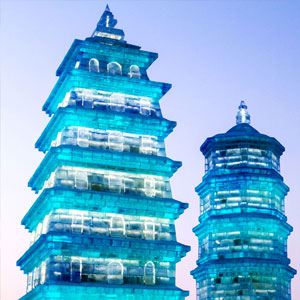
The Harbin Ice and Snow Festival is one of China's most awe-inspiring events.
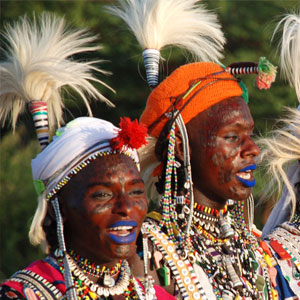
If you’re wondering what to pack, where you’ll stay and what to expect, our experts have lots of advice.
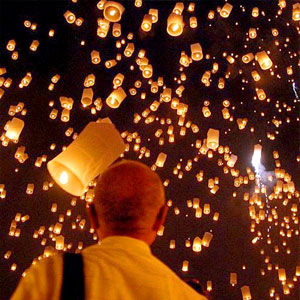
We look at some of the responsible travel issues around cultural festivals.