Food & drink in Kenya
Centuries of nomadic cattle-herding tradition among Maasai communities mean that meat dishes dominate Kenyan cuisine. The sizzle of beef on the grill welcomes you back into camp from your game drive and never fails to draw a hungry crowd in a Nairobi market. But Kenyan food is perhaps surprisingly diverse, thanks particularly to its 500km of Indian Ocean coastline.
For centuries, traders from Arab, Portuguese, Persian and Indian city-states spread their culture and cuisines among the Swahili communities they encountered, and that, along with migration, colonialism and tourism, has led to plenty of intriguing dishes that have the capacity to surprise you when visiting Kenya. Our cultural vacations that take in the capital, Nairobi, and Swahili towns are the perfect way to explore them.
The British Empire also had a significant influence on food in Kenya, beginning with trade and continuing with a brutal period of colonisation in the 20th century. From 1895 many Indians arrived in Kenya from the British Raj to administer British interests, notably the Uganda Railway which required vast amounts of experienced labour. As Punjabi labourers ventured deep into the interior, they brought along their food culture with them, hence the prevalence of chapatis and samosas in many parts of Kenya.
Another remnant of the British Empire in Kenya is teatime – chai is served throughout the day. And Kenya has exceptionally good coffee, too. Usually the arabica variety, it’s known for bold, tangy flavours, often with fruity and floral notes.
Depending on when you visit, on our tailor made vacations you may be able to tie in a food festival. In May you can browse stalls and feast at the Nairobi Street Food Festival, while October sees the capital welcome AFMASS Food and Drink Festival, a huge event showcasing pan-African cuisine. The Nyama Choma Festival celebrates Kenya’s culture of grilling meats, while the Lamu Cultural Festival, held on Lamu Island 240km off the coast of Mombasa, is a great opportunity to explore Swahili cuisine.
Most visitors to Kenya head to its parks and reserves for safari, or to relax on the idyllic beaches strung along the coast. But as Africa enjoys a tourism boom, cities like Nairobi and Mombasa are increasingly being seen as destinations in themselves, which is helping innovative culinary scenes, as well as other aspects of culture, to flourish.
“Nairobi is interesting for food, especially nyama choma (grilled meat) joints,” says Chantal Potgieter, founder of our partner Themba Travel. “They have music and you get to choose from a variety of meats like goat, pork and chicken. At other joints we have chapatis, boiled eggs called mayai gonga (you will definitely see these as street food) and doughnuts.”
For centuries, traders from Arab, Portuguese, Persian and Indian city-states spread their culture and cuisines among the Swahili communities they encountered, and that, along with migration, colonialism and tourism, has led to plenty of intriguing dishes that have the capacity to surprise you when visiting Kenya. Our cultural vacations that take in the capital, Nairobi, and Swahili towns are the perfect way to explore them.
The British Empire also had a significant influence on food in Kenya, beginning with trade and continuing with a brutal period of colonisation in the 20th century. From 1895 many Indians arrived in Kenya from the British Raj to administer British interests, notably the Uganda Railway which required vast amounts of experienced labour. As Punjabi labourers ventured deep into the interior, they brought along their food culture with them, hence the prevalence of chapatis and samosas in many parts of Kenya.
Another remnant of the British Empire in Kenya is teatime – chai is served throughout the day. And Kenya has exceptionally good coffee, too. Usually the arabica variety, it’s known for bold, tangy flavours, often with fruity and floral notes.
Depending on when you visit, on our tailor made vacations you may be able to tie in a food festival. In May you can browse stalls and feast at the Nairobi Street Food Festival, while October sees the capital welcome AFMASS Food and Drink Festival, a huge event showcasing pan-African cuisine. The Nyama Choma Festival celebrates Kenya’s culture of grilling meats, while the Lamu Cultural Festival, held on Lamu Island 240km off the coast of Mombasa, is a great opportunity to explore Swahili cuisine.
Most visitors to Kenya head to its parks and reserves for safari, or to relax on the idyllic beaches strung along the coast. But as Africa enjoys a tourism boom, cities like Nairobi and Mombasa are increasingly being seen as destinations in themselves, which is helping innovative culinary scenes, as well as other aspects of culture, to flourish.
“Nairobi is interesting for food, especially nyama choma (grilled meat) joints,” says Chantal Potgieter, founder of our partner Themba Travel. “They have music and you get to choose from a variety of meats like goat, pork and chicken. At other joints we have chapatis, boiled eggs called mayai gonga (you will definitely see these as street food) and doughnuts.”

Traditional Kenyan food to try
One food you will inevitably encounter in Kenya, be it in a Nairobi cafe, at a safari buffet or in a seafront restaurant, is ugali. Made from cornmeal, salt and hot water, and with a spongy texture, on its own ugali is stodgy and bland, like sticky rice. But tear off a chunk and use it to mop up sauce, stew or soup, and it’s sublime.
Nyama choma, meaning ‘grilled meat’ in Swahili, is another staple dish in Kenya and especially in herding communities. In most cases the meat is beef, but you will also find goat and chicken among your options. The meat is seasoned with salt and then slow cooked over hot coals. It might be served with ugali, collard greens known as sukuma wiki or kachumbari, a tangy tomato and onion salad. Another vegetable dish is mukimo, where green vegetables are mashed together with potato.
Any Kenyan will remember githeri, a one-pot stew of beans, potato and corn in a tomatoey gravy, from school. Easy, healthy and inexpensive to cook in large quantities, it’s a natural for canteen menus, but you’ll find hearty bowls of the stuff in markets or roadside stalls. Another one-pot special is a stew made from green bananas known as matoke, often in a beef sauce.
Any Kenyan will remember githeri, a one-pot stew of beans, potato and corn in a tomatoey gravy, from school. Easy, healthy and inexpensive to cook in large quantities, it’s a natural for canteen menus, but you’ll find hearty bowls of the stuff in markets or roadside stalls. Another one-pot special is a stew made from green bananas known as matoke, often in a beef sauce.
Indian food such as chapatis, samosas and pilau masala is particularly common on the Swahili coast, while chai, often flavoured with herbs and spices, is served at any hour, but particularly at breakfast. Speaking of the first meal of the day, a typical Kenyan breakfast pastry is mandazi, deep-fried like a doughnut and infused with coconut and cardamom – absolutely delicious.
You’ll get a lot of fish dishes around Lake Victoria, and on the coast where large game fish like marlin, wahoo (wahoo!) and tuna are likely candidates. Wash them down with a fresh tamarind juice, or a bottle of Tusker – one of Kenya’s favorite beers.
You’ll get a lot of fish dishes around Lake Victoria, and on the coast where large game fish like marlin, wahoo (wahoo!) and tuna are likely candidates. Wash them down with a fresh tamarind juice, or a bottle of Tusker – one of Kenya’s favorite beers.

Kenya 13 day safari
Experience 3 amazing, distinct safari ecosystems in Kenya
From
£8618
13 days
ex flights
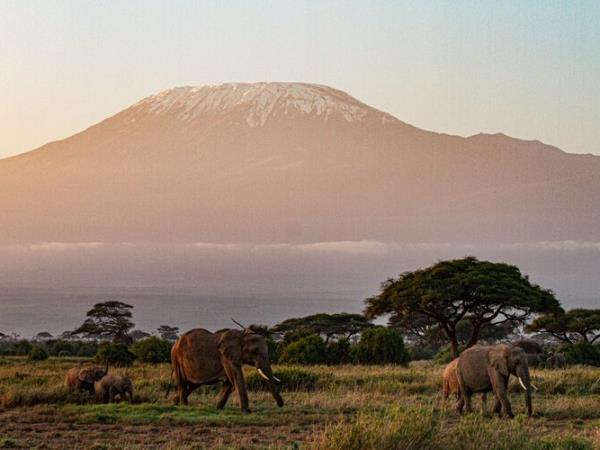
Kenya safari with a beach stay
Small-group adventure through Kenya’s wild heart to coast.
From
£1795 to £2605
8 days
ex flights
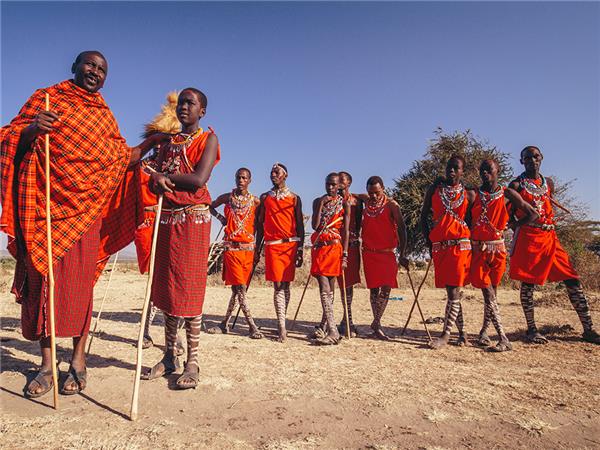
The Masai Heartlands safari
Great value truck safari to Kenya & Tanzania
From
US $3288 to US $4750
15 days
ex flights
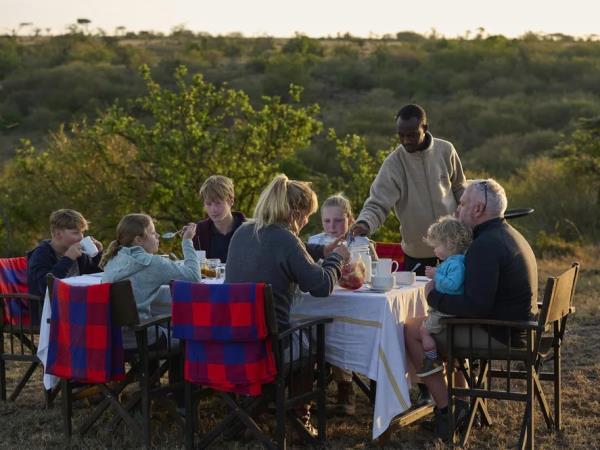
Kenya safari and beach family vacation
Masai Mara wildlife & Lamu Island for families
From
£3188
10 days
ex flights
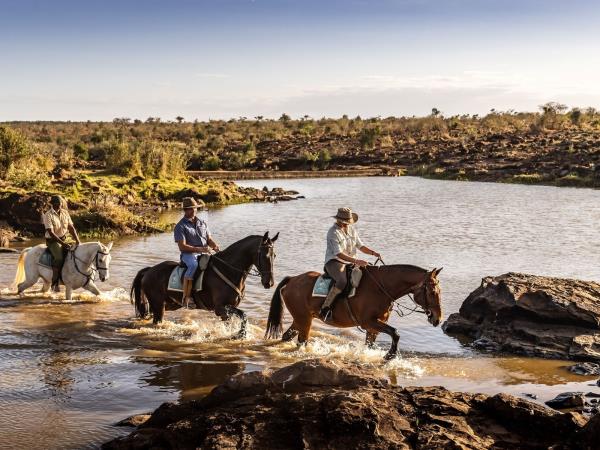
Kenya luxury safari vacation, 10 days
Luxury, adventure & unforgettable wildlife experiences
From
US $8760 to US $9310
10 days
ex flights
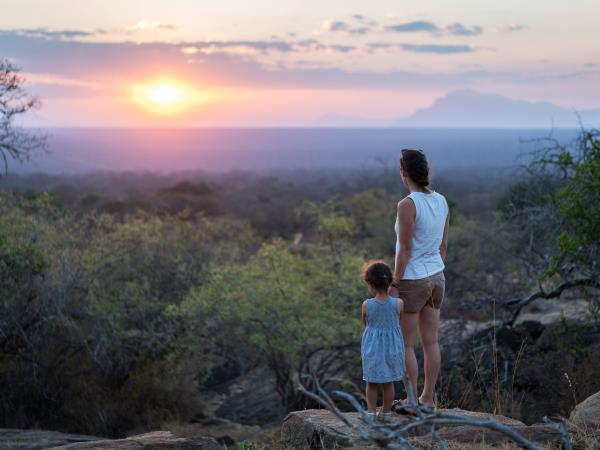
Kenya safari and beach by train
Explore Tsavo National Parks & the Kenyan coast
From
US $3800 to US $5000
12 days
ex flights


Contact Us

Call us for a chat about our vacations. We are happy to discuss your vacation and help in any way we can. No bots, queues or awful hold music.

1-866-821-6866
Call toll free
Calling from outside the USA


Our travelers also ask…
What is Kenyan cuisine like?
Kenyan cuisine is sometimes portrayed as simple and bland, but that does it a disservice. While it may use fewer spices and seasoning than some cuisines, the food in Kenya is a fascinating blend of cultural influences, particularly in coastal areas where elements of Arab, Indian and European cuisine intermingle.
Coastal food is dominated by seafood of course and is where you’ll tend to find the most complex flavours, while inland the diet is meat-heavy, a testament to traditional herding lifestyles. Beef, goat and chicken are the most common, but at some restaurants such as the (in)famous Carnivore in Nairobi, you can try ostrich and even crocodile.
Coastal food is dominated by seafood of course and is where you’ll tend to find the most complex flavours, while inland the diet is meat-heavy, a testament to traditional herding lifestyles. Beef, goat and chicken are the most common, but at some restaurants such as the (in)famous Carnivore in Nairobi, you can try ostrich and even crocodile.
Is Kenyan food spicy?
Kenyan food is rarely spicy, though you will find dishes with a kick along the Swahili coast where the influence of Indian and Portuguese traders can be felt. If you do prefer a bit of heat, you can always bring along a bottle of your favorite hot sauce.
Can you get vegetarian food in Kenya?
You can get decent vegetarian food in Kenya. Don’t expect anything too exciting, but vegetarian and vegan travelers can get by without much difficulty. Typical dishes you can expect to find in restaurants include collard greens, the ubiquitous ugali, githeri – a maize and bean stew, chapatis and samosas, and mandazi, which is fried bread. A lot of street food is also vegetarian. If you’re going on one of our Kenya safaris, just let our tour operator partner know in advance about any dietary requirements you have, as most can be accommodated.
What do tourists eat in Kenya?
On safari you’ll generally enjoy a mix of traditional Kenyan food and international cuisine, steadily growing in quality depending on how luxurious you go. Most visitors to Kenya are either making for a safari or the coast, where it’s mostly fish and seafood. But increasingly people are choosing to spend time in cities like Nairobi and Mombasa, where there are thriving culinary and street food scenes worth exploring.
More Kenya articles
The best time to visit depends on whether you’re interested in visiting the Masai Mara, Mombasa or Mount Kenya.

The Maasai, the Mara and the greatest of migrations - our guide reveals how to explore these vast landscapes.

There are a remarkable amount of places to visit, including Samburu, Amboseli, Tsavo and the Mara River Crossing.
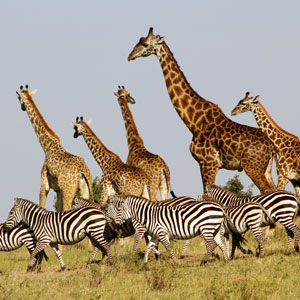
The Masai Mara is one of Kenya’s most compact reserves, yet huge populations of wildlife thrive.
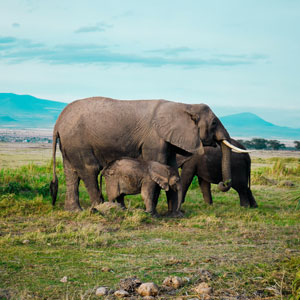
Amboseli National Park is one of Kenya’s most popular safari destinations.
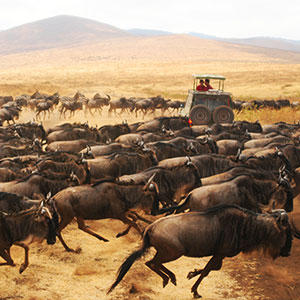
The annual wildebeest migration in Kenya sees mega herds on the move, and predators too.

Long established as a superb destination for a safari vacation, Kenya has abundant wildlife and iconic landscapes.

From village visits to a stay at a Maasai-run camp, there are plenty of ways to get close to these landscape custodians.
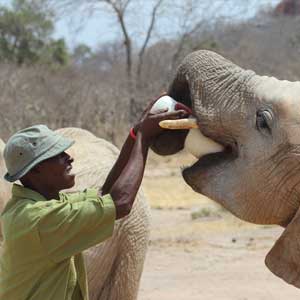
There is an abundance of child friendly activities here, and you'll be spoiled for choice.

For first time travelers, Kenya is usually about three things: wildlife, wildlife, wildlife.
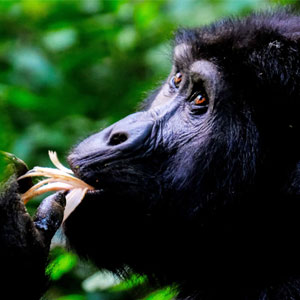
Travel to East Africa and you can squeeze the maximum wildlife watching from a single vacation.

From game drives and walking safaris to meeting the Maasai, kicking back on the coast or volunteering...
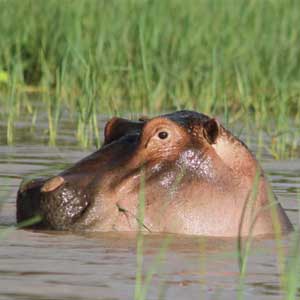
We share our top tips on the Great Rift Valley, climbing a mountain in East Africa and staying safe in Nairobi.
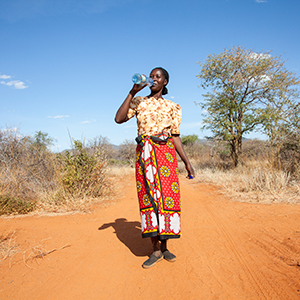
Kenya has been living with climate change for some time now.
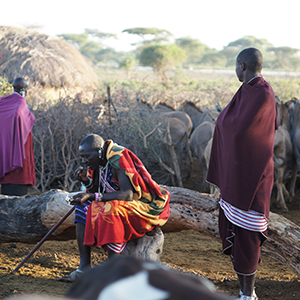
Learn about the importance of tourism in Kenya – and why it needs to be done right.