Best places to see manta rays in the wild
Tourism income helps protect manta rays, but we can all do more to ensure that this giant of the sea stays safe.
The full moon is here, and so are the manta rays. Before you rush for your silver bullets, these are no monsters (though they do swim in eerie silence). Gentle mantas gather in great numbers when the tidal pull is strongest, as it can cause their food (plankton), to aggregate in certain areas and they are often seen around the new moon and the full moon. In the Maldives, this means a mantle of mantas, the largest of the rays, engaging in cyclone feeding. Head to famous Hanifaru Bay in Baa Atoll, a protected area where you can snorkel with them on vacation.
“We have had amazing manta experiences,” says guide UB Waseem from our partner Secret Paradise. They run tours specifically to see mantas, interspersing snorkelling with tours of local islands and talks from marine experts. Recent sightings have ranged, “from juvenile mantas in Raa Atoll, to more than 50 manta rays cyclone feeding in Hanifaru Bay and manta rays inside Hura Faru along with two whale sharks.”
That’s great because they’re among the world’s favorite animals. Our partner Explore Worldwide recently reported that the manta ray was the animal that three nationalities in the world – including Fijians and Maldivians – most wanted to see.
Why do people want to see them? Charisma plays a part. “Manta rays are simply extraordinary,” says Tam Sawers, project leader for the Manta Trust’s Maldives Manta Conservation Programme. “They’re incredibly intelligent and in a strange way each individual seems to have its own personality. Spending time with them in the water you can’t help but feel a sense of connection and calm. They have this unique mix of beauty and curiosity that draws people in and leaves a lasting impression. Their movements, interactions, power and grace are fascinating, and no two encounters are ever the same.”
The full moon is here, and so are the manta rays. Before you rush for your silver bullets, these are no monsters (though they do swim in eerie silence). Gentle mantas gather in great numbers when the tidal pull is strongest, as it can cause their food (plankton), to aggregate in certain areas and they are often seen around the new moon and the full moon. In the Maldives, this means a mantle of mantas, the largest of the rays, engaging in cyclone feeding. Head to famous Hanifaru Bay in Baa Atoll, a protected area where you can snorkel with them on vacation.
“We have had amazing manta experiences,” says guide UB Waseem from our partner Secret Paradise. They run tours specifically to see mantas, interspersing snorkelling with tours of local islands and talks from marine experts. Recent sightings have ranged, “from juvenile mantas in Raa Atoll, to more than 50 manta rays cyclone feeding in Hanifaru Bay and manta rays inside Hura Faru along with two whale sharks.”
That’s great because they’re among the world’s favorite animals. Our partner Explore Worldwide recently reported that the manta ray was the animal that three nationalities in the world – including Fijians and Maldivians – most wanted to see.
Why do people want to see them? Charisma plays a part. “Manta rays are simply extraordinary,” says Tam Sawers, project leader for the Manta Trust’s Maldives Manta Conservation Programme. “They’re incredibly intelligent and in a strange way each individual seems to have its own personality. Spending time with them in the water you can’t help but feel a sense of connection and calm. They have this unique mix of beauty and curiosity that draws people in and leaves a lasting impression. Their movements, interactions, power and grace are fascinating, and no two encounters are ever the same.”
Manta rays are massive. The Maldives is frequented by reef mantas, common in Asia, which can have 3.5m wingspans. There are also Atlantic manta rays, found in the Caribbean and Americas. Giant oceanic manta rays are the largest rays –up to 7m wide, weighing two tonnes) and these are also found in the Maldives between April and May.
Mantas aren’t just big, but big brained. They have the largest brain to body ratio of any fish, can pass a version of the mirror test, have favorite hangout spots and favour their friends. They work together to create feeding cyclones – vortices that draw plankton into their mouths. They will be interested in you: in fact, snorkelling guidelines suggest you should look them in the eye and properly meet them – and they will respond. They are social and curious, and can be playful. "A common surprise is just how predictable and site-faithful mantas can be,” says Tam “in some areas you can encounter the same individuals year after year, like old friends returning.”
Manta rays also have very clever mouths too. As filter feeders, their gill plates create little eddies that sweep the plankton into their stomachs and pull the water out. Recent research suggests they also dive deep to feed on larger fish – but manta rays are not dangerous to humans.
They can be identified by their unique spot patterns on their undersides – and as they live for around 50 years, individuals are well known. In the Maldives, Mr Spotty is readily recognised. Manta Claus, on the other hand, is rarely seen, and has a white belly like his namesake’s beard. Sadly, many mantas can also be identified by their scars, from boat strikes and shark bites. Research has intensified over the last decade or so, before this, very little was known about mantas and they were worth more dead than alive.
Mantas are fished. Their gill plates – which they use to sieve plankton from the seawater, are used in traditional Chinese medicine – though it is illegal to fish them in the Maldives. They are vulnerable as they are slow to reproduce. They die when caught as bycatch – partially because their size makes them very hard to manoeuvre back into the ocean. Climate change is a threat, as is irresponsible tourism, which can change their behaviours, or hurt them. Yet they are crucial – as they are thought to help fertilise the reef when they come up from the deep sea.
Mantas aren’t just big, but big brained. They have the largest brain to body ratio of any fish, can pass a version of the mirror test, have favorite hangout spots and favour their friends. They work together to create feeding cyclones – vortices that draw plankton into their mouths. They will be interested in you: in fact, snorkelling guidelines suggest you should look them in the eye and properly meet them – and they will respond. They are social and curious, and can be playful. "A common surprise is just how predictable and site-faithful mantas can be,” says Tam “in some areas you can encounter the same individuals year after year, like old friends returning.”
Manta rays also have very clever mouths too. As filter feeders, their gill plates create little eddies that sweep the plankton into their stomachs and pull the water out. Recent research suggests they also dive deep to feed on larger fish – but manta rays are not dangerous to humans.
They can be identified by their unique spot patterns on their undersides – and as they live for around 50 years, individuals are well known. In the Maldives, Mr Spotty is readily recognised. Manta Claus, on the other hand, is rarely seen, and has a white belly like his namesake’s beard. Sadly, many mantas can also be identified by their scars, from boat strikes and shark bites. Research has intensified over the last decade or so, before this, very little was known about mantas and they were worth more dead than alive.
Mantas are fished. Their gill plates – which they use to sieve plankton from the seawater, are used in traditional Chinese medicine – though it is illegal to fish them in the Maldives. They are vulnerable as they are slow to reproduce. They die when caught as bycatch – partially because their size makes them very hard to manoeuvre back into the ocean. Climate change is a threat, as is irresponsible tourism, which can change their behaviours, or hurt them. Yet they are crucial – as they are thought to help fertilise the reef when they come up from the deep sea.

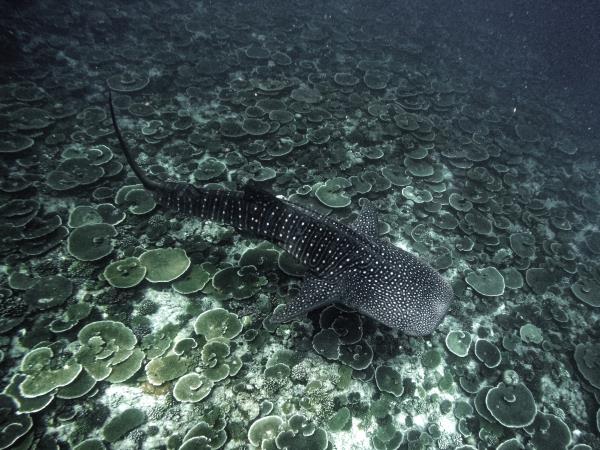
Maldives whale shark conservation snorkelling cruise
Maldives whale shark conservation cruise with local experts
From
US $2499 to US $2699
8 days
ex flights
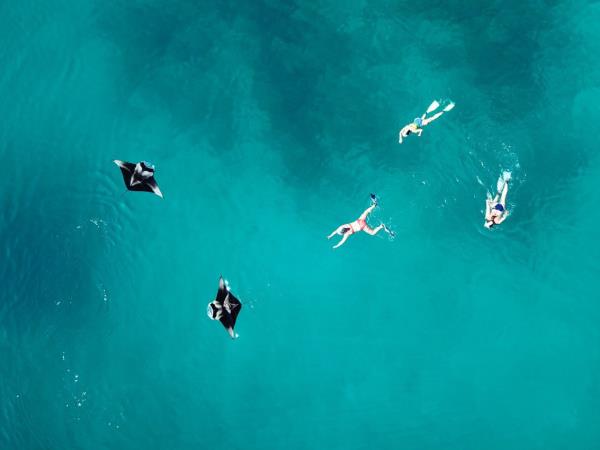
Maldives local islands tour, 5 days
An immersive Maldives trip both above and below the ocean
From
US $1499 to US $1649
5 days
ex flights
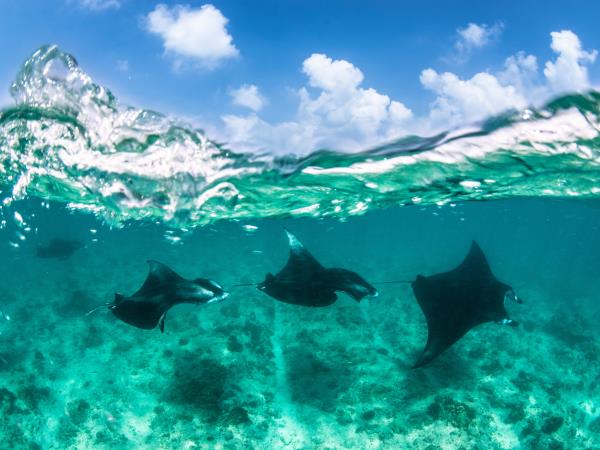
Maldives manta ray conservation snorkeling cruise
Maldives manta ray conservation cruise with local experts
From
US $2999
8 days
ex flights
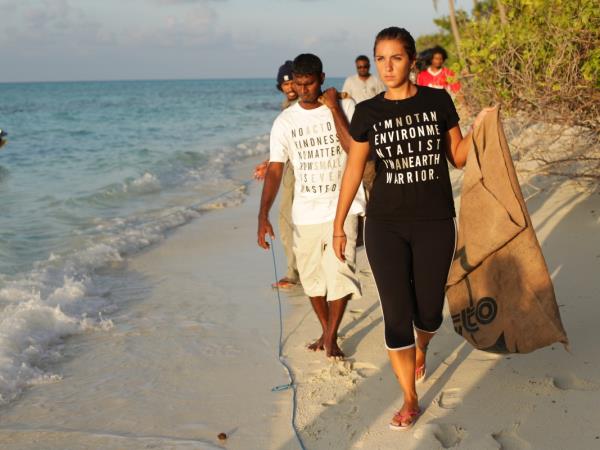
Turtle conservation in the Maldives
Live in the paradise of Maldives & assist a marine center
From
US $2500
14 days
ex flights
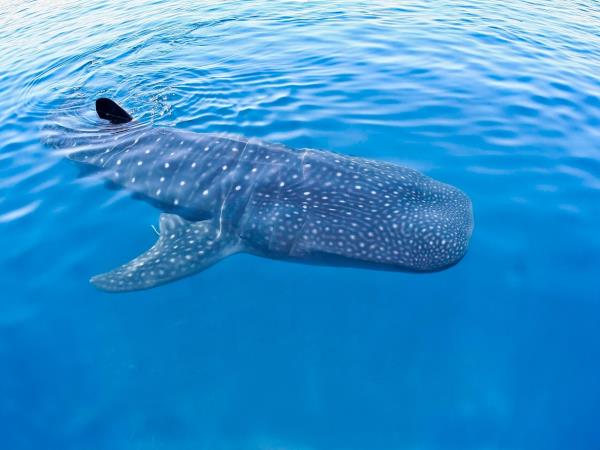
Maldives Whale Shark Conservation Research Expedition
Join the Maldives Whale Shark Research Programme
From
£2189
11 days
ex flights
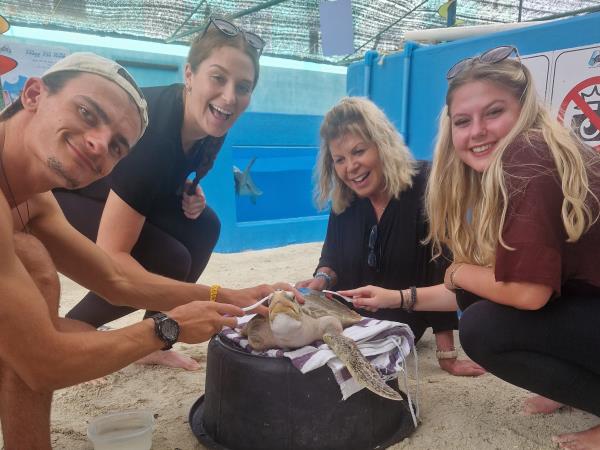
Family volunteering with turtles in the Maldives
Family volunteering in the paradise of the Maldives
From
US $1650
7 days
ex flights


Contact Us

Call us for a chat about our vacations. We are happy to discuss your vacation and help in any way we can. No bots, queues or awful hold music.

1-866-821-6866
Call toll free
Calling from outside the USA


Why should you snorkel with manta rays?

Spending time with them in the water you can’t help but feel a sense of connection and calm. They have this unique mix of beauty and curiosity that draws people in and leaves a lasting impression.![]()

“Responsible tourism is one of the most powerful tools we have to protect manta rays,” says Tam. “In places like the Maldives, manta tourism brings massive economic value, which in turn builds strong incentives to protect populations and habitats.”
Blocking out the sun passing above divers, coming close enough to the surface to be seen by snorkellers – and so big that you can admire them from any distance – manta rays are slow moving, harmless and massive, making them excellent to observe.
They are fascinating to watch: swimming, feeding, cleaning, in courtship, mating, and jumping out of the water: all their observable behaviours are joyful and peaceful – no fighting or fleeing here.
Divers can also see them at cleaning stations – which are often set slightly deeper – where mantas gather, unfurling their cephalic fins and opening their gills for fish to clean. Manta rays brought in some $227m of tourism money in 2021. They’re often seen in areas where you can see other exciting marine megafauna – like whale sharks, which live in similar environments. They aren’t common in aquariums; they’re just too big.
Blocking out the sun passing above divers, coming close enough to the surface to be seen by snorkellers – and so big that you can admire them from any distance – manta rays are slow moving, harmless and massive, making them excellent to observe.
They are fascinating to watch: swimming, feeding, cleaning, in courtship, mating, and jumping out of the water: all their observable behaviours are joyful and peaceful – no fighting or fleeing here.
Divers can also see them at cleaning stations – which are often set slightly deeper – where mantas gather, unfurling their cephalic fins and opening their gills for fish to clean. Manta rays brought in some $227m of tourism money in 2021. They’re often seen in areas where you can see other exciting marine megafauna – like whale sharks, which live in similar environments. They aren’t common in aquariums; they’re just too big.
Where to see manta rays around the world
Manta rays can be found in subtropical and tropical water all over the world, from Mozambique to Mexico. The largest ever gathering of oceanic manta rays has been found off the coast of Ecuador at Isla de Plata. The Manta Trust has conducted research on populations in place like Fiji, Mexico, Peru, Papua New Guinea and Brazil, and run expedition trips to Thailand, too. Manta rays venture as far north as Japan, and are found as far south as New Zealand and South Africa.
Our best manta ray vacations
Maldives – See them on our dedicated manta ray conservation cruises, where you can help log sightings – if you’re not distracted by a big pair of flapping wings that is. It’s been a hit partnership. “The tie-in with the Manta Trust was an excellent addition to the already fabulous guiding which really focused on the marine environment,” says our traveler, Richard Montague.
Mexico – you can combine manta ray spotting with humpback migration and whale shark research on our marine research vacations. “Swimming with two manta rays and seeing their courtship ritual on the final day was magical,” says our traveler Sandra Bateman.
Ecuador – our trips to the Galapagos may have opportunities to see manta rays, who come to feed in its nutrient rich waters.
Indonesia – Mothra to Godzilla, you can see mantas and Komodo dragons together on a wildlife trip in Indonesia – they gather at Manta Point in the Komodo islands.
Mozambique – our marine conservation vacations also might feature whale sharks, humpback whales and sea turtles, and you can earn your PADI qualification.
Mexico – you can combine manta ray spotting with humpback migration and whale shark research on our marine research vacations. “Swimming with two manta rays and seeing their courtship ritual on the final day was magical,” says our traveler Sandra Bateman.
Ecuador – our trips to the Galapagos may have opportunities to see manta rays, who come to feed in its nutrient rich waters.
Indonesia – Mothra to Godzilla, you can see mantas and Komodo dragons together on a wildlife trip in Indonesia – they gather at Manta Point in the Komodo islands.
Mozambique – our marine conservation vacations also might feature whale sharks, humpback whales and sea turtles, and you can earn your PADI qualification.
Best time to swim with manta rays
In the Maldives, manta season runs from May to November. September to November is the most common time for seeing mass feeding events and mating rituals, but the manta rays never leave the archipelago, they only move to follow the plankton.
In Raja Ampat, large numbers of rays converge at cleaning stations between September and April.
In the Galapagos, the warmer weather from December to May sees more rays coming to the surface.
In Raja Ampat, large numbers of rays converge at cleaning stations between September and April.
In the Galapagos, the warmer weather from December to May sees more rays coming to the surface.
Responsible manta ray swimming
“When protected, manta populations can thrive,” says Tam. “The Maldives is a brilliant example of how sustainable tourism and conservation science can work hand in hand.”
Positive encounters for manta rays mean more positive encounters for you – as they are more likely to stick around for longer. Use a responsible operator who should give you a briefing before you start and observe minimum distances for both boats and swimmers, as well as restrictions and maximum speeds. In Hanifaru Bay, for example, there is a ticketing system limiting the number of boats in the bay at once, and diving is banned.
When you’re swimming with mantas, remember: no touching. Your hands can remove the mucus that protects their skin. Don’t obstruct their path or their cleaning stations as they can’t go backwards or stop. Contain your cries and gasps, keep calm and don’t splash your flippers around. Manta rays are sensitive to noise and have great vision.
Report sightings. “Every manta ray sighting submitted through programmes like our citizen science platform, MantaBase, helps build our database, improve our understanding of population trends, and inform better management,” explains Tam. “By choosing ethical operators and respecting interaction guidelines, you can directly support conservation.”
Positive encounters for manta rays mean more positive encounters for you – as they are more likely to stick around for longer. Use a responsible operator who should give you a briefing before you start and observe minimum distances for both boats and swimmers, as well as restrictions and maximum speeds. In Hanifaru Bay, for example, there is a ticketing system limiting the number of boats in the bay at once, and diving is banned.
When you’re swimming with mantas, remember: no touching. Your hands can remove the mucus that protects their skin. Don’t obstruct their path or their cleaning stations as they can’t go backwards or stop. Contain your cries and gasps, keep calm and don’t splash your flippers around. Manta rays are sensitive to noise and have great vision.
Report sightings. “Every manta ray sighting submitted through programmes like our citizen science platform, MantaBase, helps build our database, improve our understanding of population trends, and inform better management,” explains Tam. “By choosing ethical operators and respecting interaction guidelines, you can directly support conservation.”
More Maldives articles
Visit from December to April for blue sunny skies, and May for nesting turtles.
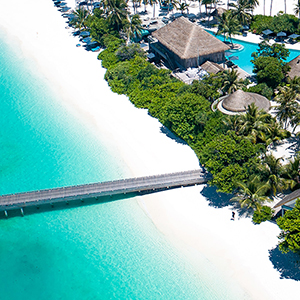
Visiting this gorgeous Indian Ocean archipelago can be about so much more than soaking up the sun in a luxury resort.
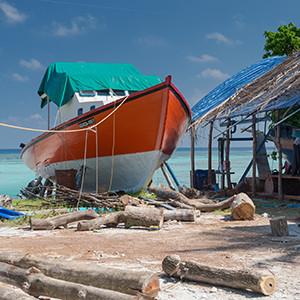
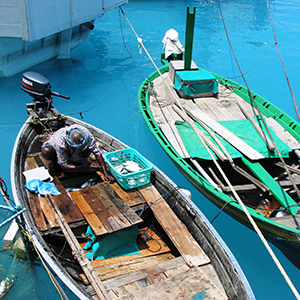
Maldives local islands are an authentic alternative to its luxury resorts.
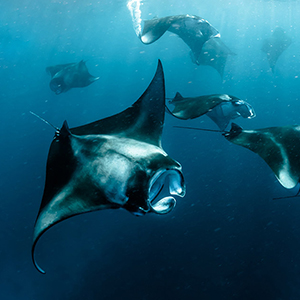
Manta rays, whale sharks, turtles and more: have a reef-full of really great wildlife experiences.
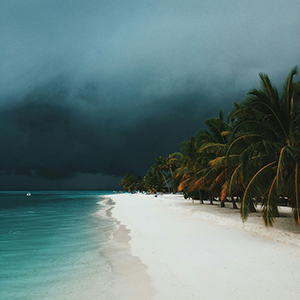
Climate change, and rising sea levels, pose an existential threat.
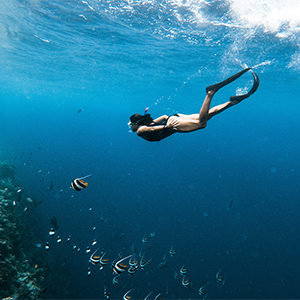
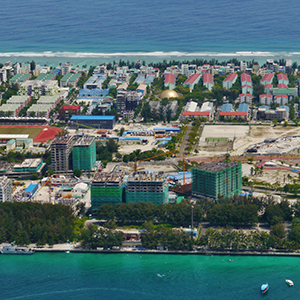
We explore how climate change will affect the Maldives and give you tips on how to travel better.