Maldives snorkelling cruises
Forget binoculars, camera, or heavy scuba gear – the greatest wildlife watching tool at your disposal in the Maldives is a plastic tube.
Don’t dismiss the humble snorkel: staying on the surface in the Maldives doesn’t just mean small fry. With heaps of species, plenty of accessible reefs, and warm waters, this is one of the best places to snorkel in the world.
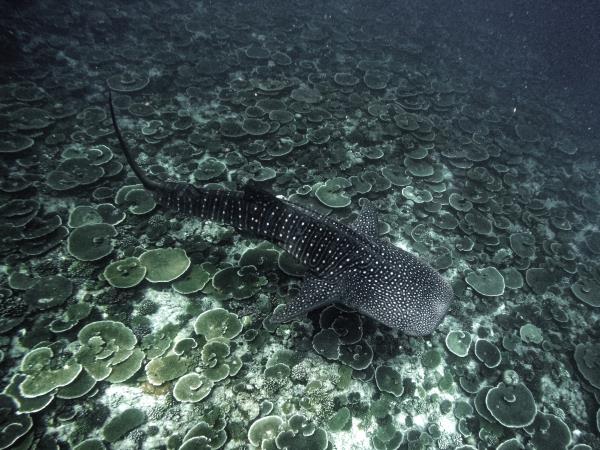
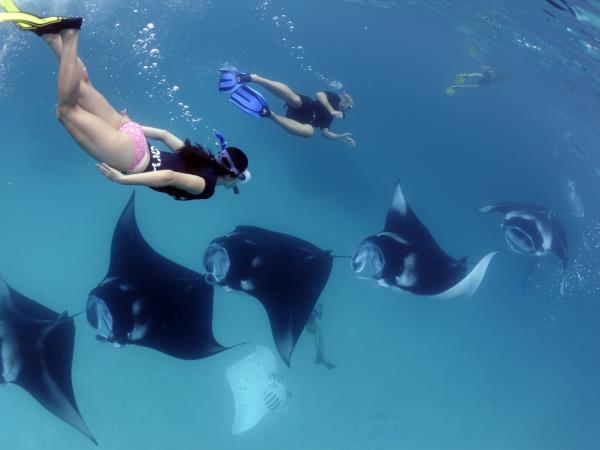
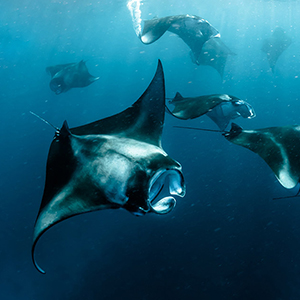
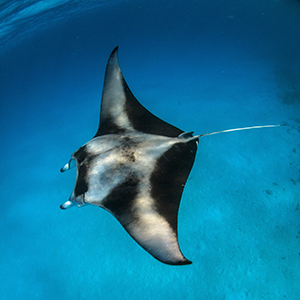
As well as experiencing the rich fish life on Maldivian reefs, our Maldives snorkelling cruises can involve swimming alongside manta rays, reef sharks, turtles and whale sharks: the world’s biggest fish. “A manta ray swam directly towards me with its huge mouth open,” says traveler Maryann Orr. “At the last minute it swam under me.”
Don’t panic, this is an archipelago of gentle giants: manta rays are after plankton, not people. Your first shark encounter might come as a shock, but these beautiful creatures have little interest in you. Common Maldives sharks: grey reef sharks, white and black tips, and nurse sharks, cruise by with other things on their mind. Black tips are busy out on patrol over their small patches of reef; nurse sharks are often snoozing on the bottom.
Don’t dismiss the humble snorkel: staying on the surface in the Maldives doesn’t just mean small fry. With heaps of species, plenty of accessible reefs, and warm waters, this is one of the best places to snorkel in the world.
As well as experiencing the rich fish life on Maldivian reefs, our Maldives snorkelling cruises can involve swimming alongside manta rays, reef sharks, turtles and whale sharks: the world’s biggest fish. “A manta ray swam directly towards me with its huge mouth open,” says traveler Maryann Orr. “At the last minute it swam under me.”
Don’t panic, this is an archipelago of gentle giants: manta rays are after plankton, not people. Your first shark encounter might come as a shock, but these beautiful creatures have little interest in you. Common Maldives sharks: grey reef sharks, white and black tips, and nurse sharks, cruise by with other things on their mind. Black tips are busy out on patrol over their small patches of reef; nurse sharks are often snoozing on the bottom.

Maldives whale shark conservation snorkelling cruise
Maldives whale shark conservation cruise with local experts
From
US $2499 to US $2699
8 days
ex flights
Maldives snorkelling cruise
Snorkelling beautiful reefs aboard a Small Ship.
From
£1318 to £1465
8 days
ex flights
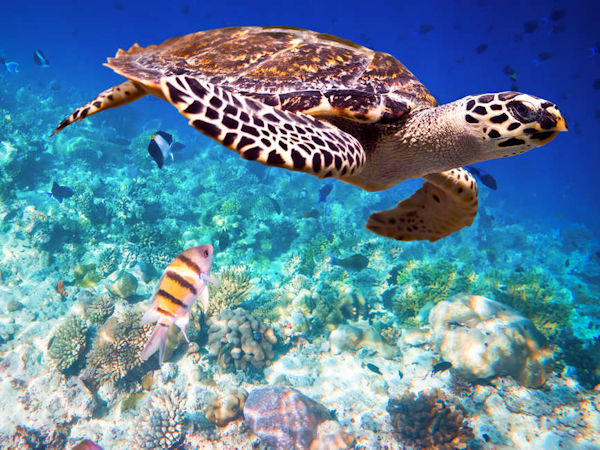
Maldives vacations, Dhoni cruise
Cruise the Atolls unspoilt tropical islands
From
US $1870 to US $3010
8 days
ex flights
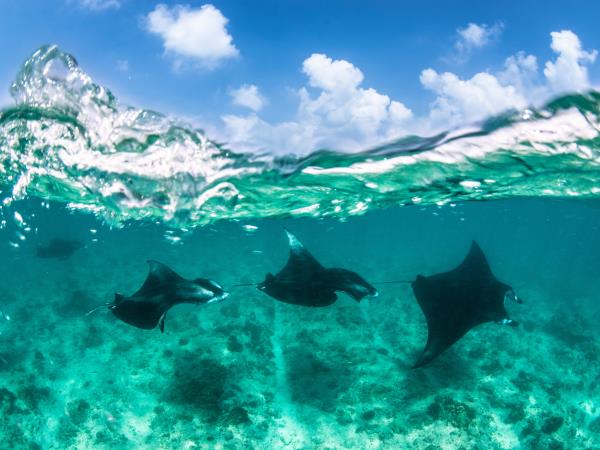
Maldives manta ray conservation snorkeling cruise
Maldives manta ray conservation cruise with local experts
From
US $2999
8 days
ex flights
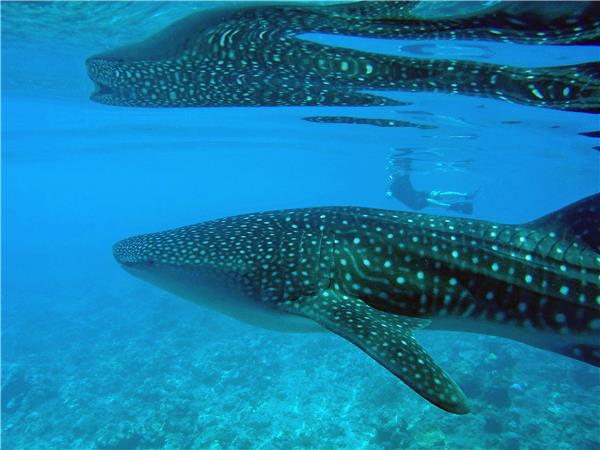
Maldives vacation, wildlife cruise
Awake to the sun rising over the azure ocean
From
US $5210 to US $6200
7 days
ex flights
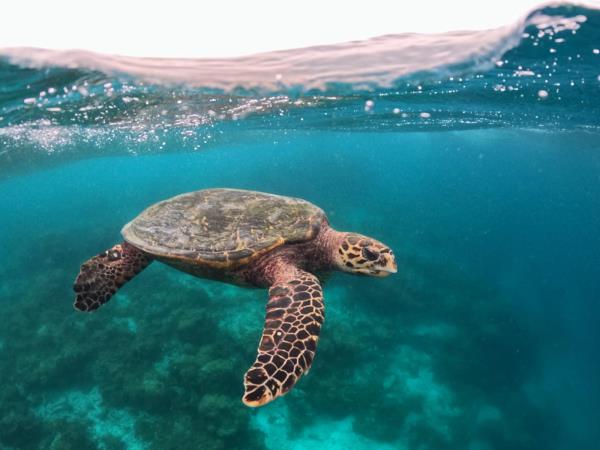
Maldives turtle conservation snorkeling cruise
Maldives turtle conservation cruise including local experts
From
US $2499
8 days
ex flights


There was a whale shark feeding at the side of the boat at 3am! You don't get that staying in a resort.![]()

Snorkelling on our conservation cruises
Our Maldives snorkel cruises – liveaboard experiences where you travel from snorkelling spot to snorkelling spot on a small ship – elevate the humble tube in the mouth into a tool for conservation and wildlife watching. Traveling on a boat with marine experts, representatives from conservation charities, and researchers, you’re swimming in the name of science.
Ruth Franklin, founder of Secret Paradise, our local partner in the Maldives, describes their first conservation cruise itinerary: “We had someone from Maldives Whale Shark Research on board, and someone from Maldives Resilient Reefs who advocate for seagrass protection also joined us. We did data collection on whale sharks. The guests saw manta rays, they did a beach clean, there was lots of snorkelling.” The trip was such a success that they now run many conservation snorkelling cruises, focused on different sea life – though you never know what will surface.
It’s satisfying, knowing that your findings below the waves can help scientists. “People are surprised by how much science they can actually participate in without any prior experience,” says Tam Sawers, project leader for the Manta Trust. Snorkellers can learn to recognise individual manta rays, take pictures and log their findings.
There’s plenty of opportunity for getting in the water – and marine life at all hours. “There was a whale shark feeding at the side of the boat at 3am!” says our traveler Tricia Thompson in her review. “You don't get that staying in a resort.”
Some cruises also include night snorkelling: while fish sleep (and parrotfish tuck themselves up in odd, protective mucus bubbles) – eels and rays, octopus, lobster and starfish head out to hunt. Night snorkels need to be undertaken with care, and with a guide – not because they are dangerous (though they are disconcerting) but because there’s a higher chance of damaging the reef in the darkness.
Ruth Franklin, founder of Secret Paradise, our local partner in the Maldives, describes their first conservation cruise itinerary: “We had someone from Maldives Whale Shark Research on board, and someone from Maldives Resilient Reefs who advocate for seagrass protection also joined us. We did data collection on whale sharks. The guests saw manta rays, they did a beach clean, there was lots of snorkelling.” The trip was such a success that they now run many conservation snorkelling cruises, focused on different sea life – though you never know what will surface.
It’s satisfying, knowing that your findings below the waves can help scientists. “People are surprised by how much science they can actually participate in without any prior experience,” says Tam Sawers, project leader for the Manta Trust. Snorkellers can learn to recognise individual manta rays, take pictures and log their findings.
There’s plenty of opportunity for getting in the water – and marine life at all hours. “There was a whale shark feeding at the side of the boat at 3am!” says our traveler Tricia Thompson in her review. “You don't get that staying in a resort.”
Some cruises also include night snorkelling: while fish sleep (and parrotfish tuck themselves up in odd, protective mucus bubbles) – eels and rays, octopus, lobster and starfish head out to hunt. Night snorkels need to be undertaken with care, and with a guide – not because they are dangerous (though they are disconcerting) but because there’s a higher chance of damaging the reef in the darkness.
How snorkelling can help protect the reef
The Maldives reef system needs our help. “Part of our welcome pack highlights that coral bleaching has happened,” says Ruth. “Different parts of the Maldives have reefs in various conditions.”
Coral bleaching – where coral is damaged due to environmental stressors like rising sea temperatures – is an increasing phenomenon across the world and tends to happen during warm El Nino years.
“On some tours we only have access to reefs in good conditions – on others there may be reefs in recovery,” says Ruth. Travelers can snorkel in coral nurseries, find out how more resilient reefs are being grown, and maybe even plant coral. They’ll also learn to love seagrass – the unassuming plant that’s essential for marine life – and learn about invasive species.
Coral bleaching – where coral is damaged due to environmental stressors like rising sea temperatures – is an increasing phenomenon across the world and tends to happen during warm El Nino years.
“On some tours we only have access to reefs in good conditions – on others there may be reefs in recovery,” says Ruth. Travelers can snorkel in coral nurseries, find out how more resilient reefs are being grown, and maybe even plant coral. They’ll also learn to love seagrass – the unassuming plant that’s essential for marine life – and learn about invasive species.
How to go on a responsible snorkelling cruise
Whilst nearly anyone can snorkel, there’s a responsible way to do it. Our responsible snorkelling providers will brief guests before they head out, so that reef and guest remain safe. Briefings cover the importance of wearing suncream that won’t harm the environment, of not touching anything, and even of being careful about picking up litter – in case you disturb wildlife that has made it a home. You shouldn't feed fish in order to snorkel with them, as this can affect their behaviours. The Green Fins initiative aims to protect marine life, in part through providing codes of conduct for snorkelling.
Ub Waseem, a senior guide for our partner in the Maldives, knows the importance of giving advice. “Visitors will only step on the coral if the guide that they have does not brief them appropriately,” says Ub. “We do all sorts of briefings to avoid guests unconsciously doing something. And we offer advice to them if they are not confident swimmers – a buoyancy aid in case they get tired, for instance, will help stop them stepping on coral.”
As well as protecting the reef, you should protect yourself. Many an unsuspecting snorkeller is so busy turtle-watching, they forget that their back is exposed to the sun. “Bring long sleeves,” says our traveler Juliet Bulman. “The sun is intense.”
Ub Waseem, a senior guide for our partner in the Maldives, knows the importance of giving advice. “Visitors will only step on the coral if the guide that they have does not brief them appropriately,” says Ub. “We do all sorts of briefings to avoid guests unconsciously doing something. And we offer advice to them if they are not confident swimmers – a buoyancy aid in case they get tired, for instance, will help stop them stepping on coral.”
As well as protecting the reef, you should protect yourself. Many an unsuspecting snorkeller is so busy turtle-watching, they forget that their back is exposed to the sun. “Bring long sleeves,” says our traveler Juliet Bulman. “The sun is intense.”
“The highlight? Swimming with manta rays, and fabulous snorkels with fish, fish, and did I mention the fish?”![]()
Where a snorkel beats scuba
Done responsibly, snorkelling can sometimes have the edge on diving. It’s cheaper, easier and quicker: if a whale shark is sighted, you’re free and flexible and ready to slip into the water at a moment’s notice. Whilst diving needs a qualification – which takes a few days to attain, snorkelling has very few barriers to entry. You get the sun on your back and you can easily communicate: just stick your head out of the water again.
There’s some evidence that snorkelling can be less obtrusive for wildlife, too. You stay up on the surface, giving marine life plenty of space, and plenty of escape routes back down and away.
While divers are more likely to see animals interacting in deeper water – like manta rays at cleaning stations – snorkellers in the Maldives can catch whale sharks feeding at the surface and turtles surfacing: now that’s totally tubular, dude.
There’s some evidence that snorkelling can be less obtrusive for wildlife, too. You stay up on the surface, giving marine life plenty of space, and plenty of escape routes back down and away.
While divers are more likely to see animals interacting in deeper water – like manta rays at cleaning stations – snorkellers in the Maldives can catch whale sharks feeding at the surface and turtles surfacing: now that’s totally tubular, dude.
Contact Us

Call us for a chat about our vacations. We are happy to discuss your vacation and help in any way we can. No bots, queues or awful hold music.

1-866-821-6866
Call toll free
Calling from outside the USA


What to expect from a Maldives snorkelling cruise
More Maldives articles
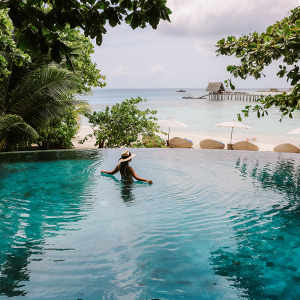
Visit from December to April for blue sunny skies, and May for nesting turtles.
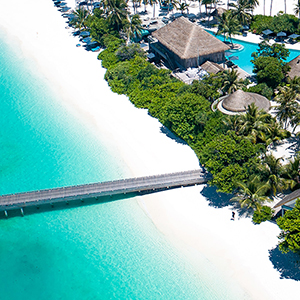
Visiting this gorgeous Indian Ocean archipelago can be about so much more than soaking up the sun in a luxury resort.
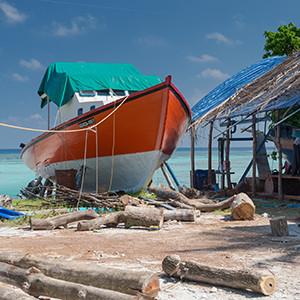
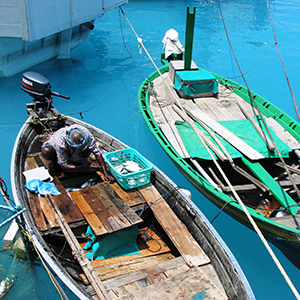
Maldives local islands are an authentic alternative to its luxury resorts.
Manta rays, whale sharks, turtles and more: have a reef-full of really great wildlife experiences.
Climate change, and rising sea levels, pose an existential threat.
When the full moon is out, so are the manta rays. Here's how to see the world's largest rays.
We explore how climate change will affect the Maldives and give you tips on how to travel better.