Moose tracking vacations in Sweden

One suggestion given for protecting the moose in Sarek National Park was that tourism companies could do moose-tracking tours. But no-one was doing them. So, we did.![]()

“It sounds like this.” Marcus Eldh is sat on the sofa, making a slurping noise to illustrate what it feels like to walk across the boggy terrain of Sarek National Park, your boots sinking into the mud. The cheerful founder of our partner, Wild Sweden, Marcus willingly volunteers that their moose tracking vacations in Sarek, one of the most remote wilderness areas in all of Europe, are not for everyone.
“Oh yes, this year they had amazing sightings of the Northern Lights, millions of stars, no light pollution at all. But the weather was difficult, with snowmelt making the rivers deep and cold, and strong winds. Normally at the end of a vacation you don’t want to go home again, but on this trip everyone was ready! Afterwards, though, it’s always positive. People write to us when they get home about how much they enjoyed pushing their boundaries, how they feel like a stronger person, how great it was that the group came together to support each other, and how they felt the guide always believed in them and gently pushed them on.”
Make no mistake, tracking moose in Sarek is a true expedition, a trip for those with a real passion for adventure. There are no cabins here, no hot showers, no pressed towels, no chocolates on your pillow. It’s just you, the moose (the largest in Europe), and the vast, silent, primeval landscapes all around you. Your group (seven people maximum) flies arrives by helicopter. After drop-off, you trek in the company of an expert local guide, cook dinner around the campfire, and sleep in tents, dealing with whatever the weather throws at you. Then the next day, you get up and do it again. There are four essentials for a moose tracking vacation in Sweden: You need to be fit, you need good boots, you need to be able to travel light, and you need to be prepared to rough it.
“Oh yes, this year they had amazing sightings of the Northern Lights, millions of stars, no light pollution at all. But the weather was difficult, with snowmelt making the rivers deep and cold, and strong winds. Normally at the end of a vacation you don’t want to go home again, but on this trip everyone was ready! Afterwards, though, it’s always positive. People write to us when they get home about how much they enjoyed pushing their boundaries, how they feel like a stronger person, how great it was that the group came together to support each other, and how they felt the guide always believed in them and gently pushed them on.”
Make no mistake, tracking moose in Sarek is a true expedition, a trip for those with a real passion for adventure. There are no cabins here, no hot showers, no pressed towels, no chocolates on your pillow. It’s just you, the moose (the largest in Europe), and the vast, silent, primeval landscapes all around you. Your group (seven people maximum) flies arrives by helicopter. After drop-off, you trek in the company of an expert local guide, cook dinner around the campfire, and sleep in tents, dealing with whatever the weather throws at you. Then the next day, you get up and do it again. There are four essentials for a moose tracking vacation in Sweden: You need to be fit, you need good boots, you need to be able to travel light, and you need to be prepared to rough it.

Getting into and around Sarek National Park
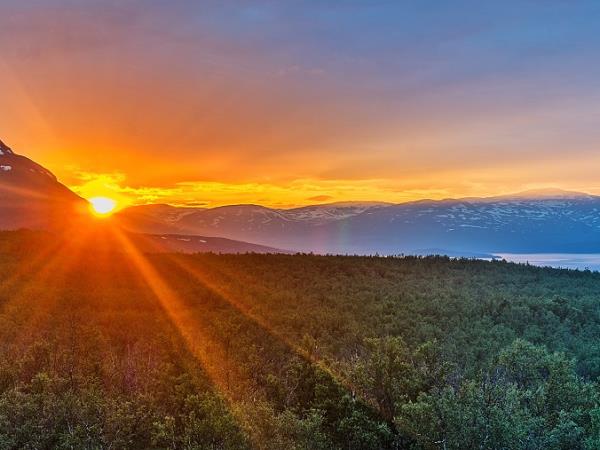
Sarek National Park is the most mountainous area of Sweden, located in the far north of the country in the Laponia region, a 9,400sq km wilderness area tended by the reindeer-herding Sami people. Surrounded by other parks, Padjelanta and Stora Sjofallet, as well as a handful of nature reserves, with no road access, Sarek is not the easiest place to reach. Expeditions depart from the Sami town of Jokkmokk, just north of the Arctic Circle. The town can be reached by air, but the best way is a pleasant overnight train journey from Stockholm (tickets can be arranged for you). From Jokkmokk, a helicopter drops you off at the border of Sarek, saving you a lot of walking, and picks you up again five days later.
The silence and the stillness can be overpowering. “If you want to really get away from everything, if you want beauty that has lain untouched for thousands of years and will be the same for thousands of years after we’re gone, you will find that in Sarek,” enthuses Marcus. This pristine landscape, and the challenge within it, make this trip one of Marcus’ favorites among those his award-winning ecotourism company organises.
The silence and the stillness can be overpowering. “If you want to really get away from everything, if you want beauty that has lain untouched for thousands of years and will be the same for thousands of years after we’re gone, you will find that in Sarek,” enthuses Marcus. This pristine landscape, and the challenge within it, make this trip one of Marcus’ favorites among those his award-winning ecotourism company organises.
You wake up in the morning and it’s -1 degrees and you have to put on wet boots and get going. You just deal with it.![]()
“The terrain is difficult, there are no trails,” Marcus continues, reminiscing about an experience he clearly loves. “We must cross many small streams of meltwater, which is very cold. We have to remove our trousers and shoes and cross quickly, and dodge branches. For a few days we climb up gravelly peaks, where we need sturdy boots with ankle support. There are bogs too, sometimes your boots get stuck. It’s normal for boots to become wet very quickly in Sarek, and they don’t dry for the whole week. It’s all part of the experience, though. You wake up in the morning and it’s -1 degrees and you have to put on wet boots and get going. You just deal with it.”
How to track moose
There are about 400,000 moose in Sweden, but they’re not always easy to find. Usually solitary animals, they are rightfully wary of humans, who hunt around 100,000 of them every year. If they work out that they’re being tracked, they won’t stick around to find out if you’re carrying binoculars or a rifle. Moose will often wander the streets of towns and cities in search of food, but if you want to see them against a natural backdrop then your best bet is with an expert guide.
Sweden moose tracking tours take place during September – rutting (mating) season. Moose are solitary animals, and this is the only time of year you’ll see them grouping together. You’ll climb to the top of hills for a vantage point and sweep the area with binoculars. When you see a moose, perhaps two or three kilometres away, it’s a matter of working out how to approach from upwind, to ensure it doesn’t get spooked and run away.
When you can’t see a moose, you need to rely on your guide’s tracking skills. Hoof marks in the mud can indicate whether a moose has been in the area recently, how big it was, and how fast it was traveling. Trees can also help. If the branches have been broken off, it’s an indication of a female moose (cow), who do this so their calves can eat. In early September, the males (bulls) will scratch their antlers against the trees to rub off the velvet, making them shiny and pointy, and attractive to cows.
You might also see a hole dug by a bull in the mud. This is a rutting pit. The moose digs a hole, urinates in it, then rolls around in the mud to coat his antlers and bell (a fold of skin under the jaw) in the scent, which cows find irresistible, apparently. “Finding a pee hole means we’re on the right track!” Marcus assures me gleefully.
Now, watching as a large moose wallows around in a pit of its own urine may not sound like everyone’s idea of fun, but trust me – when tracking moose is the entire purpose of your vacation, it can get pretty thrilling.
You may also witness another classic moose courtship ritual, ‘the rivalry’. A favoured cow will be pursued – at walking pace – by one or more bulls. It’s rare that the males will lock horns and do battle for her affections, though. Instead, they showcase their prowess through the size (and stench) of their antlers, and through their stamina; during the pursuit, the bull won’t eat or sleep for several days. Again, it may not be as dramatic as watching a pride of lions take down a gazelle, but when you’ve been tracking your moose for days, to watch as he puts everything on the line for love is a very moving experience.
When you can’t see a moose, you need to rely on your guide’s tracking skills. Hoof marks in the mud can indicate whether a moose has been in the area recently, how big it was, and how fast it was traveling. Trees can also help. If the branches have been broken off, it’s an indication of a female moose (cow), who do this so their calves can eat. In early September, the males (bulls) will scratch their antlers against the trees to rub off the velvet, making them shiny and pointy, and attractive to cows.
You might also see a hole dug by a bull in the mud. This is a rutting pit. The moose digs a hole, urinates in it, then rolls around in the mud to coat his antlers and bell (a fold of skin under the jaw) in the scent, which cows find irresistible, apparently. “Finding a pee hole means we’re on the right track!” Marcus assures me gleefully.
Now, watching as a large moose wallows around in a pit of its own urine may not sound like everyone’s idea of fun, but trust me – when tracking moose is the entire purpose of your vacation, it can get pretty thrilling.
You may also witness another classic moose courtship ritual, ‘the rivalry’. A favoured cow will be pursued – at walking pace – by one or more bulls. It’s rare that the males will lock horns and do battle for her affections, though. Instead, they showcase their prowess through the size (and stench) of their antlers, and through their stamina; during the pursuit, the bull won’t eat or sleep for several days. Again, it may not be as dramatic as watching a pride of lions take down a gazelle, but when you’ve been tracking your moose for days, to watch as he puts everything on the line for love is a very moving experience.
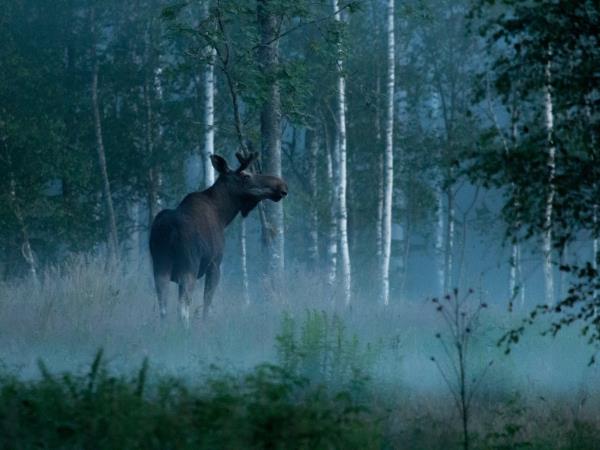
Sweden vacations, wolves, moose and beavers
Venture into the Swedish forest for wolves, moose & beavers.
From
€1995
5 days
ex flights
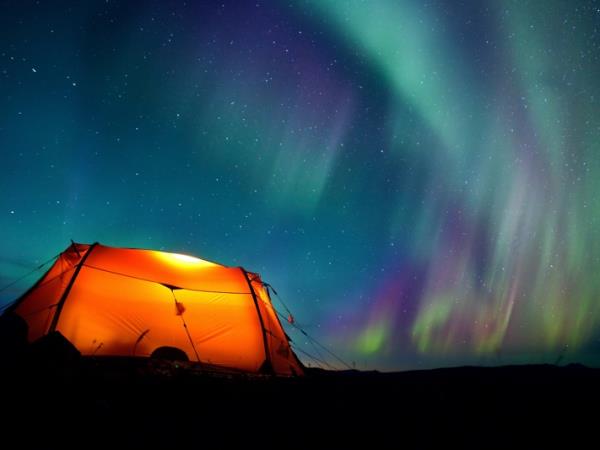
Sweden wilderness vacation, Moose expedition
Helicopter drop in Sarek National Park, Swedish Lapland
From
€2848
8 days
ex flights
Lapland summer vacation in Sweden
Tailor made vacation to Swedish Lapland
From
£1200
6 days
inc UK flights


Contact Us
Call us for a chat about our vacations. We are happy to discuss your vacation and help in any way we can. No bots, queues or awful hold music.

1-866-821-6866
Call toll free
Calling from outside the USA

What other wildlife might we see?
There are brown bears in Sarek, though you’d be lucky to spot one. “The closest I’ve come is finding the tracks of a mother and her cub by the river,” says Marcus, “and hairs in the sap of a spruce tree which they had rubbed against.” Occasionally you’ll see white-tailed eagles above the valley, and there are lynx in the area too, though they’re vanishingly rare. “You don’t really see much wildlife in Sarek,” notes Marcus. “In March I was skiing there, and all I saw the entire time was a couple of ravens, and some wolverine tracks. It tends to be on the approach to the park where you see most animals. It’s a two-hour drive from Jokkmokk to the helicopter base, during which we might see capercaillies, black grouse, and herds of reindeer.”
How your vacation protects the moose of Sarek National Park
Later in September the moose themselves will be on the move, having enjoyed a month or so of mating. Outside the park are pine plantations, and the bulls will enter these dense, single-species forests during the winter and eat the young saplings. Naturally, this doesn’t go down well with the plantations’ owners, a forestry company (trees are big business in Sweden) and the government has suggested culling a number of moose every year to minimise financial losses.
Moose are hunted in Sweden, and you’ll find this gamey meat on menus around the country. But in Sarek, tradition dictates that they are safe from the hunters’ guns. These are the largest moose in Europe, and an iconic animal in Sweden. The idea of culling them raised a storm of protest. One of the suggestions was that tourism companies could organise moose-tracking vacations. “But no-one was doing them,” said Marcus. “So we did.” Your trip, therefore, directly supports the idea that the moose of Sarek are not a problem to be solved, but instead a majestic animal to be celebrated.
Moose are hunted in Sweden, and you’ll find this gamey meat on menus around the country. But in Sarek, tradition dictates that they are safe from the hunters’ guns. These are the largest moose in Europe, and an iconic animal in Sweden. The idea of culling them raised a storm of protest. One of the suggestions was that tourism companies could organise moose-tracking vacations. “But no-one was doing them,” said Marcus. “So we did.” Your trip, therefore, directly supports the idea that the moose of Sarek are not a problem to be solved, but instead a majestic animal to be celebrated.
More Sweden wildlife articles
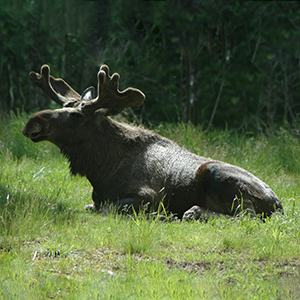
Escape to the Swedish wilderness to spot its native wildlife and immerse yourself in nature.
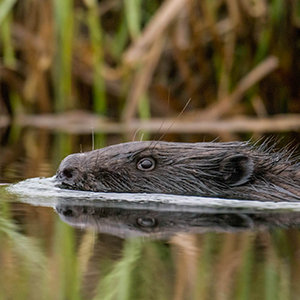
Discover the best places to see moose, beavers and wolves on our wildlife map.
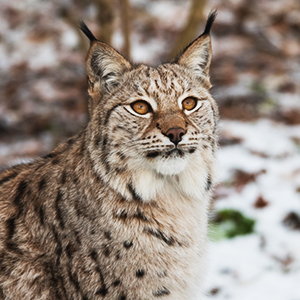
Read on to discover exactly what’s pacing through the pine forests and foraging by the lakes of Sweden.