Best time to visit Tunisia

Whether you want Mediterranean magnificence or Saharan sands, we explore the ideal time to visit Tunisia![]()

Tunisia has two contrasting climates, with the north coast boasting wet and mild Mediterranean winters and long hot summers, and the south, around Douz and Tozeur, distinctly desert-like and pretty much hot, dry and dusty all-year-round. The best time to go to Tunisia is outside of summer in the spring (April and May) or autumn (October and early November). For families looking for beach fun, July and August are the driest months and very hot. September also sees plenty of sun, but the coast is less crowded. You get the best of both worlds either side of summer with comfortable temperatures and far fewer tourists.

A month by month guide on when to go to Tunisia
January in Tunisia
- Winter chills
- Low season
- Cool in Sahara
February in Tunisia
- Low season deals
- Least crowded
- Scattered rain
March in Tunisia
- Wildflowers
- Ramadan
- Early spring sunshine
April in Tunisia
- Sahara Desert
- Outdoor activities
- Orange Blossom Festival
May in Tunisia
- Cultural touring
- Great for families
- Warm spring weather
June in Tunisia
- Summer begins
- Beach weather
- Falconry Festival
Visit Tunisia either side of the sweltering summer and you’ll find apricot trees in spring blossom, or date plantations and olive groves during the late autumnal harvest.![]()
July in Tunisia
- Scorching desert heat
- Peak season
- Driest month
August in Tunisia
- Hottest month
- Beach vacations
- Cultural festivals
September in Tunisia
- Autumn
- Date harvest begins
- Balmy temperatures
October in Tunisia
- Warm, dry weather
- Harissa Festival
- Autumn harvest
November in Tunisia
- Temperatures fall
- Occasional showers
- Low-season deals
December in Tunisia
- Cooler temperatures
- Festival of the Sahara
- Quiet archaeological sites
Sidi Bou Saïd Weather Chart
MIN °C
MAX °C
RAIN (mm)
JAN
8
16
56
FEB
8
17
69
MAR
10
20
66
APR
13
22
48
MAY
16
27
20
JUN
20
31
5
JUL
22
34
3
AUG
22
34
13
SEP
21
30
46
OCT
18
28
74
NOV
12
22
46
DEC
10
18
51

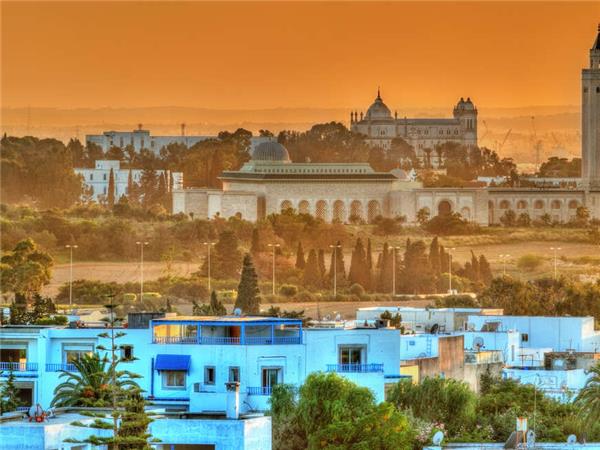
Tunisia small group vacation
Experience the sights and sounds of Tunisia
From
US $2400 to US $2830
10 days
ex flights
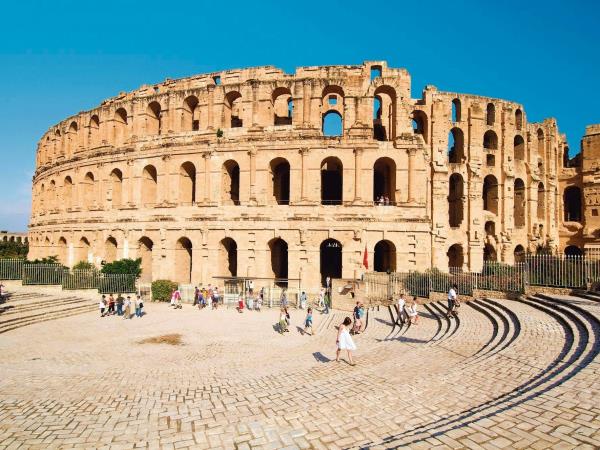
Tunisia history tour, tailor made
Discover Tunisia's fascinating history & natural sites
From
US $3250 to US $3750
8 days
ex flights
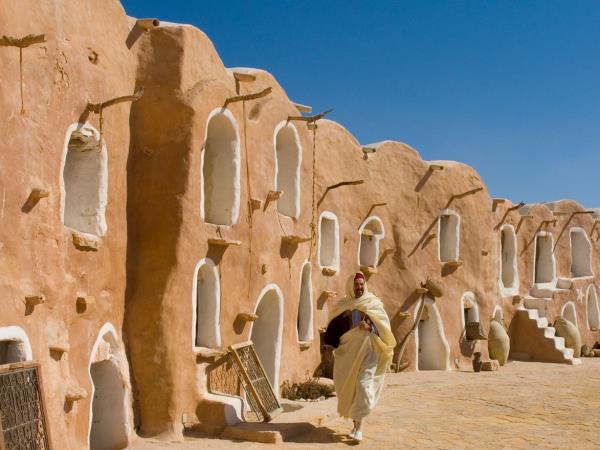
Tunisia tours, off the beaten track
Discover Tunisia's hidden gems on this in depth journey
From
£3349 to £3599
14 days
ex flights
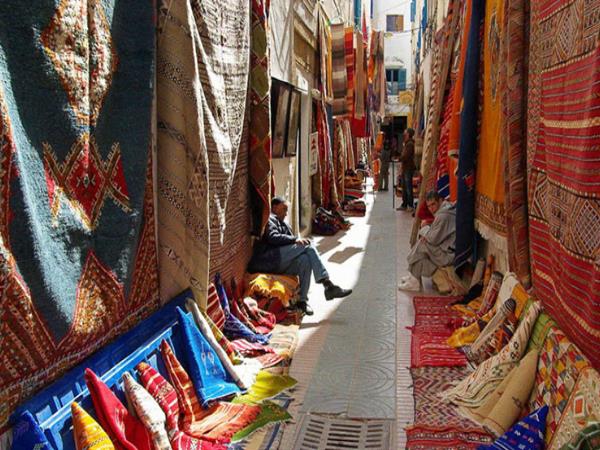
Tunisia tailor made vacation
Classic cultural route from Kasbah to the Sahara
From
US $3580 to US $4180
10 days
ex flights
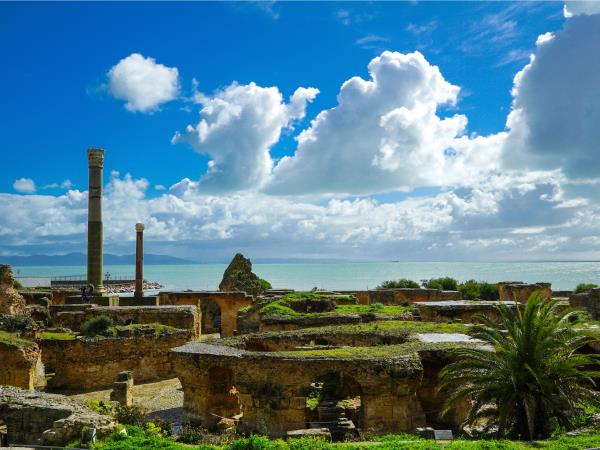
Hannibal and hinterlands history tour, Tunisia
In the footsteps of Hannibal's military
From
US $2655
8 days
ex flights
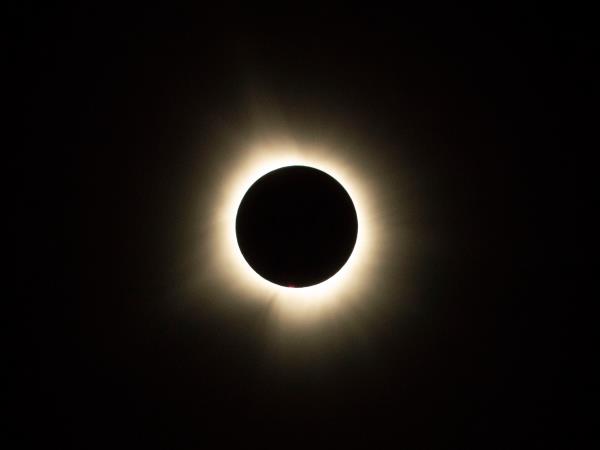
Tunisia solar eclipse 2027 tour
Solar eclipse and Sahara desert adventure
From
£3695
9 days
ex flights


Contact Us

Call us for a chat about our vacations. We are happy to discuss your vacation and help in any way we can. No bots, queues or awful hold music.

1-866-821-6866
Call toll free
Calling from outside the USA


Best times to visit Tunisia for festivals & events
Octopus Festival (March)
Remla, in the Kerkennah Islands off Tunisia’s east coast, hosts a three-day Octopus Festival in March. Fishermen here have caught octopus, drying them on ropes in the sunshine, since Roman times. But today, catches are shrinking precipitously, putting at risk not only the survival of the species here, but also a slice of Tunisia’s cultural heritage. The main culprit is destructive trawler fishing, which leaves little behind for small-scale fishing boats. Ask around to find out where you can eat octopus caught by local fishermen.
Orange Blossom Festival (April)
Citrus fruits are big business in Tunisia – oranges, lemons, limes, grapefruits and clementines are grown across the country, but more than three-quarters of them are grown in the Cape Bon region. Here, the seaside resort of Nabeul hosts an annual Orange Blossom Festival, an opportunity to explore the various products made from oranges, including the renowned orange blossom water which is often used in cooking. Tastings abound, as do tours of orange groves and various cultural events from parades to concerts.
El Haouaria Falconry Festival (June / July)
Falconry in Tunisia is a tradition dating back to the days of the Ottoman Empire. Falconers will catch a bird during its migration to Europe, train it, often forming an intense bond in the process, then use it to hunt. El Haouaria, at the northern tip of the Cape Bon peninsula, is one of the best places in the country to watch these incredibly fast birds of prey making their impressive aerial manoeuvres, especially during the Falconry Festival that marks the end of the spring hunting season.
International Festival of Hammamet (July & August)
Taking place over six sultry summer weeks between July and August, the International Festival of Hammamet is one of Tunisia’s most renowned cultural events, welcoming global performers as well as many local underground acts. The focus is an open-air amphitheatre, but performances can be caught around the city, with the strains of everything from jazz to folk to world music drifting through the air. The coastal city of Hammamet has a thrilling vibe to it throughout the festival, making this one of the best places to visit during summer in Tunisia.
Festival of the Oases (late November/December)
Sat at the edge of the Sahara Desert, the city of Tozeur was for centuries a stopping-point for caravans, leading to a cross-pollination of cultures between travelers of every stripe. Where better, then, to site this four-day festival of desert customs? Watch from the shade of a palm tree as processions of local drummers make their way past, as equestrians show off their horsemanship, as stambeli performers use their three-stringed lutes to commune with the spirits through trance-like rhythms. Then join the crowds in Tozeur’s handsome Roman-era medina, where you can snack on bowls of perfectly ripened dates and haggle for colourful handwoven rugs.
International Festival of the Sahara (November/December)
What began life decades ago as a nomadic wedding fair has now grown to become a wider celebration of Bedouin culture taking place in the town of Douz, 475km south of Tunis and a gateway to the vast Sahara Desert. The main daytime attraction is the camel and horse racing events, the latter reliably showcasing some spectacular feats of athleticism. After night falls, music performances take over, a poetry contest is held, and the crackle of fires outside Bedouin tents means that the feasting is about to begin.
Our travelers also ask…
What month is best to go to Tunisia?
The best months to go to Tunisia tend to be April to May, and September and October. You avoid the soaring heat and crowds of summer, and the weather is ideal for outdoor activities from walking to exploring Roman ruins. Autumn in particular can be the best season to travel around Tunisia, with balmy temperatures and the prospect of freshly harvested dates and olives to plunder.When is it too hot to visit Tunisia?
It’s never too hot to visit Tunisia – even in July and August when temperatures easily top 30°C there are calming breezes along the Mediterranean coast that allow for wonderful beach vacations. But from late-June through to late-August you’re best giving the Sahara Desert a miss – you could still spend a night at a camp in the dunes, but the further south you go the hotter it gets.
Is Tunisia warm all year-round?
Tunisia is warm enough to travel all year-round, but it’s worth noting that temperatures can drop as low as 5°C in parts of the country during the winter months (December to February). The desert tends to be where you see the widest range of temperatures – at night in January it’s not unknown for it to drop below freezing, while in summer the mercury can top 50°C.
What is the coldest month in Tunisia?
January is typically the coldest month in Tunisia, averaging around 12°C in the daytime. Though it’s chilly, and occasionally wet, the winter can be the best time to visit Tunisia for sightseeing, as many of the main archaeological sites are significantly quieter.
More Tunisia articles
Experience North African culture, ancient Roman architecture and beautiful Mediterranean beaches.
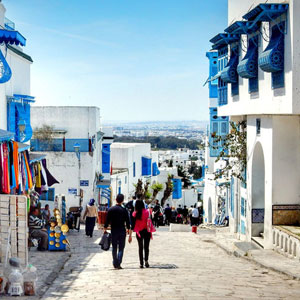
Tunisia has an incredible range of landscapes stretching from the Med to the Sahara, with seven UNESCO sites in between.
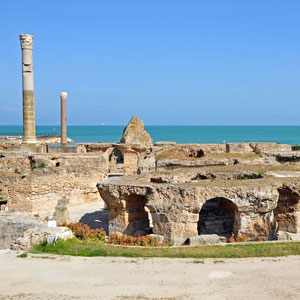
The ancient Roman ruins of Tunisia are far less busy than their European counterparts but no less impressive.
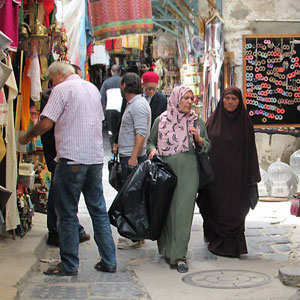
Think beyond the all-inclusive resorts and opt for an authentic African experience.
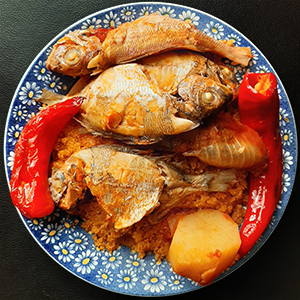
The blend of Maghrebi and Mediterranean traditions make food and drink here a very good idea indeed.