LGBTQ+ vacations in Uganda
“Kuchu” is the name that gay Ugandans have chosen to describe themselves. The word comes from Swahili and means “same”. One reason that a new word was chosen was because of the negative connotations of the words “gay” and “homosexual” in Uganda – a country notorious for having some of the world’s harshest anti-LGBTQ+ laws.
Since the 1800s sexual acts between men have been forbidden in Uganda, referred to in the Penal Code Act in 1950 as “unnatural offences” and “indecent practices”. An amendment in 2000 also criminalised sex between women, with those convicted facing up to seven years in prison.
In 2009, a proposed Anti-Homosexuality Act (AHA) expanded the definition of these offences and brought in harsher penalties. Capital punishment was also proposed for anyone having same-sex sexual relations if they did so with minors, or if they were HIV positive. When the bill was eventually passed in 2013, the death penalty was substituted with life imprisonment.

Homosexuality is often denounced as ‘non-Ugandan’, an import from the West. It is interesting, then, to learn that LGBTQ+ people were generally accepted in Uganda until the British government outlawed same-sex relationships in the 1800s.![]()

Despite huge stigma towards the transgender community, in 2021 a trans woman and activist, Cleopatra Kambugu, was issued a new ID identifying her as female – the first Ugandan to have a change of gender legally recognised. You can learn about the discrimination she has faced in the award-winning documentary The Pearl of Africa.
Just two years later, in 2023, Uganda’s parliament passed its harshest anti-LGBTQ+ bill yet by an overwhelming majority, introducing the death penalty for “aggravated homosexuals” – which can include those who are convicted of having a same-sex relationship more than once.
The regressive law also includes severe punishments for people “promoting” homosexuality or having the intention to commit “an act of homosexuality”. Ugandan citizens are legally obliged to report anyone they think is gay to the police and landlords are banned from renting to LGBTQ+ people. It is also thought to be the first law in the world to criminalise people for simply identifying as LGBTQ+.
Fox Odoi-Oywelowo was the only MP to openly condemn the legislation, telling journalists at Al Jazeera: “If anybody still thinks that you can pass a law to lay a legal basis for hatred – which is what homophobia is – then I can’t support you. Many of the clauses of the bill were, to put it mildly, repugnant.”
There has also been outcry in response to the bill from leading scientists and academics in Africa, human rights organisations and international governments. The US government is reassessing ways it can continue its HIV and Aids programme in Uganda.
Keep reading our travel guide to find out more about the challenges that LGBTQ+ Ugandans face – and about the challenges of visiting Uganda as a LGBTQ+ traveler. We endeavour to update this guide regularly.
Just two years later, in 2023, Uganda’s parliament passed its harshest anti-LGBTQ+ bill yet by an overwhelming majority, introducing the death penalty for “aggravated homosexuals” – which can include those who are convicted of having a same-sex relationship more than once.
The regressive law also includes severe punishments for people “promoting” homosexuality or having the intention to commit “an act of homosexuality”. Ugandan citizens are legally obliged to report anyone they think is gay to the police and landlords are banned from renting to LGBTQ+ people. It is also thought to be the first law in the world to criminalise people for simply identifying as LGBTQ+.
Fox Odoi-Oywelowo was the only MP to openly condemn the legislation, telling journalists at Al Jazeera: “If anybody still thinks that you can pass a law to lay a legal basis for hatred – which is what homophobia is – then I can’t support you. Many of the clauses of the bill were, to put it mildly, repugnant.”
There has also been outcry in response to the bill from leading scientists and academics in Africa, human rights organisations and international governments. The US government is reassessing ways it can continue its HIV and Aids programme in Uganda.
Keep reading our travel guide to find out more about the challenges that LGBTQ+ Ugandans face – and about the challenges of visiting Uganda as a LGBTQ+ traveler. We endeavour to update this guide regularly.

Attitudes towards the LGBTQ+ community in Uganda
Sometimes I think there’s almost a right to persecute LGBT Ugandans, that even speaking about the subject is seen as crying foul to the international community, or being unpatriotic... Do not doubt the ongoing persecution of LGBT Ugandans.![]()
- Frank Mugisha, director of Sexual Minorities Uganda, writing in The Guardian
Many of Uganda’s tribes have a long cultural history of homosexuality, bisexuality, cross-dressing and a general blurring of sexual orientations. One example is King Mwanga II, who ruled the Baganda people in the 1880s and was openly bisexual. The original laws forbidding homosexual activity were not introduced by Ugandan rulers, but by the British, under colonial rule in the 19th century.
It is ironic, therefore, that many of the Ugandans who are opposed to homosexuality today claim that this is because it is anti-Ugandan and anti-African. Despite Uganda’s sexually liberal history, there’s a myth that homosexuality is a Western custom – being “introduced” into the continent as a form of cultural colonialisation.
These attitudes are strengthened by religious beliefs, as many Ugandans are deeply Christian. LGBTQ+ rights organisations also point a finger at evangelical groups and their opposition to “gay agendas”, such as the US missionaries who arrived in the country in 2009. In speeches held in front of thousands of participants, they claimed that homosexuality was evil, and explained how to make gay people straight.
In many countries with harsh anti-LGBTQ+ stances, we would emphasise that it is important not to confuse the citizens with the government. People often disagree with the laws of their country.
However, in Uganda, for the reasons cited above, it is the case that much of the population shares the government’s views, which certainly makes it much harder to visit as a LGBTQ+ traveler. A survey carried out by the Pew Research Centre revealed that just four percent of Ugandans were willing to state that society should accept homosexuality.
There have been Pride events in the past, but sadly “pride” is something of a misnomer. Due to the clear danger of joining such parades, participants covered their faces, numbers were very low, and public spaces avoided – but even so, they were still seen as a “threat” by authorities, with events subject to police raids and organisers threatened with arrest.
Organisations that work closely with the LGBTQ+ communities often find themselves under investigation or under threat of closure. Despite this, a handful of NGOs in Uganda are still fighting for LGBTQ+ rights, including Sexual Minorities Uganda (SMUG); head to their website to find out how to support their work.
It is ironic, therefore, that many of the Ugandans who are opposed to homosexuality today claim that this is because it is anti-Ugandan and anti-African. Despite Uganda’s sexually liberal history, there’s a myth that homosexuality is a Western custom – being “introduced” into the continent as a form of cultural colonialisation.
These attitudes are strengthened by religious beliefs, as many Ugandans are deeply Christian. LGBTQ+ rights organisations also point a finger at evangelical groups and their opposition to “gay agendas”, such as the US missionaries who arrived in the country in 2009. In speeches held in front of thousands of participants, they claimed that homosexuality was evil, and explained how to make gay people straight.
In many countries with harsh anti-LGBTQ+ stances, we would emphasise that it is important not to confuse the citizens with the government. People often disagree with the laws of their country.
However, in Uganda, for the reasons cited above, it is the case that much of the population shares the government’s views, which certainly makes it much harder to visit as a LGBTQ+ traveler. A survey carried out by the Pew Research Centre revealed that just four percent of Ugandans were willing to state that society should accept homosexuality.
There have been Pride events in the past, but sadly “pride” is something of a misnomer. Due to the clear danger of joining such parades, participants covered their faces, numbers were very low, and public spaces avoided – but even so, they were still seen as a “threat” by authorities, with events subject to police raids and organisers threatened with arrest.
Organisations that work closely with the LGBTQ+ communities often find themselves under investigation or under threat of closure. Despite this, a handful of NGOs in Uganda are still fighting for LGBTQ+ rights, including Sexual Minorities Uganda (SMUG); head to their website to find out how to support their work.
Why is Uganda known for being so homophobic?
Some 34 African countries have harsh penalties for homosexual activity, as do a number of other nations, including Jamaica and Iran. So why is Uganda one of the most notorious?
One reason may be that many of the other African countries – which include Mauritania and Sudan – are not popular tourist destinations, so their oppressive laws are less likely to gain international press coverage.
But there have also been a number of incidents in Uganda that have propelled LGBTQ+ rights into the international spotlight. One of these was an edition of the local tabloid newspaper called Rolling Stone, which published a homophobic article featuring the photographs, names and addresses of supposedly gay and lesbian Ugandans, and incited people to take “justice” into their own hands. More articles followed, claiming, amongst other things, that these people were a threat to children. Unsurprisingly, a spate of homophobic violence followed – including the murder of a transgender man – with the victims having no legal recourse.
Then in January 2011, three months after the publication, David Kato, one of the country’s highest profile gay rights activists, was murdered outside his home. His death made headlines around the world. The police attributed it to a robbery gone wrong; campaigners refute this. Kato was Uganda’s first openly gay man and one of its best-known LGBTQ+ campaigners. He founded the nonprofit Sexual Minorities Uganda (SMUG) in 1994 to fight against anti-gay laws and promote LGBTQ+ rights in the country. He was 46 when he was killed.
One reason may be that many of the other African countries – which include Mauritania and Sudan – are not popular tourist destinations, so their oppressive laws are less likely to gain international press coverage.
But there have also been a number of incidents in Uganda that have propelled LGBTQ+ rights into the international spotlight. One of these was an edition of the local tabloid newspaper called Rolling Stone, which published a homophobic article featuring the photographs, names and addresses of supposedly gay and lesbian Ugandans, and incited people to take “justice” into their own hands. More articles followed, claiming, amongst other things, that these people were a threat to children. Unsurprisingly, a spate of homophobic violence followed – including the murder of a transgender man – with the victims having no legal recourse.
Then in January 2011, three months after the publication, David Kato, one of the country’s highest profile gay rights activists, was murdered outside his home. His death made headlines around the world. The police attributed it to a robbery gone wrong; campaigners refute this. Kato was Uganda’s first openly gay man and one of its best-known LGBTQ+ campaigners. He founded the nonprofit Sexual Minorities Uganda (SMUG) in 1994 to fight against anti-gay laws and promote LGBTQ+ rights in the country. He was 46 when he was killed.
Contact Us
Call us for a chat about our vacations. We are happy to discuss your vacation and help in any way we can. No bots, queues or awful hold music.

1-866-821-6866
Call toll free
Calling from outside the USA

LGBTQ+ travel in Uganda
It would be understandable if many LGBTQ+ – and non- LGBTQ+ – travelers chose to boycott Uganda, given the country’s shocking homophobic laws and social attitudes towards the gay and trans community. However, we fully respect everyone’s right to choose where to travel and understand the importance of being as informed as possible when visiting places with oppressive laws. In addition, there are many reasons why we believe that boycotting entire countries does not work and can in fact do more harm than good.
Until recently, tracking gorillas, staying in high-end lodges in national parks and taking game drives across the savannah wouldn’t have caused many concerns for LGBTQ+ tourists. It was often the kinds of low-key, responsible tourism activities that we promote which are hardest for LGBTQ+ travelers to participate in without facing prejudice, including village tours, homestays and staying in smaller, locally run guesthouses.
Travelers of any sexual orientation are advised to avoid displaying affection in public, but Uganda has become an increasingly dangerous place for LGBTQ+ travelers. As of 2023, people are legally obliged to report any observations of “homosexual acts” – and those that don’t report it could face imprisonment. That said, you are more likely to see a man walking along hand in hand with another man than with a woman – simply as a sign of friendship.
Conservative dress is expected within Uganda. All travelers are advised to cover at least down to the knee as well as shoulders and avoid low-cut tops. While Kampala is slightly more liberal, the more rural you go, the more conservative the culture. If in doubt, pack a long-sleeved shirt, sarong or pashmina, and light trousers or long skirt to cover up with.
The one exception to this is in Kampala’s packed nightclubs, where pretty much anything goes in terms of dress and behaviour – if you’re straight. The LGBTQ+ community is barred from publicly showing affection, with the newly draconian laws encouraging people to inform the police about same-sex relationships.
While all the tour operators we work with describe themselves as LGBTQ+-friendly, it is worth asking questions to learn more about how this is put into practice – or, with increasingly homophobic laws, if they are able to put it into practise. Will accommodation welcome LGBTQ+ travelers? Room sharing might not be a problem, but it may be advisable to stick to a twin room. Are they able to incorporate village tours, homestays and explorations of more traditional cultures into a LGBTQ+-friendly vacation? With Uganda, this is even more important than in other destinations, as this is not just about cultural acceptance but about personal safety.
If you would like to support the rights of LGBTQ+ people in Uganda, consider donating to organisations such as Sexual Minorities Uganda (SMUG), Outright International, Rainbow World Fund, Amnesty International and Human Rights Watch, who carry out valuable research, advocacy and campaign work.
More Uganda articles
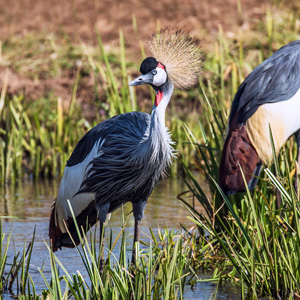
So much more than just mountain gorillas - our travel guide is your ultimate resource for Uganda.
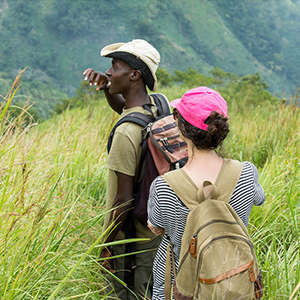
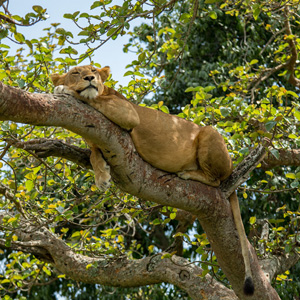
Useful maps and itineraries to help you make the most of your time on a Uganda vacation, from Lake VIctoria to safari.
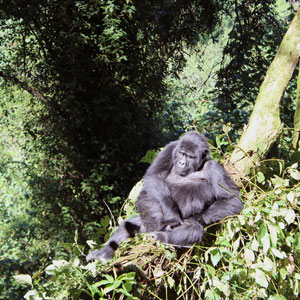
Meet the creatures that enchanted Attenborough and find out how to see them.
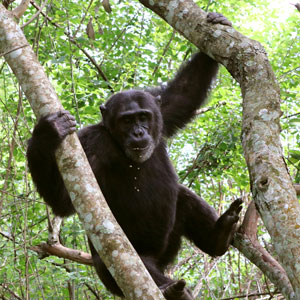
Al you need to know about tracking chimpanzees, from permit fees to packing tips.
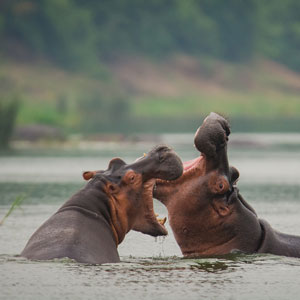
Game drives, river cruises and walking safaris, to observe everything from silverback gorillas to chattering chimps.
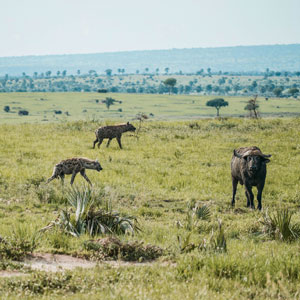
Murchison Falls is Uganda’s largest national park, and it feels like one of its wildest.
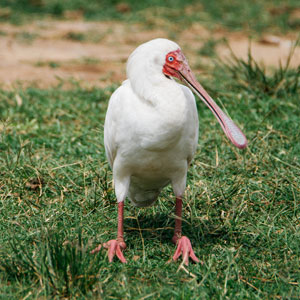
We knowQueen Elizabeth National Park is the jewel in the country's wildlife crown.
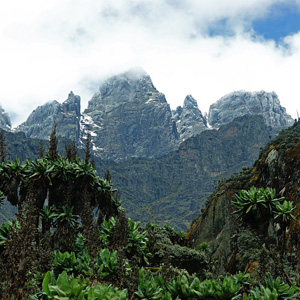
Among Uganda’s least visited natural wonders, but a must-see for birders.
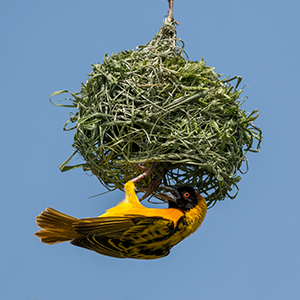
Amazing guides will help you see more than 400 avian species over just two weeks.

Though gorilla tracking should still be the very top of your wishlist, there are plenty of activities in the country.
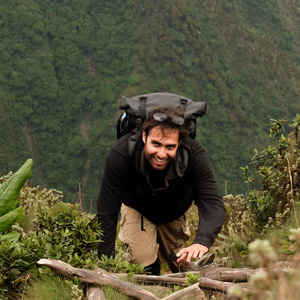
Our travel experts have shared their top Uganda tips with us, from exploring the culture to seeing gorillas.
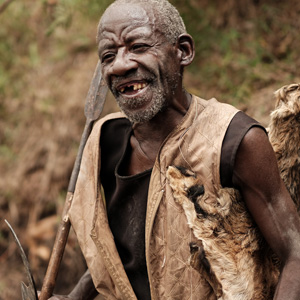
Responsible tourism in Uganda helps reach rural people, helping them conserve their lands.

The Nile's rapids draw keen rafters in from around the world - the spray is about to fly.





.jpg)